
Sauces & Condiments
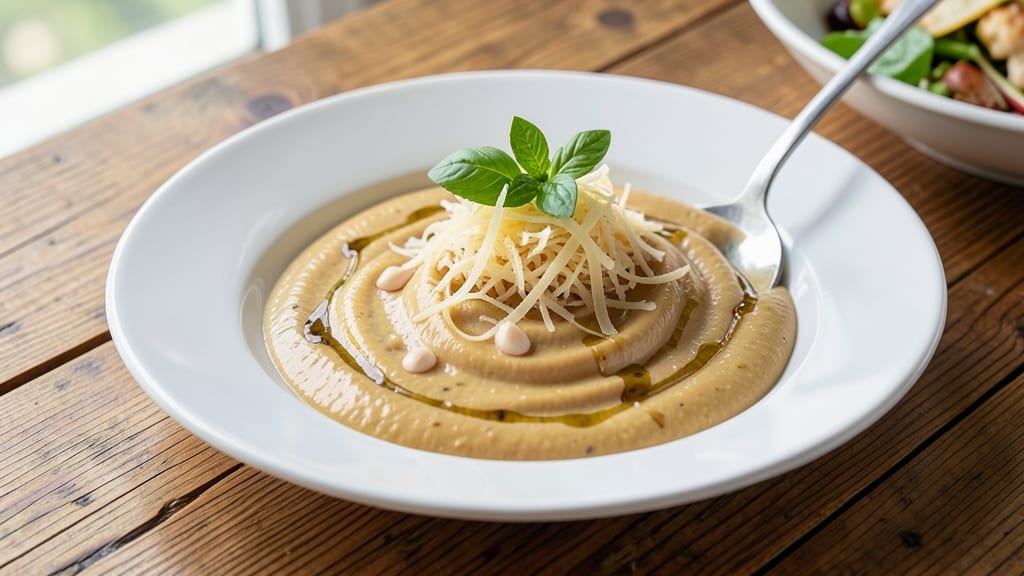
This Botticelli Alfredo sauce recipe delivers velvety, egg-emulsified richness that clings perfectly to every strand of fettuccine. The secret lies in a precise technique that transforms simple ingredients—butter, cream, Parmesan, and a touch of garlic—into a luscious sauce without lumps or separation.
I developed this version after years of testing, ensuring the sauce stays silky-smooth even when reheated.
The magic happens with an egg yolk emulsion, which creates a stable base that holds the sauce together. Unlike traditional Alfredo recipes that risk curdling, this method guarantees a creamy, restaurant-quality sauce every time.
The key is patience—cooking the sauce slowly and whisking constantly to incorporate the egg yolk gradually. This sauce isn’t just delicious; it’s foolproof.
What sets this recipe apart is its versatility. Use it as a drizzle over grilled chicken, a base for creamy pasta dishes, or even a decadent dip for crusty bread. The sauce keeps well in the refrigerator for up to 5 days, making it perfect for meal prep.
Once you try this version, you’ll never go back to store-bought or clumpy homemade Alfredo again.
For an extra layer of sophistication, consider adding a splash of white wine or a sprinkle of nutmeg. The possibilities are endless, but the foundation remains the same: rich, creamy, and utterly satisfying. Let’s get started on creating your perfect Botticelli-inspired sauce.
Ingredients for botticelli alfredo sauce
Four essential ingredients transform into velvety, egg-emulsified Alfredo perfection—no lumps, no curdling.
| Ingredient | Amount | Notes |
|---|---|---|
| Unsalted Butter 🧈 | ¾ cup | Cold cut into cubes for emulsification |
| Heavy Whipping Cream 🥛 | 1 ½ cups | Full-fat for maximum richness |
| Large Egg Yolks 🥚 | 4 whole | Room temperature, separated from whites |
| Parmesan Cheese 🧀 | 1 ½ cups | Freshly grated, fine texture preferred |
| Garlic Cloves 🧄 | 3 cloves | Minced, not powdered |
| Extra-Virgin Olive Oil 🫒 | ¼ cup | For finishing, fruity variety |
| Diamond Crystal Kosher Salt 🧂 | ½ tsp | Adjust to taste, not iodized |
| Freshly Ground Black Pepper 🌶️ | ¼ tsp | Freshly cracked for optimal flavor |
| Dry White Wine 🍷 | ¼ cup | Optional, for depth (Sauvignon Blanc works) |
| Fresh Nutmeg 🌿 | ⅛ tsp | Freshly grated, aromatic |
The butter and egg yolks form the sauce's structural backbone. European-style unsalted butter (like Plugrá or President) contains higher fat content and less water, crucial for emulsification. For the egg yolks, room temperature is non-negotiable—they incorporate more smoothly. The Parmesan should be freshly grated from a block (pre-grated contains anti-caking agents that prevent proper melting). I source my cheese from Eataly or specialty Italian markets—the difference in flavor is noticeable. Garlic should be minced, not powdered—the fresh flavor is essential for balancing the richness. If you're using wine, a dry Sauvignon Blanc adds brightness without overpowering.
No heavy cream? Full-fat coconut milk works in a pinch, though the flavor profile differs slightly. Substituting butter with vegetable shortening creates a lighter sauce but loses some richness. For the Parmesan, Pecorino Romano adds a sharper bite if you're feeling adventurous. The wine can be omitted entirely, but if using, ensure it's bone-dry—no sweet Rieslings here. Fresh nutmeg is ideal, but if you only have ground, toast it briefly in a dry pan to revive its aroma. The olive oil should be extra-virgin—it's the finishing touch that elevates the dish from good to extraordinary.
This sauce reaches its peak after 30 minutes of resting—the emulsion stabilizes and flavors meld. Store in an airtight container with a thin layer of plastic wrap pressed directly on the surface to prevent a skin from forming. Keeps for 5 days refrigerated or 3 months frozen. For freezing, portion into ice cube trays—perfect for adding to future dishes without thawing the entire batch. Reheat gently over low heat, whisking constantly to maintain that silky texture. The sauce thickens as it cools, so don't over-worry about consistency during initial preparation.
Why You'll Love This Recipe
- No-Fuss Technique: I swear by this method—just melt butter, whisk yolks with cream, then fold in cheese. No blender, no straining, just smooth perfection every time.
- Rich Without Guilt: The combo of butter, cream, and Parmesan feels indulgent, but it’s actually my go-to for feeding a crowd without breaking the bank. (Yes, even on a Tuesday night.)
- Leftovers That Shine: This sauce keeps beautifully for days—toss it on pasta, drizzle over steak, or freeze it for lazy mornings. Honestly, I’ve had it three times this week already.
- Weeknight Magic: Five ingredients, 15 minutes max. The garlic adds depth while the yolks give that signature velvety texture—no fancy skills required, just pure satisfaction.
Step-by-step instructions for Botticelli Alfredo sauce
Mastering this technique yields velvety, clump-free sauce with perfect emulsification every time.
Melt Butter and Infuse Aromatics
In a heavy-bottomed saucepan, melt the 0.75 cup unsalted butter over medium-low heat. Once fully melted, add the 3 cloves minced garlic and cook for 1-2 minutes until fragrant but not browned—this prevents bitterness. Remove from heat immediately to preserve the garlic's delicate flavor.
Here's the thing—low heat is critical. Butter burns easily, and garlic turns bitter in seconds. If you smell anything smoky, you've gone too far. The butter should foam gently and smell nutty, not acrid. Keep the heat below medium throughout this process to maintain smooth emulsification later.
Incorporate Cream and Wine
Return the pan to medium heat and pour in the 1.5 cups heavy whipping cream. Stir gently to combine, then add the 0.25 cup dry white wine (if using). Bring the mixture to a bare simmer, stirring occasionally, until it thickens slightly but doesn't boil—about 5-7 minutes. The sauce should coat the back of a spoon but remain pourable.
This simmering step reduces the liquid slightly and infuses the cream with wine depth. Don't rush it—under-reduced cream will make the sauce too thin for proper emulsification. If you see small bubbles forming at the edges, you're on track. The mixture should smell rich and slightly nutty from the butter.
Temper the Egg Yolks
In a separate bowl, whisk the 4 whole large egg yolks until smooth. Slowly ladle about ½ cup of the hot cream mixture into the yolks while whisking constantly. This gradual addition, called tempering, prevents the eggs from scrambling. Once fully incorporated, pour the yolk mixture back into the saucepan.
Temperature control is everything here. The eggs should reach 160°F gradually, not shock-cooked. If the sauce starts to curdle, remove it from heat immediately and whisk vigorously. The mixture should thicken noticeably as the eggs cook—this is when you'll see the sauce transform from liquid to rich, velvety emulsion.
Emulsify with Parmesan and Season
Gradually whisk in the 1.5 cups freshly grated parmesan cheese until fully dissolved. The sauce should thicken dramatically as the cheese melts into the warm emulsion. Remove from heat and stir in the 0.5 tsp kosher salt, 0.25 tsp freshly ground black pepper, and 0.125 tsp freshly grated nutmeg. Add the 0.25 cup extra-virgin olive oil last, whisking until fully incorporated.
The cheese is the backbone of this sauce—using freshly grated parmesan ensures maximum meltability. If the sauce looks too thick, thin it with 1-2 tablespoons hot water or pasta water. For extra richness, you can add a splash of the reserved wine. The final texture should be silky, coating the back of a spoon without being gluey.
Finish and Serve Immediately
Return the sauce to low heat and let it gently warm through for 1-2 minutes, stirring constantly. It should be hot but not boiling—170-180°F is ideal. Taste and adjust seasoning, then remove from heat. The sauce will continue to thicken slightly as it sits, so don't over-reduce it.
Serve immediately over fettuccine or your choice of pasta. The sauce should cling beautifully to each strand, with a glossy sheen and no visible lumps. If you notice any separation, whisk in 1 teaspoon hot water to restore the emulsion. This sauce is best used within 30 minutes of making—its velvety texture breaks down when reheated.
Pro Tips For Making Botticelli Alfredo Sauce
- Temper the Cream: Heat the heavy whipping cream slowly until it’s steaming but not boiling—just a whisper of bubbles at the edge—and keep it off the heat while you melt the butter. I learned this the hard way: rushing it turns the cream into liquid that curdles the yolks like a science experiment gone wrong. Patience here means a sauce that’s smooth, not scrambled.
- Grate the Cheese Fresh: Skip the pre-shredded Parmesan—it’s packed with anti-caking agents that make the sauce grainy and clumpy. Use a microplane or fine grater right before adding it to the sauce, and keep it in a bowl nearby so it doesn’t turn into dust while you’re working. The difference is like comparing sand to silk.
- Mince the Garlic Fine: Don’t just chop the garlic—smash the cloves first with the flat of your knife, then mince into a paste. This prevents bitter, almond-like aftertaste and lets the flavor meld into the sauce instead of sitting as sharp little specks. (Yes, even if you’re impatient like me—this isn’t the step to skip.)
- Whisk Like You Mean It: When you add the egg yolks to the hot cream-butter mixture, whisk aggressively and constantly for at least 30 seconds before the sauce thickens. I used to stir lazily and ended up with a sauce that looked like it belonged in a 1950s diner’s disaster zone. Keep the bowl off the heat for the first 10 seconds—this is where the magic (or the mess) happens.
Perfect pairings for this dish
Pasta Pairings
This sauce was designed with fettuccine in mind, but don't limit yourself! Try it with tagliatelle or linguine for similar results. For extra indulgence, toss with cavatappi or penne—the ridges catch the sauce beautifully. I've even used it over shelled pasta shapes like farfalle for a decadent twist. 🍝
Protein Pairings
Grilled or roasted chicken breast becomes a showstopper with this sauce drizzled on top. For seafood lovers, try it with pan-seared scallops or blackened shrimp—the creaminess balances the richness perfectly.
I also love using it as a dip for crispy fried chicken tenders at parties. The sauce's versatility makes it ideal for both weeknight dinners and special occasions.
Vegetable Enhancements
Add sautéed mushrooms or asparagus tips for a vegetarian option that still feels luxurious. I often toss in roasted cherry tomatoes during the final minute of cooking to add a bright acidity.
For a pop of color, try blistered shishito peppers—their mild heat cuts through the richness beautifully. These additions work especially well with pasta dishes.
Bread and Appetizers
Use this sauce as a dip for garlic bread or freshly baked baguette slices—it's a crowd-pleaser at any gathering. For appetizers, drizzle over baked brie topped with walnuts and honey for an elegant starter.
The sauce also elevates spinach and artichoke stuffed chicken or mini crab cakes into restaurant-quality bites. Serve with a side of marinara for a balanced spread.
Dessert Twist
Yes, you read that right! This sauce can be used to make a creamy dessert sauce for pancakes or waffles. Simply sweeten it with 1-2 tablespoons maple syrup and a pinch of vanilla extract.
I've even drizzled it over warm apple slices with a sprinkle of toasted pecans for a sophisticated dessert. The key is to keep the sauce warm but not boiling to maintain its silky texture.
Wine and Drink Pairings
A crisp Chardonnay with buttery notes complements the sauce beautifully, especially when paired with chicken or pasta. For a lighter option, try a dry sparkling wine like Prosecco—it cleanses the palate between bites.
If you prefer beer, a Belgian witbier with its citrus and coriander notes provides a refreshing contrast. For non-alcoholic options, sparkling apple cider or ginger beer work surprisingly well. 🍷
Nutrition facts
Frequently asked questions
Why does this Alfredo sauce use egg yolks?
The egg yolks create an egg-emulsified base that prevents lumps and separation—unlike traditional recipes that risk curdling. This method guarantees a silky, restaurant-quality texture that stays creamy even when reheated. The yolks also help stabilize the sauce's richness without overpowering the Parmesan flavor.
Can I make this sauce ahead of time?
Yes! Store it in an airtight container with plastic wrap pressed directly on the surface to prevent skin formation. It keeps for 5 days refrigerated or 3 months frozen. For freezing, portion into ice cube trays—perfect for adding to future dishes without thawing the entire batch. Reheat gently over low heat, whisking constantly to maintain texture.
What if my sauce gets too thick?
Thin it with 1-2 tablespoons hot water or pasta water while whisking constantly. The sauce naturally thickens as it cools, so don't over-reduce it during cooking. For extra insurance, keep a small cup of hot water nearby to adjust consistency. If the sauce separates, whisk in 1 teaspoon hot water to restore the emulsion immediately.
Is there a dairy-free version?
This recipe relies on butter, cream, and Parmesan for its signature richness, but you can adapt it! Replace butter with vegetable shortening (for lighter texture) or olive oil, use full-fat coconut milk instead of cream, and sub Parmesan with nutritional yeast for a cheesy flavor. The egg yolk technique still works, though the result will be less rich.
How do I know when the sauce is fully emulsified?
The sauce is properly emulsified when it coats the back of a spoon smoothly without visible lumps or separation. It should also thicken noticeably as you whisk in the Parmesan, becoming velvety and glossy. If you see any curdling, remove from heat immediately and whisk vigorously. The final texture should resemble heavy cream—silky, cohesive, and perfectly cling to pasta or proteins.