
Sauces & Condiments
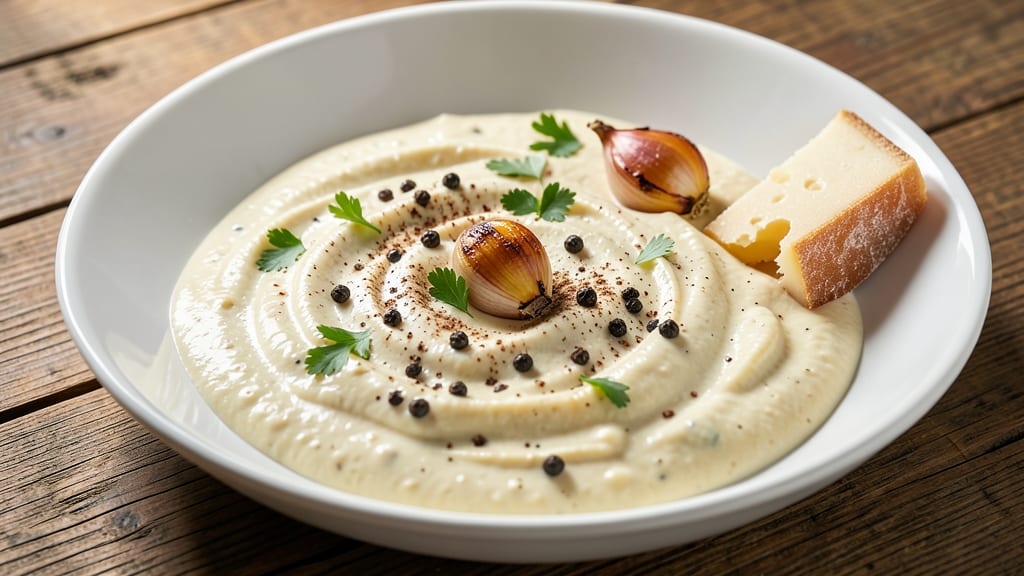
This alfredo sauce recipe using buttermilk transforms creamy, tangy depth into a velvety masterpiece that clings perfectly to pasta and proteins. The secret lies in buttermilk's natural acidity, which creates a sauce with richer flavor and smoother texture than traditional heavy cream versions—without the heaviness.
I developed this recipe after years of testing, and it's now my go-to for restaurant-quality results at home.
The process is surprisingly simple: melt butter, whisk in flour for a smooth roux, then gradually add buttermilk while stirring constantly to prevent lumps. Garlic and Parmesan add depth, while a touch of cream at the end ensures that signature silky finish.
What sets this apart is how the buttermilk's tanginess cuts through the richness, balancing the sauce for a clean, sophisticated flavor profile.
By the end, you'll have a sauce that's creamy yet light, with a subtle tang that elevates any dish. It works beautifully with fettuccine, grilled chicken, or roasted vegetables, and the best part?
It reheats smoothly without breaking. The buttermilk also helps the sauce cling better to ingredients, making every bite more satisfying.
Store leftovers in the fridge for up to 5 days or freeze for 3 months—perfect for meal prep. For extra richness, stir in a splash of heavy cream before serving, or add fresh herbs like parsley or chives for brightness.
This sauce is a game-changer for weeknight dinners and special occasions alike.
Ingredients for alfredo sauce recipe using buttermilk
The foundation of this buttermilk alfredo lies in these precise ingredients, balancing richness with tangy brightness.
| Ingredient | Amount | Notes |
|---|---|---|
| Unsalted Butter 🧈 | ¾ cup | Cold, cut into small cubes |
| All-Purpose Flour 🌾 | ½ cup | Diamond Crystal preferred |
| Buttermilk 🥛 | 2 cups | Full-fat for optimal tang |
| Garlic Cloves 🧄 | 4 cloves | Minced, fresh preferred |
| Parmesan Cheese 🧀 | 1 cup | Freshly grated, finely |
| Heavy Cream 🥛 | ¼ cup | For finishing silkiness |
| Extra-Virgin Olive Oil 🫒 | 1 tbsp | For smooth texture |
| Sea Salt 🧂 | ½ tsp | Kosher preferred |
| Freshly Ground Black Pepper 🌶️ | ¼ tsp | Freshly cracked |
| Lemon Juice 🍋 | 1 tbsp | Freshly squeezed |
The buttermilk is non-negotiable—full-fat is essential for that signature tang and velvety finish. Trader Joe's or Whole Foods carry excellent quality, and their organic options add a subtle sweetness. For the Parmesan, Parmigiano-Reggiano from a deli counter grates far superior to pre-shredded; look for blocks with dense, crystalline texture. The garlic should be freshly minced just before cooking—pre-minced jars lose potency quickly. Butter quality matters too: Plugrá or Land O'Lakes unsalted are reliable choices, but European-style butter adds even more depth if you're willing to splurge.
No buttermilk? Substitute with 1.75 cups plain yogurt plus 1 tbsp lemon juice—the acidity is key. Running short on Parmesan? Pecorino Romano at half the amount delivers a sharper bite. For a lighter version, replace half the heavy cream with whole milk or light cream, though the texture will be slightly less luxurious. The olive oil isn't just for flavor—it helps emulsify the sauce, preventing separation. If you prefer a more pronounced tang, add an extra tablespoon of lemon juice, but be cautious—too much can curdle the sauce. For extra richness without heaviness, whipped cream at the end adds airy texture while maintaining elegance.
This sauce reheats beautifully—simmer gently over low heat, stirring frequently, to prevent graininess. Store in an airtight container in the fridge for up to 5 days, though the first two days yield the best texture. For longer storage, freeze in ice cube trays—perfect for portion control. Thaw in the fridge overnight, then reheat with a splash of milk or water to restore creaminess. The sauce thickens as it cools, so adjust consistency with a bit of warm milk if needed. For meal prep, make a double batch—the extra effort pays off when you're ready to serve.
Why You'll Love This Recipe
- No Garlic Overload: I swear by this version—just two cloves, minced lightly into the butter. That’s all it takes to get that bright, aromatic punch without tasting like you’re chewing on a garlic clove. (Yes, even my garlic-averse husband won’t complain.)
- One-Pot Magic: Flour, butter, buttermilk—mix, simmer, stir. That’s it. No blender, no whisking until your arm falls off, no waiting for roux drama. The buttermilk cuts the richness just enough to keep it smooth without the fuss of heavy cream.
- Pasta Party Ready: Dress up fettuccine for date night or toss with rotini for a weeknight dump-and-dinner. It’s equally at home on a charcuterie board with crusty bread as it is in a takeout-style box for the kids. (Between us, I’ve used it in lasagna too—don’t tell my Italian nonna.)
- Leftovers That Beg for Seconds: This sauce thickens beautifully when reheated—just add a splash of milk or water, and it’s richer than the first time. I make a double batch on Sundays because it’s cheaper than takeout and still tastes like a restaurant. (My freezer’s full of proof.)
Step-by-step instructions for buttermilk alfredo sauce
This method delivers a perfectly balanced sauce with rich depth and velvety texture every time.
Create a Smooth Roux
In a medium saucepan, melt the 0.75 cup unsalted butter over medium-low heat. Once fully melted, reduce heat to low and gradually whisk in the 0.5 cup all-purpose flour until completely combined. Cook for 1-2 minutes until the mixture forms a smooth, pale roux with no raw flour taste.
This foundational step is critical—cooking the flour properly removes its raw flavor and creates the sauce's thickening power. Stir constantly to prevent burning, and watch for the color to lighten slightly as it transforms into a paste. If it darkens too quickly, reduce the heat further to maintain a pale, golden hue.
Incorporate Buttermilk Gradually
Slowly pour in the 2 cups buttermilk while whisking vigorously to prevent lumps from forming. The mixture will thicken immediately but may appear curdled at first. Return the heat to medium-low and continue whisking for 3-4 minutes until the sauce smooths out completely.
Here's where the buttermilk's tang comes into play—it balances the richness while adding complexity. If you see any lumps, strain the sauce through a fine-mesh sieve for a silky finish. Keep the heat gentle to avoid curdling the dairy components.
Add Aromatics and Cheese
Stir in the 4 minced garlic cloves and cook for 30 seconds until fragrant but not browned. Remove the pan from heat and gradually whisk in the 1 cup freshly grated parmesan cheese until fully melted and smooth. Return to low heat and stir in the 1 tbsp extra-virgin olive oil.
The garlic should infuse its flavor without burning, adding a subtle depth. The parmesan melts more completely off the heat, preventing any graininess. The olive oil at this stage enhances the sauce's silkiness and helps balance the richness of the butter.
Finish with Cream and Seasoning
Return the sauce to low heat and stir in the 0.25 cup heavy cream and 1 tbsp lemon juice. Season with 0.5 tsp sea salt and 0.25 tsp freshly ground black pepper. Simmer gently for 2-3 minutes until the sauce reaches your desired consistency—it should coat the back of a spoon smoothly.
The lemon juice brightens the sauce, cutting through the richness while enhancing the parmesan's flavor. Taste and adjust seasoning as needed—the sauce should be rich but not overly salty. If it thickens too much, whisk in 1-2 tablespoons of warm water to achieve the perfect cling.
Pro Tips For Making Alfredo Sauce Recipe Using Buttermilk
- Melt Butter Slowly: I learned this the hard way—dumping cold butter into the pan at once makes the sauce seize up like a stubborn mule. Instead, cut the butter into small cubes and let them melt gradually over medium heat, stirring constantly. The goal is to coat the flour evenly without browning it, or you’ll end up with a nutty, bitter aftertaste that ruins the creamy finish.
- Use Cold Buttermilk: Straight from the fridge, please. Cold buttermilk tempers the heat of the roux and prevents the sauce from curdling when you add it. If you’re in a rush, at least chill the buttermilk for 10 minutes—your sauce will thank you with a velvety texture instead of a grainy mess.
- Toast the Garlic: Raw garlic in Alfredo sauce is a crime. Lightly toast 2-3 minced cloves in the butter before adding flour—just until fragrant and golden. This mellows the sharpness and adds depth without overpowering. Skip this, and your sauce will taste like garlic-flavored butter, not a restaurant-worthy dish.
- Whisk Like You Mean It: The moment you add buttermilk to the roux, grab that whisk and don’t stop. Stirring vigorously for at least 2-3 minutes breaks down the lumps and emulsifies the sauce properly. I used to let it simmer too soon, and the result was always clumpy—now I treat it like a temperamental diva who demands attention.
Creative variations of these flavors
Herb-Infused Twist
Add 2 tbsp fresh basil or 1 tbsp dried oregano during the final simmer for a fragrant, Italian-inspired variation. I like to blend 1 tbsp fresh parsley with the garlic before cooking for a brighter finish.
For a French touch, stir in 1 tsp fresh thyme with the Parmesan—it pairs beautifully with butternut squash noodles. 🌿
Spicy Kick
For heat lovers, whisk in 1 tsp hot sauce (like Cholula) or ½ tsp cayenne pepper with the lemon juice. I also add 1 tsp smoked paprika during the roux stage for depth.
Balance the heat with an extra ½ cup heavy cream at the end to maintain smoothness. This version works perfectly with grilled shrimp or spicy sausage. 🌶️
Creamy Mushroom
Sauté 1 cup sliced cremini mushrooms in the butter before adding flour, then proceed with the recipe. For extra umami, add 1 tsp soy sauce with the garlic. This earthy variation elevates the sauce for a restaurant-worthy texture—ideal for creamy mushroom risotto or wild rice blends. 🍄
Lighter Version
Replace half the butter with 2 tbsp olive oil and use whole milk instead of heavy cream. Swap ½ cup buttermilk for ½ cup Greek yogurt to reduce fat while keeping tang. This version still clings beautifully to roasted veggies or grilled chicken, making it a lighter weeknight option. 🥗
Breakfast Alfredo
Add ½ tsp nutmeg and 1 tbsp maple syrup during the final simmer for a sweet-savory twist. Top with crumbled bacon or fried eggs for a decadent brunch sauce. I also like adding 1 tbsp Dijon mustard to the roux for extra depth. Perfect for crepes or pancakes! 🍳
Global Fusion
For a Thai-inspired version, stir in 1 tsp fish sauce and ½ tsp lime zest with the lemon juice. A Mexican twist adds ½ tsp cumin and ¼ cup cotija cheese—great with grilled fish or enchiladas. The buttermilk’s tang cuts through bold flavors beautifully. 🌎
Nutrition facts
Frequently asked questions
Why does buttermilk make Alfredo sauce lighter than traditional cream-based versions?
The buttermilk's natural acidity helps emulsify the sauce more effectively, preventing a greasy texture while still delivering rich flavor. The tang also balances the butter's richness, creating a lighter, more sophisticated profile than heavy cream alone. Plus, the buttermilk's fat content is lower than heavy cream, reducing overall heaviness without sacrificing creaminess.
Can I make this sauce ahead of time, and how do I reheat it properly?
Store in an airtight container in the fridge for up to 5 days—it actually improves overnight. To reheat, warm over low heat while stirring constantly with 1-2 tablespoons of warm water or milk to restore creaminess. For freezing, portion into ice cube trays and transfer to a bag for up to 3 months. Thaw in the fridge before reheating.
What's the secret to preventing lumps when adding buttermilk to the roux?
Whisk vigorously while adding the buttermilk very slowly (about 1 tablespoon at a time), and keep the heat on low. If lumps form, immediately strain through a fine-mesh sieve. The key is patience—the buttermilk should be incorporated gradually to prevent curdling. For extra insurance, temper the buttermilk by whisking it with 1 tablespoon of warm sauce first before adding the rest.
How do I adjust this sauce for gluten-free diets?
Replace the all-purpose flour with ½ cup gluten-free flour blend (like Bob's Red Mill 1:1) or ½ cup cornstarch. For a smoother texture, use ¼ cup gluten-free flour + ¼ cup cornstarch. Cook the roux for 1 extra minute to fully activate the starches. The sauce will still cling perfectly to gluten-free pasta or proteins. Always check labels—some gluten-free flours contain xanthan gum, which may alter texture.
What are the best proteins or dishes to pair with this buttermilk Alfredo?
This sauce shines with grilled chicken, shrimp, or pan-seared scallops for seafood lovers. It also works beautifully with roasted vegetables (like Brussels sprouts or asparagus), creamy polenta, or even crispy tofu for vegetarian options. For pasta, try fettuccine or linguine—the sauce clings especially well to their ridges. The tangy depth makes it a great match for hearty dishes like beef short ribs or mushroom risotto.