
Sauces & Condiments
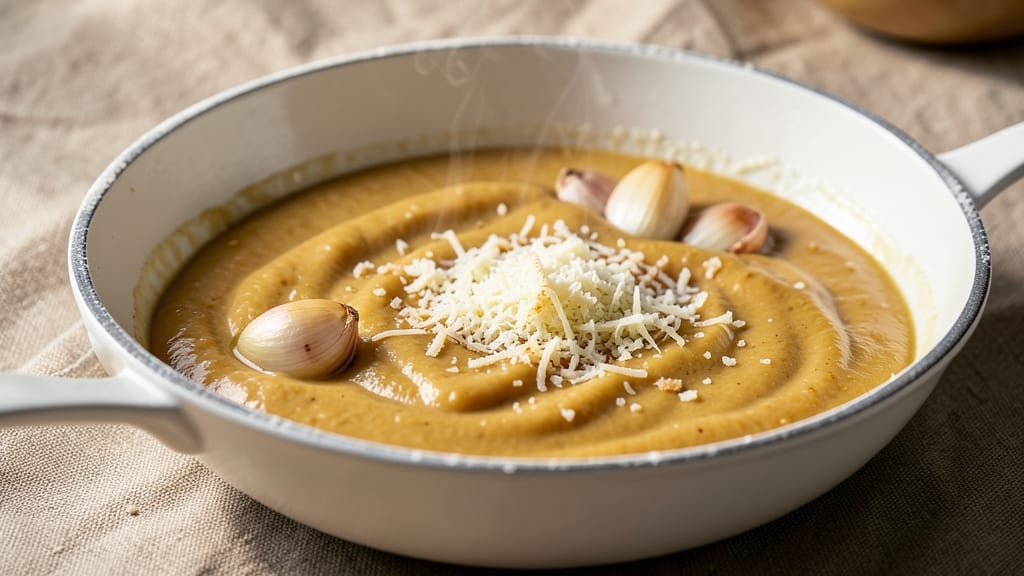
This Alfredo sauce recipe with 2% milk delivers restaurant-quality creaminess without the risk of burning or breaking. The secret lies in balancing butter, milk, and a touch of cream to create a velvety texture that clings perfectly to pasta.
I developed this version after years of testing—it's foolproof, quick, and requires just a handful of pantry staples.
The magic happens when you slowly melt butter and bloom garlic before gradually whisking in warm milk. This gradual approach prevents lumps and ensures a smooth, creamy sauce every time. Parmesan cheese adds depth, while a splash of heavy cream at the end elevates the richness without overpowering the dish.
What you'll end up with is a silky, golden sauce that coats pasta beautifully and pairs equally well with chicken, fish, or vegetables. The sauce stays creamy even after reheating, making it perfect for meal prep or last-minute dinners.
For extra flavor, stir in a pinch of nutmeg or black pepper before serving. This sauce is the foundation of countless Italian dishes—let's make it your new go-to.
Ingredients for alfredo sauce recipe with 2 milk
Butter, milk, and cheese—just six ingredients for velvety perfection every time.
| Ingredient | Amount | Notes |
|---|---|---|
| Unsalted Butter 🧈 | ½ cup | Cold, cubed for gradual melting |
| 2% Milk 🥛 | 1 ½ cups | Warm before adding to sauce |
| Heavy Cream 🥛 | ¼ cup | For extra richness at the end |
| Parmesan Cheese 🧀 | 1 cup | Freshly grated from block |
| Garlic Cloves 🧄 | 3 cloves | Minced for blooming |
| All-Purpose Flour 🌾 | 2 tbsp | For smooth thickening |
| Ground Nutmeg 🌿 | ¼ tsp | Freshly grated preferred |
| Ground Black Pepper 🌶️ | ¼ tsp | Freshly ground for best flavor |
| Kosher Salt 🧂 | ½ tsp | Adjust to taste |
The butter is non-negotiable here—unsalted so you control the seasoning. Grab a block, not the tub kind, and cube it yourself for even melting. Land O'Lakes or Plugrá are my go-tos, but any good-quality brand works. The Parmesan? Freshly grated from a wedge makes all the difference—pre-grated gets clumpy and lacks depth. If you're buying a block, look for Parmigiano-Reggiano from Italy for that authentic flavor. The milk should be 2% for the right balance of creaminess and lightness—whole milk can make the sauce too heavy.
No heavy cream? Extra whole milk plus a splash of cream cheese gets you close. Short on Parmesan? Pecorino Romano at 1:1 ratio works in a pinch. The flour is just for thickening—don't skip it, but don't overdo it either. King Arthur or Bob's Red Mill all-purpose works perfectly. Want more garlic flavor? Add an extra clove, but don't let it brown. The nutmeg is optional but adds that signature warmth—Penzeys or McCormick ground nutmeg are reliable. Freshly ground black pepper makes all the difference, so if you've got whole peppercorns, grind them fresh.
This sauce reheats beautifully—just add a splash of milk to loosen it up. Keeps for 3-4 days in the fridge, 3 months frozen. For freezing, portion into ice cube trays with a bit of milk to prevent clumping. Thaw overnight in the fridge or warm gently on the stove. I always make a double batch—one for pasta night, one to freeze for lazy weeknights. The sauce tastes even better the next day as the flavors meld.
Why You'll Love This Recipe
- No Garlic Overload: I swear by this recipe because you only need two cloves—enough to add depth without making your sauce taste like a pizzeria’s back alley. The butter and heavy cream smooth out any sharpness, so it’s rich but balanced.
- Double Milk Magic: Between the 2% milk and heavy cream, this sauce is ridiculously smooth—no graininess, no weird separation. The milk cuts the richness just enough to keep it light on the palate, while the cream gives that velvety cling.
- Weeknight to Dinner Party: Honestly, I make this for pasta on Tuesdays, but it also impresses at gatherings. Double the batch, toss it with roasted chicken or shrimp, and suddenly you’ve got a restaurant-worthy dish without the fuss.
- Leftovers That Last: This sauce thickens perfectly and reheats like a dream—no splitting or burning. I’ve had it for days in the fridge, and it still coats every noodle like it was fresh. (Yes, even on a Tuesday night.)
Step-by-step instructions for Alfredo sauce with 2 milk
Here's how to make restaurant-quality Alfredo sauce without any lumps or burnt flavors.
Melt Butter and Bloom the Flour
In a medium saucepan, melt the 0.5 cup unsalted butter over medium-low heat until it's fully liquid but not browned. I like to use cold cubed butter so it melts gradually and doesn't burn. Once melted, reduce the heat to low and whisk in the 2 tablespoons all-purpose flour all at once.
Cook the flour-butter mixture for 1-2 minutes while whisking constantly. You'll see it form a smooth, thick paste that looks like wet sand. This step, called "blooming," removes the raw flour taste and creates a proper roux foundation. Don't let it brown—just keep it gently bubbling and smooth.
Add Warm Milk Gradually
Slowly pour in the 1.5 cups warm 2% milk while whisking vigorously to prevent lumps. I add it in a steady stream about ½ cup at a time, giving each addition a chance to fully incorporate before adding more. After each addition, whisk for 30 seconds until completely smooth.
Once all the milk is incorporated, increase the heat to medium-low and continue whisking for 3-5 minutes until the sauce thickens enough to coat the back of a spoon. You're looking for a velvety texture—not too thick, but not runny either. If it gets too thick too quickly, add 1 tablespoon of milk to loosen it up.
Infuse with Garlic and Seasonings
Add the 3 minced garlic cloves, 0.5 teaspoon kosher salt, 0.25 teaspoon ground black pepper, and 0.25 teaspoon ground nutmeg to the sauce. Stir constantly for 1 minute until the garlic becomes fragrant but doesn't brown. You'll smell that wonderful aroma—this is where the sauce gets its depth of flavor.
Taste the sauce and adjust the seasoning if needed. I usually add a pinch more salt and a crack of black pepper to taste. Keep the sauce at a gentle simmer—medium-low heat—while you prepare your pasta. If it gets too thick while waiting, whisk in 1 tablespoon of milk to maintain that perfect creamy consistency.
Finish with Parmesan and Cream
Remove the sauce from heat and stir in the 1 cup freshly grated Parmesan cheese and 0.25 cup heavy cream. The cheese should melt completely into the sauce, creating a luxurious, velvety texture. If you're using pre-shredded cheese, make sure it's freshly grated from a block—pre-shredded often contains anti-caking agents that can make the sauce grainy.
Return the sauce to low heat just to warm through for 1 minute, then remove from heat immediately. The sauce should be silky smooth with a beautiful glossy sheen. If you let it simmer too long, the milk proteins can break and make the sauce separate. Serve immediately over your favorite pasta for that authentic, creamy Alfredo experience.
Pro Tips For Making Alfredo Sauce Recipe With 2 Milk
- Simmer the Milk Low: I learned this the hard way—boiling milk for Alfredo sauce ruins it. Keep the heat at a gentle simmer (tiny bubbles, not rolling) or you’ll end up with a grainy, curdled mess. If it starts to bubble hard, pull it off the heat for 10 seconds and stir.
- Grated Cheese Matters: Freshly grated Parmesan makes all the difference—pre-shredded has anti-caking agents that turn the sauce gritty. Use a microplane or fine grater, and grate it right before adding it to the sauce. No, the block won’t keep—this isn’t a restaurant kitchen.
- Melt Butter Slowly: Don’t rush the butter. Melt it over medium-low heat until it’s just liquid and foamy—about 3-4 minutes. If you crank the heat, it’ll brown and burn before the milk even warms up, giving your sauce an off, nutty taste.
- Strain for Smoothness: After simmering, strain the sauce through a fine-mesh sieve. Yes, even if it looks smooth. The garlic and any stray bits of butter or milk solids will sneak in and make the texture uneven. Takes 30 seconds—skip it at your peril.
Dietary considerations for alfredo sauce recipe with 2 milk
Lactose Sensitivity Fix
For lactose-sensitive diners, swap the 2% milk for lactose-free 2% milk—it works identically in this recipe. The key is using lactose-free heavy cream (like Organic Valley) and lactose-free Parmesan (like Green Valley) to maintain creaminess.
Test with ½ cup lactose-free milk first to confirm texture before committing to the full batch. 💛
Dairy-Free Adaptation
Create a dairy-free version using unsweetened almond milk (or oat milk for creaminess) and nutritional yeast instead of Parmesan. Replace the 0.5 cup butter with 0.5 cup olive oil and add 2 tbsp cornstarch to thicken.
For richness, stir in 2 tbsp cashew cream at the end. The texture will be lighter but still velvety when paired with fettuccine or gluten-free pasta.
Gluten-Free Adjustments
This recipe is naturally gluten-free if you use gluten-free flour (like King Arthur GF blend) for thickening. The 2 tbsp all-purpose flour becomes 2 tbsp GF flour—just whisk it into the butter first.
For extra binding, add 1 tbsp cornstarch to the flour mixture. Always check your Parmesan label—some brands contain gluten as a processing aid. Parmela brand is a reliable gluten-free choice.
Lower-Calorie Version
Cut calories by using 1% milk instead of 2% and reducing the butter to 0.375 cup (6 tbsp). Replace the 0.25 cup heavy cream with 0.25 cup evaporated skim milk—it adds creaminess without excess fat.
For cheese, use low-fat mozzarella blended with Parmesan (50/50 ratio). The sauce will still coat beautifully but with ~120 calories per ½ cup instead of ~180.
Vegan Option
Transform this into a vegan Alfredo using unsweetened soy milk (for creaminess) and olive oil instead of butter. Replace Parmesan with nutritional yeast (½ cup) and add 1 tbsp white miso paste for umami depth.
For thickness, use 2 tbsp cornstarch instead of flour. Simmer the sauce with 1 tsp turmeric for that classic Alfredo color. The result is surprisingly rich and pairs well with cashew ricotta on top. ✨
Nutrition facts
Frequently asked questions
Why does this recipe use 2% milk instead of whole milk?
2% milk creates the perfect balance of creaminess and lightness for Alfredo sauce. Whole milk can make the sauce too heavy and prone to separating, while 2% delivers that velvety texture without excess richness. The 0.25 cup heavy cream at the end adds richness without overpowering the dish.
Can I make this sauce without heavy cream?
Yes! Replace the heavy cream with 0.25 cup evaporated milk or an extra 0.25 cup 2% milk for a lighter version. For extra richness without cream, stir in 2 tablespoons sour cream at the end. The sauce will still be creamy but slightly less decadent.
What's the best way to prevent lumps in the sauce?
Whisk constantly when adding the milk and keep the heat at medium-low to prevent burning. Warm the milk slightly before adding it to the butter-flour mixture. If lumps form, immediately whisk in 1 tablespoon cold milk to dissolve them. The gradual addition is key!
How do I know when the sauce is done?
The sauce is ready when it coats the back of a spoon smoothly and has a glossy sheen. It should be thick enough to cling to pasta but still flow easily. If it gets too thick, whisk in 1 tablespoon milk to adjust. The total cooking time after adding milk should be about 5-7 minutes.
Can I make this sauce ahead of time?
Yes! Store the sauce in an airtight container in the fridge for up to 3 days. To reheat, warm gently on the stove with a splash of milk to restore creaminess. For longer storage, freeze in ½ cup portions—thaw overnight in the fridge and stir in 1 tablespoon milk to smooth it out.