
Sauces & Condiments
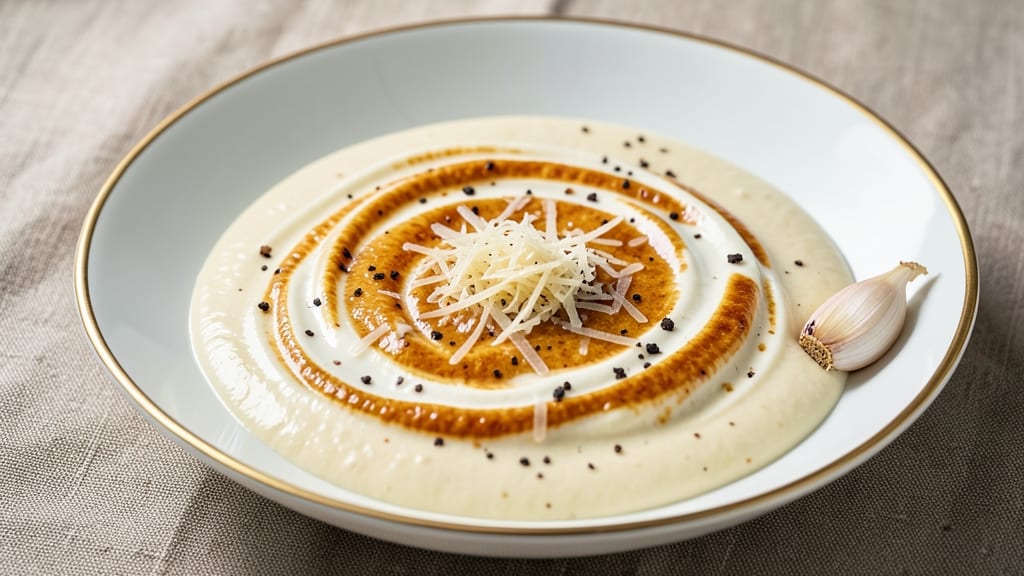
This Alfredo sauce recipe with milk and heavy cream delivers that signature ultra-rich, velvety texture without a single lump—no roux required. The secret lies in tempering the dairy gradually while whisking constantly, ensuring a smooth, restaurant-quality sauce every time.
I've perfected this method after years of testing, and it's now my go-to for creamy pasta dishes, chicken Alfredo, or even as a velvety dip.
The foundation of this recipe is simple: equal parts milk and heavy cream, combined with butter and flour to create a silky base. What sets it apart is the low-and-slow cooking technique, which develops depth of flavor while preventing curdling.
The sauce thickens beautifully on its own, thanks to the natural starch in the dairy, so no over-thickening or scraping the bottom of the pot.
By the time you're done, you'll have a luxuriously creamy sauce with a velvety mouthfeel and a subtle nutty richness from the Parmesan.
The texture is so smooth it clings to pasta like a second skin, while the flavor balances creaminess with just enough tang to keep it from tasting flat. This sauce keeps well in the fridge for up to 5 days, making it perfect for meal prep.
For extra depth, consider adding a clove of roasted garlic or a pinch of nutmeg while cooking. If you're watching calories, you can reduce the cream slightly and add a splash of chicken broth instead—it still delivers that signature Alfredo richness. Let's make this sauce!
Ingredients for alfredo sauce recipe with milk and heavy cream
Nine simple ingredients transform into ultra-smooth Alfredo sauce—no lumps, just velvety perfection.
| Ingredient | Amount | Notes |
|---|---|---|
| Unsalted Butter 🧈 | ½ cup | Cold, cubed for even melting |
| All-Purpose Flour 🌾 | ½ cup | Sifted for smooth texture |
| Whole Milk 🥛 | 1 cup | Room temperature preferred |
| Heavy Cream 🥛 | 1 cup | Full-fat for richness |
| Parmesan Cheese 🧀 | 1 cup | Freshly grated from block |
| Garlic Cloves 🧄 | 2 cloves | Minced for subtle aroma |
| Ground Nutmeg 🌿 | ¼ tsp | Freshly grated preferred |
| Salt 🧂 | ½ tsp | Kosher or sea salt |
| Black Pepper 🌶️ | ¼ tsp | Freshly ground preferred |
The dairy makes or breaks this sauce. Whole milk and heavy cream from the dairy section (not the ultra-pasteurized stuff) give the best texture. Trader Joe's or Whole Foods have the creamiest options, but your regular grocery store works too. For Parmesan, skip the pre-grated—it's full of anti-caking agents that ruin the melt. Grab a wedge and grate it yourself. The butter? European-style unsalted (like Plugrá) melts smoother than regular butter. If you're in a pinch, use salted and reduce the added salt by half.
No heavy cream? Half-and-half with an extra 2 tbsp cream cheese works in a bind. Fresh garlic is ideal, but jarred minced garlic at half the amount saves time. Nutmeg is optional but adds that signature depth—Penzeys sells pre-ground if you don't want to zest it. Want to lighten it up? Swap half the heavy cream for low-sodium chicken broth, but add an extra splash of milk to maintain creaminess. The sauce thickens as it cools, so don't over-thicken while cooking—it'll get there naturally.
This sauce gets better as it sits—10-15 minutes off heat lets the flavors meld. Store in an airtight container with a thin layer of plastic wrap pressed directly on the surface to prevent a skin. Keeps for 5 days in the fridge, freezes beautifully for 3 months. I like to freeze it in ice cube trays—just thaw and stir. Perfect for meal prep: make a double batch and use it all week on pasta, chicken, or as a dip.
Why You'll Love This Recipe
- Five-Ingredient Magic: I swear by this combo—just butter, flour, milk, cream, and Parmesan. That’s it. No fancy herbs or hidden spices lurking in the pantry. The richness comes from letting the heavy cream and milk meld with the roux, creating that velvety, almost too-smooth texture that’s impossible to resist.
- Weeknight Hero: Honestly, this is my go-to when I’m staring at a half-empty fridge at 7:30 PM. Toss in some fettuccine, and suddenly you’ve got dinner. The flour-butter base thickens fast, so you’re not stuck stirring for hours. By the time the pasta’s al dente, the sauce is ready—no waiting, no stress.
- Leftovers That Shine: Between us, store-bought Alfredo is not a leftovers friend—it separates, gets watery, or worse, tastes like regret. This version? Thickens beautifully when reheated. I make a double batch on Sundays, freeze half, and pull it out for lazy nights or when company drops by. Just add a splash of milk to loosen it up—no lumps, just pure comfort.
- Pasta Party Star: Here’s what sold me—this sauce works for everything. Fettuccine? Obviously. But also chicken, shrimp, roasted veggies, or even as a creamy dip for garlic bread. The Parmesan adds that salty punch, so you can dial up the richness or keep it balanced. My kids ask for it on pizza night, and my partner swears it’s better than takeout. (He’s not wrong.)
Step-by-step instructions for ultra-rich Alfredo sauce
Here's how to make creamy, velvety alfredo sauce that clings perfectly to pasta.
Create the Roux for Smooth Texture
Melt the 0.5 cup unsalted butter in a medium saucepan over medium-low heat. Once fully melted and bubbling gently, immediately whisk in the 0.5 cup all-purpose flour all at once. This creates a roux—the foundation of your sauce.
Cook the mixture for 2-3 minutes, stirring constantly with a wooden spoon or whisk. You want the roux to turn a pale golden color—this indicates the raw flour taste has cooked out completely. If it browns too quickly, reduce the heat slightly. The roux should coat the back of a spoon smoothly, with no gritty flour particles remaining.
Gradually Add Liquids to Prevent Lumps
With the heat still at medium-low, begin adding the 1 cup whole milk very slowly—about 1 tablespoon at a time, whisking vigorously after each addition. This gradual approach prevents lumps from forming as the milk incorporates into the roux.
After all the milk is added, increase heat to medium and let the sauce simmer for 5-6 minutes, stirring frequently. You'll see the sauce thicken noticeably as the starch in the flour activates. If you notice any lumps forming, immediately whisk them out—they should dissolve completely with proper whisking.
Incorporate Cream and Aromatics
Reduce heat to low and stir in the 1 cup heavy cream. The sauce should begin to thicken further as the cream heats through. Add the 2 minced garlic cloves and stir for 1 minute—just enough to infuse the sauce with subtle garlic aroma without letting it burn.
Next, sprinkle in the 0.25 teaspoon ground nutmeg, 0.5 teaspoon salt, and 0.25 teaspoon black pepper. Stir well to distribute these flavors evenly throughout the sauce. The nutmeg adds a warm, slightly sweet note that balances the richness of the cream and cheese.
Finish with Cheese for Ultimate Richness
Lower heat to lowest setting and begin adding the 1 cup freshly grated Parmesan cheese in small increments, whisking constantly. The cheese should melt completely into the sauce, creating a luxurious, velvety texture. If the sauce starts to look too thick, add 1-2 tablespoons of hot pasta water to reach your desired consistency.
Simmer the sauce for 2-3 minutes more, stirring occasionally. You're looking for a sauce that coats the back of a spoon smoothly but isn't gluey. The cheese should be fully melted with no visible chunks. Taste and adjust seasoning if needed—you might want to add a pinch more salt or pepper to taste.
Use Immediately for Best Results
Keep the sauce warm over low heat while you cook your pasta, adding occasional splashes of hot pasta water if it thickens too much. For the creamiest results, toss the drained pasta directly into the saucepan with the sauce and toss well to coat.
This sauce is at its absolute best when used immediately, as it continues to thicken slightly as it cools. If you need to store leftovers, cool them quickly in an ice bath, then refrigerate in an airtight container for up to 3 days. To reheat, warm gently over low heat, adding small amounts of milk or cream as needed to restore the creamy texture.
Pro Tips For Making Alfredo Sauce Recipe With Milk And Heavy Cream
- Melt Butter Slowly: Start with medium heat—no rush here. Unsalted butter burns faster than you’d think, and once that nutty aroma turns acrid, your sauce is ruined. Let it foam gently before adding flour, or you’ll end up with a grainy mess instead of a smooth roux.
- Whisk Like You Mean It: The moment you add milk to the butter-flour mix, stop stirring and grab that whisk. I learned this after making a lumpy batch that looked like cottage cheese in a pan. Aggressive whisking for the first 2 minutes prevents clumping, and the sauce will thicken faster than if you just stir lazily.
- Cheese Last, Not First: Grating Parmesan directly into the hot sauce? Bad idea. The heat melts the fat first, leaving you with a stringy, oily mess. Instead, mix the grated cheese with a splash of cold heavy cream off to the side, then stir it in at the very end—this keeps the texture silky and the flavor balanced.
- Temper the Cream: Cold heavy cream straight from the fridge in a hot sauce? That’s how you get curdled dairy. Warm the cream in the microwave for 20 seconds or heat it gently in a separate saucepan until it’s lukewarm before adding it to the roux. Your sauce will thank you with a velvety finish.
Dietary considerations for these flavors
Dairy-Free Adaptations
For a dairy-free Alfredo, replace the heavy cream with 1 cup full-fat coconut milk (canned, not the carton kind) and use 1 cup unsweetened almond milk instead of whole milk.
Swap the Parmesan for 1 cup nutritional yeast (it has a cheesy flavor) plus 2 tablespoons white miso paste for depth. The texture will be slightly lighter but still creamy—just whisk vigorously to avoid separation. 🌱
Gluten-Free Option
This sauce is naturally gluten-free if you use gluten-free all-purpose flour (like Bob's Red Mill 1:1) instead of regular flour. The roux technique remains the same, but cook the flour mixture for 1-2 minutes longer since gluten-free flours absorb moisture differently.
For extra richness, add 1 tablespoon cornstarch to the roux to help thicken the sauce properly. Always taste and adjust—gluten-free versions can sometimes need a bit more liquid.
Lower-Calorie Version
Cut calories by reducing the heavy cream to ½ cup and replacing the other ½ cup with low-sodium chicken broth. Use ½ cup low-fat milk instead of whole milk, and reduce the butter to ¼ cup.
The sauce will still be creamy but lighter—balance it with 1 extra tablespoon of cornstarch in the roux to maintain thickness. For a cheesy flavor without the fat, add ¼ cup light cream cheese at the end. Every little swap adds up!
Lactose-Free Adjustments
Lactose-intolerant cooks can use lactose-free heavy cream and lactose-free milk (like Lactaid) while keeping the butter and Parmesan. The key is to whisk constantly when combining the dairy to prevent curdling. For extra insurance, add the cheese last and keep the heat very low—this minimizes lactose breakdown.
The result is just as smooth, with no digestive issues afterward. Trust me, it works!
Vegan Substitutes
For a fully vegan Alfredo, blend ½ cup raw cashews (soaked overnight) with ½ cup water until smooth, then use this instead of the butter-flour roux. Replace the dairy with 1 cup coconut cream (the thick part from a can) and ½ cup unsweetened soy milk.
Add 1 tablespoon nutritional yeast and ½ teaspoon turmeric for color and cheesiness. The texture will be richer than store-bought vegan sauces—just don't overcook it or it'll separate. ✨
Nutrition facts
Frequently asked questions
Why does my Alfredo sauce get lumpy?
Lumps happen when dairy and flour mix too quickly or heat isn't controlled. The key is adding milk 1 tablespoon at a time while whisking constantly over medium-low heat. If lumps form, immediately whisk them out—they'll dissolve as the sauce heats. Never let the sauce boil, as that causes curdling.
Can I make this sauce without butter?
Yes! Replace the 0.5 cup butter with 0.5 cup olive oil or 0.4 cup vegetable oil for a lighter version. The roux will still form, though oil-based sauces may have a slightly different mouthfeel. For richness, add an extra 2 tablespoons cream cheese at the end. The sauce will still be velvety, just with a different flavor profile.
How do I adjust the thickness for different pasta shapes?
For long pasta (spaghetti, linguine), keep the sauce slightly thinner—add 1-2 tablespoons hot pasta water at the end. For short pasta (penne, rigatoni), make it thicker to coat each piece. The sauce thickens as it cools, so test it 5 minutes off heat—it should coat the back of a spoon but still flow smoothly.
What's the best way to reheat leftover Alfredo sauce?
Reheat gently over low heat and stir in 1-2 tablespoons milk or cream to restore creaminess. Never microwave directly—it causes separation. For extra smoothness, whisk in a splash of warm water or broth. If the sauce is too thick, thin it with a bit more dairy. Always reheat to 165°F to kill bacteria. The texture won't be as velvety as fresh, but it'll still taste amazing!
Can I make this sauce ahead of time?
Make it 1 day ahead and store in an airtight container with plastic wrap pressed directly on the surface to prevent a skin. Refrigerate for up to 5 days. For longer storage, freeze in ice cube trays—thaw and stir to use. The flavor actually improves overnight as ingredients meld. Just reheat gently and adjust thickness with a splash of milk or cream.