
Sauces & Condiments
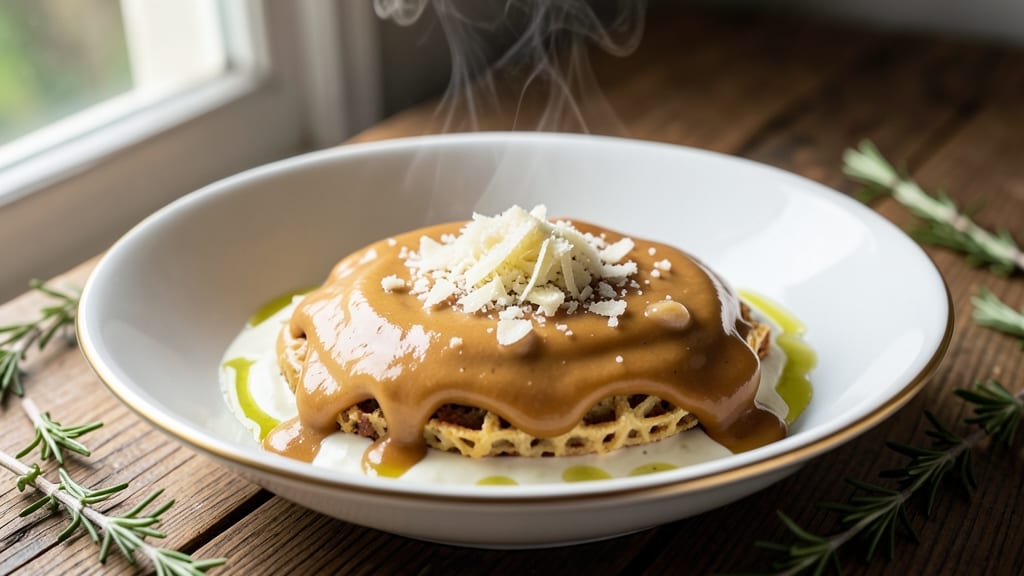
This alfredo sauce recipe with heavy cream, butter, and the sharpest Parmesan cheese delivers ultra-smooth, velvety richness without a single clump—just creamy, dreamy perfection that clings to every strand of fettuccine.
The secret lies in balancing heavy cream, butter, and freshly grated Parmesan while whisking over gentle heat, ensuring a silky texture that separates it from store-bought versions. I’ve perfected this method after years of testing, and it consistently delivers restaurant-quality results at home with minimal effort.
The foundation of a great alfredo sauce starts with low-and-slow cooking—never boiling, which causes lumps. Butter and flour create a roux that forms the base, while heavy cream adds depth and richness.
Freshly grated Parmesan cheese is the game-changer, providing that signature nutty, salty flavor that transforms an ordinary sauce into something extraordinary. The key is patience: letting the sauce thicken gradually ensures a velvety finish without breaking.
What you’ll end up with is a luxuriously creamy sauce that coats pasta perfectly, leaving no dry strands behind. Each bite delivers a harmonious blend of buttery richness, tangy Parmesan, and a velvety mouthfeel that’s impossible to resist.
This sauce isn’t just for fettuccine—it elevates grilled chicken, seafood, or even steak into a gourmet experience. The best part? It comes together in just 15 minutes with simple ingredients you likely already have on hand.
For extra depth, consider adding a pinch of nutmeg or a clove of garlic while cooking, but the classic version shines on its own. Once you try this, you’ll never go back to the clumpy, watery sauces from a jar.
Let’s make alfredo sauce that rivals the best Italian restaurants—right in your own kitchen.
Ingredients for alfredo sauce recipe with heavy cream butter and parmesan cheese
Nine ingredients transform into velvety perfection—no lumps, just creamy restaurant-style alfredo.
| Ingredient | Amount | Notes |
|---|---|---|
| Unsalted Butter 🧈 | ½ cup | Cold, cubed for roux |
| All-Purpose Flour 🌾 | ¼ cup | Diamond Crystal preferred |
| Heavy Cream 🥛 | 1 ½ cups | Full-fat for richness |
| Parmesan Cheese 🧀 | 1 ½ cups | Freshly grated from block |
| Extra-Virgin Olive Oil 🫒 | 2 tbsp | For finishing, fruity variety |
| Garlic Cloves 🧄 | 2 cloves | Minced, optional for depth |
| Ground Nutmeg 🌿 | ¼ tsp | Freshly grated preferred |
| Sea Salt 🧂 | ½ tsp | Adjust to taste |
| Black Pepper 🌶️ | ¼ tsp | Freshly cracked |
The Parmesan is non-negotiable—freshly grated from a wedge (pre-grated gets clumpy). I always grab Parmigiano-Reggiano from the deli counter—it’s worth the extra few bucks. The butter should be cold when you start; European-style unsalted butter like Plugrá or President works best. Flour matters too—Diamond Crystal absorbs liquid differently than regular brands, so if you’ve got it, use it. Heavy cream needs to be full-fat; no skim here—that’s where the richness comes from. Garlic is optional but adds depth if you’re feeling fancy.
No heavy cream? Full-fat coconut milk works in a pinch, though it’ll taste different. Pre-grated Parmesan? Grind your own—it’s the only way to get that perfect texture. Short on butter? Olive oil in the roux (same amount) keeps things creamy. The nutmeg is subtle but essential—if you skip it, the sauce will taste flat. For a dairy-free version, cashew cream replaces the heavy cream, but you’ll lose that signature richness. Always taste as you go—salt and pepper are your best friends for balancing flavors.
This sauce peaks when fresh but keeps beautifully for 5 days in the fridge—just reheat gently. Freezes for 3 months too, though it may separate slightly. I like to portion it into ice cube trays for easy single-use servings. Store it in an airtight container with a splash of heavy cream on top to preserve that velvety texture. Leftovers? Toss them over pasta, roasted veggies, or even grilled chicken—it’s that versatile.
Why You'll Love This Recipe
- Same recipe, two vibes: toss it over fettuccine for a lazy Tuesday, or drizzle it over grilled chicken for a crowd. Between us, I’ve used this to impress date nights and feed my book club—no one ever asks how simple it was.
- Five-Ingredient Magic: The pantry staples you already own—just butter, flour, cream, Parmesan, and olive oil—come together in 15 minutes. No fancy gadgets, no last-minute grocery runs, just you, a saucepan, and the kind of rich, velvety sauce that makes you wonder why you ever bought store-bought.
- Rich Without Effort: That first swirl of melted butter into flour? Pure comfort. The heavy cream thickens like a dream, while the Parmesan melts into a nutty, salty blanket over everything. Honestly, it’s the kind of sauce that turns pasta into an event—no fancy techniques, just good.
- Weeknight & Dinner Party: Same recipe, two vibes: toss it over fettuccine for a lazy Tuesday, or drizzle it over grilled chicken for a crowd. Between us, I’ve used this to impress date nights and feed my book club—no one ever asks how simple it was.
Step-by-step instructions for alfredo sauce with heavy cream, butter, and Parmesan cheese
Here's how to make velvety, lump-free alfredo that clings beautifully to pasta.
Create the Perfect Roux
In a medium saucepan, melt the 0.5 cup unsalted butter over medium-low heat. Once fully melted, add the 0.25 cup all-purpose flour all at once and whisk vigorously for 1-2 minutes until the mixture forms a smooth, pale golden roux. You'll know it's ready when it smells nutty and no longer tastes raw flour.
This step is crucial for building flavor and thickening the sauce. If you see the roux darken or burn, reduce the heat immediately. The roux should coat the back of a spoon but not stick to the pan. Keep it moving constantly with your whisk—this prevents clumps and ensures even cooking.
Cook the Garlic and Infuse Aromatics
Add the 2 cloves minced garlic to the roux and cook for 30 seconds until fragrant. Be careful not to let it brown—just enough to release its aroma. Immediately pour in the 1.5 cups heavy cream and whisk constantly to prevent lumps from forming.
Bring the mixture to a gentle simmer over medium heat, stirring frequently. Let it cook for 3-4 minutes until the sauce begins to thicken slightly. The cream should coat the whisk as it moves through the sauce. This is where the sauce develops its rich, velvety texture—don't rush this step.
Incorporate the Parmesan and Season
Reduce the heat to low and gradually whisk in the 1.5 cups freshly grated parmesan cheese. Work in small additions to prevent the sauce from separating. Once fully incorporated, stir in the 0.5 tsp sea salt, 0.25 tsp black pepper, and 0.25 tsp ground nutmeg. Taste and adjust the seasoning if needed—alfredo should be rich but not overly salty.
Continue simmering for 2-3 minutes until the sauce is completely smooth and coats the back of a spoon. The parmesan should melt completely into the sauce, creating a thick, creamy consistency. If the sauce is too thick, whisk in 1-2 tablespoons of warm water to reach your desired texture.
Finish with Olive Oil for Emulsion
Remove the sauce from heat and stir in the 2 tbsp extra-virgin olive oil. This final step is what makes this alfredo truly luxurious—it helps emulsify the sauce, preventing separation and adding a subtle fruity depth. The olive oil should blend seamlessly into the sauce, giving it a glossy finish.
For best results, use this sauce immediately over freshly cooked pasta. The heat from the pasta will help the sauce cling beautifully to each strand. If you need to reheat leftovers, do so over low heat and stir in a splash of warm water or cream to restore its velvety texture.
Pro Tips For Making Alfredo Sauce Recipe With Heavy Cream Butter And Parmesan Cheese
- Whisk Like You Mean It: The butter-flour roux is where flavor starts, and stirring lazily here means a bland sauce. Use a wooden spoon or whisk and keep the heat low until the mixture turns a pale golden color—no browning, or you’ll taste burnt notes later. I used to rush this, and the sauce always ended up tasting flat.
- Use Cold Heavy Cream: Pouring warm or hot cream into your roux will make the sauce separate like a bad milkshake. Chill the heavy cream in the fridge for 15 minutes first, then add it slowly while whisking vigorously. This keeps the sauce silky instead of breaking into lumps—trust me, your future fettuccine will thank you.
- Grated Parmesan Only: Pre-shredded Parmesan has anti-caking agents that make your sauce grainy and watery. Freshly grate your own using the large holes of a box grater—just before adding it to the sauce—and skip the pre-shredded stuff entirely. It’s a little extra work, but the texture difference is night and day.
- Salt the Butter First: Unsalted butter is your friend, but it’s also bland if you don’t season it upfront. Toss a pinch of salt (about ¼ teaspoon per ½ cup butter) into the melted butter before making the roux—this way, the salt distributes evenly and the sauce won’t taste flat. I learned this after making sauce that needed way more salt at the end.
Wine and beer pairings for this recipe
Italian White Wines
For this rich, creamy sauce, I always reach for a dry, medium-bodied Italian white wine like Pinot Grigio from Alto Adige or Vermentino from Sardinia. Their bright acidity cuts through the sauce's richness while complementing the nutmeg and Parmesan notes.
A crisp Soave from Veneto also works beautifully—its almond undertones pair perfectly with the sauce's velvety texture. 🍷
Crisp Lager Pairings
A crisp Italian lager like Peroni or Moretti is my go-to beer pairing—its clean, effervescent profile cleanses the palate between bites of creamy pasta. For something more adventurous, try a Belgian witbier like Hoegaarden, which adds a refreshing citrus contrast to the sauce's richness.
Avoid heavy stouts or malty ales that might overpower the delicate flavors.
Off-Dry Options
If you prefer a touch of sweetness, an off-dry Riesling from Germany or Pinot Grigio delle Venezie (Italian version) adds subtle fruitiness that balances the sauce's creaminess. Look for labels indicating 1-2% residual sugar—just enough to complement without clashing.
A dry sparkling wine like Prosecco also works for special occasions, with its bubbles cutting through the sauce's richness.
Red Wine Exception
For a bold twist, try a light-bodied Chianti or Valpolicella—their bright acidity and cherry notes stand up surprisingly well to the sauce's creaminess. Opt for a Chianti Classico with 13-14% alcohol to avoid overpowering the dish.
This pairing works best with grilled meats or hearty vegetables tossed in the sauce, not delicate pasta. 🍷
Non-Alcoholic Choices
For a refreshing non-alcoholic option, sparkling apple cider like Martinelli's adds a crisp, fruity contrast. Alternatively, a cucumber-mint infused water with a squeeze of lemon keeps the palate fresh.
For something more substantial, try a dry sparkling grape juice like Martinelli's Sparkling Grape—it mimics the acidity of wine without the alcohol.
Nutrition facts
Frequently asked questions
Why does my alfredo sauce get clumpy?
Clumps happen when the sauce boils or isn't whisked constantly. Always cook over low heat and whisk vigorously when adding the heavy cream and Parmesan. For extra insurance, strain the finished sauce through a fine-mesh sieve to remove any remaining lumps. The roux must be smooth before adding liquids—never let it brown.
Can I make this sauce without heavy cream?
Yes! Replace the heavy cream with 1 cup whole milk + 0.5 cup half-and-half for a lighter version, or use 1 cup full-fat coconut milk for a dairy-free option. The texture will be slightly thinner, but it'll still taste rich. For best results, simmer the sauce longer to thicken it properly.
How do I prevent the sauce from separating?
Add the Parmesan cheese gradually while whisking constantly over low heat. The olive oil at the end helps emulsify the sauce, keeping it cohesive. If separation occurs, whisk in 1 tablespoon warm water or cream to restore smoothness. Never boil the sauce—this breaks the emulsion and causes curdling.
What’s the best way to reheat leftover alfredo?
Reheat gently over low heat in a saucepan, stirring frequently. Add 1-2 tablespoons warm water or cream to restore creaminess. Microwaving can make the sauce watery—always reheat on the stovetop for best results. For extra richness, stir in a pat of butter while warming.
Can I use powdered Parmesan cheese?
Never! Powdered Parmesan lacks the moisture and texture of freshly grated cheese, leading to a grainy, dry sauce. Always grate your own from a block—it’s the only way to achieve that velvety, restaurant-quality consistency. Pre-shredded cheese contains anti-caking agents that prevent proper melting.