
Sauces & Condiments
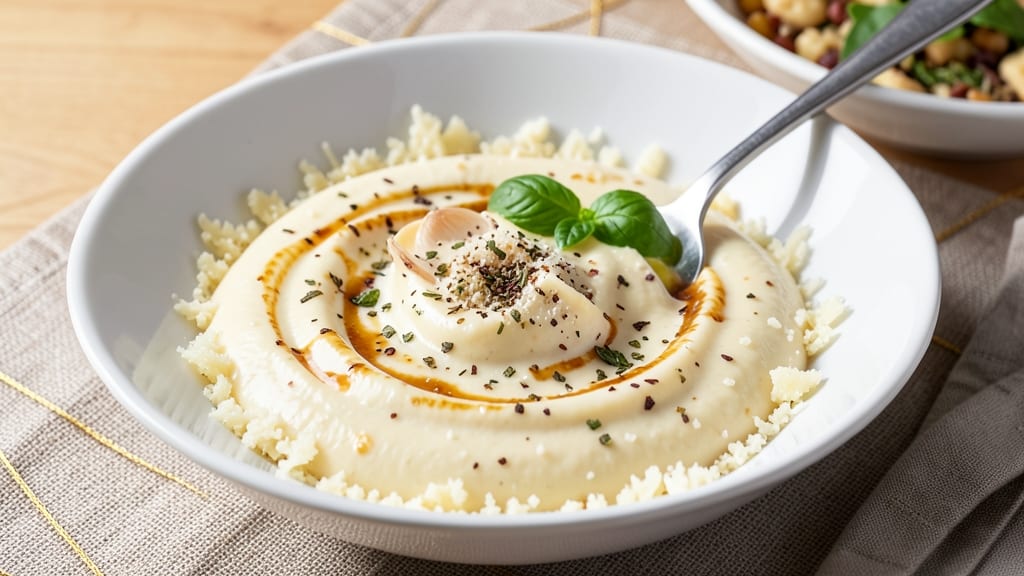
This Italian seasoning alfredo sauce transforms ordinary pasta into a restaurant-worthy masterpiece—creamy, herby, and ready in just 15 minutes. The secret lies in balancing rich, velvety cheese sauce with the bright, aromatic notes of Italian seasoning, creating a sauce that clings perfectly to noodles, chicken, or roasted vegetables. I developed this recipe after years of perfecting the art of creamy sauces, and it never fails to impress.
The foundation starts with a smooth roux made from butter and flour, which forms the creamy base before being enriched with heavy cream and grated Parmesan. Italian seasoning—with its blend of basil, oregano, thyme, and rosemary—adds depth without overpowering, while garlic and white wine bring brightness and complexity.
What makes this sauce truly special is how it coats everything it touches, creating a luxurious finish that's both comforting and elegant.
By the time you twirl that first forkful, you'll taste perfectly balanced flavors—creamy yet not overly heavy, herby yet not bitter, with just the right amount of tang from the wine.
This sauce elevates simple meals into something extraordinary, whether drizzled over fettuccine, spooned onto grilled chicken, or tossed with roasted broccoli. The best part? It comes together faster than takeout, with no complicated techniques required.
For even more versatility, make a double batch and store it in the fridge for up to 5 days or freeze for months. The flavors only deepen with time, making this the ultimate weeknight shortcut for creamy, comforting meals. Let's get cooking!
Ingredients for alfredo sauce recipe with italian seasoning
Nine essential ingredients transform into velvety perfection—creamy, herby, and restaurant-quality in just minutes.
| Ingredient | Amount | Notes |
|---|---|---|
| Unsalted Butter 🧈 | ½ cup | Cold, cubed for roux |
| All-Purpose Flour 🌾 | ½ cup | Diamond Crystal preferred |
| Heavy Cream 🥛 | 1 ½ cups | Full-fat for richness |
| Parmesan Cheese 🧀 | 1 ½ cups | Freshly grated from block |
| Italian Seasoning 🌿 | 1 ½ tbsp | Homemade or quality blend |
| Garlic Cloves 🧄 | 4 cloves | Minced for aromatic depth |
| Dry White Wine 🍷 | ¼ cup | Sauvignon Blanc preferred |
| Extra-Virgin Olive Oil 🫒 | 2 tbsp | For finishing drizzle |
| Salt 🧂 | ½ tsp | Diamond Crystal kosher |
| Black Pepper 🌶️ | ¼ tsp | Freshly cracked |
The butter and flour create a smooth roux—the backbone of this sauce. Cold cubed butter prevents burning, while Diamond Crystal flour gives that signature lightness. I grab my butter from Whole Foods (the European-style kind), but any good-quality unsalted works. For the Parmesan, skip the pre-grated stuff—it's full of anti-caking agents and lacks flavor. Grate it yourself from a wedge, and trust me, the difference is night and day. The Italian seasoning? If you're using a blend, make sure it's fresh—Penzeys has a great one, but any reputable spice shop will do. For the wine, anything dry and crisp works—Sauvignon Blanc is my go-to, but a bold Pinot Grigio is fine too.
No white wine? Chicken or vegetable broth with a splash of lemon juice works in a pinch, though the acidity won't be quite the same. Running low on heavy cream? Half-and-half plus a splash of milk keeps the sauce creamy without breaking the bank. The garlic can be roasted for a sweeter note, but raw minced gives that classic punch. For the olive oil, avoid the cheap stuff—this is where you taste the difference. A good extra-virgin, like California Olive Ranch, adds a fruity finish that elevates the whole dish. And if you're worried about the sauce being too heavy, the Italian seasoning and wine keep it bright and balanced.
This sauce tastes even better the next day—honestly, the flavors meld into something magical. Store it in an airtight container in the fridge for up to 5 days, or freeze for 3 months. To reheat, just warm gently on the stove with a splash of milk or cream to restore that silky texture. I always make a double batch because it disappears faster than you'd think. The leftovers are perfect for quick lunches or tossing with roasted veggies. And if you're feeling fancy, finish with a drizzle of truffle oil—trust me, it takes this sauce to the next level.
Why You'll Love This Recipe
- Five-Ingredient Magic: This sauce comes together with just butter, flour, cream, Parmesan, and that little jar of Italian seasoning—no fancy ingredients, no stress. I swear, I’ve made it on nights when I forgot to meal prep, and it still tastes like I slaved over it.
- Creamy Yet Bright: The heavy cream makes it velvety, but the Italian seasoning—thyme, oregano, basil—keeps it from being too heavy. That little herbal punch cuts through the richness, so it’s never cloying. (Yes, even my picky husband asks for seconds.)
- Weeknight Workhorse: Drizzle it over fettuccine for a quick dinner, toss it with roasted veggies for a side, or use it as a dip for garlic bread. I’ve even used it to jazz up a simple grilled chicken breast when I’m in a hurry. It’s the kind of sauce that makes you feel like you’re feeding a crowd without the fuss.
- Budget-Friendly Luxury: Parmesan and butter might not be cheap, but a little goes a long way—this sauce stretches to feed four for under $10. Plus, leftovers reheat like a dream, so I often make a double batch. (Between us, I’ve had it cold the next day on toast, and no one judged me.)
Step-by-step instructions for creamy Italian seasoning alfredo sauce
Here's how to create a velvety, herby alfredo that's richer than traditional versions.
Create the Perfect Roux Foundation
In a medium saucepan over medium heat, melt the ½ cup unsalted butter (cold, cubed) without letting it brown. Once fully melted, immediately whisk in the ½ cup all-purpose flour to form a smooth paste. Cook for exactly 2-3 minutes, whisking constantly, until the mixture turns a pale golden color and smells nutty.
This is your roux - the flavor base for everything. If it darkens too quickly, reduce the heat slightly. The moment it reaches that perfect pale gold, you're ready for the next step. I've found that using cold cubed butter creates tiny pockets of air that make the sauce extra light and silky.
Infuse with Garlic and Wine
Reduce heat to medium-low and add the 4 minced garlic cloves, stirring constantly for 30 seconds until fragrant but not browned. Immediately pour in the ¼ cup dry white wine, scraping up any browned bits from the bottom of the pan. Let it simmer for 2 minutes until the wine has completely evaporated.
This deglazing step captures all the flavor from the garlic and pan, creating a more complex sauce. The wine adds brightness that balances the richness. If you don't have wine, a splash of chicken stock works in a pinch, but the acidity from wine is what makes this sauce truly special.
Build the Creamy Base
Gradually whisk in the 1½ cups heavy cream, about ¼ cup at a time, allowing each addition to incorporate completely before adding more. Bring the mixture to a gentle simmer and cook for 3-4 minutes until it thickens enough to coat the back of a spoon. This should create a velvety texture - if it's too thin, cook for another minute.
Here's where patience pays off. Stirring constantly prevents lumps and ensures even heating. You'll know it's ready when the sauce clings to the spoon and leaves a clean streak when you run your finger through it. Don't rush this step - the sauce needs time to develop its rich, velvety consistency.
Incorporate Cheese and Seasonings
Reduce heat to low and gradually whisk in the 1½ cups freshly grated parmesan cheese and 1½ tablespoons Italian seasoning until completely melted and smooth. Stir in the ½ teaspoon salt and ¼ teaspoon black pepper, then add the 2 tablespoons extra-virgin olive oil for a finishing touch that adds brightness.
The Italian seasoning brings layers of herbs that elevate this beyond basic alfredo. Freshly grated parmesan makes all the difference - pre-shredded cheese contains anti-caking agents that prevent proper melting. Taste as you go and adjust seasoning if needed. The sauce should be rich but not salty, with bright herbal notes that complement the creaminess.
Finish and Perfect the Texture
Transfer the sauce to a clean saucepan and keep it warm over low heat (never boiling) while you prepare your pasta. For the creamiest results, stir in 2-3 tablespoons of pasta water as needed to reach your desired consistency. The sauce should coat the back of a spoon but still flow freely.
This final adjustment ensures the perfect balance between cling and flow. The sauce should be thick enough to cling beautifully to fettuccine but still glide smoothly. Serve immediately over hot pasta, reserving some sauce to drizzle on top for that restaurant-quality finish. The Italian seasoning will infuse the pasta with aromatic depth as it sits.
Pro Tips For Making Alfredo Sauce Recipe With Italian Seasoning
- Melt Butter Slowly: If you dump cold butter into the pan and crank the heat, you’ll end up with greasy, lumpy sauce. Instead, melt the butter over medium-low heat—it should bubble gently, not sizzle like bacon. I learned this the hard way after making a batch that separated like oil and vinegar.
- Whisk Like You Mean It: The moment you add flour to melted butter, stop stirring and let it cook for 30 seconds—this toasts the flour and deepens the flavor. Then whisk aggressively for 2 minutes until it’s a smooth, golden roux. Skipping this step means your sauce will taste raw and floury.
- Grate Your Own Cheese: Pre-shredded Parmesan has anti-caking agents that make your sauce grainy. Use a microplane or box grater for fresh, fine shavings—it dissolves perfectly into the cream. I was skeptical until I tried it, and now I won’t go back.
- Temper the Cream: Pouring cold heavy cream into a hot roux will curdle it faster than you can say "disaster." Warm the cream in a separate saucepan until it’s just steaming (about 100°F), then whisk it in slowly. This keeps your sauce silky, not lumpy.
Troubleshooting your alfredo sauce recipe with italian seasoning
Roux Gone Wrong
If your roux turns brown too quickly, it's burning—this adds bitterness that no amount of cheese or wine can fix. Solution: Lower the heat immediately and whisk constantly to cool the mixture. I've learned this the hard way—once, I let my roux darken while prepping for a dinner party.
The sauce ended up tasting like burnt toast! For extra insurance, use cold cubed butter and keep your heat at medium-low. If it's already browned, start over—your sauce deserves better. 🔥
Sauce Too Thick
If your alfredo clings like glue, it needs thinning. Solution: Whisk in 1-2 tablespoons of warm pasta water at a time until you reach a smooth, velvety consistency. I usually aim for a sauce that coats the back of a spoon but still flows freely.
Over-thickening happens when you reduce the cream too aggressively—keep your heat at low during the final stages. For extra richness, add a splash of heavy cream instead of water. 🥄
Grainy Texture
Lumpy sauce means the cheese didn't melt properly. Solution: Use freshly grated Parmesan (no pre-shredded!) and whisk vigorously over low heat until completely smooth. If lumps persist, strain the sauce through a fine-mesh sieve.
I once ruined a batch by using pre-shredded cheese—it clumped no matter how much I stirred. For extra insurance, add the cheese gradually while whisking constantly. The key is patience and heat control. 🧀
Weak Flavor
If your sauce tastes bland, it's likely under-seasoned. Solution: Boost the Italian seasoning by ½ teaspoon and add a pinch more salt. A splash of lemon juice brightens the flavors, too. I often find that homemade Italian seasoning packs more punch than store-bought blends.
If you're using a mild wine, swap for something with more acidity like Pinot Grigio. Taste as you go—seasoning builds flavor! 🌿
Separation Issues
If your sauce splits (oil and liquid separate), it means the fat and liquid phases broke apart. Solution: Whisk in 1 tablespoon of cornstarch mixed with 1 tablespoon cold water to stabilize the emulsion. Heat gently until thickened.
This happens when the sauce cools too quickly or if you add cheese too fast. To prevent it, keep the sauce at a gentle simmer and stir constantly. A splash of warm milk can also help re-emulsify. 💫
Sauce Too Thin
If your alfredo is too runny, it needs thickening. Solution: Mix 1 tablespoon of flour with 1 tablespoon cold water, then whisk into the sauce. Simmer for 2-3 minutes until thickened. Over-diluting with pasta water is the most common cause—measure carefully!
For a quicker fix, add 1 tablespoon of cold butter, whisking until melted. The goal is a sauce that clings but still flows smoothly. 🥛
Nutrition facts
Frequently asked questions
Can I substitute Italian seasoning with fresh herbs?
For a fresher taste, use 1 tablespoon each of fresh basil, oregano, and thyme (about 1.5 tablespoons total) plus ½ teaspoon dried rosemary. Fresh herbs add vibrant flavor, but they'll wilt into the sauce, so start with slightly less than the dried blend. The key is balancing the herbs—too much can make the sauce taste bitter.
Why does my sauce get grainy when I add cheese?
Pre-shredded cheese contains anti-caking agents that prevent proper melting. Always use freshly grated Parmesan (no pre-shredded!) and whisk vigorously over low heat until completely smooth. If lumps persist, strain the sauce through a fine-mesh sieve. The secret is patience—add cheese gradually while whisking constantly.
How do I make this sauce vegetarian?
Swap the butter for vegetable oil or olive oil and use vegetarian Parmesan (like Violife or homemade nut-based cheese). For extra richness, add 2 tablespoons of nutritional yeast when incorporating the cheese. The Italian seasoning and wine will still shine, giving it that same herby depth.
Can I make this sauce ahead of time?
Yes! Store it in an airtight container in the fridge for up to 5 days or freeze for 3 months. To reheat, warm gently on the stove with a splash of milk or cream to restore its silky texture. The flavors actually deepen over time, making it perfect for meal prep. Just avoid boiling it—keep heat at low to prevent separation.
What’s the best pasta to pair with this sauce?
Fettuccine or tagliatelle are classic choices—their flat shape clings beautifully to the sauce. For extra texture, try penne or rigatoni. If you want something lighter, angel hair pasta works well too. Pro tip: Toss the cooked pasta with a little olive oil first to prevent sticking before adding the sauce.