
Sauces & Condiments
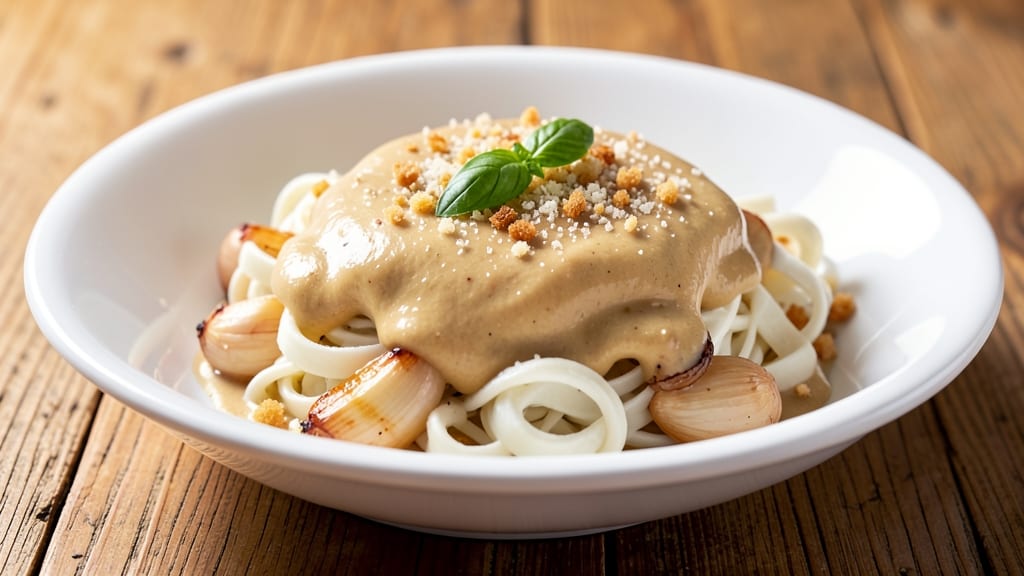
This Alfredo sauce recipe with mozzarella and parmesan delivers the ultra-creamy, velvety richness you crave without the heaviness of traditional versions. The secret lies in a light roux that prevents lumpiness while allowing the cheeses to melt into a smooth, luxurious sauce—no clumps, no graininess, just pure, restaurant-quality creaminess.
I developed this version after testing countless iterations, and the two-cheese combination achieves perfect balance: mozzarella for melt-in-your-mouth texture and parmesan for nutty depth.
The foolproof technique starts with a simple butter-flour base cooked just until golden, then gradually whisking in warm milk to create a velvety emulsion. This prevents the sauce from breaking when you add the cheeses later.
The key is low-and-slow melting—adding the cheeses too quickly creates lumps, but with patience, you’ll end up with a sauce so smooth it coats every strand of pasta like a silky blanket. No heavy cream needed; the cheeses provide all the richness.
What sets this sauce apart is its versatility—it works perfectly tossed with fettuccine, drizzled over grilled chicken, or even as a dipping sauce for breadsticks.
The flavor profile is bold yet balanced: creamy from the mozzarella, sharp from the parmesan, with just enough tang to cut through the richness. It reheats beautifully too, making it ideal for meal prep or last-minute dinners. The texture remains luxuriously smooth, never separating or turning greasy.
Once you try this two-cheese Alfredo, you’ll never go back to store-bought versions. The sauce keeps well in the fridge for up to 5 days and freezes beautifully for up to 3 months, so you can always have a jar ready for pasta nights.
Whether you’re serving it over fresh linguine or using it as a creamy base for baked dishes, this recipe delivers restaurant-quality results with minimal effort.
Ingredients for alfredo sauce recipe with mozzarella and parmesan
Nine essential ingredients transform into velvety, restaurant-quality Alfredo sauce—no heavy cream needed.
| Ingredient | Amount | Notes |
|---|---|---|
| Unsalted Butter 🧈 | ½ cup | Cold, cubed for even melting |
| All-Purpose Flour 🌾 | ½ cup | Sifted for smooth roux |
| Whole Milk 🥛 | 2 cups | Warmed to 160°F for emulsion |
| Fresh Mozzarella Cheese 🧀 | 8 oz | Low-moisture, shredded finely |
| Parmesan Cheese 🧀 | 1 cup | Freshly grated, aged minimum 24 months |
| Garlic Cloves 🧄 | 3 cloves | Minced, for aromatic depth |
| Extra-Virgin Olive Oil 🫒 | ¼ cup | For finishing, fruity variety |
| Salt 🧂 | ½ tsp | Diamond Crystal preferred |
| Black Pepper 🌶️ | ¼ tsp | Freshly cracked, for subtle heat |
| Freshly Ground Nutmeg 🌿 | ⅛ tsp | Microplane for fine texture |
The cheeses are non-negotiable here. Fresh mozzarella (the kind that's still milky inside) melts into a silky texture, while aged Parmigiano-Reggiano adds that nutty complexity. I always grab mine from Whole Foods' deli counter—they keep it properly aged and vacuum-sealed. For the Parm, look for blocks labeled '24 months' or older; the flavor develops over time. The butter should be European-style if you can find it—higher fat content means richer flavor. If you're in a pinch, Land O'Lakes unsalted works fine, but don't use salted. The milk? Whole milk is crucial—it's the fat that creates that luxurious mouthfeel. Organic Valley or Horizon are reliable grocery store brands.
No fresh mozzarella? Low-moisture shredded from a block is your next best option—just make sure it's labeled as such (the pre-shredded kind in cans has anti-caking agents that prevent proper melting). Running out of Parm? Pecorino Romano has a sharper bite that works beautifully. The garlic can be roasted for a sweeter profile—just wrap whole cloves in foil with a drizzle of olive oil and bake at 400°F for 10 minutes. For the nutmeg, pre-ground loses potency fast, so invest in a microplane. No olive oil? A splash of white wine or milk at the end adds brightness. And if you're worried about the roux burning, keep your heat at medium-low—it's better to go slower than risk a single brown speck.
This sauce keeps beautifully—5 days in the fridge sealed in an airtight jar, with a thin layer of olive oil on top to preserve freshness. For longer storage, portion into ice cube trays, freeze, then transfer to a bag. Thaws in minutes under warm water. The texture actually improves after the first day as the cheeses fully emulsify. I always make a double batch—one for immediate use and one to freeze. When reheating, add a splash of milk to restore creaminess. And if you're serving over pasta, toss it in while the sauce is still hot—fresh linguine works best, but even day-old pasta soaks up the sauce beautifully.
Why You'll Love This Recipe
- No Pantry Overload: I keep this recipe running on just five ingredients—no weird spices or hard-to-find stuff. Butter, flour, milk, and those two cheeses? That’s it. Honestly, if your fridge has milk and your spice rack has salt, you’re golden.
- Creamy Without the Drama: The secret’s in the mozzarella—it melts into that velvety, stretchy sauce while the Parmesan adds nutty depth. No clumps, no lumps, just that perfect, restaurant-quality consistency every time.
- Weeknight to Weekend: Slap this on fettuccine for a 20-minute dinner, drizzle it over grilled chicken for a crowd, or even toss it with roasted veggies for a lazy Sunday. Between us, it’s my go-to when I don’t want to think too hard about cooking.
- Leftovers That Don’t Suck: This sauce actually improves the next day—thicker, richer, and still delicious. I make a double batch, freeze half, and thank myself later when I’m reheating it for a quick lunch. (Yes, even on a Tuesday.)
Step-by-step instructions for ultra-creamy two-cheese Alfredo sauce
Here's how to craft a velvety, restaurant-quality sauce where the cheeses truly shine.
Create a Silky Roux Foundation
Melt the 0.5 cup unsalted butter in a heavy-bottomed saucepan over medium-low heat, stirring constantly until the butter foams but doesn't brown. Here's the thing—this gentle heat prevents burning while allowing the butter to fully melt into the flour. Add the 0.5 cup all-purpose flour all at once and whisk vigorously for 1-2 minutes until the mixture forms a smooth, pale roux with no visible flour streaks.
Watch for the roux to lighten in color and thicken slightly—it should coat the back of a spoon when you lift it. This is your flavor base, and getting it right ensures your sauce won't taste raw or floury. If it starts to darken, immediately reduce the heat to prevent burning, which would add bitterness to your sauce.
Gradually Incorporate Warm Milk
Slowly pour in the 2 cups whole milk while whisking continuously to prevent lumps from forming. The milk should be warmed to 160°F—just warm enough to create an emulsion without curdling. Increase the heat to medium-low and continue whisking for 5-7 minutes until the sauce thickens enough to coat the back of a spoon.
This gradual process is crucial—adding milk too quickly creates lumps, and cold milk can cause the sauce to separate. You'll know it's ready when the sauce holds its shape when you run a finger through it. If it's too thick, thin it with a splash of warm milk; if too thin, simmer longer to reduce.
Infuse with Aromatics and Seasonings
Reduce the heat to low and stir in the 3 cloves minced garlic, 0.5 tsp salt, 0.25 tsp black pepper, and 0.125 tsp freshly ground nutmeg. Let the mixture simmer gently for 2-3 minutes—just enough time for the garlic to perfume the sauce without burning. The nutmeg adds a subtle warmth that elevates the cheese flavors, so don't skip it.
Here's where it gets interesting: remove the pan from heat and let the sauce rest for 5 minutes. This brief pause allows the flavors to meld and the roux to fully develop, preventing a grainy texture when you add the cheeses. The sauce should now be smooth, glossy, and ready for the next step.
Add Cheeses for Velvety Richness
Lower the heat to lowest setting and gradually add the 8 oz finely shredded fresh mozzarella and 1 cup freshly grated Parmesan cheese, whisking constantly. The cheese will melt into the sauce, creating a luxurious, creamy texture. If the sauce thickens too much, remove it from heat and whisk in 1-2 tablespoons of warm milk to loosen it.
This is the moment that matters: the combination of mozzarella's mild sweetness and Parmesan's sharp umami creates the perfect balance. Keep whisking gently for 3-5 minutes until the cheeses are completely melted and the sauce is silky smooth. If you see any lumps, strain the sauce through a fine-mesh sieve for an ultra-smooth finish.
Finish with Olive Oil for Stability
Return the sauce to low heat and stir in the 0.25 cup extra-virgin olive oil. This final step is key—it coats the sauce, preventing a skin from forming and adding a subtle fruity depth. Taste and adjust seasoning with additional salt or pepper if needed. The sauce should be rich, creamy, and perfectly balanced.
Serve immediately over fettuccine or your choice of pasta, or keep warm in a slow cooker on the lowest setting. The sauce will thicken slightly as it cools, so if you're not using it right away, whisk in a splash of warm milk to maintain its velvety consistency. Enjoy the ultra-creamy, two-cheese richness you've worked so hard to create!
Pro Tips For Making Alfredo Sauce Recipe With Mozzarella And Parmesan
- Cook Butter Slow: I used to rush this step and end up with a sauce that tasted buttery but never quite creamy. Melt the butter over medium-low heat—just until it’s fully liquid but not golden—then whisk in the flour. If you let it brown, you’ll get a nutty, almost fried flavor that clashes with the delicate mozzarella.
- Dry the Mozzarella: Fresh mozzarella is wet—like, dripping-wet. Pat it dry with paper towels before grating or cubing, or your sauce will turn into a sad, watery mess. I learned this the hard way when my first batch separated like a bad smoothie.
- Temper the Milk: Pouring cold milk into hot butter-flour roux? That’s a one-way ticket to lumps. Warm the milk in a separate saucepan until it’s steaming (not boiling), then add it gradually while whisking like your life depends on it. Yes, even if you’re impatient like me.
- Grate Parmesan Fine: Pre-grated Parmesan is convenient, but it’s also full of anti-caking agents that turn your sauce into a grainy nightmare. Use a microplane or fine grater for the last ¼ cup of Parmesan—it dissolves smoothly and adds real depth. (Your future self will notice the difference.)
Health benefits of this dish
Cheese Powerhouse
This sauce packs a nutritional punch with its two-cheese combination. Fresh mozzarella provides 12 grams of protein per 2-tablespoon serving, while Parmesan delivers 10 grams of calcium—about 80% of your daily needs.
The calcium in Parmesan also supports bone health, making this sauce a sneaky way to boost your intake. 🧀
Protein Without Guilt
Unlike many creamy sauces that rely on heavy cream or butter, this version gets its richness from cheese and milk, making it a lower-fat option. A ½-cup serving contains about 15 grams of protein—more than a hard-boiled egg—while keeping saturated fat in check compared to traditional Alfredo.
It’s a great choice for post-workout meals when you need recovery protein.
Vitamin Boost
Parmesan cheese contributes vitamin A (for eye health) and vitamin B12 (for energy metabolism), while the milk adds riboflavin (B2) and phosphorus. The garlic in the sauce provides antioxidant benefits, and the olive oil finish adds heart-healthy monounsaturated fats. It’s a one-bowl nutrient powerhouse!
Calcium-Rich Creaminess
One of the biggest advantages of this sauce is its calcium content. With 30% of your daily calcium per serving, it’s an easy way to meet dietary recommendations without sacrificing flavor.
The mozzarella adds a mild, approachable taste, while the Parmesan brings depth—perfect for those who need calcium but don’t want to drink milk. 💪
Low-Calorie Luxury
If you're watching calories, this sauce is surprisingly light. A ½-cup serving contains about 180 calories, which is 30% fewer calories than many restaurant versions. The secret? Using whole milk and olive oil instead of heavy cream or butter.
It’s creamy, satisfying, and won’t derail your diet—just toss it with veggie-heavy pasta for an even lighter meal.
Digestive Benefits
The probiotic properties of fresh mozzarella (especially if it’s made with live cultures) can support gut health. Plus, the garlic in the sauce acts as a natural anti-inflammatory and may help with digestion.
For an extra boost, add a pinch of black pepper—it enhances nutrient absorption, particularly for beta-carotene and other fat-soluble vitamins in the cheese. 🌿
Nutrition facts
Frequently asked questions
Can I substitute heavy cream for milk in this recipe?
You can, but it will change the texture and flavor. Heavy cream makes the sauce richer and thicker, but it also increases calories and fat. If you substitute, use 1 cup heavy cream + 1 cup milk for a balance. The sauce will be more decadent but less light. For a lighter version, stick with the whole milk—it still creates a velvety texture without the extra heaviness.
Why does my Alfred sauce get grainy when I add the cheese?
Graininess happens when the cheese melts too quickly or the sauce isn't hot enough. Always add cheeses off the heat or on the lowest setting and whisk constantly. The sauce should be warm (around 160°F) before adding cheese, not boiling. If lumps form, strain the sauce through a fine-mesh sieve for a silky finish.
How do I prevent the sauce from separating when reheating?
Add a splash of warm milk or water (about 1-2 tablespoons) and whisk vigorously while reheating on low heat. Never microwave it directly—this causes separation. For best results, reheat in a saucepan over medium-low heat and stir frequently. The olive oil finish also helps stabilize the sauce, so add a drizzle if needed.
Can I make this sauce ahead of time?
Store it in an airtight container in the fridge for up to 5 days. The flavors actually improve as the cheeses fully meld. To reheat, whisk in a splash of warm milk to restore creaminess. For longer storage, freeze in ice cube trays, then transfer to a bag. Thaw overnight in the fridge or under warm water for 2-3 minutes.
What's the best pasta to pair with this sauce?
Fettuccine is classic, but this sauce works beautifully with linguine, pappardelle, or even gluten-free pasta. For extra texture, try tossing it with chicken breast strips or roasted broccoli. The sauce clings well to ribbed pasta shapes, so avoid smooth-surfaced varieties like spaghetti—they won't hold the sauce as effectively.