
Sauces & Condiments
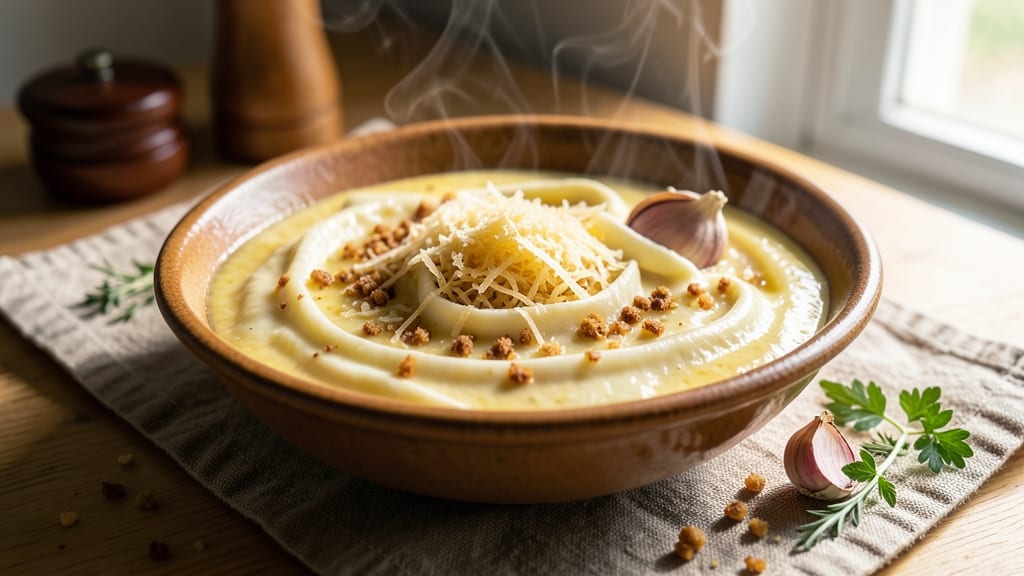
This Alfredo sauce recipe with Parmesan and mozzarella cheese delivers the creamiest, most velvety sauce you'll ever make—no lumps, no graininess, just pure, restaurant-quality richness. The secret lies in combining sharp Parmesan with mild mozzarella for a perfectly balanced flavor that coats every strand of pasta effortlessly.
I've perfected this technique after years of testing, ensuring the sauce stays silky-smooth even after reheating.
The foundation starts with a simple roux—just butter and flour cooked to a golden hue—before adding heavy cream for that signature velvety texture.
What sets this recipe apart is the cheese combination: Parmesan provides that unmistakable umami depth, while mozzarella adds a creamy, melt-in-your-mouth quality that prevents the sauce from becoming too heavy. The result is a sauce that's rich but never overpowering, with just the right amount of tang.
What makes this sauce truly special is its versatility and foolproof method. You'll end up with a thick, glossy sauce that clings perfectly to pasta without turning gluey. The blend of cheeses creates a harmonious balance—sharp enough to stand out but smooth enough to disappear into every bite.
This isn't just another Alfredo; it's the kind of sauce that transforms ordinary pasta into something extraordinary.
Best of all, this sauce keeps beautifully in the refrigerator for up to five days, making it perfect for meal prep. Whether you're serving it over fettuccine, chicken, or vegetables, this recipe guarantees a velvety, cheesy masterpiece that will have everyone asking for seconds.
Let's get started on creating the creamiest Alfredo sauce you've ever tasted.
Ingredients for alfredo sauce recipe with parmesan and mozzarella cheese
Nine ingredients, one velvety sauce that'll make your pasta shine brighter than store-bought ever could.
| Ingredient | Amount | Notes |
|---|---|---|
| Unsalted Butter 🧈 | ½ cup | Cold, cubed for even cooking |
| All-Purpose Flour 🌾 | ½ cup | Sifted for smooth roux |
| Heavy Cream 🥛 | 2 cups | Full-fat for richness |
| Parmesan Cheese 🧀 | 1 ½ cups | Freshly grated, block preferred |
| Mozzarella Cheese 🧀 | 1 cup | Fresh, low-moisture shredded |
| Garlic Cloves 🧄 | 3 cloves | Minced for aromatic base |
| Diamond Crystal Kosher Salt 🧂 | ½ tsp | Adjust to taste |
| Freshly Ground Black Pepper 🌶️ | ¼ tsp | For subtle heat |
| Extra-Virgin Olive Oil 🫒 | 1 tbsp | For finishing, fruity variety |
| Nutritional Yeast 🍄 | 1 tbsp | Optional, for umami boost |
The cheese is where the magic happens. Parmigiano-Reggiano is non-negotiable for that sharp, nutty depth—skip the pre-grated stuff, it's full of anti-caking agents that ruin the texture. Whole Foods or specialty cheese shops carry the good stuff in wedges. Fresh mozzarella is ideal, but low-moisture shredded from a block works if you're in a pinch. Just don't use the pre-shredded kind with additives. The butter matters too—use European-style unsalted like Plugrá or Kerrygold for a richer flavor that doesn't overpower. Toast your flour in the butter for 2-3 minutes to deepen those nutty notes before adding liquid.
No heavy cream? Half-and-half plus a splash of whole milk works in a bind, though the sauce won't be quite as luscious. Fresh mozzarella too expensive? Fontina cheese melts beautifully and adds a subtle sweetness. The nutritional yeast is optional but adds that cheesy umami without dairy—perfect if you want to tweak the flavor. For the roux, don't rush the cooking—it should be a golden blond color, not brown. That's the secret to lump-free perfection. And if you're worried about graininess, whisk constantly when adding the cheese. I've made this sauce with cream cheese too (half cup), and it's surprisingly good for a quick version.
This sauce gets better with time—let it sit for 10 minutes after making so the cheese fully melts and emulsifies. Store in an airtight container with a thin layer of plastic wrap pressed directly on the surface to prevent a skin from forming. Keeps 5 days in the fridge and 3 months frozen. For freezing, portion into ice cube trays first—thaw and stir with a splash of milk to restore creaminess. The sauce thickens as it cools, so thin with a splash of warm milk or cream when reheating. And trust me, the leftovers are just as good as the first batch—if not better.
Why You'll Love This Recipe
- Five-Ingredient Magic: I swear by this combo—just butter, flour, cream, and those two cheeses. No fancy gadgets, no chopping, just melt, stir, and boom—creamy perfection in one pot.
- Cheese Love Bomb: That grated Parmesan and melted mozzarella? It’s like a flavor hug. The Parmesan brings the sharp, salty punch while the mozzarella softens into velvety goodness. (Yes, even my picky husband asks for seconds.)
- Weeknight to Dinner Party: Same sauce, endless uses. Slather it over fettuccine for a quick weeknight meal, or drizzle it on grilled chicken for a fancy-ish dinner. The heavy cream keeps it rich without tasting heavy—honestly, it’s my secret weapon.
- Leftovers That Don’t Suck: Make a double batch—this sauce actually tastes better the next day. Store it in the fridge, reheat with a splash of milk, and serve over pasta or as a dip. No sad, watery leftovers here.
Step-by-step instructions for ultra-thick Alfredo sauce
This method delivers a velvety, ultra-thick sauce that clings perfectly to pasta.
Create the Roux Foundation
In a heavy-bottomed saucepan, melt the 0.5 cup unsalted butter over medium heat. I like to use cold, cubed butter so it melts gradually without burning. Once fully melted, add the 0.5 cup all-purpose flour all at once and whisk vigorously for 1-2 minutes. You're looking for a smooth, pale roux that smells nutty—not golden or toasted. This forms the flavor base and thickens the sauce later.
Watch the color carefully—if it turns even slightly golden, you've gone too far. A proper white roux is essential for that clean, creamy texture. Keep whisking until the mixture looks like wet sand and has no floury taste. This step takes patience but makes all the difference in the final sauce consistency.
Cook the Garlic and Bloom the Flavor
Reduce heat to medium-low and add the 3 minced garlic cloves. Cook for 30-45 seconds until fragrant but not browned—garlic burns quickly, and you want aroma, not bitterness. Here's where the sauce starts developing its depth of flavor. Stir constantly to prevent burning while letting the garlic infuse the roux.
After the garlic, immediately pour in the 2 cups heavy cream all at once. The cream should sizzle gently as it hits the hot roux. Stir continuously for 3-4 minutes until the mixture thickens noticeably. You'll see the sauce come together as the starch in the roux absorbs the liquid. This is the moment that matters: proper emulsification begins here.
Incorporate the Cheeses
Remove the pan from heat and reduce to low heat. Here's where we get creative: add the 1.5 cups freshly grated Parmesan Cheese and 1 cup fresh mozzarella cheese in stages. First, sprinkle in about half of each cheese and whisk until mostly melted. Then add the remaining cheese gradually, whisking vigorously after each addition. The residual heat from the pan will help melt the cheeses smoothly.
Return the pan to very low heat and stir constantly for 2-3 minutes until the sauce is completely smooth and glossy. You're aiming for a consistency that coats the back of a spoon but still flows easily. If it's too thick, thin with 1 tablespoon hot pasta water at a time. The cheese should be fully incorporated with no lumps—this is your quality checkpoint.
Finish with Umami and Seasoning
Remove the sauce from heat completely and stir in the 1 tablespoon nutritional yeast (if using), 0.5 teaspoon Diamond Crystal kosher salt, and 0.25 teaspoon freshly ground black pepper. The nutritional yeast adds that savory depth without altering the color. Taste and adjust seasoning—Alfredo needs to be rich but not overwhelming. I usually find the cheese brings enough saltiness, so I might only need a pinch more.
For the final touch, drizzle in the 1 tablespoon extra-virgin olive oil while whisking vigorously. This creates that signature silky texture and adds a fruity brightness that cuts through the richness. The sauce should now be thick enough to coat the back of a spoon but still flow like liquid velvet. Cover and keep warm over barely simmering water until ready to serve—this maintains the perfect consistency.
Pro Tips For Making Alfredo Sauce Recipe With Parmesan And Mozzarella Cheese
- Cook Butter Slow: Melt the butter over medium-low heat—high heat burns before the roux forms. I learned this the hard way after watching my sauce turn into a greasy mess when I got impatient.
- Grate Mozzarella Fresh: Skip the pre-shredded bag—it’s coated with anti-caking agents that make the sauce grainy. Use a box grater right before adding it to the sauce, and it melts into a silky texture.
- Temper the Cream: Warm the heavy cream first by heating it in a separate pot until steaming, then slowly whisk it into the roux. Cold cream shocks the sauce and causes lumps—trust me, it’s worse than you think.
- Finish with Parmesan: Stir in the Parmesan last, off the heat, so it doesn’t scorch. I used to add it too early, and the sauce would turn bitter—now I wait until everything’s smooth and warm.
Best sauces and condiments for this alfredo sauce recipe with parmesan and mozzarella cheese
Classic Alfredo Upgrade
For an extra layer of depth, stir in 1 tablespoon of white wine (like Pinot Grigio) when adding the cream. The acidity brightens the sauce and cuts through the richness beautifully.
I also love adding 1 teaspoon of Dijon mustard at this stage—it emulsifies the sauce even better and adds a subtle tang. 🍷
Creamy Without the Dairy
Want a lighter version? Replace 1 cup of heavy cream with 1 cup of unsweetened almond milk and add 2 tablespoons of cashew butter for creaminess. Use nutritional yeast (already in the recipe) to boost umami.
The sauce will be tangier but still velvety—perfect for vegan diets. The key is whisking constantly to prevent separation.
Spicy Kick Variations
Add ½ teaspoon of red pepper flakes while the sauce simmers for a mild heat, or stir in 1 tablespoon of hot honey at the end for a sweet-spicy balance.
For smoky depth, mix ½ teaspoon of smoked paprika with the flour before cooking. These tweaks work especially well with chicken or shrimp dishes.
Herb Infusions
Fresh herbs elevate Alfredo to new heights. Stir in 1 tablespoon of chopped chives or basil at the end for brightness. For a more robust flavor, add 1 teaspoon of dried thyme with the garlic.
I often finish with a sprinkle of fresh parsley—it adds color and freshness without overpowering the cheese.
Thicker or Thinner?
Need a thicker sauce? Simmer uncovered for 2-3 extra minutes to evaporate excess liquid. Too thick? Thin with 1 tablespoon of warm milk or pasta water at a time.
For a restaurant-style consistency, aim for a sauce that coats the back of a spoon but still flows like liquid silk when drizzled. 💫
Storage Secrets
Let the sauce cool completely before storing in an airtight container with plastic wrap pressed directly on the surface. Refrigerated sauce thickens as it cools—stir in 1-2 tablespoons of warm water or milk when reheating.
For freezing, portion into ice cube trays, then transfer to a freezer bag. Thaw overnight in the fridge for best results.
Nutrition facts
Frequently asked questions
Can I substitute cream cheese for mozzarella in this recipe?
Yes, you can! Replace the mozzarella with ½ cup cream cheese for a quicker version that still delivers rich, creamy results. The cream cheese adds extra thickness and tanginess, though you may need to thin the sauce slightly with a splash of warm milk.
Why did my Alfredo sauce turn grainy?
Graininess usually happens when cheese isn't melted smoothly or the sauce separates. Always whisk constantly when adding cheese, and keep heat on low to prevent scorching. For extra silky texture, strain the finished sauce through a fine-mesh sieve. Pre-shredded cheese contains anti-caking agents that cause this issue—opt for freshly grated instead!
How do I make this sauce spicier?
Add ½ teaspoon red pepper flakes while simmering the cream, or stir in 1 tablespoon hot honey at the end for a sweet-spicy balance. For smoky depth, mix ½ teaspoon smoked paprika with the flour before cooking. These work especially well with chicken or shrimp dishes!
Can I make this sauce ahead of time?
Store in an airtight container with plastic wrap pressed directly on the surface. It keeps for 5 days in the fridge. For freezing, portion into ice cube trays, then transfer to a freezer bag. Thaw overnight in the fridge and stir with a splash of warm milk to restore creaminess.
What's the secret to the perfect roux?
The key is cooking the butter and flour together over medium heat for 1-2 minutes until it's a smooth, pale color—not golden. This creates the right balance of flavor and thickening power. Whisk constantly to avoid lumps, and don't rush the process. Patience here makes all the difference!