
Sauces & Condiments
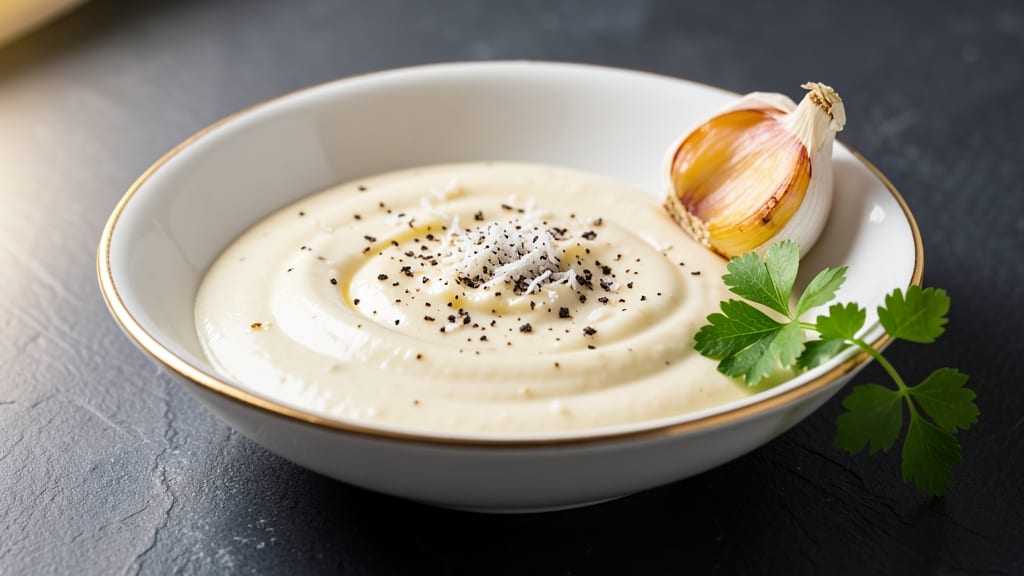
This alfredo sauce recipe with yogurt transforms classic richness into a lighter, velvety sauce that still clings perfectly to fettuccine. The secret lies in blending Greek yogurt with butter and garlic, creating a creamy texture without the heaviness of traditional heavy cream.
I developed this version after years of struggling with clumpy Alfredo—this method guarantees smooth, restaurant-quality results every time.
The beauty of this yogurt-based sauce is its simplicity: just five ingredients blend together in minutes, then simmer gently to meld flavors. Unlike traditional recipes, this version stays silky smooth without requiring constant stirring or special techniques.
The garlic infuses deeply while maintaining a bright, fresh quality that balances the richness.
What makes this sauce truly special is its versatility—it works beautifully with pasta, grilled chicken, or even as a creamy dip. The yogurt adds a subtle tang that cuts through the richness, while the butter ensures that signature Alfredo creaminess.
Best of all, it reheats perfectly without separating, making it ideal for meal prep.
For an extra touch of elegance, finish with fresh parsley and a sprinkle of nutmeg. This sauce delivers all the comfort of classic Alfredo with a lighter profile that won't weigh you down. Let's make it—your taste buds will thank you.
Ingredients for alfredo sauce recipe with yogurt
Five simple ingredients for velvety Alfredo—no clumps, no fuss, just creamy perfection.
| Ingredient | Amount | Notes |
|---|---|---|
| Greek Yogurt (Full-Fat) 🥛 | 1 cup | Plain, unsweetened, thick variety |
| Unsalted Butter 🧈 | ½ cup | Cold, cubed for even melting |
| Garlic Cloves 🧄 | 4 cloves | Fresh, minced finely (not powdered) |
| Vegetable Broth 💧 | ½ cup | Low-sodium preferred, homemade or store-bought |
| Fresh Parsley 🌿 | ¼ cup | Chopped, for garnish (optional) |
| Ground Nutmeg 🌶️ | ¼ tsp | Freshly grated preferred |
| Salt 🧂 | ½ tsp | Diamond Crystal kosher salt |
| Black Pepper 🌶️ | ¼ tsp | Freshly cracked preferred |
The Greek yogurt is the game-changer here—full-fat works best for that rich texture, but plain nonfat in a pinch. I grab Fage 5% or Siggi's from the store, but any thick, unsweetened brand does the trick. Fresh garlic matters too—roasted garlic gives a sweeter note, but minced raw is classic. For the butter, cold cubes melt more evenly than softened, so cut it into small pieces before adding. The vegetable broth adds depth without heaviness, so don't skip it—low-sodium is key unless you're adding extra salt later.
No Greek yogurt? Sour cream or crème fraîche works in a bind, but the sauce will be slightly heavier. Fresh parsley wilting? Dried parsley at half the amount saves the day. Want more garlic flavor? Add an extra clove and strain it out—infuses the sauce without chunks. The nutmeg is optional but adds that restaurant-quality touch. Pre-ground nutmeg loses potency fast, so if you've had yours a while, toast it lightly in a dry pan first. For extra richness, stir in 1 tablespoon of heavy cream at the end—no one will know it's lighter!
This sauce keeps beautifully—3-4 days in the fridge sealed tight. For longer storage, freeze it in ice cube trays (perfect for single servings) and transfer to a bag for up to 3 months. When reheating, add a splash of warm water or broth to prevent thickening. I always make double batches—leftover sauce on fettuccine reheats like a dream. Garnish with parsley right before serving, or save it for later. The nutmeg flavor actually improves overnight, so the next-day sauce often tastes even better.
Why You'll Love This Recipe
- Pantry Magic: I swear by this sauce because it uses what I already have—no special trips to the store. Full-fat Greek yogurt replaces heavy cream, so it’s tangy, thick, and actually creamy without the guilt (or the splurge).
- Garlic Bomb: That minced garlic sizzling in butter? It’s the star here. The broth mellows it out just enough to be rich, not overpowering—like a warm hug for your taste buds.
- Weeknight Hero: Toss it on fettuccine in 15 minutes. Or slather it over grilled chicken for lunch the next day. Honestly, I’ve even used it as a dip for roasted veggies—it’s that adaptable.
- Budget Win: Butter and broth are cheap, but they make this sauce feel luxurious. A single batch stretches to two meals, and the parsley adds freshness without breaking the bank. (Yes, even on a Tuesday night.)
Step-by-step instructions for Alfredo sauce with yogurt
Here's how to make a silky, clump-free alfredo that's lighter but just as rich.
Melt Butter and Sauté Garlic
In a medium saucepan over medium-low heat, add the 0.5 cup unsalted butter in cubes. Let it melt slowly, stirring occasionally, until completely liquid but not browned. This gentle approach prevents burning and keeps the sauce smooth.
Once the butter is fully melted, add the 4 cloves minced garlic and cook for 1-2 minutes until fragrant but not browned. Garlic burns quickly, so keep an eye on it—you want aroma, not bitterness. Remove the pan from heat immediately after the garlic smells cooked through.
Whisk in Yogurt Gradually
Return the pan to low heat and slowly whisk in the 1 cup full-fat Greek yogurt. Start with just a spoonful at first to temper the yogurt—this prevents curdling from the heat. Once incorporated, add the remaining yogurt in a thin, steady stream while whisking constantly.
Continue whisking for 2-3 minutes until the mixture thickens slightly and becomes smooth. The sauce should coat the back of a spoon but still flow easily. If it looks too thick, we'll adjust it in the next step. Never let it boil—heat is the enemy of silky texture here.
Add Broth and Seasonings
Pour in the 0.5 cup vegetable broth and whisk to combine. The broth helps balance the richness while keeping the sauce light. Add the 0.5 tsp salt, 0.25 tsp black pepper, and 0.25 tsp ground nutmeg, whisking until fully dissolved.
Taste and adjust seasoning if needed—this is your chance to perfect the flavor. The nutmeg adds warmth that complements the creamy base. If the sauce is too thick after adding broth, whisk in 1-2 tablespoons of hot water at a time until you reach your desired consistency. Keep heat at low throughout this process.
Finish with Parsley and Keep Warm
Stir in the 0.25 cup chopped fresh parsley and remove the pan from heat. The parsley adds freshness that cuts through the richness. If you're serving immediately, keep the sauce warm over very low heat or in a warm saucepan.
For best results, toss with hot pasta right before serving. The residual heat from the noodles will help the sauce cling perfectly. If making ahead, cool quickly and refrigerate—you can reheat gently with a splash of warm water or broth to restore creaminess.
Pro Tips For Making Alfredo Sauce Recipe With Yogurt
- Warm the Yogurt First: Cold yogurt makes the sauce split like a bad joke at a family dinner. Whisk it into the warm butter and broth—just enough to feel slightly heated, not hot—so the fat emulsifies properly. I learned this the hard way after a sauce that looked like cottage cheese went wrong.
- Mince Garlic Like You Mean It: No, "finely chopped" isn’t good enough—you need a paste. Smash those cloves with the flat side of your knife first, then mince until it’s almost invisible. Burnt garlic ruins the sauce faster than you can say "pasta disaster," and this method keeps it sweet and aromatic every time.
- Simmer, Don’t Boil: The second the sauce hits a rolling boil, the yogurt curdles like a science experiment gone wrong. Keep it at a gentle simmer—tiny bubbles, occasional swirls—just enough to meld flavors without wrecking the texture. Sounds weird, but it works: the sauce stays creamy and velvety.
- Salt the Broth Early: If you’re using unsalted butter, the broth needs seasoning before it joins the party. Taste it after heating—more salt than you think, especially if you’re adding parsley later. I skip this, and the sauce tastes flat, like someone forgot the punchline.
Best sauces and condiments for this dish
Classic Alfredo Upgrade
This yogurt-based Alfredo transforms the traditional recipe by replacing heavy cream with full-fat Greek yogurt—the secret to that velvety texture without clumps. The yogurt adds a subtle tang that brightens the richness, while the butter ensures that signature creamy cling.
I've made this sauce countless times for fettuccine Alfredo, and it's always met with raves—especially from those watching their calorie intake. 🥛
Garlic Infusion Tricks
Fresh garlic is non-negotiable here. For maximum flavor without chunks, I mince 4 cloves finely and sauté them in butter until fragrant but never browned. Pro tip: Add a pinch of red pepper flakes while cooking the garlic to wake up its sweetness.
If you're feeling adventurous, try roasting the garlic first—it adds a mellow, caramelized depth that pairs beautifully with the yogurt's tang.
Thickness Control
The beauty of this sauce lies in its balance. If it thickens too much after adding broth, whisk in 1-2 tablespoons of hot water until silky smooth. For extra richness without heaviness, stir in 1 tablespoon of heavy cream at the end—no one will guess it's a lighter version.
I once made a double batch for a dinner party and adjusted the consistency by adding warm vegetable broth instead of water to keep it flavorful. 💡
Flavor Boosters
Don't underestimate the power of fresh herbs and spices. A sprinkle of ground nutmeg adds warmth that elevates the sauce to restaurant quality, while fresh parsley brings brightness. For a smoky twist, add ½ teaspoon of smoked paprika with the seasonings.
If you love umami, stir in 1 teaspoon of soy sauce or white miso paste—it deepens the flavor without overpowering.
Make-Ahead Magic
This sauce keeps beautifully in the fridge for 3-4 days sealed in an airtight container. For longer storage, freeze it in ice cube trays—perfect for single servings. When reheating, add a splash of warm water or broth to prevent thickening.
I always make a double batch because the flavors actually improve overnight, and it reheats like a dream on fettuccine. ❄️
Versatile Uses
While this sauce is perfect for fettuccine, it shines in other dishes too. Toss it with grilled chicken or shrimp for a creamy main, or use it as a dip for garlic bread or veggie sticks.
For a hearty meal, mix it into mashed potatoes or roasted vegetables. The yogurt base makes it versatile enough to handle bold flavors while keeping things light and fresh. 🍽️
Nutrition facts
Frequently asked questions
Why does this yogurt Alfredo sauce stay smooth while traditional versions often clump?
The key is gradual heating and whisking. Yogurt curdles when heated too quickly, so we melt the butter first, then temper the yogurt by adding it slowly while whisking constantly. The broth and low heat help stabilize the texture without breaking down the proteins. Traditional Alfredo clumps from over-stirring or boiling, which this method completely avoids.
Can I make this sauce dairy-free?
Yes! Replace the butter with olive oil or vegan butter, and use unsweetened coconut yogurt (full-fat works best). For extra richness, stir in 1 tablespoon of cashew cream at the end. The flavor will be lighter but still creamy. Keep the nutmeg and parsley for that classic touch.
What's the best way to prevent the sauce from separating when reheating?
Always reheat gently over low heat and add 1-2 tablespoons of warm water or broth per cup of sauce. Stir constantly until just heated through—never boil. For extra insurance, whisk in ½ teaspoon of cornstarch mixed with 1 tablespoon water before reheating. The sauce should come together smoothly in seconds.
How much sauce should I make for a standard fettuccine serving?
This recipe yields about 1½ cups, which generously coats 8-10 ounces of cooked fettuccine (about 2 servings). For a single serving, reduce the yogurt to ½ cup and broth to ¼ cup. The sauce thickens slightly as it cools, so it's better to make a little extra than come up short.
What if my yogurt is too thick or too thin?
For thick yogurt, whisk in 1-2 tablespoons of warm water until smooth. If it's too thin after adding broth, simmer gently for 1-2 minutes while whisking—this helps thicken naturally. Never add extra yogurt, as it can cause separation. The ideal consistency coats the back of a spoon but still flows easily when poured.