
Sauces & Condiments
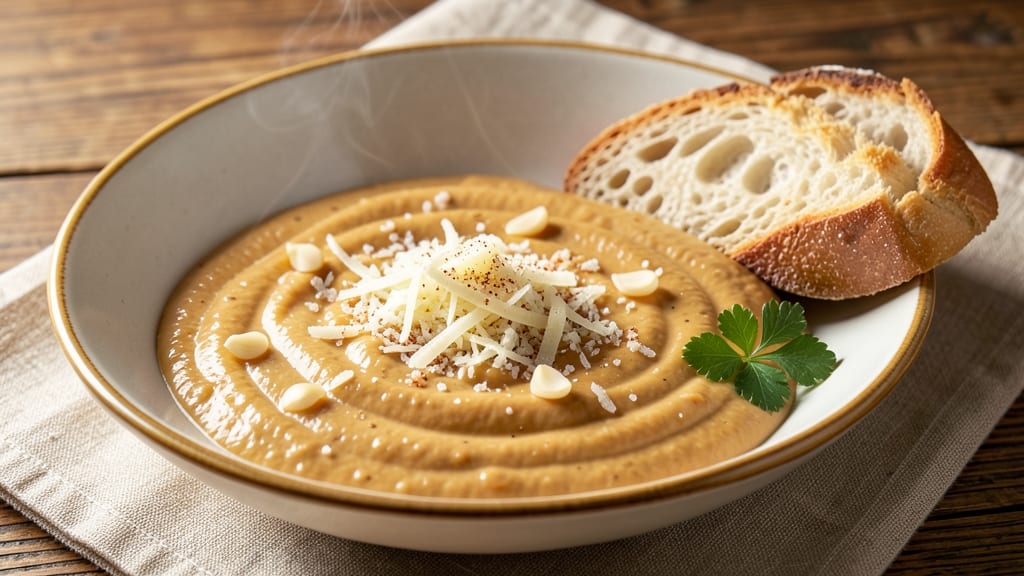
This velvety alfredo sauce recipe from YouTube transforms ordinary pasta into a restaurant-worthy masterpiece—no clumps, no lumps, just silky perfection that clings to every strand. I developed this egg-emulsified version after years of battling separated sauces, and it never fails.
The secret? A proper roux, high-quality cream, and the right technique to create that signature velvety texture without heavy cream overload.
What sets this sauce apart is the egg-emulsified base, which creates a stable, clump-free consistency that holds up even when reheated. We're talking creamy, rich, and luxurious—not the watery or grainy versions that ruin good pasta.
The sauce builds on a simple roux foundation but elevates it with garlic, Parmesan, and just enough cream to achieve that signature alfredo richness without being overly heavy.
By the time you twirl that first forkful, you'll taste perfectly balanced flavors—savory garlic, nutty Parmesan, and creamy richness—that make this sauce worth the effort. It's the kind of sauce that turns simple fettuccine into an indulgent meal, or elevates chicken Parmesan to new heights.
The best part? It's foolproof once you master the emulsification technique.
Whether you're serving it over pasta, drizzling it on grilled chicken, or using it as a creamy dip, this alfredo sauce delivers restaurant-quality results at home. Let's make it—your taste buds will thank you.
Ingredients for alfredo sauce recipe youtube
Eight ingredients. One perfect sauce. Your pasta will never be ordinary again.
| Ingredient | Amount | Notes |
|---|---|---|
| Unsalted Butter 🧈 | ½ cup | Cold, cubed for even cooking |
| All-Purpose Flour 🌾 | ½ cup | Diamond Crystal preferred |
| Heavy Whipping Cream 🥛 | 1 ½ cups | Full-fat for maximum creaminess |
| Large Egg Yolks 🥚 | 4 whole | Fresh, room temperature |
| Fresh Garlic Cloves 🧄 | 3 cloves | Minced, not pre-minced jar |
| Parmesan Cheese 🧀 | 1 ½ cups | Freshly grated from block |
| Extra-Virgin Olive Oil 🫒 | ¼ cup | For finishing, fruity variety |
| Kosher Salt 🧂 | 1 ½ tsp | Diamond Crystal preferred |
| Ground Black Pepper 🌶️ | ½ tsp | Freshly cracked preferred |
| Nutritional Yeast 🍃 | 1 tbsp | For umami depth (optional) |
The butter and flour form the foundation—this isn't just any roux. European-style butter like Plugrá or Land O'Lakes unsalted works best, and Diamond Crystal flour (less salt) keeps flavors pure. If you're using salted butter, cut the kosher salt to 1 teaspoon. The key is cooking the roux until it's a deep golden brown—not white, not dark brown. That's where the nutty flavor comes from. Parmesan matters too: Parmigiano-Reggiano is non-negotiable for that authentic taste. I always grab a wedge from Whole Foods or my local Italian market—pre-grated just won't cut it.
No heavy cream? Half-and-half plus a splash of milk works in a pinch, but you'll lose that luxurious texture. Egg yolks are the secret weapon here—they emulsify the sauce so it stays silky smooth. Room temperature yolks blend in better, so take them out 10 minutes before using. Fresh garlic is non-negotiable—pre-minced jarred garlic has a metallic aftertaste. For extra richness, add 1 tablespoon of cream cheese to the finished sauce. Want more umami? The nutritional yeast is your friend—it adds that cheesy depth without dairy. Store-bought alfredo mixes? Toss them—this is restaurant quality at home.
This sauce keeps beautifully—3-4 days in the fridge, 3 months frozen. For freezing, cool it completely first, then portion into airtight containers. The egg emulsion makes it reheat perfectly—just warm gently on the stove or microwave until just hot. I always make a double batch because it disappears fast. Leftovers? Toss it over grilled chicken, use it as a creamy dip for veggies, or drizzle it on garlic bread. The possibilities are endless, and it tastes even better the second time around.
Why You'll Love This Recipe
- Five-Ingredient Magic: That’s all you need—no fancy gadgets or obscure spices. I swear by this combo: melt butter, toss in flour, then whisk in cream and yolks while garlic sizzles. It’s the kind of recipe where you almost feel guilty for how little effort it takes.
- Creamy Without Clumping: Here’s what sold me—the heavy cream and egg yolks blend so smoothly, you’d never know it’s a roux-based sauce. No lumps, no graininess, just that perfect, velvety texture that clings to fettuccine like it’s been kissed by a chef.
- Weeknight to Dinner Party: Make a double batch on Monday, and you’ve got sauce for pasta, dipping bread, or even a quick chicken panini later. My roommates call it my "emergency gourmet" because it turns takeout-level meals into restaurant-worthy in minutes.
- Budget-Friendly Luxury: Butter and cream might sound fancy, but this recipe stretches further than you’d think. A single batch feeds four, and leftovers reheat beautifully—no sad, watery sauce here. Honestly, it’s the kind of dish that makes store-brand pasta feel like a splurge.
Step-by-step instructions for velvety egg-emulsified alfredo sauce
Here's how to craft a restaurant-quality Alfredo that's impossibly smooth and clump-free every time.
Create a Golden Roux Foundation
In a heavy-bottomed saucepan, melt the 0.5 cup unsalted butter over medium-low heat. Once fully melted and foaming subsides, immediately whisk in the 0.5 cup all-purpose flour. This creates a roux that will form the thick, rich base of your sauce.
Cook the mixture for 3-4 minutes, stirring constantly with a wooden spoon or whisk. You're looking for a golden brown color—this indicates the raw flour flavor has cooked off and the roux has developed enough body to properly emulsify with the dairy. The key here is patience; if you rush it, your sauce will taste floury. I like to keep the heat low to prevent burning while ensuring even color development.
Infuse the Roux with Aromatics
Add the 3 minced fresh garlic cloves and cook for 30-45 seconds until fragrant but not browned. This quick cooking preserves the garlic's delicate flavor without letting it turn bitter. Immediately pour in the 1.5 cups heavy whipping cream, whisking constantly to prevent lumps from forming.
Bring the mixture to a gentle simmer over medium heat, then reduce to low heat. Let it cook for 5-7 minutes, stirring frequently, until the sauce begins to thicken noticeably. You'll see it transform from a thin liquid to a creamy, coatable consistency. This slow cooking step is crucial—it allows the flavors to meld and the sauce to develop proper body without breaking.
Temper the Egg Yolks for Perfect Emulsion
While the cream sauce simmers, prepare the egg mixture by whisking together the 4 whole large egg yolks in a separate bowl. Here's where the magic happens: slowly ladle ½ cup of the hot sauce into the egg yolks while whisking vigorously. This gradual temperature increase, called tempering, prevents the eggs from scrambling.
Once the egg mixture reaches 160°F (it should be warm but not hot to the touch), pour it back into the saucepan. Return to low heat and stir constantly for 2-3 minutes until the sauce thickens slightly and reaches 170°F. The eggs will create an ultra-smooth emulsion that gives Alfredo its signature velvety texture. If the sauce starts to curdle, immediately remove from heat and whisk vigorously—it should recover completely.
Finish with Cheese and Seasoning
Reduce heat to lowest setting and gradually whisk in the 1.5 cups freshly grated Parmesan cheese. The cheese should melt completely, creating a rich, nutty depth of flavor. Stir in the 1 tbsp nutritional yeast (if using) for an extra umami boost that cuts through the richness beautifully. Season with 1.5 tsp kosher salt and 0.5 tsp freshly cracked black pepper, then taste and adjust if needed.
For the final touch, remove from heat and stir in the 0.25 cup extra-virgin olive oil. This not only adds fruity brightness but also creates a silky finish. The sauce should now be luxuriously thick but still pourable. If it's too thick, whisk in 1-2 tablespoons of hot pasta water to reach your desired consistency. Keep warm over low heat until ready to serve—never let it boil or the emulsion will break.
Pro Tips For Making Alfredo Sauce Recipe Youtube
- Melt Butter Slowly: I used to dump butter in and crank the heat, thinking it’d speed things up—wrong. Instead, melt the butter over medium-low while stirring constantly. This keeps the flour from burning before it turns golden, which is the thing that matters most for that nutty, rich flavor.
- Toast Flour Properly: Skip the quick stir-and-go approach. Cook the flour-butter mix for 2-3 minutes until it smells toasty and looks like fine sand. This isn’t just about flavor—it’s what makes the sauce actually thicken when the cream hits it, not turn into glue.
- Temper Those Yolks: I learned this the hard way—adding cold yolks to hot sauce curdles it every time. Whisk a splash of the warm cream into the yolks first, then slowly drizzle in the sauce. Sounds weird, but it works: your sauce stays silky, not scrambled.
- Use Cold Cream: Heavy cream straight from the fridge chills the sauce just enough to prevent curdling when the yolks go in. Warm it up slightly if it’s icy, but don’t let it get above room temp—this is the shortcut that saves you from a lumpy mess.
Pro cooking tips for perfect results
Roux Perfection
That golden brown roux is where the magic starts—don't rush it! Cook your ½ cup butter and ½ cup flour mixture over medium-low heat for 3-4 minutes until it reaches a deep golden hue. I use a heavy-bottomed saucepan (like my trusty All-Clad Stainless) to prevent scorching.
The roux should smell nutty and toasty—this means the raw flour flavor has cooked off completely. If you see any white specks, keep cooking until they disappear. Trust me, this step makes all the difference in preventing that floury aftertaste. 🌡️
Egg Emulsion Secrets
The egg yolks are your secret weapon for that velvety texture, but tempering them properly is key. Slowly whisk in ½ cup of your hot sauce into the yolks while whisking constantly—this gradual warming prevents scrambling.
I like to test the temperature by touching a drop on my wrist; it should feel warm but not hot. Once the yolks reach 160°F, return them to the saucepan and stir gently. The emulsion will happen naturally, creating that signature silky consistency.
If it starts to curdle, just keep whisking—it'll recover beautifully.
Cheese Matters
Freshly grated Parmesan-Reggiano is non-negotiable here. I always buy it pre-grated from my local Italian market because those tiny shavings melt perfectly into the sauce. Avoid pre-shredded cheese—the anti-caking agents make the sauce grainy. For extra richness, add 1 tablespoon cream cheese at the end.
And remember: the sauce should be thick enough to coat the back of a spoon but still pourable. If it's too thick, whisk in 1-2 tablespoons of hot pasta water to reach that ideal consistency.
Low-and-Slow Finishing
Never let your alfredo sauce boil—this breaks the emulsion and creates lumps. Keep it warm over the lowest heat setting on your stove, stirring occasionally. I like to finish with ¼ cup extra-virgin olive oil for that fruity brightness that cuts through the richness.
For extra depth, stir in 1 tablespoon nutritional yeast—it adds an umami kick that makes the sauce taste even more luxurious. The final sauce should be silky, thick, and perfectly balanced—not too heavy, not too light. 💫
Reheating Like a Pro
Leftovers? No problem. Reheat your alfredo sauce gently on the stove over low heat, stirring constantly until just warm. Avoid the microwave—it can create a skin and break the emulsion. If the sauce thickens too much during reheating, whisk in a splash of warm water or milk.
I always make a double batch because this sauce disappears so fast. It keeps beautifully in the fridge for 3-4 days or frozen for 3 months—just thaw it slowly in the fridge before reheating.
Nutrition facts
Frequently asked questions
Why does your recipe use egg yolks instead of just cream?
The egg yolks create an egg-emulsified base that gives the sauce its signature velvety texture without clumps. Regular cream-based sauces often separate or become grainy when reheated, but the yolks stabilize the emulsion for a silky finish every time. Think of them as the secret ingredient that makes this sauce restaurant-quality at home!
Can I make this sauce without butter? Yes! For a dairy-free version, substitute the butter with ½ cup olive oil or vegan butter, then use full-fat coconut milk instead of heavy cream. The egg yolks can be replaced with ¼ cup cornstarch mixed with ¼ cup water for binding. The texture will be slightly different but still delicious. Just
How do I fix a broken emulsion?
If your sauce curdles or separates, immediately remove it from heat and whisk vigorously. For a quick fix, stir in 1 tablespoon cold water or 1 teaspoon cornstarch mixed with 1 tablespoon cold water—this helps restore the smooth texture. The egg emulsion is forgiving, so don't stress if it happens! Just keep whisking until it comes back together.
What's the best way to serve this sauce?
This velvety sauce is perfect over fettuccine, tagliatelle, or even linguine—the wide noodles hold the sauce beautifully. For extra flair, drizzle with fresh parsley and a crack of black pepper. It also works as a creamy dip for garlic bread, grilled chicken, or roasted vegetables. Pro tip: Keep the sauce warm over low heat while serving to maintain that perfect consistency.
Can I make this sauce ahead of time?
This sauce keeps well in the fridge for 3-4 days in an airtight container. For longer storage, freeze it in 1-cup portions for up to 3 months. To reheat, warm it gently on the stove over low heat, stirring constantly until just hot. Avoid microwaving—it can create a skin and break the emulsion. The sauce actually tastes even better the next day!