
Sauces & Condiments
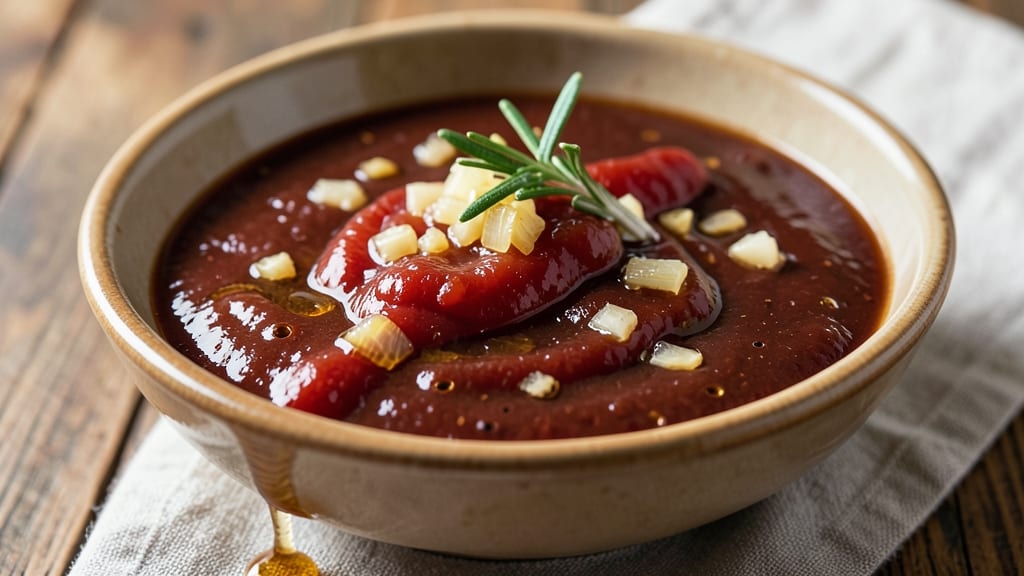
This alkaline BBQ sauce recipe transforms your smoker or grill into a flavor powerhouse with a tangy-smoky balance that lasts. The secret lies in sodium bicarbonate, which creates that signature tenderizing effect while extending shelf life—perfect for pitmasters who know quality shouldn't compromise preservation.
I developed this after years of perfecting rubs and realized the missing link was in the sauce chemistry.
The foundation starts with a tomato base, but it's the alkaline touch that makes all the difference. Vinegar and baking soda work together to create a sauce that's both bold and balanced—cutting through rich meats while maintaining that deep, smoky character.
What sets this apart is how it tenderizes proteins during cooking, giving you that fall-apart texture without sacrificing flavor.
What you'll end up with is a sauce that's rich, tangy, and packed with that signature BBQ depth—ready to elevate ribs, brisket, or even grilled chicken. The alkaline properties mean it stays fresh longer too, so you can make a big batch and keep it on hand for weeks.
This isn't just another BBQ sauce; it's a game-changer for anyone serious about slow-cooked perfection.
Use it as a marinade for extra tenderness or as a finishing glaze for that glossy, caramelized finish. The possibilities are endless, but the technique remains simple—just a few key ingredients and a little chemistry. Let's get started on creating your signature sauce.
Ingredients for alkaline bbq sauce
Nine ingredients, one game-changing sauce with that signature alkaline tang and smoky depth.
| Ingredient | Amount | Notes |
|---|---|---|
| Extra-Virgin Olive Oil 🫒 | ½ cup | High-quality for richness |
| Yellow Onion 🧅 | 1 whole | Finely diced for base |
| Garlic Cloves 🧄 | 6 cloves | Freshly minced for aroma |
| Canned Tomato Sauce 🍅 | 1 cup | San Marzano preferred |
| Apple Cider Vinegar 🍎 | ½ cup | For tangy brightness |
| Sodium Bicarbonate 🧪 | 1 tsp | Key for alkaline effect |
| Smoked Paprika 🌶️ | 2 tbsp | For deep smoky flavor |
| Brown Sugar 🍚 | ½ cup | Light or dark preferred |
| Mustard Powder 🍯 | 1 tbsp | Dijon preferred for depth |
| Ground Black Pepper 🌶️ | ½ tsp | Freshly cracked preferred |
The sodium bicarbonate is non-negotiable—it's what creates that signature tenderizing effect and extends shelf life. Bob's Red Mill or Diamond Crystal baking soda work perfectly. For the tomato base, San Marzano canned tomatoes make all the difference—they're sweeter and less acidic. Smoked paprika is where the magic happens; Penzeys or Trader Joe's carry excellent varieties. If you're making a big batch, grab a 2-pound bag of brown sugar—it's worth the investment for that caramelized finish.
No smoked paprika? Regular paprika plus a pinch of liquid smoke works in a pinch, though it's not quite the same. Short on apple cider vinegar? White vinegar or red wine vinegar at the same amount—just know the flavor profile shifts slightly. The mustard powder is essential for that deep, complex flavor; Dijon-style is ideal, but regular ground mustard in a pinch. For extra smokiness, add 1/4 tsp of chipotle powder or a dash of liquid smoke. The sauce thickens as it cools, so don't worry if it looks thin right after cooking.
This sauce keeps beautifully—3-4 weeks in the fridge and 6 months in the freezer. Store it in glass jars to preserve flavor, and always leave a little headspace for expansion. For best results, bring it to a simmer before storing. I double the batch every time—one for immediate use, one to freeze for future smoker sessions. The alkaline properties mean it won't separate like regular BBQ sauce, so you can make it weeks ahead without issues.
Why You'll Love This Recipe
- Pantry Magic: I swear by this sauce because it turns ingredients I already have into something special. No extra shopping trips—just olive oil, onions, and that one jar of tomato sauce gathering dust.
- Tangy Kick: The apple cider vinegar and garlic do something wild—it’s smoky, bright, and lingers just right. Drizzle it on wings or toss it with roasted veggies, and suddenly everything tastes like a Sunday cookout.
- Weeknight Hero: Between us, this is my secret weapon for lazy nights. Simmer it while you grill, and boom—homemade BBQ sauce ready to go. No waiting for store-bought to heat up or taste artificial.
- Budget-Friendly Luxury: Honestly, this costs pennies to make but feels like a splurge. A little olive oil, a can of tomatoes, and you’ve got a sauce that beats anything in a bottle. Plus, it keeps for weeks in the fridge.
Step-by-step instructions for alkaline BBQ sauce
Here's how to craft a tangy-smoky sauce with extended shelf life that clings perfectly to grilled meats.
Sauté the Aromatic Base
Heat the 0.5 cup extra-virgin olive oil in a medium saucepan over medium heat. Add the finely diced yellow onion and cook for 5-6 minutes until softened and translucent. This foundational step develops sweetness that balances the sauce's acidity.
Stir in the 6 cloves freshly minced garlic cloves and cook for another 30 seconds until fragrant. The garlic should sizzle gently without browning—this prevents bitterness that would overpower the sauce's delicate balance. Keep the heat at medium throughout this process to ensure even cooking without burning.
Build the Flavor Foundation
Pour in the 1 cup canned tomato sauce and 0.5 cup apple cider vinegar, stirring to combine. The vinegar will create immediate fizzing—this is normal and indicates the acid-base reaction beginning. Let the mixture simmer gently for 5 minutes to allow the flavors to meld.
Add the 1 tsp sodium bicarbonate and 2 tbsp smoked paprika while stirring continuously. The sodium bicarbonate will create a slight effervescence as it reacts with the acidic components, creating that signature alkaline tang. This reaction also helps extend the sauce's shelf life by raising the pH level, making it less hospitable to bacteria.
Sweeten and Season
Incorporate the 0.5 cup brown sugar, 1 tbsp mustard powder, and 0.5 tsp freshly cracked ground black pepper. Stir well to distribute the sweetness and depth evenly. The mustard powder adds complexity that bridges the smoky and tangy elements, while the pepper provides subtle heat that lingers on the palate.
Simmer the entire mixture for 10-12 minutes until it thickens to a glossy, spoonable consistency. You're aiming for a sauce that coats the back of a spoon with a slight sheen—this indicates proper reduction. Taste and adjust the balance: if too sweet, add a splash more vinegar; if too tangy, stir in a pinch more sugar.
Finish and Store
Remove the saucepan from heat and let the sauce rest for 5 minutes to allow flavors to fully develop. The resting period lets the alkaline reaction complete and the sauce settle to its optimal texture. This is particularly important for achieving that signature tangy-smoky balance that makes this sauce unique.
Transfer the finished sauce to a clean glass jar and seal tightly. The alkaline properties from the sodium bicarbonate will help preserve the sauce for up to 3 months in the refrigerator. For best results, use within 2 weeks to experience the freshest flavor profile. The sauce will thicken slightly as it cools—simply reheat and stir to restore its ideal consistency.
Pro Tips For Making Alkaline Bbq Sauce
- Sweat, Don’t Burn the Onions: Start with medium-low heat and leave the onions in the pan until they’re translucent and just starting to soften—about 8-10 minutes. I learned this the hard way after charring three batches and ending up with bitter, overpowering flavor. A splash of water or vinegar at this stage helps break down the sugars without burning.
- Minimize Vinegar Boil-Over: Add the apple cider vinegar after the tomato sauce has simmered for at least 15 minutes—this lets the acidity mellow instead of making the sauce taste harsh. I used to dump it in early and regretted it every time; patience here makes a real difference.
- Blend Garlic Until Gone: Pulse the garlic cloves in the food processor until they’re completely paste-like, not just chopped. I skipped this once and ended up with tiny, chewy bits that stuck in my teeth. A few extra seconds here guarantees smooth, consistent flavor.
- Simmer Longer, Not Harder: Let the sauce reduce for at least 30 minutes on low heat—this deepens the flavor and balances the acidity. Rushing it leaves the sauce thin and one-dimensional. (Yes, even if you’re impatient like me.)
Troubleshooting this recipe
Sauce Too Thin?
If your sauce isn't thickening enough during simmering, reduce the heat to low and cook uncovered for an additional 5-10 minutes. The alkaline reaction from the sodium bicarbonate can sometimes slow evaporation, so patience is key.
For an extra boost, mix 1 tsp cornstarch with 1 tbsp cold water, stir into the sauce, and simmer for 2 more minutes—this works wonders without altering flavor. 🌡️
Grainy Texture?
Unevenly dissolved sugar or baking soda can cause graininess. To fix this, place the saucepan over low heat and stir vigorously for 3-5 minutes to fully incorporate all ingredients. If the issue persists, strain the sauce through a fine-mesh sieve for a silky texture.
I've found that using light brown sugar instead of dark can also reduce graininess slightly.
Overpowering Vinegar?
The tang can become too sharp if you overdo the vinegar. Balance it by adding 1-2 tbsp more brown sugar and simmering for 5 minutes to let the sweetness mellow out. Alternatively, a pinch of salt (about ¼ tsp) can help round out the flavors.
Taste as you go—this sauce should dance between tangy and sweet, not lean too heavily in one direction.
Sauce Separating?
If the sauce splits during storage, it's usually due to temperature fluctuations. Reheat gently on the stovetop over low heat, stirring constantly until smooth. For prevention, always cool the sauce completely before refrigerating and leave ½ inch headspace in the jar.
The alkaline properties should prevent separation, but rapid cooling can sometimes cause minor issues.
Bitter Aftertaste?
This usually happens if the garlic or onions brown too much. Next time, keep the heat at medium-low and remove the pan from heat as soon as you smell the garlic's aroma.
To fix a bitter batch, stir in ½ tsp more smoked paprika and 1 tsp honey, then simmer for 2 minutes. The extra smokiness and sweetness will mask any bitterness beautifully.
Not Alkaline Enough?
If your sauce lacks that signature tenderizing effect, it might need more sodium bicarbonate. Add ¼ tsp extra baking soda, stir well, and let it sit for 5 minutes—the reaction will continue even after cooking.
For future batches, increase the baking soda to 1.25 tsp if you prefer a stronger alkaline kick. Just remember, more isn't always better—too much can make the sauce taste soapy.
Nutrition facts
Frequently asked questions
Why does this alkaline BBQ sauce work better for tenderizing meat?
The sodium bicarbonate creates an alkaline environment that gently breaks down muscle fibers during cooking, resulting in fall-apart tenderness. This chemical reaction also helps balance the acidity from the vinegar, creating a sauce that's both tangy and mellow. The longer shelf life comes from this pH shift too—it inhibits bacterial growth better than traditional sauces.
Can I make this sauce without sodium bicarbonate?
You can substitute with 1 tsp baking powder (though it won't be as effective for tenderizing) or ½ tsp potassium bicarbonate for a milder alkaline effect. Without it, you'll lose the signature tenderizing properties and shorter shelf life. The sauce will still taste good, but won't have that signature chemical balance that makes it special.
How should I use this sauce on different meats?
For ribs or brisket, apply during the last 30 minutes of cooking to prevent burning. On chicken or pork chops, use as a marinade for 2-4 hours before grilling. For fish, keep it simple—just brush on during the last 2 minutes of cooking to avoid overpowering delicate flavors. The alkaline properties work best with thicker cuts that need extra tenderizing.
Will this sauce work in a slow cooker or Instant Pot?
Yes! For slow cookers, add the sauce during the last 1-2 hours of cooking. In an Instant Pot, use the sauté function to build the base, then pressure cook for 5 minutes with the meat. The alkaline reaction works the same way, but monitor closely—high heat can accelerate the thickening process. The sauce may need thinning with water if it becomes too thick during long cooking.
Can I adjust the sweetness or tang in this recipe?
For more sweetness, increase the brown sugar by 1 tbsp and reduce vinegar by 1 tbsp. For extra tang, add 1 tbsp more vinegar and reduce sugar by 1 tbsp. Remember, the alkaline reaction needs balance—too much of either can throw off the sauce's signature tenderizing effect. Taste as you go and adjust gradually!