
Sauces & Condiments
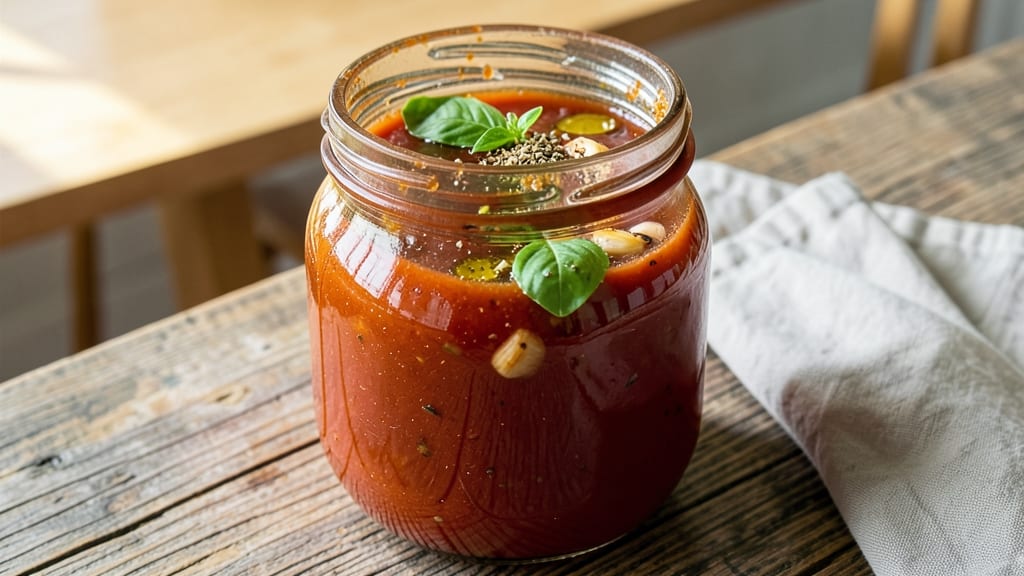
This ball jar tomato sauce recipe transforms summer's bounty into a rich, velvety condiment that lasts for months—no fancy equipment required. The secret lies in slow-cooked tomatoes, aromatic herbs, and a touch of sweetness that balances acidity, all sealed in sterilized jars for pantry perfection.
I developed this method after years of experimenting with canning, ensuring every jar delivers restaurant-quality flavor without the mess of commercial sauces.
What sets this sauce apart is its simplicity: just a handful of ingredients—ripe tomatoes, garlic, olive oil, and fresh basil—simmered until thick and fragrant. The canning process preserves not just the sauce, but the essence of summer, making it ideal for pasta, pizza, or dipping.
Each batch yields about seven pint jars, perfect for gifting or stocking your pantry for winter meals.
The result is a sauce with deep, caramelized notes and a texture that clings beautifully to noodles or crusts. Unlike store-bought versions, this one avoids additives and delivers a vibrant, herbaceous taste that improves with time.
The sterilization and sealing process ensures safety and longevity, so you can enjoy homemade flavor all year.
Whether you're a canning novice or a seasoned pro, this recipe breaks down the process into manageable steps—from selecting tomatoes to sealing jars. The key is patience: letting the sauce reduce slowly builds layers of flavor, while proper canning techniques guarantee a shelf-stable product.
Ready to preserve summer in a jar?
Ingredients for ball jar tomato sauce
Summer's tomatoes, aromatic herbs, and a touch of sweetness—all you need to preserve summer's essence in sterilized jars.
| Ingredient | Amount | Notes |
|---|---|---|
| Ripe Roma Tomatoes 🍅 | 4 lbs | Heirloom or vine-ripened preferred |
| Extra-Virgin Olive Oil 🫒 | ½ cup | High-quality, fruity variety |
| Garlic Cloves 🧄 | 6 cloves | Fresh, peeled, lightly crushed |
| Fresh Basil Leaves 🌿 | 1 cup | Packed, stems removed |
| Dried Oregano 🍃 | 1 tbsp | Mediterranean variety preferred |
| Granulated Sugar 🍚 | ¼ cup | Balances tomato acidity |
| Salt 🧂 | 1 ½ tsp | Diamond Crystal kosher salt |
| Black Peppercorns 🌶️ | ½ tsp | Freshly cracked for depth |
| Lemon Juice 🍋 | 2 tbsp | Freshly squeezed, brightens flavor |
| Canning Salt 🧂 | 1 tsp | For processing pint jars |
The tomatoes are the heart of this sauce—ripe Roma tomatoes pack the most flavor, but heirloom or vine-ripened varieties work beautifully too. Hit up your local farmers market in late summer for the sweetest, most flavorful tomatoes. Ball Blue Book recommends using tomatoes with minimal bruising to avoid bitterness. If you're using garden tomatoes, blanch them first to make peeling easier. The garlic and basil should be fresh—farmers market basil has the most vibrant flavor, but grocery store basil works in a pinch. For the olive oil, California avocado oil or a Spanish extra-virgin adds a lovely fruity note that complements the tomatoes perfectly.
No fresh basil? Dried basil at half the amount works, though it lacks the bright, herbal punch. Running low on Roma tomatoes? San Marzano canned tomatoes are your secret weapon—they're sweet, meaty, and perfect for canning. The sugar is crucial for balancing acidity, but if you prefer less sweetness, reduce to 1/4 cup. For the canning process, Ball pint jars are ideal, but any USDA-approved canning jars will work. If you're worried about the sauce being too acidic, add 1/4 tsp citric acid per jar for extra safety. The lemon juice brightens everything up, so don't skip it—freshly squeezed makes all the difference.
This sauce is designed to last, so sterilize your jars and lids thoroughly before filling. After processing, store in a cool, dark place—pantry or root cellar is perfect. Once opened, refrigerate and use within 1 week. The flavor actually improves over time, so label your jars with the date. For gifting, wrap the lids in parchment paper tied with twine for a rustic touch. Freezing is an option too—leave 1-inch headspace before sealing for best results. Each batch makes about 7 pint jars, perfect for stocking your pantry or sharing with neighbors.
Why You'll Love This Recipe
- No Chopping Needed: I just drop whole Roma tomatoes into the jar—their skins soften perfectly while simmering, no peeling or dicing required. The only prep is crushing garlic and tearing basil, which takes all of two minutes.
- Herb-Packed Punch: That first spoonful of sauce? Chef’s kiss. The garlic and basil infuse deeply into the tomatoes, while the oregano adds a warm, earthy backbone—simple spices that somehow taste like a whole Italian summer in every bite.
- Weeknight Magic: This sauce is my go-to when I’m staring at a half-empty pantry and a hungry family. It’s ready in 30 minutes, freezes beautifully, and turns into pasta, bruschetta, or a quick soup—no extra effort, just pure flavor.
- Budget-Friendly Staple: Roma tomatoes are cheap in season, and the rest of the ingredients? Olive oil, garlic, and herbs you already own. I make a big batch, portion it into jars, and use it for months—no wasted food, just endless meals.
Step-by-step instructions for preserving homemade tomato sauce
Here's how to transform fresh tomatoes into rich, flavorful sauce that'll last all year.
Prepare the Tomatoes for Cooking
Begin by washing the 4 lbs of ripe Roma tomatoes thoroughly under cool water. I like to work with vine-ripened tomatoes because they're meatier and less watery than hybrids. Cut each tomato in half crosswise and scoop out the seeds using a spoon—this prevents a watery sauce. You'll want to remove as much of the gel-like seed material as possible while keeping the juicy flesh intact.
Transfer the prepared tomatoes to a large stockpot. Add the 6 cloves of peeled, lightly crushed garlic cloves and the 1 cup of packed fresh basil leaves. The basil will infuse its bright flavor as it cooks down. Give everything a gentle stir to distribute the aromatics evenly. Here's the thing—don't skip crushing the garlic lightly. This releases more flavor during the cooking process.
Simmer the Tomato Mixture
Place the stockpot over medium-high heat and bring the contents to a boil. Once boiling vigorously, reduce the heat to medium-low and let it simmer uncovered for 30 minutes. You'll notice the tomatoes breaking down and releasing their juices, creating a thick, vibrant liquid. This initial simmer helps develop the sauce's depth of flavor.
After 30 minutes, use an immersion blender to purée the mixture directly in the pot. If you don't have an immersion blender, carefully transfer the mixture to a food processor in batches. The sauce should be smooth but still have some texture—this preserves the natural body of the tomatoes. I aim for a consistency between chunky and completely smooth, about halfway between the two.
Season and Sweeten the Sauce
Return the puréed sauce to the pot and stir in the 0.5 cup of extra-virgin olive oil, 0.25 cup of granulated sugar, 1.5 tsp of salt, and 0.5 tsp of freshly cracked black peppercorns. The sugar helps balance the acidity of the tomatoes, while the olive oil adds richness. Let the sauce simmer gently for another 20 minutes, stirring occasionally.
Here's where it gets fun—taste the sauce and adjust the seasoning. You might need to add a bit more salt or sugar depending on the acidity of your tomatoes. I usually add the 2 tbsp of freshly squeezed lemon juice at this stage to brighten the flavors. The sauce should be well-seasoned but not overly sweet—think of it as a balanced, savory base that'll complement any dish.
Prepare for Canning
While the sauce simmers, prepare your canning equipment. Fill a large pot with water and bring it to a gentle boil for sterilizing the pint jars. Place the lids in a separate pot of simmering water to keep them hot. Remove the jar lids and set them aside—they'll be sterilized by the hot jars.
Ladle the hot tomato sauce into the sterilized pint jars, leaving about ½-inch headspace at the top. Use a funnel if needed to avoid spills. Remove any air bubbles by gently running a non-metallic utensil around the inside of the jar. Wipe the jar rims with a clean, damp cloth to ensure a good seal. Here's a pro tip: don't overfill the jars. You need room for the sauce to expand during processing.
Process the Jars for Safe Storage
Place the lids on the jars and screw on the bands until they're fingertip tight—don't overtighten. Place the sealed jars into the boiling water bath, ensuring they're completely submerged. Process the pint jars in the boiling water bath for 35 minutes. This time ensures the sauce is properly sterilized and sealed for long-term storage.
After processing, carefully remove the jars from the water bath using tongs and place them on a clean towel. Let them cool undisturbed for 12-24 hours. You'll hear the satisfying "ping" as the lids seal. Once cooled, check that the lids have sealed by pressing down on the center—they shouldn't pop back up. Store the sealed jars in a cool, dark place for up to 18 months. Your homemade tomato sauce is now ready to enjoy year-round!
Pro Tips For Making Ball Jar Tomato Sauce
- Scorch the Tomatoes First: Toss halved Roma tomatoes in a hot, oiled pan for 2-3 minutes per side until they blister—this concentrates their sweetness and deepens the flavor. I used to skip this and ended up with watery sauce; now it’s the thing that makes the difference.
- Crush Garlic Lightly: Use the flat side of your knife to smash garlic cloves into a paste before cooking—this prevents burning and distributes flavor evenly. Whole cloves just sit there like bitter pebbles, and mincing them too finely turns the sauce bitter.
- Add Basil Late: Stir in fresh basil leaves only in the last 5 minutes of cooking, or toss them in right before serving—high heat kills their bright aroma faster than you’d think. I learned this after making sauce that tasted like dried basil soup.
- Salt the Tomatoes Early: Sprinkle 1 teaspoon of salt over the halved tomatoes as soon as they hit the pan—it draws out moisture, making the sauce thicker and more concentrated. Sounds weird, but it works: less thinning later, richer flavor.
Troubleshooting great ball jar tomato sauce
Sauce Too Watery
If your sauce ends up too thin after simmering, you likely didn’t remove enough seeds or didn’t cook it long enough. For future batches, blot tomatoes with paper towels before cooking to reduce moisture.
After the initial 30-minute simmer, let the sauce reduce uncovered on low heat for 10-15 extra minutes—this evaporates excess liquid while concentrating flavors. If you’re canning, add 1 extra tablespoon of sugar per pint jar during processing to help thicken as it cools. 💧
Sauce Too Thick
Over-reducing can make sauce gluey or pasty. To fix it, stir in 1-2 tablespoons of hot water or tomato juice while reheating on low heat, stirring constantly. For prevention, don’t exceed 45 minutes total simmering time—the sauce will thicken further as it cools.
If using canned tomatoes, drain excess liquid before adding them to the pot. A splash of lemon juice also helps balance thickness by brightening flavors. 🍲
Jars Not Sealing
Improper sealing usually means air bubbles, dirty rims, or insufficient headspace. First, ensure you left ½-inch headspace—use a jar funnel with a bubble remover to eliminate trapped air. Wipe rims with a clean, damp cloth (vinegar works well) to remove residue.
If lids still don’t seal after processing, reprocess jars with fresh lids within 24 hours. Store unsealed jars in the fridge for up to 1 week or freeze for 3 months. 🔒
Mold or Fermentation
Mold or fizzy jars indicate contamination or improper acidity. Always add 2 tbsp lemon juice per pint jar (or ¼ tsp citric acid) to ensure safe pH levels. If you spot mold, discard the jar immediately—never taste or reheat.
For future batches, process jars for the full 35 minutes and store in a cool, dark place (like a pantry). If sauce smells off, it’s best to toss it—trust your nose over appearance. ⚠️
Tomato Flavor Fading
Stale tomato flavor often means underripe tomatoes or insufficient simmering. Next time, use fully ripe, slightly soft tomatoes—they’re sweeter and more flavorful. Simmer the sauce uncovered for 5-10 extra minutes to deepen caramelization.
For added depth, roast tomatoes at 400°F for 20 minutes before blending. Fresh herbs like basil should be added just before canning to preserve their brightness. 🌱
Lids Popping After Sealing
This usually happens when jars cool too quickly or headspace was insufficient. Let jars cool slowly at room temperature for 12-24 hours before refrigerating. If lids pop after a few days, reseal them by reprocessing for 10 extra minutes.
For long-term storage, check seals weekly—popped lids mean spoilage risk. Store jars in a consistent-temperature area (avoid basements with temperature swings). 🌡️
Nutrition facts
Frequently asked questions
Can I use canned tomatoes instead of fresh?
Yes, but choose San Marzano canned tomatoes for the best results—they're sweeter and meatier than most varieties. Drain them well before adding to the pot to avoid a watery sauce. For every 14.5 oz can, use about 1.5 cups of crushed tomatoes. The flavor will be slightly different but still delicious!
How long will the sauce keep before it spoils?
Properly sealed jars stored in a cool, dark place will last up to 18 months. Once opened, refrigerate and use within 1 week. The sauce actually improves with time, developing deeper flavors as it ages. Always check for proper sealing before storing long-term.
What can I do with leftover sauce?
This versatile sauce is perfect for pasta, pizza, or as a dip for bread. Freeze leftovers in ice cube trays for easy portioning later. You can also blend it into soups or use it as a base for braising meats. The rich tomato flavor works beautifully in stews too!
Do I need a pressure canner for this recipe?
No, a simple boiling water bath works perfectly for this recipe. The high acidity from lemon juice and tomatoes makes it safe for water bath canning. Just ensure you process pint jars for 35 minutes at a rolling boil. Always use USDA-approved methods for safe canning.
Can I adjust the spice level?
For more heat, add ½ tsp red pepper flakes or a pinch of cayenne. For a smoky flavor, stir in 1 tsp smoked paprika during the final simmer. You can also add fresh chili peppers before processing if you prefer chunky heat. Adjust to taste before canning!