
Sauces & Condiments
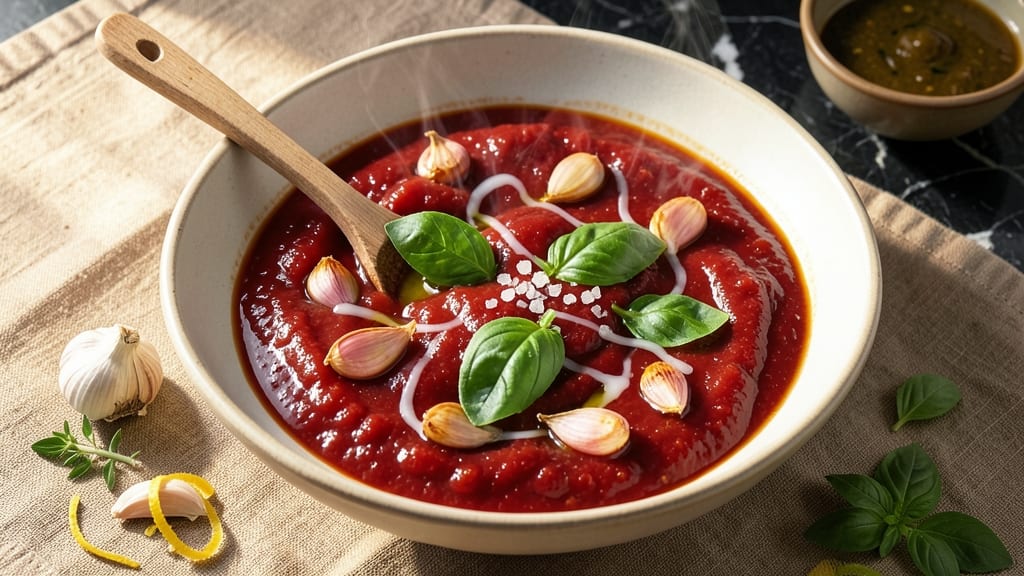
This all-natural pizza sauce recipe transforms simple ingredients into a vibrant, flavorful tomato base that rivals anything store-bought. The secret lies in fresh, high-quality tomatoes and a slow simmer that develops deep, complex flavors without preservatives or artificial additives.
I’ve perfected this version over years of testing—it’s the kind of sauce that makes every pizza night feel special, with just the right balance of sweetness and acidity.
What sets this sauce apart is its simplicity and versatility. With just five core ingredients—ripe tomatoes, garlic, olive oil, fresh basil, and a touch of salt—you’ll create a sauce that’s rich, aromatic, and perfect for pizza, dipping, or even pasta.
The process is straightforward: blend, simmer, and reduce until thick and glossy, ensuring every bite delivers that authentic, homemade taste.
By the time you’re done, you’ll have a sauce that’s smooth, slightly sweet, and packed with herbaceous notes from the fresh basil. It keeps well in the fridge for up to a week, so you can make a big batch and enjoy it all week long.
Whether you’re topping a homemade crust or drizzling it over garlic bread, this sauce elevates every dish with its natural depth of flavor.
The best part? This recipe is foolproof—no fancy techniques required. Just blend, simmer, and taste as you go. Once you try it, you’ll never reach for a jarred sauce again. Let’s get started on creating your vibrant, all-natural pizza sauce today.
Ingredients for all natural pizza sauce
Five simple ingredients transform into a vibrant, preservative-free pizza sauce that beats store-bought every time.
| Ingredient | Amount | Notes |
|---|---|---|
| Fresh Roma Tomatoes 🍅 | 2 lbs | Ripe but firm, halved |
| Extra-Virgin Olive Oil 🫒 | ½ cup | High-quality, fruity |
| Garlic Cloves 🧄 | 4 cloves | Freshly minced or grated |
| Fresh Basil Leaves 🌿 | ½ cup | Packed, stems removed |
| Sea Salt 🧂 | 1 ½ tsp | Fine grain preferred |
| White Vinegar 💧 | 1 tbsp | For brightness (optional) |
| Granulated Sugar 🍚 | 1 tsp | Balances acidity |
The tomatoes are everything here. Roma tomatoes are ideal—they’re meaty and sweet, with fewer seeds. If you can’t find them, San Marzano canned tomatoes are the next best thing (just crush them by hand). I always buy organic when possible, but conventional works too. Look for tomatoes that yield slightly to gentle pressure—ripe but not mushy. The basil matters too: farmers market basil has the most vibrant flavor, but grocery store basil in a jar works in a pinch (just use twice as much).
No fresh basil? Dried basil at one-third the amount gets you close, though it won’t have that same fresh brightness. Vinegar optional, but it’s the secret to that perfect balance of sweet and tangy. Apple cider vinegar works too if you’ve got it. The sugar is key—it rounds out the acidity from the tomatoes and vinegar. If you’re worried about sweetness, start with just ½ teaspoon and taste as you go. The olive oil? Use the good stuff—none of that cheap cooking oil. A fruity, peppery EVOO makes all the difference.
This sauce keeps beautifully. Pour it into a clean jar, cover the surface with a thin layer of olive oil, then seal. Good for 1 week in the fridge or 6 months frozen. I like to make a big batch—it’s perfect for pizza nights, dipping bread, or even as a pasta sauce. If it thickens too much after refrigerating, just stir in a splash of water or tomato paste to loosen it up. Leftovers? Taste even better the next day as the flavors meld.
Why You'll Love This Recipe
- Five-Ingredient Magic: I swear, this sauce is the closest thing to a cooking shortcut I’ll admit to. Roma tomatoes, olive oil, garlic, basil, salt—that’s it. No jars, no preservatives, just peak summer flavors in 15 minutes.
- Garlic-Basil Bomb: That first taste of fresh garlic and basil hitting your tongue? It’s like a hug for your taste buds. The olive oil ties it all together, making every bite rich and bright without overpowering.
- Weeknight & Weekend: Use it on pizza night, as a marinade for grilled veggies, or slather it on garlic bread. Honestly, I’ve even drizzled it over roasted chicken—works every time, no overthinking.
- No-Waste Pantry Hero: The tomatoes keep for days in the fridge, and the basil? Even if some wilts, the flavor stays strong. I’ve made a whole batch on Sunday, and it’s still fresh by Thursday—no sad, watery leftovers here.
Step-by-step instructions for homemade pizza sauce
Fresh tomatoes and simple seasonings create the perfect vibrant base for your homemade pizza.
Roast the Tomatoes for Deep Flavor
Preheat your oven to 425°F and line a baking sheet with parchment paper. Halve the 2 lbs fresh Roma tomatoes lengthwise, removing any stems. Arrange them cut-side down on the prepared sheet, leaving space between each tomato.
Roast for 15-20 minutes until the edges begin to blister and the tomatoes soften slightly. You'll notice the skin turning a deeper red and the flesh becoming more pliable. This roasting step concentrates the flavors and mellows the acidity, creating a rich foundation for your sauce. Don't skip this—it makes all the difference in the final texture and taste.
Blister the Garlic in Olive Oil
While the tomatoes roast, heat 2 tablespoons of the 0.5 cup extra-virgin olive oil in a small saucepan over medium-low heat. Add the 4 cloves garlic cloves (peeled) and cook for 2-3 minutes until they turn golden brown and smell intensely fragrant.
Watch them carefully—they'll burn quickly once they start to color. When they're just golden, remove them from the pan with a slotted spoon and set aside. You'll use the fragrant oil later in the sauce, but the garlic itself adds texture and depth. The remaining 0.33 cup extra-virgin olive oil will be used for the sauce base.
Create the Sauce Base
Transfer the roasted tomatoes to a food processor or blender. Add the remaining 0.33 cup extra-virgin olive oil, 1.5 tsp sea salt, 1 tbsp white vinegar, and 1 tsp granulated sugar. Pulse or blend until completely smooth, scraping down the sides as needed. The sauce should be thick but pourable.
The vinegar brightens the tomatoes while the sugar balances their natural acidity. I like to taste at this point—you should notice a vibrant tomato flavor with just a hint of sweetness. If it needs more salt, add it now, but don't overdo it. The basil will add freshness in the next step.
Finish with Fresh Basil
Remove the sauce from the food processor and transfer it to a saucepan. Bring to a gentle simmer over medium-low heat, stirring occasionally. After 5 minutes, stir in the 0.5 cup fresh basil leaves and the blistered garlic cloves. Let the sauce cook for another 3-4 minutes until it's heated through and the basil is wilted.
Taste and adjust seasoning if needed—you might want to add a pinch more salt or sugar to balance the flavors. The sauce should be vibrant red with a glossy finish. If it's too thick, thin with a splash of water or tomato juice. For best results, let it cool slightly before using on pizza—this allows the flavors to meld completely.
Store and Use
Let the sauce cool completely, then transfer it to an airtight container. It will keep in the refrigerator for up to 5 days or can be frozen for up to 3 months. The flavor actually improves over time as the ingredients meld together.
When ready to use, give it a quick stir and warm gently in a saucepan over low heat until hot. This fresh, vibrant sauce will elevate any pizza you make—whether it's classic Margherita or your own creation. The natural sweetness and bright acidity make it perfect for any tomato-based dish.
Pro Tips For Making All Natural Pizza Sauce
- Crush Tomatoes by Hand: I learned this the hard way—blending Roma tomatoes makes the sauce watery and dull. Use a wooden spoon or your hands to break them down in the pot instead. The texture stays thick, and the flavor concentrates like it should.
- Sweat Garlic Slowly: Don’t rush the garlic—cook it in olive oil on low heat for 3-4 minutes until it’s soft and just starting to turn golden. Burnt garlic turns bitter, and you’ll taste it in every bite of your pizza.
- Salt the Tomatoes Early: Add half the salt right when the tomatoes hit the pot. This draws out excess water and builds flavor before the sauce even simmers. Skip this, and you’ll be left with a thin, bland mess.
- Finish with Raw Basil: Toss in whole basil leaves at the very end and let them wilt for 30 seconds—no need to chop. The raw leaves keep their bright flavor, and the aroma hits you the second you pull the pot off the heat. (Yes, even if you’re impatient like me.)
Make-ahead tips for this dish
Batch Prep Essentials
Make a big batch—this sauce keeps beautifully for 1 week in the fridge or 6 months frozen. I always double the recipe to have sauce ready for multiple pizza nights.
Use quart-size freezer bags or glass jars for storage; they prevent freezer burn and make thawing easier. Label with the date to track freshness. 📅
Freezing for Long-Term
For freezing, let the sauce cool completely before transferring to containers. Leave ½ inch headspace to account for expansion. I like using glass jars with tight-sealing lids—they’re microwave-safe and won’t absorb odors.
When ready to use, thaw overnight in the fridge or reheat directly from frozen over low heat with a splash of water to prevent scorching.
Reviving Thickened Sauce
If your sauce thickens after refrigeration, don’t stress—just stir in 1-2 tablespoons water or tomato juice to loosen it. For extra richness, add a drizzle of extra-virgin olive oil while reheating.
I’ve even used leftover sauce to make tomato soup by thinning it further with broth and adding cream or coconut milk.
Prep Ahead for Pizza Night
Save time on pizza night by prepping your sauce the day before. Store it in the fridge, and when ready to use, warm it gently in a saucepan with a pinch of salt. The flavors deepen overnight, making it even more vibrant.
I also like to prep my pizza dough ahead—just roll it out and let it rest at room temperature while the sauce warms up. 💪
Sauce for Non-Pizza Uses
This versatile sauce isn’t just for pizza! Use it as a dip for garlic bread, a topping for bruschetta, or a base for pasta. I’ve even drizzled it over grilled chicken or fish for a quick marinade.
The bright, fresh flavors work beautifully in any dish where you’d normally use marinara. Store leftovers in the fridge for up to 5 days or freeze for later.
Flavor Boosting Hacks
Want to elevate your sauce further? Add a pinch of red pepper flakes for heat or a dash of smoked paprika for depth. A splash of balsamic vinegar adds complexity, while a sprinkle of grated Parmesan before serving adds umami richness.
These tweaks work especially well if you’re using the sauce for dipping or as a pasta topping. ✨
Nutrition facts
Frequently asked questions
Can I use canned tomatoes instead of fresh?
For a quick version, use 28 oz San Marzano crushed tomatoes instead of fresh. Skip the roasting step and blend with the remaining ingredients. The sauce will be slightly less concentrated but still delicious. For best results, choose high-quality canned tomatoes with minimal additives.
How do I adjust the thickness of the sauce?
If your sauce is too thick after simmering, thin it with 1-2 tablespoons water or tomato juice while warm. For a thicker sauce, simmer uncovered for 5-10 extra minutes to reduce the liquid. Remember, the sauce will thicken further as it cools, so adjust while still warm.
What if I don't have fresh basil?
Use 1 tablespoon dried basil instead, but add it during the simmering stage. For extra flavor, combine with ½ teaspoon dried oregano. If you have a jar of basil, double the amount but add it at the very end to preserve its freshness. The dried version won't be as vibrant but still adds great flavor.
Can I make this sauce without vinegar?
Yes, but the sauce may taste slightly flatter. If omitting vinegar, add ½ teaspoon lemon juice for brightness or increase the sugar to 1.5 teaspoons to balance natural tomato acidity. The vinegar helps develop that classic tangy flavor that makes this sauce so versatile.
Why did my sauce turn out too acidic?
This usually happens when using overly ripe or underripe tomatoes. Balance the acidity by adding ½ teaspoon sugar or a pinch more salt. For future batches, roast tomatoes longer (25 minutes) to mellow their acidity. Also, taste as you go during simmering to adjust flavors before they set.