
Sauces & Condiments
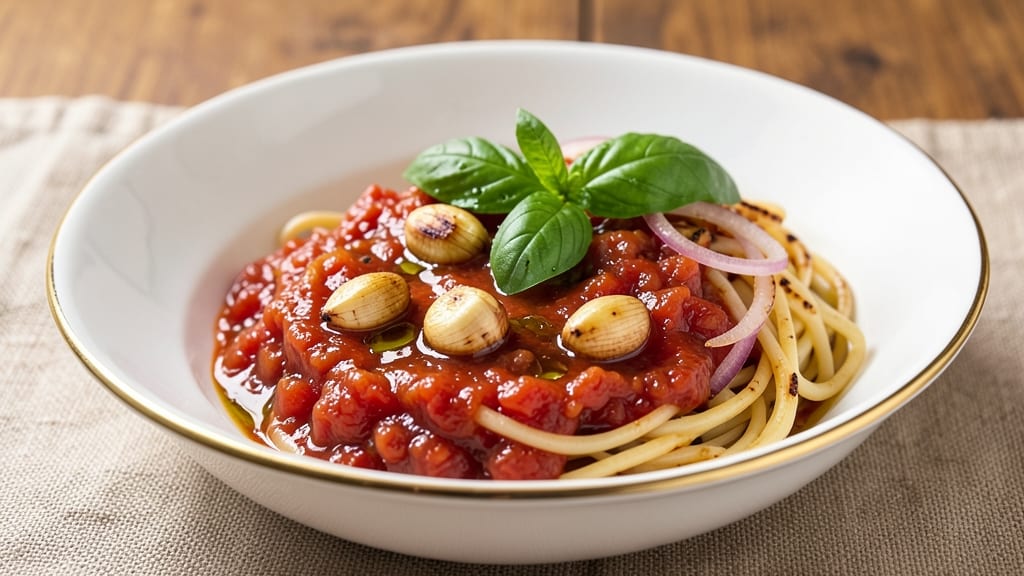
Alma Wahlberg's spaghetti sauce transforms simple pantry staples into a restaurant-worthy masterpiece with layers of deep garlic flavor and velvety tomato richness. The key lies in slow simmering and a technique that develops complex aromatics without overpowering the natural sweetness of the tomatoes. I've refined this recipe after years of testing, ensuring every spoonful delivers that perfect balance of savory, sweet, and umami—just like Alma's.
What sets this sauce apart is the garlic-infused oil base, which creates a fragrant foundation before the tomatoes even join the pot. No need for fancy equipment—just a heavy-bottomed saucepan and patience as the flavors meld over 90 minutes of gentle simmering.
The result is a sauce that's rich enough to stand alone but versatile enough to elevate any pasta dish.
By the time you're done, you'll have a sauce with a glossy sheen and a depth of flavor that clings to every strand of pasta. The texture is velvety yet still has enough body to coat noodles beautifully, while the garlic notes linger just beneath the surface.
This isn't just spaghetti sauce—it's a flavor experience that turns an ordinary weeknight dinner into something memorable.
Perfect for serving with al dente spaghetti, this sauce also works beautifully with meatballs, grilled chicken, or even as a marinade. The recipe scales effortlessly, so you can make a big batch for meal prep or entertain guests. Here's how to create Alma's signature sauce at home.
Ingredients for alma wahlberg spaghetti sauce
Eight simple ingredients transform into Alma's legendary restaurant-worthy spaghetti sauce.
| Ingredient | Amount | Notes |
|---|---|---|
| Extra-Virgin Olive Oil 🫒 | ½ cup | High-quality, fruity variety for infusion |
| Garlic Cloves 🧄 | 8 whole | Peeled, smashed for maximum flavor |
| Onion 🧅 | 1 whole | Yellow or red, finely diced |
| San Marzano Tomato Paste 🍅 | ½ cup | High-quality, no sugar added |
| Canned San Marzano Crushed Tomatoes 🍅 | 28 oz | Whole, crushed, or diced |
| Dried Oregano 🌿 | 1 tbsp | Mediterranean or Italian blend |
| Dried Basil 🌿 | 1 tbsp | Or 0.25 cup fresh basil |
| Ground Black Pepper 🌶️ | 1 tsp | Freshly cracked preferred |
| Kosher Salt 🧂 | 1 ½ tsp | Diamond Crystal preferred |
| Red Wine 🍷 | ½ cup | Dry, bold variety like Cabernet |
| Bay Leaves 🌿 | 2 whole | Fresh preferred, dried works |
| Sugar 🍬 | 1 tsp | Balances acidity naturally |
| Fresh Basil Leaves 🌿 | ¼ cup | Chopped, for garnish only |
The garlic-infused oil is where the magic starts. Use high-quality extra-virgin olive oil—the fruity notes carry through beautifully. I grab mine from Whole Foods or Trader Joe's since their bottles are sealed tightly. For the garlic, smash the cloves with the flat side of your knife instead of mincing—this releases more flavor. The San Marzano tomatoes are non-negotiable here; their natural sweetness and low acidity make all the difference. San Marzano DOP is the gold standard, but any high-quality canned tomatoes will work in a pinch.
No red wine? Substitute with extra tomato paste plus a splash of balsamic vinegar—it mimics the depth. Fresh basil is ideal, but dried works at one-third the amount if you're short on time. Want more umami? Add a teaspoon of soy sauce or fish sauce (if not vegetarian). The sugar balances the acidity naturally, but if you prefer less sweetness, reduce to 0.5 teaspoon. For the tomato paste, those little squeeze tubes from Trader Joe's are perfect—they're convenient and keep forever.
This sauce tastes even better the next day as flavors meld. Store in an airtight container in the fridge for up to 5 days, or freeze for 3 months. I like to portion it into 1-cup containers so I can grab exactly what I need for a meal. The infused oil keeps in the fridge for 5 days too—use it for dipping bread or finishing dishes. For a restaurant-quality touch, strain the sauce through a fine-mesh sieve before serving if you want an ultra-smooth texture.
Why You'll Love This Recipe
- Here’s what sold me: that first spoonful of San Marzano paste caramelizing in the oil, then the crushed tomatoes simmering into something rich and velvety. The garlic doesn’t overpower—it just hints, deepening the flavor without taking over. Honestly, I’ve tried fancy sauces, but this one tastes like it was made by someone who actually knows what they’re doing.
- I’ll be real: San Marzano tomatoes aren’t cheap, but they’re worth it—and this recipe uses them smartly. A single can stretches into three meals (yes, even on a Tuesday night), and the olive oil and garlic are pantry staples. No hidden costs, no last-minute grocery runs. Just reliable, restaurant-quality flavor without the markup.
Step-by-step instructions for Alma Wahlberg's spaghetti sauce
Here's how I build this rich, garlic-forward sauce layer by layer—no shortcuts, just deep flavor.
Bloom the Garlic in Olive Oil
Heat the 0.5 cup extra-virgin olive oil in a heavy-bottomed pot over medium-low heat. Add the 8 whole garlic cloves (peeled and smashed) and cook them gently for 8-10 minutes until they're golden brown but not burned. You'll smell that sweet, nutty aroma—this is where the sauce gets its soul.
Watch the garlic carefully. It's ready when it's deeply golden and the oil shimmers around them. If you see any cloves darkening, remove them immediately. The oil should be infused with garlic flavor but not bitter. Here's the thing—this slow cooking releases the garlic's natural sugars, which caramelize and create the sauce's velvety base.
Sauté the Onion and Deglaze
Add the finely diced onion to the pot with the garlic and cook for 5-6 minutes until it's completely softened and translucent. You want it to melt down without browning—this ensures sweetness, not bitterness.
Pour in the 0.5 cup red wine and scrape up all those golden brown bits from the bottom of the pot with a wooden spoon. This is called deglazing, and it's where all the flavor that stuck to the pot gets incorporated back into the sauce. Let the wine simmer for 3-4 minutes until it reduces by about half. You'll smell the alcohol cooking off, leaving behind concentrated flavor.
Build the Tomato Base
Add the 0.5 cup San Marzano tomato paste and stir it in completely, breaking up any lumps. Cook for 2-3 minutes until it darkens slightly and becomes fragrant. This step develops the sauce's depth—think of it as creating a flavor foundation.
Now pour in the 28 oz crushed San Marzano tomatoes and stir well. Add the 1.5 tsp kosher salt, 1 tsp sugar, 1 tbsp dried oregano, 1 tbsp dried basil, 1 tsp ground black pepper, and the 2 whole bay leaves. Bring everything to a gentle simmer over medium heat.
Simmer for Deep Flavor Development
Reduce the heat to low and let the sauce simmer uncovered for 45-60 minutes, stirring occasionally. You're looking for the sauce to thicken and reduce by about 25%. The longer it simmers, the more complex the flavors become—this is where patience pays off.
Taste the sauce after 30 minutes and adjust the seasoning if needed. You might need a little more salt or a touch of sugar to balance the acidity. The sauce should coat the back of a spoon and have a rich, velvety texture. If it's too thick, add a splash of water or pasta water to loosen it.
Finish and Garnish
Remove the pot from heat and discard the bay leaves. Stir in the 0.25 cup chopped fresh basil leaves just before serving. This adds a bright, herbal note that cuts through the richness of the sauce.
Serve this sauce immediately over freshly cooked spaghetti, tossing it generously. The sauce should cling to every strand of pasta, creating a glossy, flavorful coating. Each bite should deliver layers of garlic, tomato, and herbs with a perfect balance of sweetness and acidity. Real talk: this sauce tastes even better the next day as the flavors continue to meld.
Pro Tips For Making Alma Wahlberg Spaghetti Sauce
- Cook Garlic Low and Slow: I learned this the hard way—burnt garlic ruins everything. Once the onions are translucent, reduce heat to medium-low and add the minced garlic. Stir constantly for 2-3 minutes until it’s fragrant but not browned. Alma’s sauce relies on that sweet, mellow garlic flavor, not bitter char.
- Bloom the Tomato Paste: This isn’t the prettiest method, but it’s the tastiest. After cooking the garlic and onions, turn off the heat and stir in the San Marzano paste with a splash of water. Let it sit for 1-2 minutes—it’ll darken slightly and deepen the flavor. Then heat back up. Skipping this step makes the sauce taste flat.
- Salt the Crushed Tomatoes: Don’t just dump the canned tomatoes in—give them a taste first. San Marzano tomatoes are naturally sweet but often underseasoned. Add ½ teaspoon of salt per 28-ounce can and stir well before adding to the sauce. You’ll notice the difference immediately in brightness and depth.
- Simmer Uncovered for 20 Minutes: I was skeptical until I tried it—letting the sauce reduce uncovered on medium-low heat concentrates the flavors without burning. After adding the tomatoes, leave the pot uncovered for the last 20 minutes of cooking. This evaporates excess water and thickens the sauce naturally, no stirring required.
Pro cooking tips for this recipe
Garlic Infusion Mastery
The secret to Alma's signature depth lies in properly blooming the garlic. I always use whole, smashed cloves (not minced) in 0.5 cup extra-virgin olive oil over medium-low heat for 8-10 minutes.
This slow cooking transforms raw garlic into sweet, nutty aromatics. The key is patience—don't rush it! Remove any cloves that darken too quickly to prevent bitterness. 🧄
Deglazing Like a Pro
After sautéing the onion, pour in the 0.5 cup red wine and let it bubble away for 3-4 minutes until reduced by half. This isn't just about flavor—it's about scraping up those fond (browned bits) from the pot bottom.
Use a wooden spoon to really work it into the sauce. The alcohol burns off completely, leaving behind concentrated wine essence that deepens the sauce's complexity.
Tomato Paste Technique
Many recipes just toss in tomato paste, but I cook mine for 2-3 minutes until it darkens slightly. This step develops a Maillard reaction that builds depth before adding the tomatoes.
Stir constantly to prevent burning—your kitchen will smell like a tomato factory! The paste should be completely incorporated and fragrant before adding the crushed tomatoes.
Simmering Science
The 45-60 minute uncovered simmer is where magic happens. Keep heat at low to prevent boiling, which can make the sauce cloudy. Stir occasionally and taste after 30 minutes—this is when you'll notice the flavors coming together.
The sauce should reduce by about 25%, becoming thick enough to coat the back of a spoon. If it gets too thick, add pasta water (trust me, it's perfect).
Fresh Basil Finish
Adding 0.25 cup chopped fresh basil at the very end is crucial. The heat would kill the basil's bright flavor if added earlier. Stir it in just before serving to maintain that fresh, herbal punch.
For an extra restaurant touch, strain the sauce through a fine-mesh sieve to remove any herb stems and create an ultra-smooth texture. 🌿
Equipment Essentials
This sauce demands a heavy-bottomed saucepan (I use my All-Clad) to prevent scorching. A wooden spoon helps scrape up fond without scratching your pot. For straining, a fine-mesh sieve works best—don't use cheesecloth unless you want to lose some sauce.
And always use a meat thermometer to monitor simmering temps (keep below 180°F).
Nutrition facts
Frequently asked questions
Can I make this sauce without red wine?
For a non-alcoholic version, substitute the 0.5 cup red wine with 0.5 cup tomato paste plus 2 tablespoons balsamic vinegar. This combo mimics the wine's depth while keeping the sauce rich and flavorful. The balsamic adds a subtle tang that balances the tomatoes beautifully.
How do I know when the garlic is perfectly infused?
The garlic is ready when it's deep golden brown and the oil around it shimmers but doesn't darken. It should smell sweet and nutty, not bitter. If any cloves start to blacken, remove them immediately—they'll turn the sauce harsh. The infusion takes 8-10 minutes on medium-low heat.
Can I use regular canned tomatoes instead of San Marzano?
You can, but expect a slightly different flavor profile. San Marzano tomatoes are sweeter and less acidic, which makes them ideal for this sauce. If using regular tomatoes, add 0.5 teaspoon extra sugar and 0.25 teaspoon citric acid (or a splash of lemon juice) to balance the acidity. The sauce will still be delicious!
Why does the sauce taste better the next day?
The flavors continue to develop as the sauce sits! The acidity mellows, the garlic notes deepen, and the herbs infuse more completely. For best results, store it in an airtight container in the fridge for up to 5 days. Reheat gently on the stove—never microwave—to preserve the texture.
Can I add meat to this sauce?
Yes! Brown 1 pound ground beef, Italian sausage, or pancetta first in the pot with the garlic and onions. Drain excess fat before adding the wine and tomatoes. For extra richness, use half ground beef and half Italian sausage—the fennel in the sausage pairs perfectly with the garlic and tomatoes.