
Sauces & Condiments
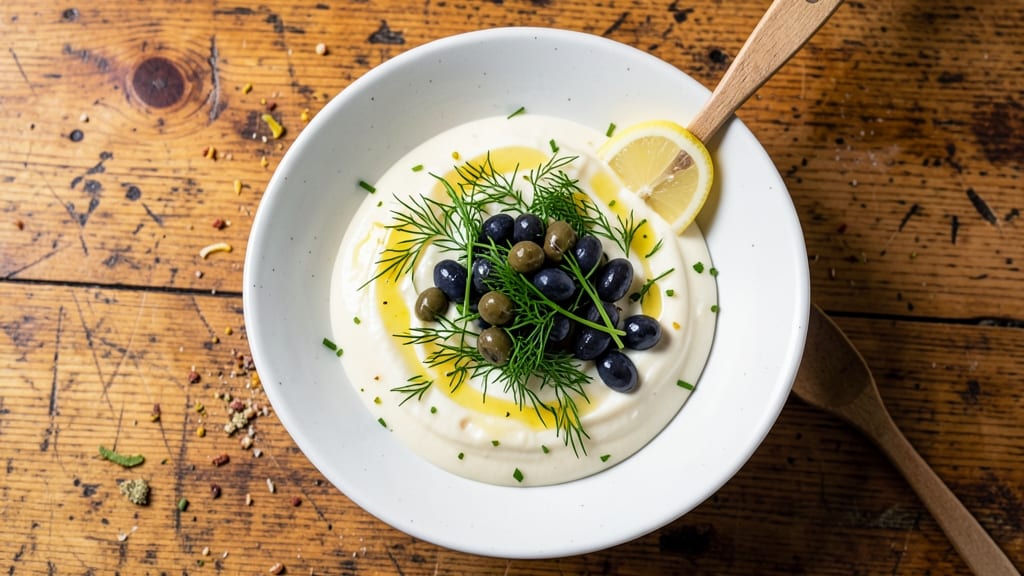
Alton Brown's tartar sauce recipe transforms a simple condiment into a bold, emulsified masterpiece with that signature tangy crunch. This isn't your basic mayo-and-pickle mix—it's a precision-balanced sauce where capers, pickles, and lemon juice cut through the richness, creating a texture that's both chunky and velvety at the same time.
The secret lies in the emulsification technique, which ensures the sauce stays stable and vibrant, even after hours in the fridge.
What sets this tartar sauce apart is the harmony of flavors: briny capers, sharp dill, and a bright vinegar zing that keeps every bite lively. Unlike store-bought versions, this recipe uses high-quality mayo (or mayo substitute) and fresh herbs to elevate the sauce beyond a simple side dish.
The process is straightforward—just whisk, fold, and let the flavors meld—but the result is restaurant-quality, perfect for drizzling over fish, seafood platters, or even as a dip for crispy fries.
The texture is where this sauce truly shines: creamy yet textured, with visible capers and pickles adding a satisfying crunch. The emulsification method guarantees it won’t separate, so you can make a batch ahead of time and keep it on hand for last-minute entertaining.
Whether you're serving it with golden-brown fried haddock or a platter of oysters, this tartar sauce will elevate your dish with every tangy, herby bite.
For those who love customization, the recipe easily adapts—swap in fresh tarragon for a more sophisticated twist or add a dash of smoked paprika for depth. Store it in an airtight container for up to 5 days, though it’s likely to disappear long before then.
This isn’t just a sauce; it’s a flavor boost that turns ordinary meals into something extraordinary.
Ingredients for alton brown tartar sauce
Precision-balanced ingredients create Alton Brown's signature emulsified tartar sauce with vibrant texture and tangy depth.
| Ingredient | Amount | Notes |
|---|---|---|
| Mayonnaise 🥫 | 1 cup | High-quality, preferably homemade or Duke's |
| Cornichons 🥒 | ½ cup | Finely chopped, French-style preferred |
| Capers 🫒 | ¼ cup | Nonpareils, rinsed and drained |
| Fresh Dill 🌿 | ¼ cup | Finely chopped, stems removed |
| Fresh Chives 🌱 | ⅛ cup | Finely minced, mild onion flavor |
| Fresh Lemon Juice 🍋 | 1 tbsp | From 1 medium lemon, freshly squeezed |
| White Wine Vinegar 🍷 | 1 tbsp | Dry, preferably French |
| Kosher Salt 🧂 | ½ tsp | Diamond Crystal preferred, adjust to taste |
| Black Pepper 🌶️ | ¼ tsp | Freshly cracked, coarse grind |
| Large Egg Yolk 🥚 | 1 whole | Fresh, for emulsification |
The mayo forms the creamy base, so Duke's or homemade is essential—store-bought brands often contain additives that disrupt emulsification. French cornichons provide the signature crunch, but Kirkland brand from Costco works well as a budget alternative. Capers should be nonpareils for fine texture; rinse thoroughly to remove excess brine. Fresh dill and chives are non-negotiable for authentic flavor—Penzeys or local farmers markets offer the best quality. The egg yolk acts as the emulsifier, binding all components into a stable sauce that won't separate. For optimal results, use room-temperature ingredients to ensure proper emulsification.
No cornichons? Finely chopped dill pickles work in a pinch, though they're larger and less refined. Substitute capers with finely chopped green olives for a different briny profile. Fresh herbs unavailable? Dried dill at one-third the amount maintains flavor, though texture will differ. The vinegar-to-lemon ratio can be adjusted—more lemon for brightness, more vinegar for acidity. For a vegan adaptation, replace the egg yolk with 1 tbsp aquafaba whisked to stiff peaks, though texture will be slightly less stable. The salt measurement is a guideline; always taste before finalizing.
This sauce achieves peak flavor after 30 minutes of chilling, allowing all components to meld. Store in an airtight container with a thin layer of olive oil on top to preserve freshness and prevent oxidation. Keeps for 5 days refrigerated or 3 months frozen—portion into ice cube trays before freezing for convenient single servings. For restaurant-quality results, prepare just before serving to maximize crispness in the cornichons and freshness in the herbs. The emulsification process means it's best used within the first 24 hours for optimal texture.
Why You'll Love This Recipe
- No-Fuss Mixing: I swear by this recipe because it’s just stirring—no blender, no straining, no stress. Toss the cornichons and capers straight into the mayo with the herbs, and you’re done. That’s it. The chopping is minimal, and the texture? Perfectly balanced every single time.
- Bright Tangy Magic: Here’s what sold me—the way the briny capers and crisp cornichons cut through the richness of the mayo. Add the fresh dill and chives, and suddenly you’ve got this lift—bright, herby, and just a little bit fancy without trying. It’s the kind of flavor that makes you want to eat it straight from the spoon.
- Game for Any Meal: This sauce isn’t just for fish tacos. I’ve slathered it on burgers, used it as a dip for fries, and even drizzled it over grilled chicken. It’s my go-to for potlucks, picnic spreads, or when I’m craving something quick but still feels special. Honestly, it’s the kind of thing that makes you look like a pro.
- Leftovers That Last: Between us, I make a big batch and keep it in the fridge for weeks. The flavors actually deepens over time—more complex, not spoiled. And because it’s mostly mayo, it’s cheap to make in bulk. Plus, it’s one of those rare sauces that tastes just as good the third day as it does fresh.
Step-by-step instructions for Alton Brown's tartar sauce
This method delivers a perfectly emulsified tartar sauce with bright acidity and fresh herb complexity.
Prepare the Herb and Pickle Mixture
In a medium bowl, combine the 0.5 cup chopped cornichons, 0.25 cup rinsed capers, 0.25 cup finely chopped fresh dill, and 0.125 cup minced fresh chives. Mix thoroughly to distribute the flavors evenly. The cornichons should be finely chopped to prevent any large pieces from disrupting the sauce's texture later. This prep work ensures every bite delivers consistent briny and herbal notes.
Add the 1 tablespoon fresh lemon juice and 1 tablespoon white wine vinegar to the herb mixture. Stir well to incorporate the acids completely. The lemon juice brightens the flavors while the vinegar adds that signature tangy zing. Let this mixture sit for 5 minutes at room temperature—this allows the flavors to meld slightly before combining with the mayonnaise.
Emulsify with Egg Yolk and Mayonnaise
In a separate, larger bowl, place the 1 cup high-quality mayonnaise. Using a small whisk or fork, gently fold in the prepared herb and pickle mixture from Step 1. Work slowly to avoid breaking the mayonnaise's emulsion. The goal is to distribute the ingredients evenly while maintaining the mayonnaise's creamy consistency. If the mixture looks too thick, add 1 teaspoon water to help incorporate everything smoothly.
Add the 1 whole large egg yolk to the bowl and gently fold it into the mayonnaise mixture using a rubber spatula. The egg yolk acts as an emulsifier, binding the ingredients together for a stable sauce. Continue folding until the egg yolk is completely incorporated and the mixture is homogeneous. The sauce should now have a smooth, velvety texture with no visible streaks of egg or herbs.
Season and Rest for Maximum Flavor
Add the 0.5 teaspoon kosher salt and 0.25 teaspoon freshly cracked black pepper to the bowl. Stir gently to combine, being careful not to overmix. Taste the sauce and adjust the seasoning if needed—you may want to add a touch more lemon juice or vinegar for brightness, or a pinch more salt to enhance the flavors. The sauce should balance briny, tangy, and herbal notes with a smooth, creamy finish.
Cover the bowl with plastic wrap and refrigerate the tartar sauce for at least 1 hour before serving. This resting period allows the flavors to fully develop and the emulsion to stabilize. The sauce will thicken slightly as it chills, achieving the perfect consistency for dipping or topping. For best results, serve within 3 days of preparation to maintain freshness and texture.
Pro Tips For Making Alton Brown Tartar Sauce
- CHOP CORNICHONS SMALL: I learned this the hard way—big chunks of cornichon scream "amateur hour." Dice them into tiny, even pieces (about 1/8-inch) so they distribute evenly and don’t turn the sauce into a pickled surprise. A sharp knife and steady hand make this faster than you’d think.
- STRAIN CAPERS WELL: Those little brine-soaked capers pack enough liquid to turn your sauce into a sad, watery mess. Drain them in a fine-mesh strainer, then press them dry with a paper towel—yes, even if they look fine. Wet capers = flavorless sauce.
- WHISK THE MAYO FIRST: Don’t just dump everything in and stir. Whisk the mayo until it’s smooth and fully aerated before adding anything else. This step guarantees a silky texture instead of a lumpy, uneven disaster—especially if you’re using a thick or homemade mayo.
- SALT THE DILL: Fresh dill loses its bright punch fast, but salting it first (toss chopped dill with 1/4 teaspoon salt) draws out moisture and intensifies the flavor. Let it sit for 5 minutes before mixing—your sauce will taste like it came from a seafood shack, not a sad jar.
Pro cooking tips for great alton brown tartar sauce
Emulsification Mastery
Alton Brown’s signature technique relies on proper emulsification—the key to a stable, velvety sauce. Start with room-temperature ingredients (especially mayo and egg yolk) to ensure smooth incorporation.
I like to whisk the egg yolk vigorously for 30 seconds before folding it into the mayo, which creates tiny air pockets that help bind the mixture. Use a rubber spatula for gentle folding—overmixing can break the emulsion and cause separation. 🥚
Texture Control
For that chunky yet creamy texture, chop cornichons and capers finely (about ¼-inch pieces). If you prefer a smoother sauce, pulse them in a food processor for 2-3 seconds—just enough to break them down without turning into a paste.
For extra crunch, add 2 tbsp toasted breadcrumbs right before serving. The egg yolk’s emulsifying power keeps the texture consistent, even after chilling.
Flavor Balance
Taste as you go! The lemon juice and vinegar should brighten the sauce, but if it tastes too sharp, add ½ tsp honey or 1 tsp sugar to mellow the acidity.
For depth, I sometimes add ½ tsp Dijon mustard to the mayo before emulsifying—it adds a subtle tang that complements the herbs. Always adjust salt last, as the other ingredients (especially capers) already contribute significant flavor. 🌿
Equipment Essentials
You don’t need fancy tools, but a small whisk and rubber spatula make emulsification easier. For precision chopping, I use a sharp chef’s knife and a cutting board—never a dull blade, as it crushes herbs instead of cleanly slicing.
A fine-mesh sieve helps drain capers thoroughly, removing excess brine that can make the sauce too salty. For storage, transfer to an airtight glass container with a thin layer of olive oil on top to preserve freshness.
Troubleshooting Tips
If your sauce separates, whisk in 1 tsp cold water and gently re-emulsify. For a thicker consistency, chill for 1-2 extra hours—the cold helps stabilize the emulsion. If it’s too thin, add 1 tsp more mayo and fold in.
Over-chilling can make the sauce grainy, so serve it at room temperature for the best texture. Pro tip: If you’re nervous about emulsification, mix the mayo and egg yolk first, then fold in the herbs and pickles gradually. ✨
Make-Ahead Secrets
Prepare the sauce 1 day ahead for deeper flavor development, but store it in the fridge (not the freezer) to maintain texture. Before serving, give it a quick stir and adjust seasoning—it often needs a pinch more salt after chilling.
For freezing, portion into ice cube trays, then transfer to a bag. Thaw overnight in the fridge and stir gently to restore smoothness. The egg yolk’s emulsifiers weaken over time, so frozen sauce is best used within 1 month.
Nutrition facts
Frequently asked questions
Can I make this tartar sauce without eggs?
Yes! For a vegan version, replace the egg yolk with 1 tablespoon aquafaba (chickpea brine) whisked to stiff peaks. Fold it into the mayo mixture just like the egg yolk, but expect slightly less stability—it may separate faster. For a more stable option, use 1 tablespoon Dijon mustard instead, though texture will be smoother.
How do I fix separated tartar sauce?
Whisk in 1 teaspoon cold water and gently fold it back together with a rubber spatula. If that doesn't work, mix 1 teaspoon mayo into a small amount of the separated sauce until smooth, then stir it back into the rest. Chill for 30 minutes to help re-stabilize the emulsion. Avoid adding water directly to the whole batch—it can break the emulsion further.
What's the best way to store leftover tartar sauce?
Transfer to an airtight glass container with a thin layer of olive oil on top to preserve freshness. It keeps for 5 days refrigerated—give it a quick stir before serving. For freezing, portion into ice cube trays, freeze solid, then transfer to a bag. Thaw overnight in the fridge and stir gently. Frozen sauce is best used within 1 month for optimal texture.
Can I use this sauce for dishes other than seafood?
While it's perfect for fish and seafood platters, this tartar sauce also works beautifully as a dip for crispy fries, a topping for baked potatoes, or a spread for sandwiches. For a sweet twist, add 1 teaspoon honey and serve with grilled chicken or vegetable platters. The bright flavors cut through rich dishes beautifully.
Why does my tartar sauce taste too salty?
Capers and cornichons contain significant salt, so taste before adding the ½ teaspoon kosher salt. If needed, balance the flavor with 1 teaspoon lemon juice or ½ teaspoon sugar to mellow the saltiness. For future batches, rinse capers thoroughly in a fine-mesh sieve to remove excess brine. Always taste as you go—seasoning can be adjusted at any point.