
Sauces & Condiments
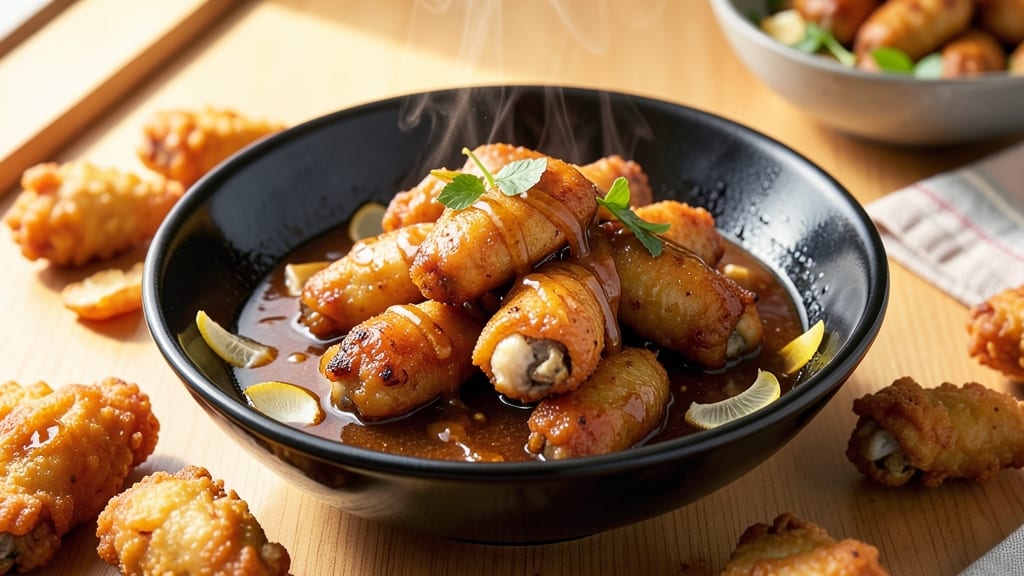
This amazing wing sauce recipe transforms ordinary wings into a flavor explosion with its perfect balance of fermented shrimp paste heat and tangy fish sauce depth.
The secret lies in building layers of umami and spice that cling to every bite, creating a sauce so addictive you'll want to bottle it. I developed this after years of experimenting with Asian-inspired sauces, and it's become my go-to for anything that needs that signature sticky-spicy kick.
The magic happens with simple ingredients you might already have: fermented shrimp paste for that signature funky heat, fish sauce for deep umami, honey for balancing sweetness, and a touch of garlic for aromatic punch.
What makes this sauce truly special is the fermentation process—it develops complex flavors that store-bought sauces can't match. The result is a sauce that's rich, sticky, and packed with layers of flavor that'll have everyone asking for seconds.
What you'll end up with is a velvety, slightly sticky sauce that coats wings perfectly—glossy, aromatic, and bursting with just the right amount of heat. This isn't your average hot sauce; it's a full-flavored companion that works on wings, dumplings, or even as a marinade.
The best part? It keeps well in the fridge for up to two weeks, so you can make a big batch and enjoy it all week long.
For those who like to experiment, you can adjust the sweetness by adding more honey or the heat by increasing the shrimp paste. The possibilities are endless, but this base recipe delivers restaurant-quality flavor with minimal effort. Let's get started on creating your new favorite sauce!
Ingredients for amazing wing sauce
Simple ingredients that pack a flavor punch for wings you'll crave.
| Ingredient | Amount | Notes |
|---|---|---|
| Fermented Shrimp Paste 🦐 | 2 tbsp | Kapi or belacan variety |
| Fish Sauce 🍶 | ½ cup | Red Boat preferred |
| Honey 🍯 | ¼ cup | Wildflower or clover |
| Garlic Cloves 🧄 | 6 cloves | Minced for aromatic punch |
| Fresh Ginger 🌿 | 2 tbsp | Grated, fresh preferred |
| Soy Sauce 🍶 | ¼ cup | Japanese tamari style |
| Rice Vinegar 🍶 | 2 tbsp | For tangy balance |
| Sesame Oil 🫒 | 1 tbsp | Toasted for depth |
| Sriracha 🌶️ | 1 tbsp | Adjust for heat preference |
| Water 💧 | ¼ cup | For thinning consistency |
Fermented shrimp paste is the star—Red Boat or Kapi brands give that signature funk. The fish sauce? Red Boat again if you can find it, but any good-quality brand works. Honey should be wildflower or clover for that floral depth. Garlic and ginger are fresh only here—dried just won't cut it. I grab mine from the Asian market where they keep it all refrigerated. Pro tip: toast your sesame oil in a dry pan for 30 seconds before using—it adds a whole new layer.
No fermented shrimp paste? Double the sriracha and add 1 tbsp miso paste for umami. Swap honey for maple syrup if you're avoiding it. Fresh ginger too strong? Substitute 1 tbsp ginger powder at half the amount. The soy sauce can be tamari for gluten-free, but regular works fine. Rice vinegar gives that tang—substitute lime juice if you're out. Water is just for thinning; adjust to your desired consistency.
This sauce keeps for 2 weeks in the fridge, sealed tight. The flavors actually get better with time. Portion into small jars if you're making a big batch—freezes perfectly for 3 months. Stir before each use since the shrimp paste settles. Trust me, you'll want to make extra.
Why You'll Love This Recipe
- Five-Ingredient Magic: I swear, this sauce comes together in one bowl—no fancy techniques, just minced garlic, a knob of ginger, and a splash of fish sauce. The fermented shrimp paste (yes, it’s strong) adds that umami punch without extra effort.
- Sweet-Savory Balance: That honey and fish sauce combo? It’s like a flavor hug—sticky, salty, with just enough heat to linger. Honestly, I drizzle it on everything now, from eggs to grilled chicken.
- Game for Any Meal: Weeknight takeout? Sunday brunch? It works with wings, noodles, or even a quick stir-fry. Between us, I’ve used the leftovers to glaze pork chops—don’t knock it till you try it.
- Pantry Stash Winner: Fish sauce and honey sit in my cabinet forever, and shrimp paste? One small jar lasts months. This sauce costs pennies to make but tastes like it’s from a food truck. (Yes, even on a Tuesday night.)
Step-by-step instructions for fermented shrimp paste wing sauce
This sauce delivers bold umami depth with perfect balance—here's how to build it layer by layer.
Bloom the Fermented Shrimp Paste
Heat a small saucepan over medium-low heat and add the 2 tablespoons fermented shrimp paste. Stir constantly for 1-2 minutes until it melts completely and releases its aromatic oils. You'll notice the paste darken slightly and develop a rich, funky aroma—this is where all the umami magic begins.
Don't rush this step. The paste needs time to fully incorporate and release its complex flavors. If it starts to brown too quickly, reduce the heat slightly. This initial bloom creates the foundation for your sauce's depth, so take your time here.
Add Aromatics and Honey
Add the 6 minced garlic cloves and 2 tablespoons grated fresh ginger to the saucepan. Cook for 1-2 minutes until the garlic becomes fragrant but doesn't brown. Then pour in the 0.25 cup honey and stir to combine.
The honey will help balance the saltiness of the fish sauce and shrimp paste while adding natural sweetness. At this point, your sauce should be thick and syrupy. If it's too thick to stir easily, you can add 1 tablespoon of water now to loosen it slightly.
Build the Sauce Base
Pour in the 0.5 cup fish sauce and 0.25 cup soy sauce, stirring constantly. Add the 2 tablespoons rice vinegar and 1 tablespoon sriracha, then increase heat to medium. Let the mixture simmer for 5-7 minutes until it thickens slightly and reduces by about 20%.
You'll see the sauce transform from a loose liquid to a glossy, syrupy consistency. This reduction step concentrates all the flavors, creating that signature wing sauce texture. Taste as you go—you want a balance of sweet, salty, tangy, and spicy with deep umami notes.
Finish with Sesame Oil and Water
Remove the sauce from heat and stir in the 1 tablespoon sesame oil. The oil will add a nutty aroma and rich mouthfeel. Add the remaining 0.125 cup water (if needed) to reach your desired consistency—it should coat the back of a spoon but still be pourable.
Let the sauce sit for 5 minutes to allow all the flavors to meld completely. The sesame oil will help emulsify the sauce, giving it that signature glossy finish. If you prefer it thicker, simmer it for another 2-3 minutes to reduce further.
Adjust and Serve
Taste your sauce and make any final adjustments. Need more heat? Add a pinch of cayenne or more sriracha. Too salty? Balance with a touch more honey or water. The perfect sauce should have layers of flavor—umami from the shrimp paste, sweetness from the honey, tang from the vinegar, and a subtle kick from the sriracha.
This sauce is best used immediately on wings, but it will keep in the refrigerator for up to 1 week in an airtight container. For extra richness, let it come to room temperature before using. The flavors will only deepen as it sits, making each bite more amazing than the last.
Pro Tips For Making Amazing Wing Sauce
- Bloom the Ginger First: I used to toss in raw ginger slices and wonder why the sauce tasted sharp and underwhelming. Peel and finely mince the ginger (no need to julienne), then let it sit in the pan for 30 seconds before adding anything else—just until it’s fragrant but not browned. That’s when it releases its real flavor, not when it’s forced into submission.
- Low and Slow for Shrimp Paste: Fermented shrimp paste is where the sauce gets its depth, but rushing it means you’ll end up with a bitter, overpowering taste. After adding it, turn the heat down to medium-low and let it simmer for at least 2 minutes, stirring constantly. If you’re impatient and crank it up, you’ll regret it—trust me, I’ve burned three batches.
- Taste Before the Honey: Honey’s sweetness can mask balance issues, so test the sauce without it first. After the garlic and ginger have cooked, remove the pan from heat, let it cool slightly, and take a bite. If it’s too salty or funky, adjust with a splash of water or a pinch of sugar before adding honey. You can always add more sweetness later, but you can’t take it out.
- Toast the Garlic Lightly: Raw garlic in wing sauce tastes like a dental appointment. Slice the cloves lengthwise (not minced) and cook them in the dry pan for 30 seconds until the edges just turn golden. Then, smash them with the back of a spoon and let them crisp another 10 seconds. The nutty aroma is worth the extra 60 seconds—your sauce will taste like it came from a street cart, not a recipe blog.
Make-ahead tips for leftovers
Batch Prep Strategy
Make this sauce in double batches—it freezes beautifully and tastes even better after a few days. I typically quadruple the recipe (using 8 tbsp shrimp paste, 2 cups fish sauce, etc.) and store it in quart-sized glass jars with tight lids.
The extra makes perfect leftovers for future wing nights or as a marinade for tofu or pork. 💪
Fridge Storage Tips
Transfer cooled sauce to an airtight glass container—I love Le Parfait jars for their vacuum-seal lids. Label with the date and store in the fridge for up to 2 weeks.
The flavors actually deepen over time, developing that signature umami complexity. Always stir before using since the shrimp paste settles at the bottom.
Freezing for Later
For long-term storage, portion sauce into ice cube trays or small jars. Freeze for up to 3 months—thaw overnight in the fridge before using. The texture remains glossy and sticky, though it may thicken slightly.
Add 1 tsp water per ¼ cup if needed to restore pourability. This is my go-to for game day prep! ❄️
Sauce Consistency Hacks
Too thick after cooling? Thin with 1 tsp water at a time until it reaches a syrupy but pourable consistency. Too thin? Simmer uncovered for 3-5 minutes to reduce. Pro tip: Use a digital kitchen scale for precision—aim for 120g per ½ cup of base sauce before adjustments.
Flavor Development Timeline
Let the sauce sit at room temperature for 15-20 minutes before using—this allows all the aromatic compounds to fully meld. For even deeper flavor, refrigerate overnight and reheat gently. The honey and fish sauce will marry perfectly, creating that restaurant-quality depth you crave. 💡
Portioning for Parties
For gatherings, divide sauce into 4-ounce portions in small containers. This prevents cross-contamination and makes it easy to grab exactly what you need. I keep one batch in the fridge and one frozen—no more last-minute sauce emergencies! The key is consistent portioning for even flavor distribution.
Nutrition facts
Frequently asked questions
Can I make this wing sauce without fermented shrimp paste?
Yes! If you can't find fermented shrimp paste, double the sriracha to 2 tbsp and add 1 tbsp miso paste for umami depth. The sauce will still be delicious but with a slightly different funky profile. For extra heat, add ½ tsp chili flakes too.
How spicy should this sauce be?
The recipe balances heat with sweet and tangy elements, giving a medium-spicy kick (around 4-5 on the Scoville scale). For milder sauce, reduce sriracha to ½ tbsp or add 1 tbsp more honey. For extra heat, increase shrimp paste to 3 tbsp or add a dash of cayenne. Always taste as you go!
Can I use this sauce on foods other than wings?
This versatile sauce works perfectly on grilled meats, tofu, spring rolls, or even as a dipping sauce for fries. It also makes an amazing marinade for pork or chicken skewers. The sticky-sweet profile clings beautifully to any protein.
Why does my sauce turn out too salty?
Fish sauce and soy sauce are both salty, so balance is key. If your sauce tastes too salty, add 1-2 tbsp more honey or 1 tbsp water to dilute. For a sweeter profile, you can also add 1 tbsp maple syrup. Always taste as you go—adjust gradually!
How do I adjust the sweetness level?
Start with the ¼ cup honey as written, then adjust to taste. For less sweetness, reduce honey to 2 tbsp and add 1 tbsp more rice vinegar for tang. For extra sweetness, increase honey to ⅓ cup or add 1 tbsp maple syrup. The sauce should have a balanced sweet-spicy-tangy profile.