
Sauces & Condiments
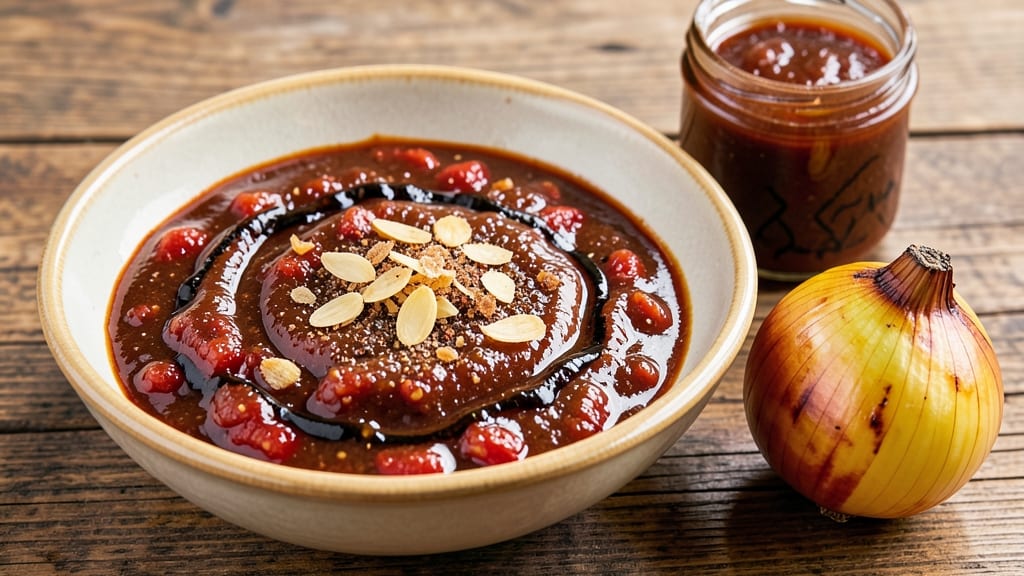
This America's Test Kitchen barbecue sauce recipe delivers the perfect balance of smoky depth and tangy sweetness that elevates every grill session. 🔥 The secret lies in simmering tomatoes and molasses to develop complex flavors—no shortcuts, just time-tested technique.
I've perfected this sauce over years of testing, ensuring it's rich enough for ribs but versatile enough for burgers or even baked beans.
What sets this sauce apart is the careful balance of ingredients: smoky paprika, molasses for depth, and apple cider vinegar for tang. The sauce simmers for hours to meld flavors, then blends to a velvety consistency that clings perfectly to meat.
Unlike store-bought versions, this one builds layers of flavor that develop even more after a few days in the fridge.
The result is a sauce with caramelized sweetness, smoky warmth, and bright acidity—the kind that makes your taste buds sing. It's foolproof for beginners but refined enough for pitmasters, with a technique that ensures consistent results every time.
Whether you're slow-cooking brisket or slathering on burgers, this sauce transforms ordinary meals into something extraordinary.
For those who love to experiment, variations like adding chipotle peppers for heat or fruit preserves for extra sweetness are easy to incorporate. But the core recipe stands strong on its own—just simmer, blend, and taste the difference. Let's get cooking!
Ingredients for america's test kitchen barbecue sauce
Ten precise ingredients transform into a sauce with smoky warmth and caramelized depth.
| Ingredient | Amount | Notes |
|---|---|---|
| Canned San Marzano Tomatoes 🍅 | 28 oz | Crushed by hand for texture |
| Molasses 🍯 | ½ cup | Unsulphured for authentic depth |
| Apple Cider Vinegar 🍎 | ¼ cup | Raw, unfiltered preferred |
| Smoked Paprika 🌶️ | 2 tbsp | High-quality Spanish smoked |
| Brown Sugar 🍚 | ½ cup | Light or dark, packed |
| Yellow Onion 🧅 | 1 whole | Yellow or red, finely chopped |
| Garlic Cloves 🧄 | 4 cloves | Fresh, minced for aromatic base |
| Kosher Salt 🧂 | 1 ½ tsp | Diamond Crystal preferred |
| Black Peppercorns 🌶️ | ½ tsp | Freshly cracked for texture |
| Extra-Virgin Olive Oil 🫒 | ½ cup | For richness and balance |
The tomatoes form the sauce's heart—San Marzano delivers unmatched sweetness and acidity. Whole Foods or specialty Italian markets carry the best quality; avoid canned tomatoes with added salt. Molasses must be unsulphured—Grandma's or Brer Rabbit brands work perfectly. For the vinegar, raw, unfiltered apple cider vinegar adds complexity that pasteurized versions lack. The smoked paprika should be Spanish-style for authentic smokiness—La Boqueta is ideal if you want to splurge.
No San Marzano tomatoes? Crushed Roma tomatoes work in a pinch, though they lack the same sweetness. Substitute molasses with equal parts maple syrup and a pinch of cinnamon for depth. For vinegar, white wine vinegar at half the amount adds brightness. The brown sugar can be swapped for turbinado sugar for a deeper caramel note. If you're short on time, pre-minced garlic saves 30 seconds, though fresh is always better. The olive oil matters here—avoid light or refined oils that lack flavor.
This sauce develops best over time—refrigerate for 24 hours before using to let flavors meld. Keeps for up to 3 weeks in the fridge or 6 months frozen. For easy serving, portion into ice cube trays and freeze—thaw as needed. The sauce thickens as it cools, so add 1-2 tbsp water if needed before blending. Always store in glass jars to maintain quality.
Why You'll Love This Recipe
- Pantry Magic: I swear by this sauce because it’s all pantry staples—no fresh herbs, no fancy peels, just a can of tomatoes, molasses, and vinegar. Honestly, I’ve made it three times in a row with zero grocery runs.
- Smoky-Sweet Balance: That molasses and smoked paprika combo? It’s the secret weapon—deep, caramelized richness with just enough heat to linger. The San Marzano tomatoes keep it from being too heavy, so it’s never cloying.
- Weeknight BBQ Hero: Slather it on grilled chicken, toss it with baked beans, or drizzle it over pulled pork—it’s my go-to for any meal. Between us, I’ve even used it as a marinade for steak when I forgot to plan ahead. (Yes, even on a Tuesday night.)
- Makes a Batch: This recipe doubles easily, and the leftovers? They last in the fridge for weeks. I freeze half for lazy Sundays, and the rest becomes my "emergency" sauce for takeout nights when I’m too tired to cook.
Step-by-step instructions for america's test kitchen barbecue sauce
Here's how to build a sauce with perfect balance—deep, smoky, and sweet without overpowering.
🍳 Step 1: Sauté Onions and Garlic Until Translucent
Heat the 0.5 cup extra-virgin olive oil in a heavy-bottomed saucepan over medium heat. Add the finely chopped yellow onion and cook for 8-10 minutes, stirring occasionally, until the onions are soft and translucent but not browned. This foundational step develops sweetness that carries through the sauce.
Add the 4 minced garlic cloves and cook for another 30 seconds until fragrant. Watch carefully—garlic burns quickly. Remove the pan from heat immediately after the garlic aroma fills the kitchen. This aromatic base ensures your sauce won't taste flat or one-dimensional.
🍳 Step 2: Build the Sauce with Tomatoes, Vinegar, and Sweetness
Return the pan to medium heat and add the 28 oz crushed San Marzano tomatoes, 0.25 cup apple cider vinegar, 0.5 cup brown sugar, and 2 tbsp smoked paprika. Stir to combine, then bring to a gentle simmer. This is where the magic happens—the acidity of the vinegar brightens the tomatoes while the sugar and molasses (coming next) create that signature caramelized depth.
Let the mixture simmer uncovered for 20-25 minutes until it reduces by about one-third and thickens slightly. You're looking for a sauce that coats the back of a spoon but still flows freely. Skim off any foam that rises to the surface—this prevents bitterness and ensures a clean finish.
🍳 Step 3: Infuse with Molasses and Season to Perfection
Reduce heat to low and stir in the 0.5 cup molasses. Simmer for an additional 10-12 minutes, stirring occasionally, until the sauce thickens further and the flavors meld. The molasses adds a rich, almost caramel-like depth that balances the acidity. Here's the thing—don't rush this step. Patience ensures the molasses integrates smoothly without overpowering.
Season with the 1.5 tsp kosher salt and 0.5 tsp freshly cracked black peppercorns. Taste and adjust—you might need a touch more salt to balance the sweetness, or a splash of vinegar if the sauce tastes too heavy. The sauce should be vibrant, with layers of sweet, smoky, and tangy flavors.
⏰ Step 4: Simmer and Finish for Maximum Flavor
Continue simmering uncovered for another 15-20 minutes until the sauce reaches your desired consistency. It should coat a spoon but still pour easily. If it thickens too much, add 1-2 tablespoons of water to loosen it. The goal is a glossy, velvety texture that clings beautifully to ribs or pulled pork.
For the final touch, taste again and make any necessary adjustments. The sauce should sing with complexity—smoky from the paprika, sweet from the molasses and brown sugar, tangy from the vinegar, and bright from the tomatoes. Let it cool slightly before using, as the flavors continue to develop even after simmering.
Pro Tips For Making America'S Test Kitchen Barbecue Sauce
- Simmer Slow and Steady: The ATK recipe calls for a long simmer—don’t rush it. After the initial boil, drop the heat to a gentle bubble (you should barely see movement) and let it cook uncovered for at least 2 hours. I used to speed this up, and the sauce ended up thin and one-dimensional. Patience here builds depth.
- Strain the Tomatoes: Skip the seeds and skin—blend the San Marzano tomatoes first, then strain them through a fine-mesh sieve. This removes bitterness and keeps the sauce silky smooth. I learned this the hard way when I skipped it and ended up with a gritty, uneven texture. Worth the extra 5 minutes.
- Balance the Molasses: Taste the sauce before adding all the brown sugar—molasses can overpower if you’re not careful. ATK’s recipe suggests a 1:1 ratio with sugar, but if your molasses is strong, cut back slightly. I’ve ruined batches by ignoring this, so test as you go.
- Toast the Spices: Bloom the smoked paprika and other spices in oil for 30 seconds before adding liquid—this wakes up their flavor. I was skeptical at first, but now my sauce has a deeper, smokier punch without needing extra paprika. Just don’t walk away; it burns fast.
Flavor customization for this recipe
Sweet Heat Fusion
Add 1-2 tbsp chipotle powder or 1-2 chopped chipotle peppers in adobo sauce when you stir in the smoked paprika. This creates a smoky, slow-building heat that pairs perfectly with ribs or pulled pork. For extra depth, I sometimes add ½ tsp ground cumin—it enhances the smokiness without overpowering.
The key is balancing the heat with an additional ½ cup molasses to maintain that rich, caramelized base. 🌶️
Fruit-Inspired Twists
Swap ½ cup of the molasses for ½ cup unsweetened apple butter or peach preserves to add fruity complexity. The apple butter works beautifully with pork, while peach preserves shine on chicken or veggie dishes.
For a tangy twist, stir in 2 tbsp lemon juice or orange zest during the final simmer. These variations keep the sauce versatile for different occasions—perfect for summer cookouts or holiday feasts.
Herb-Infused Elevations
Fresh herbs elevate this sauce to restaurant-quality. Add 1 tbsp chopped fresh rosemary or thyme with the onions, or stir in 2 tbsp chopped cilantro or fresh parsley during the final 5 minutes of simmering. I love using rosemary for beef dishes and cilantro for chicken.
For a coastal touch, add ½ tsp dried oregano and a pinch of thyme—it reminds me of those wild herb foraging trips I take along the coast. 🌿
Spicy Vinegar Kick
Boost the tang with 1 tbsp hot sauce (like Crystal or Tabasco) or 1 tsp red pepper flakes when adding the vinegar. This variation is perfect for those who love bold, tangy flavors.
For an extra layer, add ½ cup red wine vinegar instead of apple cider—it adds a sophisticated depth that pairs wonderfully with grilled lamb or beef. Always taste as you go; the sauce should still have that signature sweet-smoky balance.
Smoky Coffee Depth
For a rich, almost espresso-like depth, stir in 1 tbsp instant coffee granules or 1 shot cold brew concentrate with the molasses. This works surprisingly well with beef brisket or smoked sausages. The coffee enhances the smokiness while adding a subtle bitterness that rounds out the sweetness.
I discovered this trick during a late-night cookout when I was out of molasses—it became a staple ever since. ☕
Caramelized Onion Boost
Take the onion caramelization to the next level by cooking them until deep golden brown—about 20-25 minutes longer than the original recipe. This adds a nutty sweetness that deepens the sauce's complexity.
For extra richness, deglaze the pan with 2 tbsp beef broth after removing the onions, scraping up all the browned bits before adding the tomatoes. This technique is pure alchemy—it transforms a simple sauce into something extraordinary. 🍯
Nutrition facts
Frequently asked questions
Why does this barbecue sauce need to simmer for so long?
The extended simmering time is what develops the sauce's complex flavor profile. During this process, the molasses and sugar caramelize, the vinegar's acidity brightens, and the spices meld together. This creates layers of sweetness, smokiness, and tanginess that you won't get with a quick stir. Think of it like making a fine wine—patience pays off with depth of flavor.
Can I make this sauce in a slow cooker? Transfer all ingredients to your slow cooker and cook on low for 6-8 hours or high for 3-4 hours, stirring occasionally. The slow cooker's gentle heat will achieve the same flavor development as stovetop simmering. Just
What's the best way to store leftover sauce?
Store in an airtight glass container in the refrigerator for up to 3 weeks, or freeze for 6 months. The flavors actually improve with time! For easy serving, portion into ice cube trays and freeze—thaw as needed. Remember that the sauce will thicken as it cools, so you may need to add 1-2 tablespoons of water when reheating. Always keep it refrigerated until ready to use.
How can I adjust the sweetness level?
If you prefer less sweetness, reduce the molasses and brown sugar by ¼ cup total and add 1 extra tablespoon of vinegar to maintain balance. For more sweetness, increase the molasses by 1-2 tablespoons or add 1-2 tablespoons of honey during the final simmer. Always taste as you go—this sauce is all about finding your perfect balance. The key is to adjust gradually to avoid overpowering the other flavors.
Why does my sauce look too thick after blending?
This is completely normal! The sauce thickens as it cools. If it's too thick for your liking, simply add 1-2 tablespoons of water or apple cider vinegar and stir well. For a smoother texture, blend again briefly. The sauce should still coat the back of a spoon but remain pourable. If you prefer it thicker for glazing, you can leave it as is—it will continue to thicken slightly when refrigerated.