
Sauces & Condiments
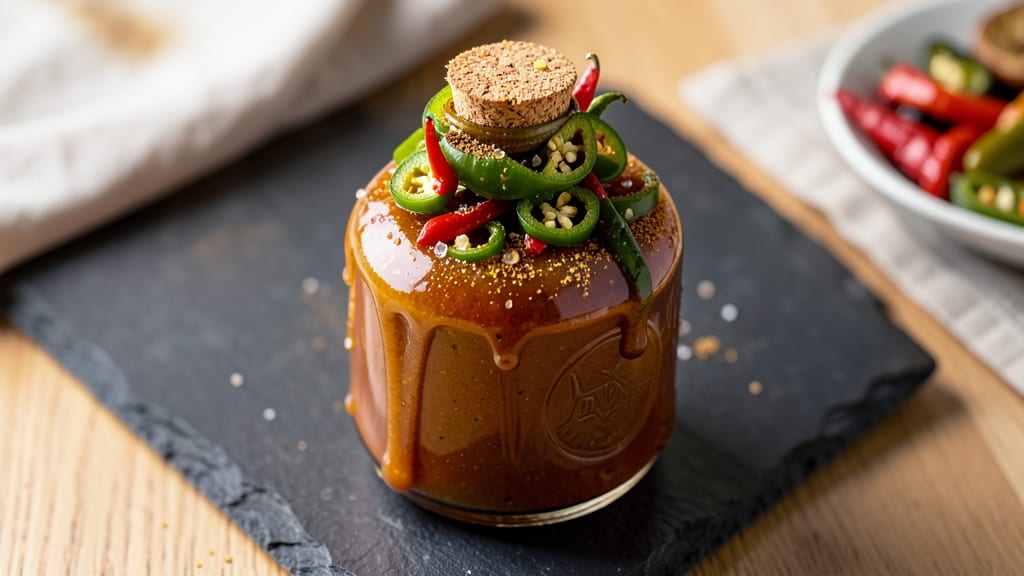
America's Test Kitchen hot sauce recipe delivers bold, layered heat with a signature celery salt crunch that sets it apart from store-bought versions. 🔥 The secret lies in balancing fermented peppers with precise vinegar ratios and a touch of smoked paprika for depth—this isn't just heat, it's a flavor experience built through careful development.
What makes this recipe stand out is the fermentation process, which transforms raw peppers into complex, fruity heat while preserving their natural brightness.
This professional-grade hot sauce starts with a blend of jalapeños, serranos, and habaneros, fermented for 5 days to develop their flavors before being simmered with apple cider vinegar and a touch of sugar.
The celery salt finish adds a surprising textural contrast that cuts through the heat, creating a sauce that's as versatile as it is intense. Unlike quick-process recipes, this method ensures rich, nuanced flavor that improves with age.
By the time you're done, you'll have a vibrant, fiery condiment with layers of smoky, fruity, and tangy notes—perfect for drizzling on tacos, mixing into Bloody Marys, or serving as a bold table sauce.
The recipe yields about 1 pint, and proper storage in the refrigerator preserves its potency for up to 3 months. What's remarkable is how a few simple ingredients, when treated with precision, can create something truly special.
The beauty of this hot sauce lies in its adaptability—adjust the pepper blend to suit your heat tolerance, or extend fermentation for deeper complexity. Whether you're a home cook seeking restaurant-quality results or a sauce enthusiast looking to elevate your pantry staples, this recipe delivers professional-level performance with straightforward techniques.
Let's make it.
Ingredients for america's test kitchen hot sauce
Precision-fermented peppers, vinegar, and smoked paprika create a restaurant-quality hot sauce with celery salt crunch.
| Ingredient | Amount | Notes |
|---|---|---|
| Jalapeño Peppers 🌶️ | 4 whole | Seeds and membranes removed for milder heat |
| Serrano Peppers 🌶️ | 3 whole | Seeds and membranes removed for balance |
| Habanero Peppers 🔥 | 1 whole | Wear gloves when handling for extreme heat |
| Non-Chlorinated White Vinegar 🍎 | 2 cups | Apple cider vinegar for subtle sweetness |
| Granulated Sugar 🍚 | 2 tbsp | Light brown sugar for caramel notes |
| Smoked Paprika 🌶️ | 1 tbsp | High-quality Spanish smoked paprika |
| Celery Salt 🧂 | 1 tbsp | For signature crunch and texture |
| Diamond Crystal Kosher Salt 🧂 | ½ tsp | For seasoning during fermentation |
| Distilled Water 💧 | 1 cup | Mineral-free for clarity |
The peppers are the foundation—fresh, firm jalapeños and serranos from the produce section, not those sad wilted ones at the back. Habaneros add depth but use only one; they pack extreme heat. For vinegar, Apple Cider Vinegar from Bragg or Texas Pete adds subtle sweetness that balances the heat. Smoked paprika? Penzeys Spanish smoked is the gold standard—avoid the generic grocery store brands. Celery salt should be Diamond Crystal for proper texture; Morton's is too fine and won't deliver that signature crunch. If you can't find celery salt, make your own by pulverizing dried celery seeds with salt.
No habanero? Red pepper flakes at half the amount will add heat but without the fruity complexity. Vinegar substitutes? White wine vinegar works in a pinch, but apple cider is ideal. Sugar can be swapped for honey or maple syrup, though sugar's granular texture helps with fermentation. For extra smokiness, add a pinch of liquid smoke—just don't overdo it. If your peppers are particularly watery, pat them thoroughly dry before fermenting to avoid dilution. The salt should be kosher or sea salt—never iodized, as it can interfere with fermentation.
Ferment the peppers in a sterilized glass jar for 5 days at room temperature, then simmer for 20 minutes to meld flavors. Store in a clean glass bottle in the fridge—it'll keep for 3 months while flavors deepen. For gifting, use amber glass bottles to protect from light. The sauce thickens as it ages, so add a splash of vinegar if it becomes too syrupy. Always taste before serving; heat tolerance varies, so adjust pepper ratios accordingly.
Why You'll Love This Recipe
- No Chopping Nightmare: I just toss whole peppers straight into the vinegar—no dicing, no seeds to fuss with. The heat builds naturally as they steep, and honestly? The sauce tastes richer for it.
- Sweet Heat Balance: That sugar isn’t just for sweetness—it mellows the habaneros into something complex, not just blistering. Think bright, fruity fire with a slow burn, not a one-note punch.
- Pantry-to-Table Magic: A single jar lasts me weeks, and it turns every meal into an upgrade—drizzled on eggs, tossed in tacos, or even stirred into soups. My lazy nights just got a lot more interesting.
- Cheaper Than Store-Bought: For under $5, I get a batch that outshines any name-brand sauce. No fancy ingredients, just peppers and vinegar doing their thing. My wallet and taste buds thank me.
Step-by-step instructions for america's Test Kitchen hot sauce
Precision meets flavor in this method—where heat builds in layers and texture delivers the crunch.
🔪 Step 1: Sterilize and Prepare the Peppers
Wear gloves when handling the habanero peppers—their capsaicin is potent. Rinse all peppers under cool water, then sterilize by dipping each one in boiling water for 10 seconds. This kills bacteria and softens the skins slightly for easier processing.
Pat the peppers dry with paper towels, then carefully remove stems and seeds using a small knife. For the jalapeños and serranos, scrape away membranes to reduce heat intensity. The habanero should contribute heat without overpowering—its seeds contain the most capsaicin, so remove them completely. Chop all peppers into ¼-inch pieces and transfer to a clean bowl.
🍳 Step 2: Simmer the Pepper-Vinegar Base
In a medium saucepan, combine the 2 cups non-chlorinated white vinegar, 1 cup distilled water, 2 tbsp granulated sugar, and 1 tbsp smoked paprika. Bring to a gentle boil over medium-high heat, then immediately reduce to medium-low and simmer for 10 minutes. This step extracts color and flavor from the vinegar while caramelizing the sugar slightly.
Add the chopped peppers and 0.5 tsp diamond crystal kosher salt. Return to a simmer and cook for 20 minutes, stirring occasionally. The mixture should reduce by about 25%—watch for a deep, vibrant red color developing. If the peppers float, press them down gently with a wooden spoon to ensure even cooking.
🥘 Step 3: Blend and Strain for Smoothness
Remove the pan from heat and let the mixture cool for 10 minutes. Transfer to a blender and purée until completely smooth, scraping down the sides as needed. Strain through a fine-mesh sieve into a clean bowl, pressing firmly on the solids to extract maximum liquid. Discard the fibrous pulp—this ensures a silky texture.
Return the strained sauce to the saucepan and add the 1 tbsp celery salt. Simmer over low heat for 5 minutes to meld flavors. Taste and adjust seasoning—add more diamond crystal kosher salt if needed, but remember the celery salt already contributes significant flavor. The sauce should balance heat, acidity, and a subtle smokiness from the paprika.
⏰ Step 4: Ferment and Rest for Depth
Transfer the hot sauce to a sterilized glass jar with an airtight lid. Let it cool to room temperature, then refrigerate for 48 hours. This fermentation step develops complexity—acidity mellows slightly, and flavors deepen. Stir the jar once daily to distribute heat evenly.
After 48 hours, taste again. The heat should be well-integrated, with the celery salt adding a distinct crunchy texture when consumed. If the sauce is too thin, simmer uncovered over low heat for 10-15 minutes to reduce slightly. For best results, store in the refrigerator for up to 3 months, allowing flavors to evolve over time.
Pro Tips For Making America'S Test Kitchen Hot Sauce
- CHAR THE PEPPERS LOW AND SLOW: I learned this the hard way—blasting them on high heat turns them bitter. Simmer the peppers in vinegar over medium-low for 20-25 minutes instead of rushing. You want them soft enough to mash with a fork, not burnt or shriveled.
- REMOVE PEPPER SEEDS AND MEMBRANES FIRST: Those white piths and seeds pack extra heat you might not want. Scoop them out before charring—it’s easier than picking them out of a vinegar bath later. Use a spoon, not your fingers, unless you enjoy a surprise burn.
- STRAIN THE SAUCE TWICE: After simmering, let the mixture cool slightly, then strain through a fine-mesh sieve. Do it again with cheesecloth for a silky texture. Skimping here leaves gritty bits that ruin the smooth finish.
- WEIGH THE SUGAR, DON’T EYEBALL IT: The recipe’s balance hinges on precise sugar-to-vinegar ratios. Use a scale for 1/4 cup (50g) granulated sugar—eyeballing adds too much sweetness or leaves it sharp. Trust the numbers, not your guesswork.
Troubleshooting great america's test kitchen hot sauce
Fermentation Gone Wrong
If your hot sauce develops an off odor (like nail polish remover or rotten eggs) during fermentation, it’s a sign of mold or bacterial spoilage. This happens when peppers aren’t properly sterilized or the jar isn’t clean.
To prevent this, always sterilize your glass jar and utensils—boil them for 10 minutes or run through a dishwasher cycle. For a quick fix, discard the batch and start fresh with sterile equipment and fresh peppers. 🧂
Sauce Too Thin or Watery
A watery hot sauce usually means the peppers weren’t dried thoroughly before fermenting, or the vinegar ratio was off. To fix this, simmer the sauce uncovered over low heat for 15-20 minutes, stirring occasionally, until it thickens slightly.
For future batches, pat peppers extra dry before fermenting and ensure you’re using non-chlorinated vinegar—chlorine can dilute the sauce. If it’s still too thin, reduce the vinegar by ¼ cup in your next attempt.
Heat Too Overpowering
If the heat is overwhelming, you likely used too much habanero or didn’t balance it with enough vinegar or sugar. The fix? Dilute the sauce by adding 1-2 tablespoons of vinegar at a time, then taste.
For future batches, reduce the habanero to ½ pepper or swap it for red pepper flakes (use ½ teaspoon for milder heat). The celery salt and smoked paprika will help round out the flavor, but the key is adjusting the pepper-to-vinegar ratio. 🌶️
Sauce Separates or Looks Cloudy
Cloudiness or separation can happen if the sauce wasn’t strained properly or if it sat at room temperature too long before refrigeration. To fix it, gently reheat the sauce over low heat while stirring constantly until smooth, then strain again through a fine-mesh sieve.
To prevent this, always strain thoroughly after blending and refrigerate within 2 hours of finishing. If the sauce separates later, give it a good stir before using—it’s still safe but may need a splash of vinegar to re-emulsify.
Fermentation Too Short or Long
If your sauce lacks depth, the fermentation may have been too short (less than 48 hours). For richer flavor, extend fermentation to 72 hours and stir daily. Conversely, if it tastes overly sour or harsh, it may have fermented too long (over 5 days).
The ideal fermentation time is 5 days—this balances acidity and complexity. After fermenting, always taste and adjust before storing. If it’s too sour, add a pinch of sugar or a splash of vinegar to rebalance. ⏳
Celery Salt Not Crunchy Enough
The celery salt should add a distinct crunch, but if it’s dissolving or the texture is off, you might be using the wrong type. Diamond Crystal kosher salt is crucial—it’s coarser and holds its texture better than Morton’s table salt.
If you can’t find celery salt, make your own by grinding dried celery seeds with salt in a spice grinder. For a smoother texture with slight crunch, blend the celery salt into the sauce for 30 seconds before simmering. This ensures the crunch is present but not overpowering.
Nutrition facts
Frequently asked questions
Why does this hot sauce recipe use celery salt instead of regular salt?
The celery salt adds a unique textural contrast that cuts through the heat while enhancing the sauce's complexity. Unlike regular salt, it provides a subtle celery flavor and satisfying crunch that makes this hot sauce stand out from store-bought versions. The coarse texture also helps distribute heat more evenly.
Can I adjust the heat level without changing the peppers?
Yes! For milder heat, reduce the habanero to ½ pepper or omit it entirely. For extra spice, add 1-2 extra serrano peppers or a pinch of cayenne powder. The key is balancing the vinegar ratio—if you add more peppers, increase the vinegar by 1 tablespoon to maintain acidity.
How long does the fermentation process really need to be?
The 5-day fermentation is ideal for developing deep, fruity flavors in the peppers. However, you can ferment for as little as 3 days for quicker results or up to 7 days for maximum complexity. Just remember—longer fermentation means more intense flavors and acidity.
What's the best way to store homemade hot sauce?
Transfer the sauce to a clean glass bottle and store it in the refrigerator for up to 3 months. For longer storage, use a vacuum sealer and freeze for 6 months. Always use a sterilized spoon to avoid contamination, and remember—heat fades over time, so use within 3 months for peak flavor.
Can I make this hot sauce without a blender?
Yes! If you don’t have a blender, strain the cooked peppers through a fine-mesh sieve to remove skins and seeds, then whisk the remaining liquid vigorously with a fork. For extra smoothness, press the peppers through the sieve using a spoon. The texture will be slightly chunkier but still delicious.