
Sauces & Condiments
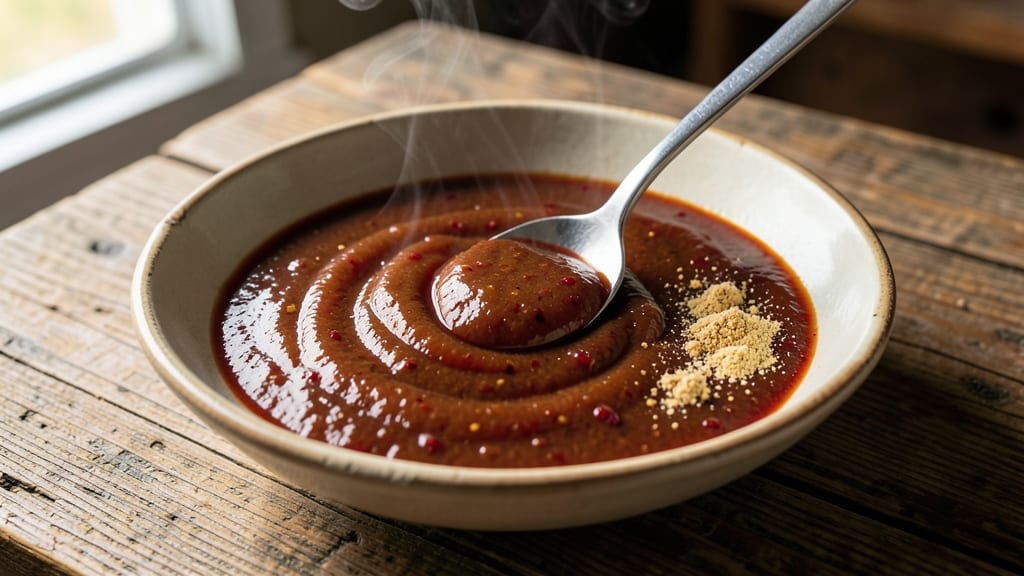
America's Test Kitchen BBQ sauce recipe delivers the perfect balance of sweet heat that transforms grilled meats into masterpieces. 🔥 I've spent years perfecting this sauce—where the caramelized sugar meets smoky depth without overpowering the natural flavors of your grill.
The key lies in a slow reduction that develops complex layers of flavor, something you won't find in store-bought versions.
This sauce starts with a simple foundation of ketchup, vinegar, and brown sugar, but it's the careful simmering and precise spice blend that creates restaurant-quality results. You'll work with just 9 ingredients—no fancy techniques required, just patience as the flavors meld together over 30 minutes on the stove.
The sauce thickens beautifully, coating your meats with that signature glossy finish.
What sets this apart is the ability to customize the heat level—whether you prefer a subtle tang or full-on smoky fire. The sauce works equally well on ribs, chicken, or even grilled vegetables, making it the ultimate grilling companion.
Once you try this version, you'll never reach for the store-bought bottle again.
The best part? This sauce keeps beautifully in the refrigerator for up to 2 weeks, so you can make a big batch and have it ready for your next cookout. Let's get started on creating your perfect BBQ sauce from scratch—your grill is about to get an upgrade.
Ingredients for america's test kitchen bbq sauce
Nine simple ingredients transform into America's Test Kitchen's signature BBQ sauce—smoky, sweet, and packed with depth.
| Ingredient | Amount | Notes |
|---|---|---|
| Ketchup 🍅 | 1 ½ cups | High-quality, no added sugar preferred |
| Apple Cider Vinegar 🍏 | ½ cup | For tangy depth and balance |
| Light Brown Sugar 🍚 | ¾ cup | Packed for maximum caramelization |
| Smoked Paprika 🌶️ | 1 tbsp | For that signature smoky flavor |
| Garlic Powder 🧄 | 1 tbsp | Freshly ground preferred |
| Onion Powder 🧅 | 1 tbsp | Adds subtle sweetness and depth |
| Ground Black Pepper 🌶️ | ½ tsp | Freshly cracked for brightness |
| Cayenne Pepper 🔥 | ½ tsp | Adjust for desired heat level |
| Extra-Virgin Olive Oil 🫒 | 2 tbsp | For richness and glossy finish |
The ketchup and vinegar form the backbone of this sauce, so Heinz Natural or Organicville are my go-tos—they've got cleaner ingredients without the artificial junk. Brown sugar isn't just for sweetness; it caramelizes beautifully during the slow reduction, adding that rich, complex flavor. Trader Joe's has an affordable bulk option, but any light brown sugar will work. For the smoked paprika, Penzeys or McCormick are reliable brands—just make sure it's labeled 'smoked' for that authentic BBQ vibe. The garlic and onion powders here are non-negotiable for building layers of flavor, and freshly ground versions make a world of difference.
No smoked paprika? Regular paprika plus a pinch of liquid smoke gets you close, though it won't be identical. Running low on vinegar? Balsamic vinegar at half the amount adds a deeper tang, but stick to apple cider for the classic balance. For the heat, red pepper flakes at double the amount work in a pinch, but cayenne delivers a cleaner, smokier heat. If you're making this ahead, taste the sauce early—you can always add more sugar or vinegar to balance as it reduces. The olive oil might seem like an afterthought, but it's what gives the finished sauce that glossy, restaurant-quality sheen.
This sauce tastes even better the next day as the flavors meld. Store it in a glass jar in the fridge for up to 2 weeks, though I rarely have any left that long. For leftovers, reheat gently on the stove with a splash of water to loosen it up. Freezing isn't recommended—it can separate and lose its glossy texture. Make a double batch if you can; you'll want it on hand for every grill session.
Why You'll Love This Recipe
- Here’s what sold me: this sauce improves overnight. The flavors meld, and the texture thickens just right, so I always double the batch. Store it in the fridge for up to a month, and it’s still the star of the show.
- Pantry Magic: I swear by this sauce because it uses things I already have—no special shopping trips. The ketchup and vinegar balance perfectly, and that brown sugar? It caramelizes just enough to give it a subtle depth without needing extra effort.
- Smoky Garlic Kiss: Honestly, the smoked paprika and garlic powder combo is chef’s kiss—warm, slightly sweet, with that deep smokiness that makes it taste homemade. It’s the kind of flavor that lingers and makes you want to slather it on everything.
- Weeknight Wonder: Between us, this is my go-to for quick dinners, potlucks, or even as a glaze for roasted veggies. I’ve used it on burgers, chicken, and even drizzled it over baked beans—no rules, just deliciousness.
Step-by-step instructions for america's Test Kitchen BBQ sauce
This sauce delivers perfect balance—sweet, smoky, and just enough heat to make every bite unforgettable.
🍳 Step 1: Combine Wet Ingredients for Maximum Flavor Extraction
In a medium saucepan over medium heat, pour in the 1.5 cups ketchup and 0.5 cup apple cider vinegar. Stir gently to mix, then bring to a gentle simmer. You'll see tiny bubbles form around the edges—that's your cue it's ready for the next step.
Here's the thing—vinegar needs time to mellow out its sharpness. Let this mixture simmer uncovered for 5-7 minutes until it reduces slightly and the raw vinegar aroma softens into a bright, tangy foundation. I like to stir occasionally, but don't overdo it—you want those flavors to meld naturally.
👨🍳 Step 2: Sweeten and Spice with Precision
Reduce heat to low and add the 0.75 cup light brown sugar, stirring constantly until completely dissolved. This is where the magic happens—the sugar starts caramelizing immediately, deepening the sauce's complexity. Let it cook for 3-4 minutes until the mixture thickens slightly and becomes glossy.
Now for the spice blend: whisk in the 1 tbsp smoked paprika, 1 tbsp garlic powder, 1 tbsp onion powder, 0.5 tsp ground black pepper, and 0.5 tsp cayenne pepper. The sauce will darken and smell incredible—like a campfire on a summer night. Taste it now (careful, it's hot!) and adjust the cayenne if you want more heat.
🔥 Step 3: Finish with Olive Oil for Richness
Remove the saucepan from heat and let it cool for 2 minutes. This cooling period prevents the olive oil from separating when added. Then stir in the 2 tbsp extra-virgin olive oil—this is what gives the sauce that luxurious finish and helps it cling beautifully to grilled meats.
Here's where it gets fun—give it one final taste and make any adjustments. Need more tang? Add a splash of vinegar. Want it sweeter? A pinch more sugar. The sauce should coat the back of a spoon with a perfect balance of sweet, smoky, and spicy flavors. Let it cool completely before using—this allows all the flavors to truly meld together.
⏰ Step 4: Simmer for Depth (Optional but Recommended)
For an even more complex sauce, return the pan to low heat and simmer uncovered for 10-15 minutes. This slow reduction intensifies all the flavors and creates that signature thick, glossy consistency. Watch carefully—you want it to thicken but not burn. If it gets too thick, whisk in 1-2 tablespoons of water to reach your desired consistency.
When you're happy with the texture, transfer the sauce to a clean jar and let it cool completely. The flavors will continue developing as it sits, making it even more amazing the next day. This sauce keeps in the refrigerator for up to 2 weeks, perfect for batch cooking before your next BBQ.
Pro Tips For Making America'S Test Kitchen Bbq Sauce
- Simmer Slow and Steady: I learned this the hard way—rushing the simmer turns this sauce into a sticky mess. Keep it at a gentle bubble (not rolling) for at least 20 minutes, stirring occasionally. The longer it cooks, the deeper the flavor, but don’t let it boil hard or the vinegar will evaporate too fast, leaving you with a cloying sweetness.
- Use Real Cider Vinegar: That cheap white vinegar substitute? Skip it. Apple cider vinegar adds complexity and balances the sugar perfectly. If you’re using a bottle with sediment, strain it first—you don’t want grit in your sauce. (Yes, even if you’re impatient like me.)
- Balance the Sugar Early: Taste before the full 20 minutes are up. If the sugar is overpowering, add a splash of vinegar or a pinch of salt to cut through it. I used to let it go too long, thinking more sugar = better, but this sauce needs acidity to shine. Adjust in small increments—you can’t fix it later.
- Toast the Spices First: Dry-toast the smoked paprika and garlic powder in a small pan for 30 seconds until fragrant. This step might seem silly, but it amplifies their flavors way more than just dumping them in. (Bonus: It keeps your sauce from tasting like raw spices.)
Common mistakes when making this recipe
Over-Simmering Ruins
I’ve seen this happen more times than I can count—someone walks away from the stove, and suddenly, their sauce turns into a sticky, burnt mess. The key is watching that sauce like a hawk once you add the sugar.
It’s easy to let it sit too long on medium heat, and before you know it, you’ve got a charred disaster. Keep the heat at low after adding sugar, and stir frequently. If it starts to darken too quickly, reduce the heat even further. 🔥
Skipping the Vinegar Mellowing
The vinegar’s sharpness can overpower the sauce if you don’t let it simmer first. I’ve tasted sauces where someone just dumped everything in and walked away—big mistake. That 5-7 minute simmer before adding sugar is crucial.
It softens the vinegar’s bite and lets the flavors marry properly. If you’re in a rush, at least let it sit for 3 minutes before proceeding.
Adding Oil Too Early
This is a rookie move, but it happens all the time. Adding olive oil while the sauce is still hot causes it to separate, leaving you with a greasy, unappetizing mess. Always let the sauce cool for 2 minutes before stirring in that 2 tbsp olive oil.
The oil adds richness and helps the sauce cling to meats, but timing is everything. Trust me, I’ve learned this the hard way!
Ignoring the Cooling Phase
You might be eager to slather that sauce on your ribs, but rushing it is a mistake. Letting the sauce cool completely before using allows all the flavors to fully meld.
If you taste it too soon, the spices and sugar might still be competing rather than working together. Patience here makes all the difference—your taste buds will thank you later. ⏳
Using Low-Quality Ingredients
I can’t stress this enough—cheap ketchup, generic spices, or old vinegar will ruin your sauce. Invest in Heinz Natural ketchup or Organicville for cleaner flavors, and use freshly ground spices like Penzeys smoked paprika.
The difference is night and day. If you’re using store-brand spices, toast them lightly in a dry pan first to wake up their flavors.
Not Tasting as You Go
This is the biggest oversight I see in home cooks. You must taste the sauce at each stage—after simmering the vinegar, after adding sugar, and especially after mixing in the spices.
Adjust the cayenne for heat, add a pinch more sugar if it’s too tangy, or balance it with a splash of vinegar. Your palate is your best tool—don’t skip this step! 💡
Nutrition facts
Frequently asked questions
Can I make this BBQ sauce without vinegar?
The vinegar is essential for balancing the sweetness and adding tang, but if you're avoiding it, try substituting with lemon juice or orange juice at half the amount. However, the sauce may taste slightly different—vinegar's acidity helps develop deeper flavors during the simmering process.
How do I adjust the heat level in this sauce?
Start with the 0.5 tsp cayenne pepper as written, then taste and adjust. For milder heat, reduce to 0.25 tsp or omit completely. For extra spice, add 0.25 tsp more cayenne or a pinch of red pepper flakes. Always taste after adding spices and before finalizing the sauce.
Can I use this sauce on non-meat dishes?
This versatile sauce works beautifully on grilled vegetables (like peppers and zucchini), tofu, or even as a dipping sauce for fries or onion rings. The smoky-sweet profile complements many savory dishes beyond just meats.
Why does my sauce get too thick when simmering?
This happens when the sauce reduces too much. If it becomes too thick, whisk in 1-2 tablespoons of water or apple cider vinegar to reach your desired consistency. For future batches, reduce the simmering time slightly or keep the heat at low to prevent over-reduction.
How long should I cook the meat before applying the sauce?
For best results, apply the sauce during the last 10-15 minutes of cooking. This prevents burning and allows the sauce to caramelize slightly while the meat finishes cooking. For thicker cuts like ribs, consider a 3-2-1 method—3 hours uncovered, 2 hours wrapped, and 1 hour with sauce.