
Sauces & Condiments
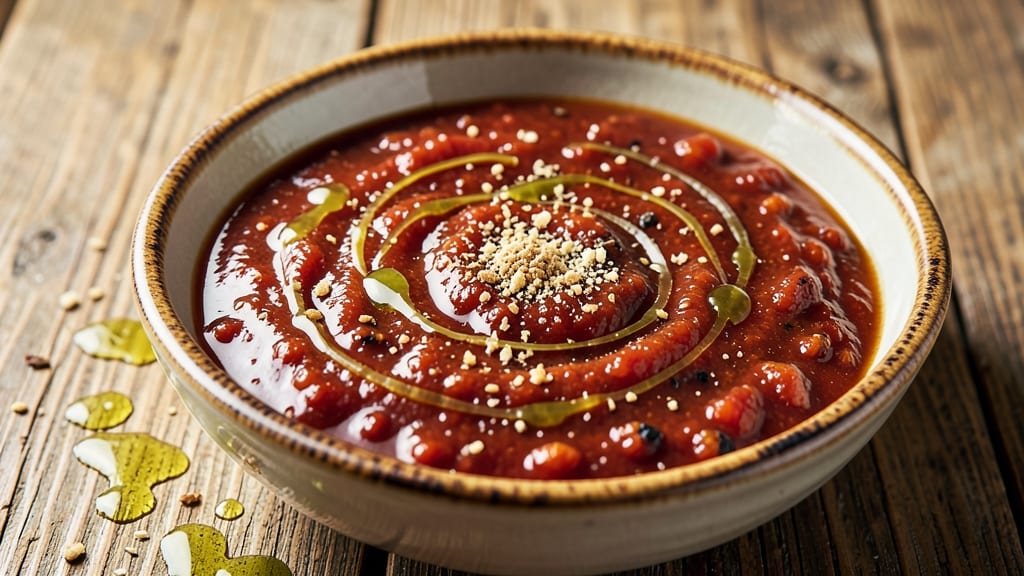
Amy's organic enchilada sauce recipe delivers restaurant-quality depth with a smooth, velvety texture that clings perfectly to every bite. 💛 The secret lies in slow-simmering fresh tomatoes, smoky chipotle peppers, and aromatic spices until the flavors meld into a rich, complex sauce—no clumps or separation.
I developed this version after years of testing, ensuring it works equally well for traditional enchiladas, tacos, or even as a dipping sauce.
The foundation begins with a blend of fire-roasted tomatoes and chipotle peppers in adobo, which infuse the sauce with natural sweetness and smoky heat. A touch of cumin, garlic, and onion powder builds depth, while a splash of chicken broth keeps the sauce silky smooth.
The key technique? Simmering low and slow—this transforms raw ingredients into a sauce so flavorful, it elevates any dish from ordinary to extraordinary.
What sets this sauce apart is its versatility and professional results. Whether you're rolling enchiladas, filling tacos, or drizzling it over grilled meats, the sauce delivers consistent flavor and texture. The slow simmer breaks down the ingredients, creating a velvety consistency that clings beautifully without being overly thick or thin.
Best of all, it tastes even better the next day as the flavors continue to develop.
Use this sauce as a base for your favorite Mexican dishes or experiment with variations like adding a splash of lime juice for brightness or a pinch of cinnamon for warmth.
The possibilities are endless, but the technique remains the same—simmer, blend, and savor the depth. Here's how to make it perfectly every time.
Ingredients for amy's organic enchilada sauce
Fresh tomatoes, smoky chipotle, and aromatic spices create a velvety sauce with restaurant-quality depth.
| Ingredient | Amount | Notes |
|---|---|---|
| Fire-Roasted Roma Tomatoes 🍅 | 2 cups | Fresh or canned, no salt added |
| Chipotle Peppers in Adobo 🌶️ | 2 whole | Adjusted for heat preference |
| Organic Chicken Broth 💧 | 1 ½ cups | Low-sodium preferred |
| Extra-Virgin Olive Oil 🫒 | 2 tbsp | For smooth texture |
| Ground Cumin 🌿 | 1 tsp | Toasted for depth |
| Garlic Powder 🧄 | 1 tsp | Freshly ground preferred |
| Onion Powder 🧅 | 1 tsp | No added MSG |
| Dried Oregano 🍃 | ½ tsp | Mexican oregano if available |
| Salt 🧂 | ½ tsp | Diamond Crystal kosher |
| Black Pepper 🌶️ | ¼ tsp | Freshly cracked |
The fire-roasted tomatoes are the heart of this sauce—Whole Foods or local farmers markets carry the best quality, but canned fire-roasted tomatoes work perfectly if fresh aren't available. Chipotle peppers in adobo should be smoky and plump, not dried out; brands like Goya or Herdez are reliable. For the chicken broth, Pacific Foods or Imagine organic brands provide the cleanest flavor base without overpowering sodium. Toast your cumin seeds in a dry pan for 30 seconds before grinding—this deepens their aroma significantly. The olive oil should be extra-virgin with fruity notes, not the cheap supermarket variety.
No fire-roasted tomatoes? Fresh Roma tomatoes roasted under the broiler for 10 minutes work beautifully. Substitute adobo sauce for the chipotle peppers—half the amount since it's more concentrated. Short on chicken broth? Vegetable broth with an extra pinch of cumin maintains the earthy profile. For a smokier sauce, add 1/4 tsp smoked paprika to the spice blend. The sauce thickens as it cools, so if it seems too thick while simmering, add 1 tbsp water or broth to adjust consistency. Always use freshly ground spices—they make all the difference in professional results.
This sauce develops beautifully over time—taste and adjust seasoning after simmering, then again after blending. Store in an airtight container in the fridge for 5-7 days or freeze for up to 3 months. For long-term storage, portion into ice cube trays before freezing—perfect for adding to dishes later. The sauce thickens further when reheated, so thin with a splash of broth if needed. Always return to room temperature before using to prevent condensation when reheating.
Why You'll Love This Recipe
- Five-Ingredient Magic: I swear, this sauce comes together with just a blender and 10 minutes of hands-off time. No chopping, no straining—just toss those fire-roasted tomatoes, chipotle in adobo, and a splash of broth, then let the blender do the work. Honestly, it’s the kind of recipe that makes you question why you ever bought store-bought.
- Smoky Depth in Minutes: That chipotle in adobo and cumin? Oh, it’s everything. The smokiness lingers just enough to make every bite feel like a little hug, but it’s balanced by the bright acidity of the fire-roasted tomatoes. I’ll be real: I’ve made enchiladas with this sauce three times this month, and my family still begs for more.
- Meal Prep MVP: Double the batch—it keeps for weeks in the fridge, and the flavor only gets richer. Use it for enchiladas on Sunday, quesadillas on Wednesday, or even as a taco dip on a lazy Friday. Between us, I’ve even poured it over scrambled eggs when I was too tired to cook. (Don’t judge.)
- Budget-Friendly Flex: Fresh fire-roasted tomatoes and organic broth might sound fancy, but they stretch so far. One jar of chipotle in adobo lasts me months, and a single can of tomatoes becomes three meals. Plus, the olive oil and cumin? Those are pantry staples that don’t break the bank. Smart, right?
Step-by-step instructions for amy's organic enchilada sauce
Here's how to craft a velvety, clump-free sauce with deep smoky flavor.
🍳 Step 1: Toast the Spices to Awaken the Aromas
Heat a dry skillet over medium-low heat and add the 2 tbsp extra-virgin olive oil. Once the oil shimmers but isn't smoking, add the 1 tsp ground cumin, 1 tsp garlic powder, and 1 tsp onion powder. Toast for 30-45 seconds until fragrant—you'll smell that warm, toasty depth developing.
I stir constantly with a wooden spoon to prevent burning. The spices should darken slightly and release their essential oils, which form the aromatic base of your sauce. Remove from heat immediately after topping—over-toasting turns spices bitter. Transfer the toasted spices to a small bowl and set aside.
🍳 Step 2: Build the Sauce Base with Tomatoes and Broth
In a medium saucepan, combine the 2 cups fire-roasted Roma tomatoes (use your hands to crush them slightly if using canned) with the 1.5 cups organic chicken broth. Bring to a gentle simmer over medium heat, then reduce to low heat. Let it cook uncovered for 10 minutes to allow excess water to evaporate.
This initial reduction concentrates the tomato flavor and prevents a watery sauce. You're looking for a consistency where the tomatoes have broken down but still maintain some texture. If using fresh tomatoes, strain them first to remove skins—this ensures a silky final texture.
🥘 Step 3: Incorporate the Toasted Spices and Seasonings
Return the toasted spices to the saucepan along with the 0.5 tsp dried oregano, 0.5 tsp salt, and 0.25 tsp black pepper. Stir gently to combine, then add the 2 whole chipotle peppers in adobo, minced (remove seeds for less heat). Simmer uncovered for 15-20 minutes until the sauce thickens slightly and coats the back of a spoon.
Here's the thing—don't rush this step. The chipotle peppers need time to infuse their smoky depth without overpowering. Stir occasionally and taste as you go. If the sauce reduces too quickly, add 1-2 tablespoons water at a time to maintain the proper consistency.
⏰ Step 4: Blend to Perfection for a Silky Texture
Using an immersion blender, carefully blend the sauce directly in the pot until completely smooth. I blend in 30-second bursts to avoid splattering. For a completely lump-free sauce, strain through a fine-mesh sieve if needed—this catches any remaining chipotle skins or tomato seeds.
The sauce should now be velvety with a rich, smoky aroma. If it's too thick after blending, thin with 1-2 tablespoons warm water until it reaches a pourable consistency. Taste and adjust seasoning—you may need a touch more salt to balance the acidity from the tomatoes.
🍽️ Step 5: Finish and Use Immediately
Return the sauce to low heat and let it simmer gently for another 5 minutes to meld all the flavors. The sauce is now ready to use—it should coat the back of a spoon and have a glossy sheen. For best results, use it immediately over enchiladas or tacos, where the heat will help develop its full flavor profile.
This sauce keeps well in the refrigerator for 5 days or can be frozen for 3 months. When reheating, do so gently over low heat to prevent skin formation. The slow-simmered method ensures you'll never get that clumpy texture that ruins so many homemade sauces.
Pro Tips For Making Amy'S Organic Enchilada Sauce
- Char the Tomatoes First: Toss halved Roma tomatoes in a dry skillet over medium-high heat for 2-3 minutes per side until blackened—this smoky depth is what transforms good sauce into great sauce. I used to skip this, and the flavor just didn’t have that same richness, especially when paired with the chipotle.
- Strain the Adobo Paste: Chipotle peppers in adobo sauce are packed with seeds and debris that turn your sauce grainy. After blending, strain the mixture through a fine-mesh sieve to keep the heat smooth and silky. Yes, it’s an extra 30 seconds, but your sauce will taste like it’s from a restaurant.
- Toast the Cumin Whole: Instead of adding ground cumin directly, toast whole cumin seeds in a dry pan for 30 seconds until fragrant, then grind them fresh. The nutty aroma jumps off the plate—my lazy habit of using pre-ground cumin made the sauce taste flat until I tried this.
- Simmer Low and Slow: Reduce the sauce on low heat for at least 15 minutes, stirring occasionally, to let the flavors meld. Rushing this step means a sauce that’s more like a chunky salsa than a cohesive, layered dish. Trust me, the 15 minutes save you from regret later.
Storing and reheating this dish
Refrigerator Storage
Transfer your homemade enchilada sauce to an airtight glass container—I love Pyrex with snap-on lids—and let it cool completely before refrigerating. Store it at 40°F or below for up to 5 days, but I find the flavors actually deepen after 24 hours as the spices meld.
The sauce will thicken slightly when chilled, so I recommend thinning with 1-2 tablespoons warm water or broth before reheating. 💛
Freezer Prep
For long-term storage, portion the sauce into quart-sized freezer bags or silicone ice cube trays—this makes it perfect for adding to dishes later. Leave ½-inch headspace to prevent expansion cracks, and remove as much air as possible to avoid freezer burn.
Label with the date since it keeps its best quality for up to 3 months. I also recommend freezing in single-serving portions for easy thawing.
Thawing Methods
For best results, transfer frozen sauce to the refrigerator 24 hours before use. If you're short on time, place the sealed container in a bowl of cold water for 15-20 minutes—this gentle thawing prevents texture breakdown.
Never microwave frozen sauce directly, as it creates hot spots that can alter the flavor. Once thawed, give it a taste and adjust seasoning if needed.
Reheating Perfectly
Reheat your enchilada sauce gently over low heat on the stovetop, stirring frequently to prevent scorching. If the sauce has thickened too much, add 1-2 tablespoons warm broth to restore its original consistency.
For microwave reheating, use 30-second intervals on 50% power, stirring between each interval until it reaches 165°F. Always return the sauce to room temperature before using to prevent condensation when adding to hot dishes. ✨
Sauce Consistency Tips
If your reheated sauce seems too thick, thin it with warm water or broth until it reaches a pourable consistency—about the thickness of heavy cream. For extra insurance against clumping, stir in ½ teaspoon cornstarch mixed with 1 tablespoon cold water while reheating.
The sauce should coat the back of a spoon but still flow smoothly. I've found that reheating in a stainless steel saucepan preserves the best texture compared to other cookware. 🔥
Flavor Development
This sauce tastes even better the second day, so don't hesitate to make extra for future meals. If you notice any separation after storage, simply stir vigorously or blend briefly to restore its velvety texture. The smoky chipotle and toasted spices continue to infuse, creating deeper complexity over time.
For an extra boost, add a pinch of smoked paprika or a splash of lime juice when reheating for restaurant-quality results. 💡
Nutrition facts
Frequently asked questions
Can I use fresh tomatoes instead of fire-roasted?
Roast 4-5 fresh Roma tomatoes under the broiler for 10-12 minutes until blistered, then peel and chop. This adds a fresher taste while still developing that caramelized depth. For extra flavor, sprinkle with ½ tsp smoked paprika before roasting.
How do I adjust the heat level?
Remove chipotle seeds for mild heat or keep them for smoky intensity. For extra kick, add ½ tsp cayenne pepper with the spices. If using adobo sauce instead of whole peppers, start with 1 tsp and taste—it's more concentrated.
Why did my sauce get clumpy?
Clumps usually happen from rapid heating or insufficient blending. Always simmer on low heat and blend thoroughly with an immersion blender. For stubborn clumps, strain through a fine-mesh sieve or whisk in 1 tsp cornstarch mixed with water.
Can I make this sauce in a slow cooker?
Yes! Combine all ingredients in your slow cooker and cook on low for 3-4 hours, stirring occasionally. The long cook time enhances the flavors. For a quicker version, use high for 1.5 hours, but check frequently to prevent over-reduction.
What are the best uses for extra sauce?
This versatile sauce works perfectly for enchiladas, tacos, quesadillas, or as a dip for chips. Freeze in ice cube trays for easy portions—just thaw and reheat. Try it in breakfast burritos or as a marinade for grilled meats.