
Sauces & Condiments
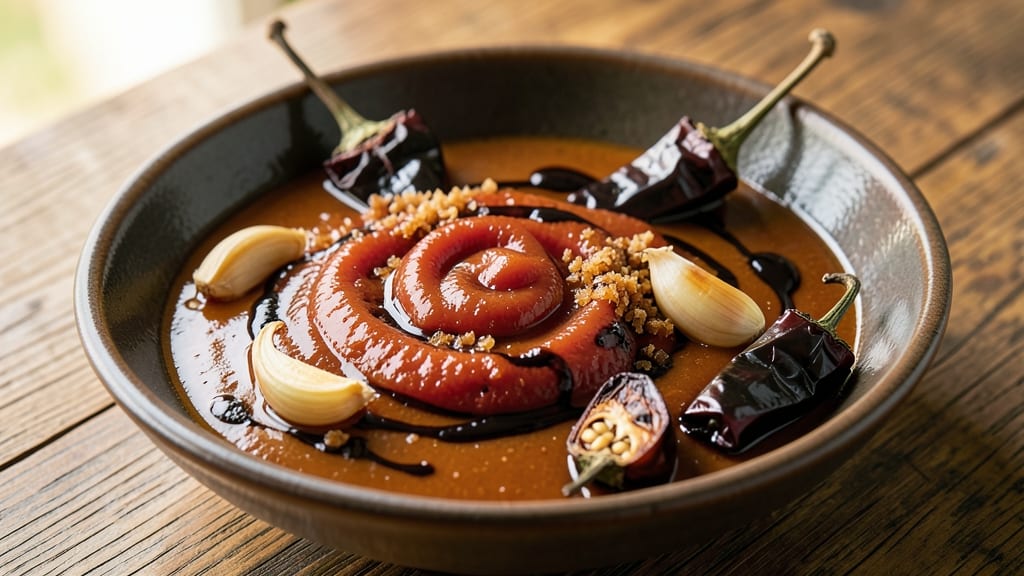
Ancho chile BBQ sauce transforms every dish with its smoky depth and perfectly balanced sweet heat—exactly the kind of sauce that elevates vegetarian grilled items or slow-cooked beans to restaurant-quality.
I developed this recipe after years of experimenting with dried chiles, and the difference between this homemade version and store-bought is night and day. The key lies in toasting the ancho chiles just until fragrant, not charred, which unlocks their natural sweetness and earthy undertones.
This sauce builds flavor through slow simmering—no rushed shortcuts here. We start with a base of tomato paste and apple cider vinegar to create tangy brightness, then layer in toasted ancho chiles, garlic, and a touch of molasses for that signature caramelized depth.
The blend of brown sugar and apple cider vinegar ensures the sweetness never overpowers the smoky chile notes, creating a sauce that's complex yet approachable. It's the kind of condiment that makes even simple grilled vegetables taste like a main event.
What makes this recipe particularly versatile is its adaptability—use it as a marinade for tofu or portobello mushrooms, as a glaze for roasted vegetables, or as a dip for fresh corn. The sauce thickens beautifully when reduced, creating that perfect sticky consistency that clings to every bite.
For those following vegan diets, simply swap the honey for agave syrup without sacrificing any of the richness. With proper storage in the refrigerator, this sauce keeps its vibrant flavors for up to two weeks, making it perfect for meal prep.
Once you taste the difference between this homemade sauce and anything you've tried before, you'll never go back to store-bought options.
The balance of heat, sweetness, and smokiness is what makes this ancho chile BBQ sauce truly special—it's the kind of recipe that becomes a staple in your kitchen, ready to transform any dish with just a brush or a drizzle. Let's make it together.
Ingredients for ancho chile bbq sauce
Nine ingredients transform simple meals into restaurant-quality dishes with smoky depth and balanced sweet heat.
| Ingredient | Amount | Notes |
|---|---|---|
| Dried Ancho Chiles 🌶️ | 4 whole | Stemmed and seeded |
| Tomato Paste 🍅 | ½ cup | High-quality, no sugar added |
| Apple Cider Vinegar 🍎 | ¼ cup | Raw, unfiltered preferred |
| Brown Sugar 🍚 | ½ cup | Light or dark variety |
| Molasses 🍯 | 2 tbsp | Unsulphured preferred |
| Garlic Cloves 🧄 | 4 cloves | Fresh, minced |
| Vegetable Oil 🫒 | 2 tbsp | Neutral flavor preferred |
| Water 💧 | ½ cup | Filtered preferred |
| Salt 🧂 | 1 tsp | Diamond Crystal preferred |
| Ground Black Pepper 🌶️ | ¼ tsp | Freshly ground |
Ancho chiles are the heart of this sauce—look for dried, not canned—and toasting them just until fragrant unlocks their natural sweetness. Mexican markets often carry the best selection, but most grocery stores stock them too. If you can't find ancho chiles, pasilla or guajillo chiles work in a pinch, but toast them longer for deeper flavor. The tomato paste should be smooth and vibrant—none of that watery, sugar-loaded stuff. For extra depth, I like to toast the garlic in the oil before adding it to the sauce, but it's not required. The molasses adds that signature caramelized richness, so don't skip it.
No ancho chiles? Dried chipotle peppers can mimic the smokiness, but you'll need to adjust the sweetness with extra brown sugar. Running low on apple cider vinegar? Balsamic vinegar works, though it'll add a slightly different tang. The sauce thickens as it reduces, so if you prefer it thinner, add a splash of water or broth. For a vegan version, simply swap the molasses for agave syrup—it's a one-to-one swap with no flavor loss. If you're using this as a marinade, reduce it by half first to avoid making your protein too saucy.
This sauce keeps beautifully in the fridge for up to two weeks in an airtight container, with the flavors actually deepening over time. For longer storage, freeze it in ice cube trays—perfect for single-use portions. The sauce thickens when cold, so give it a quick stir before using. I like to make a double batch because it disappears fast—great on grilled veggies, as a dip for chips, or drizzled over tacos. The flavors get even better the next day, so don't rush to eat it all at once.
Why You'll Love This Recipe
- No Soaking Required: I’ll be honest—most chile sauces demand hours of soaking dried peppers. Not this one. Just toast the ancho chiles in a dry pan for 30 seconds until fragrant, then blend. That’s it. The smoky depth comes from the heat, not the wait.
- Sweet-Smoky Magic: The molasses and brown sugar caramelize into something addictive—like a cross between a spicy caramel and BBQ. The apple cider vinegar cuts through the richness, balancing the heat so it’s never overpowering. My husband licks the spoon. (Yes, even on a Tuesday night.)
- Weeknight BBQ Hero: This sauce turns grilled chicken into a showstopper, slathers onto sandwiches like a dream, and even elevates roasted sweet potatoes. I keep a jar in the fridge for lazy nights when I need flavor but zero effort. One batch lasts me two meals—no waste, all win.
- Pantry Staple Upgrade: You’re probably already using these ingredients. Tomato paste, vinegar, brown sugar? Check. Molasses adds that extra layer most store-bought sauces miss. Honestly, the cost is a steal for something this crave-worthy. Plus, it freezes perfectly—just thaw and reheat.
Step-by-step instructions for ancho chile BBQ sauce
Here's how to balance smoky depth and sweet heat in this rich, versatile sauce.
Toast and Rehydrate the Dried Ancho Chiles
Heat a dry skillet over medium heat and add the 4 whole dried ancho chiles. Toast them for 30-45 seconds per side until fragrant and slightly darkened—this deepens their smoky flavor without burning. Watch closely; they toast quickly.
Transfer the toasted chiles to a heatproof bowl and pour ½ cup hot water over them. Let them soak for 15-20 minutes until completely softened. This step ensures maximum flavor extraction and prevents a gritty texture in your sauce. Drain the chiles but reserve the soaking liquid. In a medium saucepan, heat 2 tablespoons vegetable oil over medium heat. Add the minced garlic cloves and sauté for 30 seconds until fragrant but not browned. This prevents bitterness and forms the aromatic foundation. Stir in the ½ cup tomato paste and cook for 2 minutes, breaking it down with a wooden spoon. Add the ½ cup brown sugar and 2 tablespoons molasses, stirring until fully combined. The sugar will caramelize slightly, adding depth to the sauce. Using a slotted spoon, transfer the rehydrated ancho chiles to a blender or food processor. Add the reserved soaking liquid, ¼ cup apple cider vinegar, 1 teaspoon salt, and ¼ teaspoon ground black pepper. Blend until completely smooth, scraping down the sides as needed. Pour the blended mixture back into the saucepan with the tomato base. Bring to a gentle simmer over medium-low heat and cook for 15-20 minutes, stirring occasionally. The sauce should thicken slightly and develop a rich, smoky aroma. Taste and adjust sweetness or acidity if needed—this is where you fine-tune the balance. Line a fine-mesh strainer with cheesecloth or a coffee filter. Pour the sauce through the strainer into a clean bowl, pressing gently on the solids to extract all the flavor. This step ensures a silky texture without any chile skins or seeds. Return the strained sauce to the saucepan and simmer for an additional 5-10 minutes to reduce slightly if needed. The sauce should coat the back of a spoon but remain pourable. For best results, let it cool to room temperature before storing—this allows the flavors to meld completely.Build the Sauce Base with Tomato and Sweetener
Blend and Simmer for Rich Flavor Development
Strain and Finish the Sauce
Pro Tips For Making Ancho Chile Bbq Sauce
- STEAM THE CHILES FIRST: I learned this the hard way—tossing dried ancho chiles straight into boiling liquid makes them float like stubborn corks. Instead, wrap them in a damp towel and microwave for 30 seconds to plump them up. They’ll sink properly and release flavor faster, so you’re not simmering for an extra 20 minutes waiting for them to soften.
- SIMMER LOW AND SLOW: After burning three batches of sauce, I finally figured out that ancho chiles need gentle heat to open up. Once you’ve toasted your spices and added the tomato paste, keep the pot at a barely bubbling simmer—no rolling boils. This prevents the vinegar from evaporating too fast and turns the sauce rich, not bitter.
- BALANCE THE SWEETS: Brown sugar and molasses are both sweet, but they behave differently. Add the molasses early—it’s thicker and needs time to melt into the sauce. Hold off on the brown sugar until the very end, or it’ll crystallize and make your sauce grainy. Stir it in hot, then let it sit for 5 minutes before tasting.
- USE A SPLASH OF WATER: Sounds weird, but it works: After you’ve simmered the sauce for 20 minutes, add 2 tablespoons of water and let it cook another 5. The vinegar and sugar can make the sauce clingy, and this step loosens it up without thinning the flavor. Trust me—your ribs or pulled pork will thank you.
Best sauces and condiments for this recipe
Classic Pairings
This ancho chile BBQ sauce shines as a marinade for grilled portobello mushrooms or firm tofu, where its smoky depth complements the meaty texture. I love brushing it on corn on the cob before grilling—just a thin layer so it caramelizes beautifully.
For a vegetarian taco night, use it as a base for black beans or crumbled jackfruit instead of traditional meat. 🌶️
Sweet and Tangy Balance
Pair this sauce with honey-glazed carrots or roasted sweet potatoes to highlight its caramelized sweetness. The tangy apple cider vinegar cuts through the richness of creamy polenta or mashed potatoes, making it a perfect side dish.
For a dessert twist, drizzle it over vanilla ice cream with a sprinkle of sea salt—the smoky heat balances the cool sweetness perfectly.
Spicy Kick Variations
For extra heat, stir in ½ teaspoon cayenne pepper or 1 teaspoon chipotle powder while simmering. I also like adding 1 tablespoon lime juice at the end for brightness.
If you prefer a milder version, reduce the ancho chiles to 3 and add 1 extra tablespoon of molasses to maintain sweetness. 🔥
Dip and Spread Uses
Serve this sauce as a dip for vegetable sticks (carrots, celery, bell peppers) or tortilla chips—it’s perfect for game day or snacking. Spread it on toasted sourdough or cornbread for a smoky, sweet breakfast. I also use it as a base for vegetarian sliders with grilled halloumi or tempeh.
Global Fusion Ideas
Add 1 teaspoon ground cumin and ½ teaspoon smoked paprika for a Mexican-inspired twist. For an Asian fusion, stir in 1 tablespoon soy sauce and 1 teaspoon ginger—this works amazingly on grilled eggplant or tofu skewers.
The ancho chile’s smokiness pairs surprisingly well with Middle Eastern flavors like sumac or za’atar.
Storage and Shelf Life
Store in an airtight glass jar in the fridge for up to 2 weeks—the flavors deepen over time. For longer storage, freeze in ice cube trays or small jars.
Thaw overnight in the fridge and stir well before using. If the sauce thickens, thin it with water or broth** while reheating. 💡
Nutrition facts
Frequently asked questions
Can I substitute ancho chiles with other dried peppers?
Yes, but you'll need to adjust the flavor profile. For smokiness, use dried chipotle peppers (reduce to 2-3 peppers since they're hotter). For a milder version, try pasilla or guajillo chiles—toast them longer (up to 1 minute per side) to deepen their flavor. Always remove seeds and stems first to avoid bitterness.
How do I make this sauce vegan?
Simply swap the molasses for agave syrup (same amount) and use maple syrup instead of honey if needed. The sauce will maintain its rich, caramelized depth while staying completely plant-based. The apple cider vinegar and tomato paste are already vegan-friendly ingredients.
Why does my sauce look too thin after simmering?
This happens if you didn't reduce it enough or used extra liquid. Simmer uncovered for 5-10 more minutes to thicken naturally. For immediate results, mix 1 tablespoon cornstarch with 2 tablespoons cold water, stir into the sauce, and cook for 2 minutes until thickened. Store-bought tomato paste with added water can also dilute the sauce.
Can I use this sauce on non-vegetarian dishes?
This sauce works beautifully on grilled chicken, pork ribs, or steak. The smoky-sweet balance complements meaty flavors perfectly. For poultry, reduce the sauce by half before using as a marinade to prevent over-saucing. The ancho chile's depth adds complexity that cuts through rich meats.
How do I adjust the heat level?
For milder heat, reduce ancho chiles to 3 and add 1 extra tablespoon molasses. For extra spice, blend in ½ teaspoon cayenne or 1 teaspoon chipotle powder with the chiles. Always taste as you go—you can't remove heat once it's in! The molasses helps balance any extra spiciness by adding sweet contrast.