
Sauces & Condiments
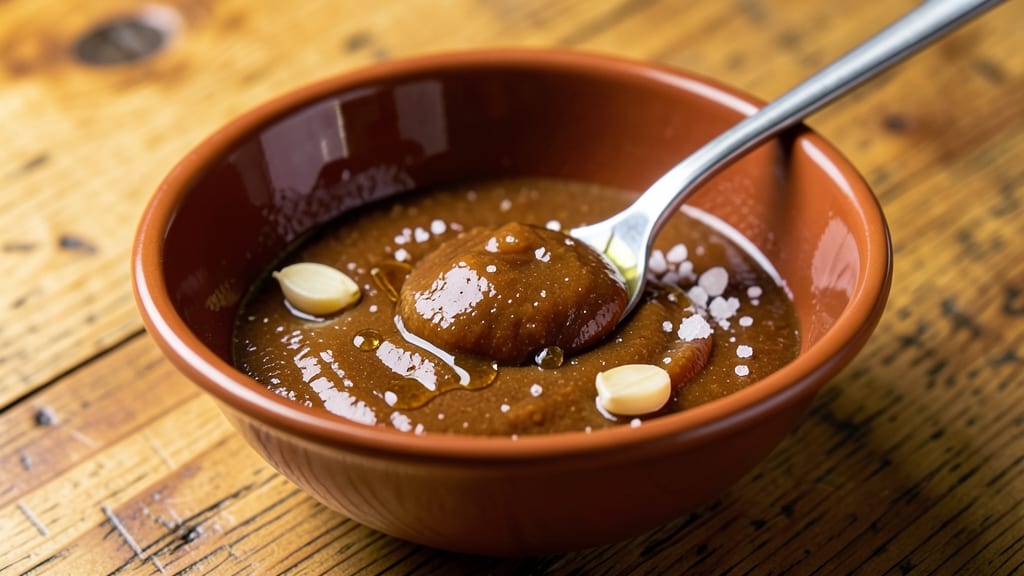
Anchor wing sauce transforms ordinary wings into a restaurant-worthy experience with its velvety-smooth heat and bright, tangy depth. The secret lies in balancing rich butter with vinegar's zing—creating a sauce that's both bold and refined. This isn't your typical spicy glaze; it's a sophisticated blend that clings perfectly to crispy skin while delivering layers of flavor in every bite.
The magic happens through a simple yet precise technique: emulsifying hot sauce with melted butter until silky, then brightening it with apple cider vinegar for that signature tang. No blenders or complicated steps—just a whisk and patience.
The result? A sauce that's creamy enough to coat wings thoroughly yet light enough to let their natural flavor shine through.
What makes this sauce truly special is its versatility. It elevates wings from casual snack to centerpiece dish, but also works wonders on fries, roasted vegetables, or even as a dipping sauce for spring rolls.
The heat builds gradually, giving you control over spice levels, while the vinegar adds a refreshing cut that keeps the sauce from feeling heavy.
Once you taste this sauce, you'll never go back to store-bought versions. The ingredients are simple—hot sauce, butter, vinegar, and a touch of garlic—but their combination creates something extraordinary. Let's make it, because your wings (and taste buds) deserve better.
Ingredients for anchor wing sauce
Four core ingredients transform into a sauce that turns wings from snack to showstopper.
| Ingredient | Amount | Notes |
|---|---|---|
| Hot Sauce 🌶️ | ½ cup | High-quality like Crystal or Tabasco |
| Unsalted Butter 🧈 | ½ cup | Cold, cubed for easy melting |
| Apple Cider Vinegar 🍎 | ¼ cup | Bragg or organic preferred |
| Garlic Cloves 🧄 | 2 cloves | Freshly minced for brightness |
| Granulated Sugar 🍚 | 1 tbsp | Balances acidity and heat |
| Kosher Salt 🧂 | ½ tsp | Diamond Crystal preferred |
| Black Peppercorns 🌶️ | ¼ tsp | Freshly cracked for depth |
| Honey 🍯 | 1 tbsp | Local raw preferred for flavor |
The hot sauce is non-negotiable—Crystal or Tabasco give that signature depth. I always grab mine from Whole Foods or Trader Joe's since their hot sauce selection is top-notch. The butter? Plugrá or Land O'Lakes unsalted melt beautifully without overpowering. Fresh garlic cloves make all the difference here—roasted or raw, but never jarred. The apple cider vinegar adds that signature tang, so Bragg Organic or any local cider brand works perfectly. Skip the cheap stuff; you'll taste the difference in the final sauce's brightness.
No hot sauce? Sriracha plus a pinch of cayenne gets you close, but the flavor won't be quite the same. Butter substitute? Vegan butter or coconut oil works in a pinch, though texture will differ slightly. Vinegar shortage? Lemon juice at half the amount adds zing, but lacks that signature depth. Honey can be swapped with maple syrup, though it adds a different sweetness profile. The sugar balances everything, so don't skip it—brown sugar works too. For extra heat, add red pepper flakes or a dash of chili powder to the hot sauce before emulsifying.
This sauce keeps beautifully—1 week in the fridge sealed tightly. For longer storage, freeze in ice cube trays and transfer to a bag. Thaw overnight in the fridge before using. The flavor actually improves after 24 hours as everything melds together. Double the batch if you're feeding a crowd—it disappears fast. Leftovers? Toss it on fries, drizzle over roasted veggies, or use as a dip for spring rolls. The possibilities are endless.
Why You'll Love This Recipe
- Pantry Magic: I swear by this sauce—no fresh herbs, no fancy prep. Just butter, vinegar, and a quick simmer with garlic and sugar to balance the heat. That’s it. Zero stress, all flavor.
- Sweet Heat Balance: The sugar cuts through the hot sauce like a dream, while the apple cider vinegar adds this tangy depth. It’s not just spicy—it’s complex, the kind of sauce that makes you reach for seconds without thinking.
- Game for Any Occasion: Slather it on wings for game day, toss it with fries for a snack attack, or drizzle it over grilled chicken for dinner. Honestly, I’ve even used it as a marinade for shrimp—works every time.
- Budget Booster: Between us, this sauce costs pennies to make but feels like a restaurant upgrade. A single batch stretches for days, and the ingredients? You’re already buying them. Smart, easy, and no waste.
Step-by-step instructions for anchor wing sauce
Here's how to craft a sauce that balances smoky heat with bright acidity and velvety richness.
Melt the Butter and Deglaze
Place the 0.5 cup unsalted butter in a medium saucepan over medium-low heat. Let it melt completely, stirring occasionally, until it reaches 160°F—just before it begins to foam. You'll smell that rich, nutty aroma that signals it's ready for the next step.
Once fully melted, add the 0.25 cup apple cider vinegar all at once. The mixture will bubble vigorously as the vinegar reacts with the butter's fat. Let it simmer for 2-3 minutes until the vinegar has mostly evaporated and the mixture reduces slightly. You'll notice the sauce becoming smoother and the sharp vinegar notes mellowing into a subtle tang.
Incorporate Sweetness and Seasonings
Reduce the heat to low and add the 1 tbsp granulated sugar, stirring constantly until fully dissolved. This step is crucial—it balances the acidity of the vinegar and the heat of the hot sauce we'll add later. The sugar will caramelize just slightly, adding depth to the sauce's flavor profile.
Next, add the 2 cloves minced garlic and 0.25 tsp freshly cracked black peppercorns. Cook for 1 minute until the garlic becomes fragrant but doesn't brown. You'll smell that sweet, pungent garlic aroma that's essential for this sauce's character. Immediately remove the pan from heat—garlic burns faster than you think.
Build the Sauce Foundation
Return the pan to low heat and carefully whisk in the 0.5 cup hot sauce. Start with medium-low heat and gradually increase to medium if needed to prevent splattering. The sauce will thicken slightly as it simmers for 3-4 minutes, allowing the flavors to meld together. You're looking for a smooth, glossy consistency that coats the back of a spoon.
Add the 0.5 tsp kosher salt and 1 tbsp honey, stirring constantly. The honey will help bind the sauce while adding a subtle floral sweetness that rounds out the heat. Let the mixture simmer for another 2 minutes, then give it a taste. This is where you can adjust the balance—add a pinch more salt if needed, or a splash of vinegar if the heat feels too intense.
Finish and Emulsify
Remove the pan from heat and let the sauce rest for 2 minutes. This resting period allows the flavors to fully integrate. Then, return the pan to low heat and begin whisking vigorously. The sauce should begin to emulsify, becoming thicker and more cohesive. If it starts to separate, add 1 teaspoon of water at a time until it smooths out.
For the final touch, strain the sauce through a fine-mesh sieve into a clean bowl to remove any garlic bits or peppercorn fragments. The result should be a velvety-smooth sauce with layers of heat, sweetness, and tang. Let it cool slightly before using—it will thicken further as it sits, creating that perfect consistency for dipping or glazing wings.
Pro Tips For Making Anchor Wing Sauce
- Simmer Slow and Low: This sauce isn’t a race—after combining hot sauce, vinegar, and sugar, reduce heat to a bare simmer. I used to blast it on high and ended up with a thin, bitter mess. Let it bubble gently for 10–15 minutes so the sugar caramelizes and the acid mellows out.
- Mince Garlic Like You Mean It: No, a quick chop won’t cut it. Smash those garlic cloves with the flat side of your knife first, then mince into a paste. Raw, uneven garlic chunks taste like a punishment—this method releases flavor evenly and avoids that "chewy surprise" in every bite.
- Balance the Heat First: Taste the raw hot sauce before adding butter. If it’s too aggressive, mix in a splash of vinegar first—it cuts the capsaicin and lets you control the burn later. Adding butter last just thickens the heat; this way, you start with a sauce you can actually enjoy.
- Strain the Garlic Oil: After cooking the garlic in butter, pour the whole mixture through a fine-mesh strainer. The leftover bits? They’re bitter and gummy. I skipped this once and got a sauce that tasted like garlic paste—now I strain religiously. Takes 10 seconds, saves hours of regret.
Regional styles of these flavors
Buffalo-Style Roots
This sauce traces its origins to Buffalo, New York, where it became the signature condiment for Buffalo wings at Anchor Bar in 1964. The original recipe was a simple blend of hot sauce, butter, and vinegar, designed to complement the crispy, fried wings that became a regional staple.
The tangy-sweet balance was born out of necessity—hot sauce alone was too harsh, and butter alone was too bland. Together, they created a sauce that became a cultural phenomenon. 🌶️
Southern BBQ Influence
While Buffalo-style sauce is distinct, it shares DNA with Southern BBQ traditions. The use of apple cider vinegar and honey reflects the sweet-and-tangy profiles found in Carolina-style sauces, while the butter base mirrors the richness of Texas-style BBQ rubs.
Many Southern pitmasters adapted the recipe by adding smoked paprika or black pepper for depth, creating a bridge between the two cuisines. The result? A sauce that’s both bold and approachable.
Modern Fusion Twists
Today, chefs are reimagining anchor wing sauce with global flavors. Asian-inspired versions swap apple cider vinegar for rice vinegar and add ginger or sesame oil, while Mexican fusion sauces incorporate chipotle peppers or lime juice.
Some even blend it with miso paste for umami depth. The key? Keeping the butter-hot sauce base intact while experimenting with complementary ingredients. My favorite twist? Adding a dash of fish sauce for a Southeast Asian-inspired depth.
Regional Hot Sauce Variations
The type of hot sauce changes everything. In Louisiana, where Crystal Hot Sauce is king, the sauce leans smoky and slightly sweet. Up north in Buffalo, Tabasco dominates, delivering a cleaner, brighter heat.
In Texas, where Cholula is popular, the sauce takes on a slightly earthy, tomato-forward profile. For authenticity, stick to regional hot sauces—but don’t be afraid to mix brands for a custom flavor. I often blend Crystal and Tabasco for the best of both worlds.
Game Day Staple
This sauce isn’t just for wings—it’s a Super Bowl Sunday essential in the Midwest and Northeast. It elevates mozzarella sticks, fries, and even loaded baked potatoes into crowd-pleasing dishes. The secret to game-day success? Double the batch and keep it warm in a slow cooker with wings or sliders.
The heat keeps the sauce from separating, and the crowd will ask for seconds. Pro tip: Serve it with cool ranch or blue cheese dressing on the side for dipping contrast. 🏈
International Adaptations
Beyond the U.S., anchor wing sauce has gone global. In Canada, it’s often paired with maple syrup for a sweet-and-spicy twist. In Australia, chefs blend it with Vegemite for a savory umami kick.
Even in Japan, you’ll find anchor wing sauce used in ramen broths or as a glaze for grilled meats. The adaptability of the base ingredients—butter, vinegar, hot sauce—makes it a blank canvas for culinary creativity. The only rule?
Never skimp on the apple cider vinegar—it’s the soul of the sauce. 🌍
Nutrition facts
Frequently asked questions
Can I make this sauce without butter?
The butter creates that signature velvety texture, but you can substitute coconut oil or vegan butter for a dairy-free version. Just heat it to 160°F first to mimic the melting process. The sauce will be slightly lighter, but still delicious—just expect a slightly different mouthfeel. For extra richness, add 1 tablespoon of heavy cream at the end.
How do I adjust the heat level?
Start with the full 0.5 cup hot sauce and taste before straining. If it's too spicy, reduce heat by swapping 2 tablespoons of hot sauce for vinegar or adding 1 extra tablespoon of honey to balance. For milder heat, try Sriracha instead of Crystal or Tabasco. Never dilute with water—it breaks the emulsion and makes the sauce separate.
Why did my sauce separate?
This happens when heat is too high or ingredients aren't properly emulsified. Remove from heat immediately, then whisk in 1 teaspoon of water or vinegar at a time until smooth. For prevention, always whisk constantly when adding hot sauce and keep heat at medium-low. A quick fix: Blend the separated sauce briefly with an immersion blender.
What's the best way to store leftover sauce?
Transfer to an airtight container and refrigerate for up to 1 week. For longer storage, freeze in ice cube trays—thaw overnight in the fridge before using. The sauce actually improves after 24 hours as flavors meld. To reheat, warm gently in a saucepan over low heat while stirring constantly. Never microwave—it can break the emulsion.
Can I use this sauce on foods other than wings?
It's perfect for fries, roasted vegetables, grilled meats, or even as a dip for spring rolls. For proteins, brush on during the last 2-3 minutes of grilling to prevent burning. Try it on baked potatoes, mozzarella sticks, or even pizza for a bold flavor twist. The key is to use it as a finishing sauce—never boil it with foods.