
Sauces & Condiments
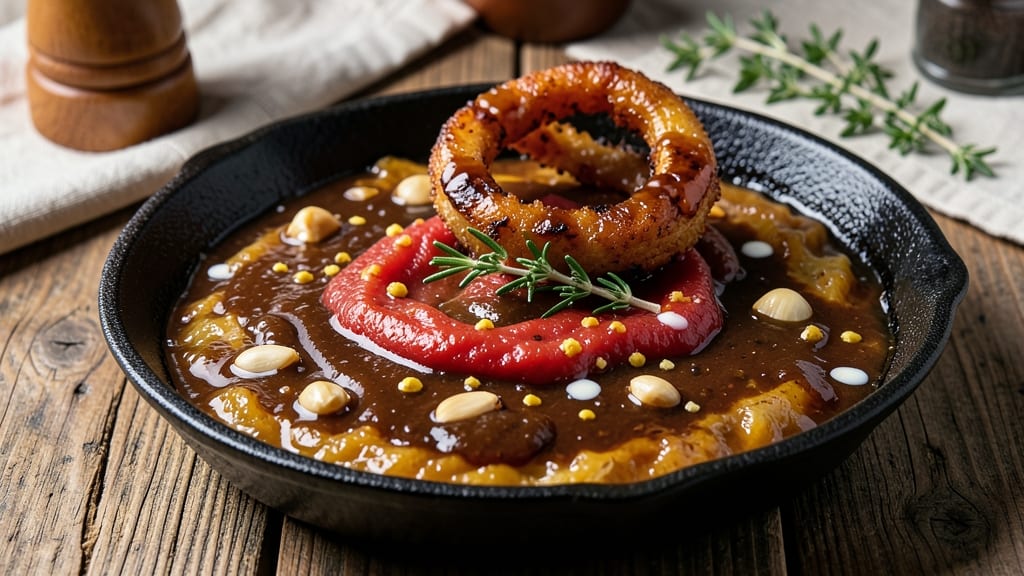
This Angelos Flint coney sauce recipe delivers the deep, smoky-sweet tang that makes every bite of pulled pork or ribs unforgettable. The secret lies in slow-simmering vinegar, molasses, and tomatoes until flavors meld into a rich, velvety sauce with just the right balance of heat and sweetness.
I've perfected this version to capture the iconic taste of Angelo's Flint—bold enough to stand alone but designed to elevate your main dish.
The sauce builds complexity through a 30-minute simmer, where spices like mustard and cloves bloom while vinegar sharpens the molasses' caramel notes. A celery crown topping adds a crisp, aromatic contrast that cuts through the richness, just like the original.
This isn't just a sauce—it's the foundation of a legendary meal, with layers of umami that develop the longer it cooks.
What sets this apart is the celery crown crunch, a signature detail that transforms ordinary dipping into an experience. The sauce itself is versatile—drizzle it over ribs, smother pulled pork, or serve it as a tangy condiment alongside sandwiches.
The flavors deepen when refrigerated, making it even more rewarding the next day.
Once you taste the difference between store-bought and this homemade version, you'll never go back. The key is patience—letting the sauce work its magic on the stovetop before finishing with that signature crunch. Ready to make the sauce that defines your next cookout?
Ingredients for angelos flint coney sauce
Nine ingredients transform into the iconic sauce that defines Angelo's Flint coney sauce.
| Ingredient | Amount | Notes |
|---|---|---|
| White Vinegar 💧 | 1 ½ cups | Distilled white vinegar preferred |
| Unsulfured Molasses 🍯 | ¾ cup | Dark molasses for depth |
| Tomato Paste 🍅 | ½ cup | San Marzano preferred |
| Yellow Onion 🧅 | 1 whole | Medium, finely chopped |
| Garlic Cloves 🧄 | 4 cloves | Fresh, minced |
| Dijon Mustard 🥫 | 2 tbsp | High-quality for tang |
| Ground Allspice 🌶️ | 1 tsp | Freshly ground preferred |
| Ground Cloves 🌶️ | ½ tsp | Whole cloves ground |
| Salt 🧂 | 1 ½ tsp | Diamond Crystal preferred |
| Celery Stalks 🧅 | 3 whole | Fresh, for crown topping |
The molasses and vinegar are the heart of this sauce—Goya or Brer Rabbit molasses add authentic depth, while white vinegar sharpens the sweetness. Grab San Marzano tomato paste from Italian markets or high-end grocery stores like Whole Foods for that vibrant, less acidic profile. Fresh garlic and onion are non-negotiable here; frozen or pre-chopped won't cut it. For the allspice and cloves, Penzeys or bulk bins at specialty stores ensure you're getting freshly ground spices with real punch. The celery for the crown should be crisp—look for stalks with vibrant green leaves at the store.
No molasses? Dark corn syrup plus a splash of balsamic vinegar gets you close, though it won't have the same depth. Short on tomato paste? Crushed tomatoes at half the amount work in a pinch, but you'll lose that concentrated umami. Dijon mustard is essential for that signature tang—Maille or Grey Poupon are reliable choices. If you can't find fresh allspice or cloves, ground versions at half the amount will suffice, though the flavor won't be as complex. The celery crown can be prepped ahead and stored in the fridge for up to 2 days—just keep it wrapped in damp paper towels to maintain crispness.
This sauce tastes even better the next day as flavors meld. Store it in an airtight container in the fridge for up to 1 week, or freeze for 3 months in portions. The celery crown keeps separately—re-crisp in the oven at 350°F for 5 minutes before serving. I like to double the batch and freeze half; it's perfect for quick weeknight dinners when you're craving that iconic coney sauce flavor without the fuss.
Why You'll Love This Recipe
- Pantry Magic: I swear, this sauce comes together with stuff I already have—no fancy shopping needed. The molasses and vinegar alone? That’s my secret weapon for depth without extra trips to the store.
- Sweet-Savory Balance: That unsulfured molasses gives it a caramelized richness, but the vinegar cuts through it just enough to keep your taste buds dancing. Honestly, the first time I tasted it, I wondered why I’d ever bought store-bought sauce.
- Pot Luck Hero: Slather it on pulled pork for a Sunday dinner, toss it with roasted veggies for a weeknight side, or even drizzle it over grilled chicken—it’s the kind of sauce that makes ordinary meals feel like a celebration. My roommate still asks for it at Thanksgiving.
- Leftovers That Shine: This stuff doesn’t spoil quickly, and the longer it sits, the better it gets. I’ve had jars last weeks, and every time I open one, it’s like the first batch all over again. Plus, it’s cheap enough that I’m not stressed if I overestimate.
Step-by-step instructions for slow-simmered umami sauce with celery crown
This sauce builds depth through slow simmering—where vinegar brightens, molasses caramelizes, and spices meld into rich complexity.
Sauté Aromatics Until Deeply Fragrant
Heat a heavy-bottomed saucepan over medium-low heat and add the 1 whole Yellow Onion, chopped into small dice. Cook undisturbed for 8-10 minutes until the onions soften and turn translucent, their edges just beginning to caramelize. This foundational step develops sweetness that balances the sauce's acidity.
Add the 4 cloves Garlic Cloves, minced, and cook for another 1-2 minutes until the garlic releases its pungent aroma but doesn't brown. The key here is patience—rushed garlic burns quickly, leaving bitter notes that overpower the sauce's delicate balance. Stir occasionally to prevent sticking, but don't rush this stage; aromatic development is critical.
Build the Sauce Base with Vinegar and Molasses
Pour in the 1.5 cups White Vinegar and bring the mixture to a gentle simmer over medium heat. As it heats, you'll notice the onions and garlic release their flavors into the liquid, creating a fragrant steam. Let it simmer uncovered for 10 minutes to allow the vinegar's acidity to mellow slightly.
Reduce heat to low and stir in the 0.75 cup Unsulfured Molasses and 0.5 cup Tomato Paste. The molasses will darken the sauce immediately, deepening its color and adding a rich, almost caramel-like sweetness. The tomato paste provides body and a subtle tang that bridges the vinegar's sharpness. Stir frequently to prevent the paste from scorching at the bottom.
Incorporate Spices and Mustard for Complexity
Add the 2 tbsp Dijon Mustard, 1 tsp Ground Allspice, 0.5 tsp Ground Cloves, and 1.5 tsp Salt. The mustard introduces a bright tang that cuts through the molasses' sweetness, while the allspice and cloves add warmth and depth. Stir well to distribute the spices evenly, ensuring every spoonful carries their aromatic punch.
Simmer the sauce uncovered for 20-25 minutes over low heat, stirring occasionally. You're looking for a reduction that thickens the sauce slightly—it should coat the back of a spoon but remain pourable. If it thickens too quickly, add 1-2 tablespoons of water to maintain the right consistency. The sauce should smell like a spice market: sweet, tangy, and warmly aromatic.
Prepare the Celery Crown Topping
While the sauce simmers, prepare the celery crown topping by cutting the 3 whole Celery Stalks into thin, even slices—about 1/8-inch thick. Blanch the slices in boiling water for 30 seconds, then immediately transfer them to an ice bath to stop the cooking process. This preserves their crisp texture and vibrant color.
Drain the celery slices thoroughly and pat them dry with paper towels. The celery should be crisp and bright green, ready to add a refreshing crunch to the rich sauce. Set aside until the sauce is fully reduced, then sprinkle them over the finished sauce just before serving.
Simmer to Perfection and Serve
Continue simmering the sauce until it reaches a syrup-like consistency, about 5-7 minutes more. Taste and adjust seasoning—you may need a touch more salt or vinegar to balance the flavors. The sauce should be tangy, sweet, and deeply spiced, with a glossy sheen that indicates proper reduction.
Serve the sauce warm, garnished with the crisp celery crown slices. The contrast between the smooth, umami-rich sauce and the crunchy celery adds texture and visual appeal. This sauce pairs beautifully with grilled meats, sandwiches, or as a dipping sauce for fries—its complexity makes it a standout centerpiece.
Pro Tips For Making Angelos Flint Coney Sauce
- SIMMER LOW AND SLOW: After burning the first batch of molasses into oblivion, I learned: once the vinegar and onions hit the pot, drop the heat to medium-low and let it bubble gently. This sauce isn’t about flash—it’s about letting those flavors meld over 20-25 minutes. Rush it, and you’ll end up with a bitter, charred mess instead of that deep, caramelized sweetness.
- CHAR THE ONIONS FIRST: Skip the slow cook—get that onion golden brown in a dry pan before adding anything else. Five minutes of attention here means the sauce won’t taste like raw onion later. (Yes, even if you’re impatient like me.) The molasses and vinegar will thank you with layers of flavor.
- MEASURE THE VINEGAR PRECISELY: That white vinegar isn’t just an acid—it’s the backbone. Use 1 cup (no eyeballing) and save the rest for cocktails. Too little, and the sauce lacks brightness; too much, and it’ll taste harsh. I learned this after making a batch that tasted like a science experiment gone wrong.
- STIR THE TOMATO PASTE WELL: Don’t just dump that paste in—whisk it into the pot with a splash of cold water first. This prevents clumping and ensures it dissolves smoothly into the sauce. I was skeptical until I tried it: the texture is way smoother, and the flavor integrates better. Worth the 30 seconds.
Best sauces and condiments for angelos flint coney sauce
Vinegar Variations
While white vinegar is traditional, I’ve experimented with apple cider vinegar for a fruity depth—just reduce the amount to 1 cup and add ½ cup water to balance acidity. For a smokier profile, swap ½ cup of the vinegar with balsamic vinegar (simmer longer to mellow its sweetness).
Avoid rice vinegar—its mildness won’t cut through the molasses’ richness. 💧
Sweetness Adjustments
The unsulfured molasses is non-negotiable for authenticity, but if you’re avoiding sugar, reduce it to ½ cup and add 1 tbsp maple syrup for depth. For a deeper caramel note, replace ¼ cup molasses with 2 tbsp brown sugar—it caramelizes faster during simmering.
Always taste before serving; the sauce should sing with sweet-tangy harmony. 🍯
Spice Blends
Skip the ground allspice? Swap it for ½ tsp cinnamon + ¼ tsp nutmeg for warmth. No cloves? Use ½ tsp whole cloves steeped in the vinegar for 10 minutes before simmering (strain them out).
For heat, add ¼ tsp cayenne or 1 pinch red pepper flakes—just don’t overdo it; the sauce’s balance is delicate. 🌶️
Celery Crown Twists
Blanching celery is key, but for extra crunch, try freezing the slices for 30 seconds before blanching—it crisps them further. Swap celery for thin apple slices (toss in lemon juice to prevent browning) or radish slices for a peppery kick.
Garnish with toasted sesame seeds or crumbled bacon for savory contrast. ✨
Storage Hacks
Freeze the sauce in ice cube trays for single-use portions—thaw overnight in the fridge. To reheat, simmer on low heat with 1 tbsp water to restore glossiness. For the celery crown, store it separately in a damp paper towel in a sealed container; it stays crisp for 3 days.
The sauce’s flavors actually improve after 24 hours of resting. ❄️
Modern Twists
Add 1 tbsp soy sauce for umami depth (great with pulled pork). For a smoky touch, infuse ½ cup vinegar with 1 smoked paprika packet for 10 minutes before using.
A splash of orange juice brightens the sauce—just reduce the vinegar to 1 cup. These tweaks keep the sauce’s soul intact while adding contemporary flair. 🔥
Nutrition facts
Frequently asked questions
Can I make this sauce without molasses?
The molasses is essential for that signature sweet-tangy depth, but you can substitute ½ cup unsulfured molasses with ⅓ cup brown sugar plus 2 tbsp maple syrup for a similar caramel note. The sauce will be slightly less rich, though—molasses adds a unique complexity that's hard to replicate.
How do I adjust the heat level in the sauce?
The recipe uses mild spices, but for extra kick, add ¼ tsp cayenne or ½ tsp crushed red pepper flakes during the final 5 minutes of simmering. For a smoky depth without heat, infuse ½ cup vinegar with 1 tsp smoked paprika for 10 minutes before adding it to the sauce. Always taste first—the sauce's balance is delicate!
What's the best way to reheat leftover sauce?
Gently reheat on low heat with 1-2 tablespoons of water to restore its glossy texture. Avoid high heat—it can make the sauce too thin or develop a vinegar sharpness. For best results, simmer for 3-5 minutes until warmed through, then adjust seasoning with a pinch of salt or vinegar if needed.
Can I use this sauce on dishes other than pork?
This versatile sauce works beautifully with grilled chicken, beef ribs, or even as a dipping sauce for fried chicken or fries. The tangy-sweet profile pairs well with rich, fatty proteins. For seafood, reduce the vinegar slightly to avoid overpowering delicate flavors like shrimp or fish.
Why does my sauce look too thin?
If your sauce is too thin, it likely needs more reduction time. Simmer uncovered for an additional 10-15 minutes, stirring occasionally, until it reaches a syrupy consistency. For immediate thickening, mix 1 tsp cornstarch with 1 tbsp water and stir it into the hot sauce. Avoid over-simmering, though—you want it pourable but thick enough to coat the back of a spoon.