
Sauces & Condiments
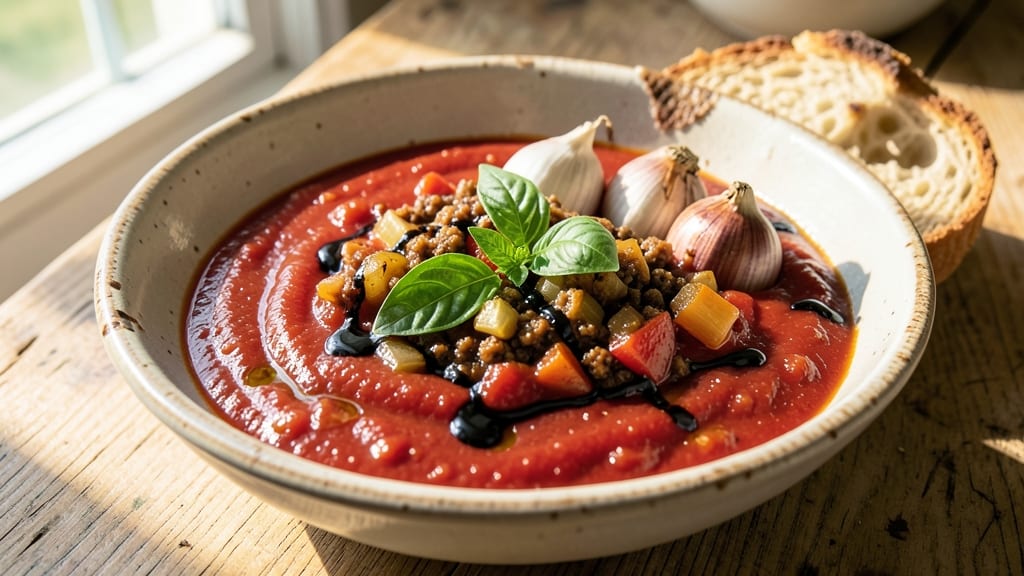
Angelo's spaghetti sauce recipe delivers the velvety, egg-emulsified richness that makes every forkful unforgettable. This isn't your typical chunky sauce—it's a silky, clump-free masterpiece that simmers for hours to develop deep, layered flavors. The secret lies in the egg yolk emulsion, which transforms ordinary tomatoes into something luxurious without overpowering the natural taste.
What sets this sauce apart is the balance of slow cooking and precise technique. We start with a rich tomato base, then build complexity with garlic, onions, and a splash of red wine before adding the signature egg yolk mixture at the perfect moment.
This method ensures a sauce that's smooth as silk, with no lumps or separation—just pure, restaurant-quality flavor in every spoonful.
The result is a sauce that clings perfectly to spaghetti, with a glossy finish and a taste that's both comforting and sophisticated. It's the kind of sauce that makes homemade pasta taste like you've spent hours in a Neapolitan trattoria.
The key is patience—the longer it simmers, the deeper the flavors become, creating a sauce that's worth every minute of waiting.
This recipe is designed to be your go-to for special occasions or weeknight dinners, with storage tips to keep it fresh for up to three months in the fridge.
Whether you're serving it with fresh pasta or using it as a hearty base for lasagna, the velvety texture and rich flavor will elevate any dish to new heights.
Ingredients for angelo's spaghetti sauce
These 14 ingredients transform into Angelo's signature velvety, clump-free spaghetti sauce magic.
| Ingredient | Amount | Notes |
|---|---|---|
| Extra-Virgin Olive Oil 🫒 | ½ cup | High-quality, fruity variety |
| Yellow Onion 🧅 | 1 whole | Diced, medium size |
| Garlic Cloves 🧄 | 4 cloves | Peeled, minced finely |
| Large Carrots 🥕 | 2 whole | Diced, medium size |
| Celery Stalks 🌿 | 2 whole | Diced, medium size |
| Canned San Marzano Tomatoes 🍅 | 28 oz | Crushed, high-quality |
| Dry Red Wine 🍷 | ½ cup | Bold, like Cabernet |
| Large Egg Yolks 🥚 | 3 whole | Fresh, room temperature |
| Granulated Sugar 🍚 | 1 tbsp | Balances acidity |
| Dried Basil 🌿 | 1 tbsp | Or 0.25 cup fresh |
| Dried Oregano 🍃 | 1 tsp | Italian variety preferred |
| Ground Black Pepper 🌶️ | ½ tsp | Freshly cracked |
| Kosher Salt 🧂 | 1 ½ tsp | Diamond Crystal preferred |
| Fresh Parsley 🌿 | ¼ cup | Chopped, for garnish |
The tomatoes are non-negotiable—San Marzano is the gold standard, but any high-quality canned tomatoes work. Trader Joe's and Whole Foods carry great options, or grab a few cans from the Italian aisle at your regular grocery store. For the olive oil, Californian or Tuscan varieties add the most depth, but any extra-virgin will do. The egg yolks? Room temperature is key—they emulsify better that way. I always crack mine into a small bowl first to avoid shell bits in the sauce. The carrots and celery are just for flavor, so don't stress about perfect dice—roughly chopped works fine.
No red wine? Substitute with extra tomato paste plus a splash of balsamic—it won't be identical, but it'll still taste amazing. Fresh basil is ideal, but dried works at one-third the amount. If you're short on time, Trader Joe's has pre-chopped fresh basil in a squeeze bottle that's perfect for this. The sugar might seem odd, but it balances the acidity of the tomatoes—brown sugar works too. For the garlic, roasted garlic adds a sweet depth, but fresh minced is classic. The parsley at the end is just for garnish, but it makes the sauce look restaurant-worthy.
This sauce gets better with time—3-4 days in the fridge lets all the flavors meld perfectly. For longer storage, freeze in glass jars (leave headspace) for up to 3 months. I always make a double batch—one for dinner, one to freeze for lazy weeknights. The egg yolk emulsion means it doesn't reheat well after freezing, so thaw overnight in the fridge and reheat gently on the stove. The sauce thickens as it cools, so don't worry if it looks too thick right after making—just stir in a splash of water or pasta water when reheating.
Why You'll Love This Recipe
- You’re already using staples: olive oil, onion, garlic. Add a can of tomatoes and a pinch of herbs, and boom—you’ve got a sauce that costs less per serving than takeout. And leftovers? They taste better the next day, no joke.
- No Chopping Chaos: I swear by this sauce because it only asks for a single dice of onion, a rough chop of celery, and a couple of crushed garlic cloves—no knife skills required. The carrots? Just slice them into thick half-moons. Honestly, my kids could prep this faster than I can scroll through my phone.
- Sofrito Magic: That slow-simmered combo of onion, celery, and carrots in olive oil? It’s the secret weapon—deep, sweet, and layered with garlic that doesn’t overpower. The sauce builds flavor while you’re making dinner, not while you’re standing at the stove.
- Weeknight to Potluck: Same recipe, endless uses. Slap it on spaghetti for a Tuesday night, or serve it in a bread bowl for Sunday dinner. Freezes like a dream too—just reheat and pretend you’re a fancy chef. (Between us, my in-laws think I’m one now.)
Step-by-step instructions for Angelo's spaghetti sauce
Here's how to make that velvety, egg-enriched sauce that stays smooth and rich.
Sauté the Vegetable Base
Heat the 0.5 cup extra-virgin olive oil in a large Dutch oven over medium heat. Add the diced yellow onion, diced large carrots, and diced celery stalks, stirring occasionally for 8-10 minutes until they soften and begin to caramelize slightly. This is your flavor foundation—don't rush it.
Once the vegetables are tender, add the minced garlic cloves and cook for 30 seconds until fragrant. The garlic should sizzle but not burn—watch it closely. This step builds the aromatic base that carries through the entire sauce. If you smell burning, remove the pan from heat for a moment to cool it down.
Deglaze and Simmer the Tomatoes
Pour in the 0.5 cup dry red wine, scraping up any browned bits from the bottom of the pot with a wooden spoon. This deglazing captures all the flavor you've built so far. Let it simmer for 3-4 minutes until the wine reduces by half.
Add the 28 oz crushed San Marzano tomatoes, 1 tbsp granulated sugar, 1 tbsp dried basil, 1 tsp dried oregano, 0.5 tsp ground black pepper, and 1.5 tsp kosher salt. Stir well, then reduce heat to low and let it simmer uncovered for 30-40 minutes, stirring occasionally. You want the sauce to thicken slightly but still remain loose—this prevents clumping when you add the eggs later.
Temper the Egg Yolks
While the sauce simmers, prepare the 3 whole large egg yolks in a small bowl. Here's the key: slowly drizzle in ½ cup of the hot sauce from the pot, whisking constantly. This gradual warming process—called tempering—prevents the eggs from scrambling when they hit the hot sauce. The mixture should reach 160°F but not boil.
Once the egg mixture is warmed through, stir it back into the sauce. The heat from the pot will gently cook the eggs, creating that signature velvety texture. Keep the sauce on low heat and stir constantly for 2-3 minutes until it thickens noticeably. If it starts to curdle, remove it from heat immediately—just a few seconds too long can ruin it.
Finish and Garnish
Taste the sauce and adjust seasoning if needed—you might need a touch more salt or sugar to balance the acidity. Remove from heat and let it sit for 5 minutes to thicken further. The sauce should coat the back of a spoon smoothly without being gluey.
Stir in the 0.25 cup fresh parsley just before serving. This bright green garnish adds freshness and makes the sauce look stunning. Serve immediately over al dente spaghetti, letting diners twirl their noodles in that luxurious, egg-enriched sauce. The secret? The eggs add richness without clumping, and the slow simmer develops deep, complex flavor.
Pro Tips For Making Angelo'S Spaghetti Sauce
- Sweat, Don’t Burn: The carrots and celery need time—low to medium heat, covered, for 10-12 minutes. I learned this the hard way when I rushed and ended up with bitter, mushy veggies instead of sweet, caramelized flavor. A splash of water helps steam them gently if they’re sticking.
- Mince, Don’t Chop: Fine dice that onion and garlic—smaller than a pea, or the sauce will taste raw. My grandmother swore by this, and she was right: when you blend it later, you won’t get that silky texture if chunks linger. Take the extra 5 minutes now to save yourself from gritty bites later.
- Salt the Oil: Add a pinch of salt to the olive oil before heating—it stabilizes the flavor and prevents the garlic from burning. I was skeptical until I tried it: the sauce develops depth earlier, and the garlic doesn’t turn acrid, even when cooked low and slow.
- Blend in Batches: If you’re using a standard blender, split the sauce into two rounds—overfilling leads to splatter and under-blending. I skip this when I’m lazy, but the dish is noticeably better when I don’t: the first batch gets fully emulsified, and the second blends smoothly without chunks.
Make-ahead tips for angelo's spaghetti sauce
Prep Ahead Sauce
This sauce tastes even better after 2-3 days of resting in the fridge, as flavors meld beautifully. I always make a double batch—one for immediate use and one to refrigerate.
Store in an airtight container with a lid slightly ajar to prevent condensation buildup. The sauce will thicken as it cools, so add a splash of water when reheating. 💫
Freezing for Months
For long-term storage, freeze in glass jars (leave 1-inch headspace) or heavy-duty freezer bags. Label with the date—it keeps quality for up to 3 months. Thaw overnight in the fridge before reheating.
Never microwave directly from frozen; this causes separation. Instead, transfer to a pot and warm over low heat with a splash of pasta water. ❄️
Egg Emulsion Safety
The egg yolks make this sauce luxurious but require careful handling. If reheating from the fridge, warm the sauce gradually to 160°F before adding eggs. For frozen sauce, thaw completely before reheating—never add eggs to cold sauce directly.
The emulsion breaks if temperatures fluctuate too quickly. Trust me, a few extra minutes of patience prevents curdling. 💡
Batch Cooking Tips
Divide large batches into 1-cup portions before freezing for easy use. When reheating, add 1 tbsp water per cup to restore consistency. For meal prep, pair with cooked pasta and store together in a single container.
The sauce clings perfectly to noodles, making it a complete one-pot meal when reheated. 🍝
Reviving Stale Sauce
If your sauce looks too thick after refrigeration, thin it with pasta water or a splash of red wine. For separated sauce, whisk vigorously over low heat—the egg emulsion will reincorporate.
Avoid high heat, which can cause curdling. A quick simmer with a pinch of salt often restores that velvety texture. 🔥
Sauce for Special Occasions
Make this sauce 2 days ahead of holiday dinners—it’s perfect for lasagna or stuffed shells. The flavors deepen over time, making it ideal for gatherings. Store in individual ramekins for easy serving. Garnish with fresh parsley just before plating to impress guests with restaurant-quality presentation. ✨
Nutrition facts
Frequently asked questions
Why does this sauce use egg yolks instead of cream or butter?
The egg yolks create a silky, velvety texture that's lighter than cream but richer than butter. They emulsify the sauce beautifully, giving it that luxurious mouthfeel without making it heavy. Plus, they add a subtle depth of flavor that complements the tomatoes perfectly—no other ingredient achieves this same balance.
Can I make this sauce without red wine?
Replace the 0.5 cup red wine with 2 tbsp tomato paste plus 2 tbsp balsamic vinegar for similar depth. For a non-alcoholic version, use 0.5 cup vegetable broth plus 1 tbsp apple cider vinegar. The wine adds complexity, but these substitutes work well in a pinch while keeping the sauce flavorful.
What's the best way to fix curdled sauce?
If your sauce curdles, immediately remove it from heat and whisk in 1 tbsp cold water per 1 cup sauce. For stubborn separation, blend the sauce briefly (without the parsley) to re-emulsify. If it's still too thick, thin with a splash of pasta water. Prevention is key—always temper the eggs properly and keep heat low when adding them.
How do I know when the sauce is done?
The sauce is ready when it coats the back of a spoon smoothly without being gluey. It should thicken noticeably after adding the eggs and resting for 5 minutes off heat. If it's too thin, simmer uncovered for 5-10 more minutes to reduce. The perfect consistency is like "paintable" - glossy but not syrupy.
Can I use this sauce for dishes other than spaghetti?
This versatile sauce works beautifully for lasagna, stuffed shells, or as a marinara for chicken parmesan. For baked dishes, reduce the sauce slightly before layering. The egg emulsion makes it ideal for dishes where you want a rich, creamy texture without adding extra dairy. Just avoid using it in recipes that require high-heat cooking after adding eggs.