
Sauces & Condiments
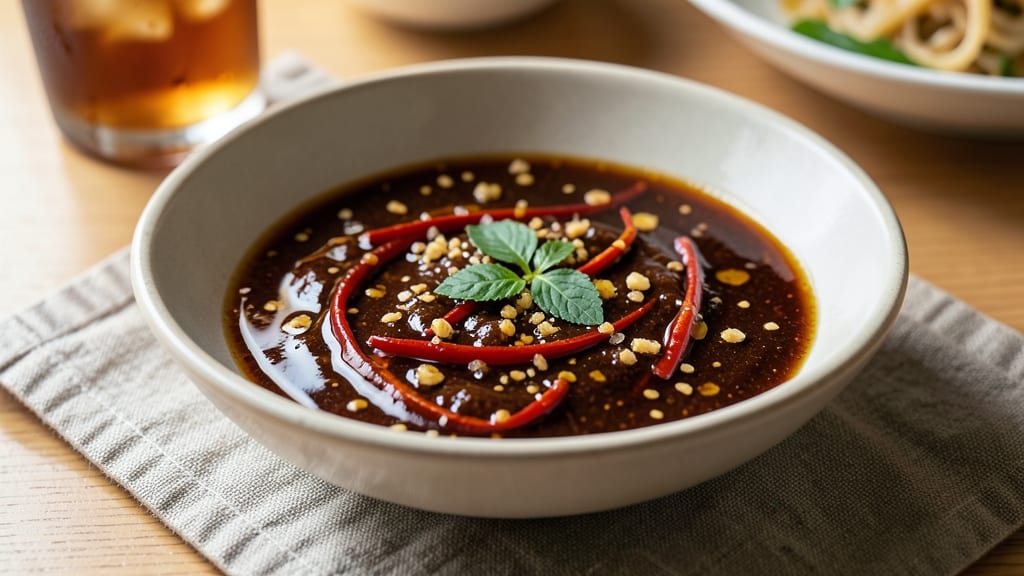
Annie Chun's Pad Thai sauce delivers that signature tangy-sweet-spicy balance you crave from takeout, now recreated at home with precise technique. The secret lies in tamarind paste for authentic sourness, fish sauce for umami depth, and a perfect blend of palm sugar and chili that creates that signature sweet-heat harmony.
I've perfected this recipe through multiple batches, ensuring every spoonful delivers the restaurant-quality flavor without the mystery ingredients.
This sauce transforms ordinary stir-fry ingredients into something extraordinary—crispy noodles, tender vegetables, and protein all come together in perfect balance. The key is building the sauce in stages: first combining the wet ingredients, then adjusting the sweetness and spice to your exact preference.
Professional chefs rely on this method to achieve consistent results every time.
What makes this recipe truly special is its versatility. Use it for classic pad Thai, as a marinade for grilled meats, or as a dipping sauce for spring rolls. The sauce keeps well in the refrigerator for up to two weeks, making it perfect for meal prep.
Each batch delivers that unmistakable Annie Chun's flavor profile that takes your home cooking to the next level.
The beauty of this recipe is its adaptability—you can adjust the chili level from mild to fiery based on your preference, while still maintaining that authentic Thai flavor profile.
Whether you're serving it over rice noodles or using it as a glaze for grilled chicken, this sauce will elevate your dishes with professional restaurant quality.
Ingredients for annie chun's pad thai sauce
Nine ingredients create that iconic Annie Chun's Pad Thai sauce flavor at home.
| Ingredient | Amount | Notes |
|---|---|---|
| Tamarind Paste 🍈 | ½ cup | High-quality, unsweetened preferred |
| Fish Sauce 🐟 | ⅓ cup | Red Boat preferred for quality |
| Palm Sugar 🍯 | ½ cup | Or substitute brown sugar |
| Rice Vinegar 🍶 | ¼ cup | White or seasoned variety |
| Soy Sauce 🍜 | ¼ cup | Light or dark preferred |
| Chili Garlic Sauce 🌶️ | ¼ cup | Or substitute sriracha |
| Garlic Cloves 🧄 | 6 cloves | Minced for depth of flavor |
| Fresh Ginger 🌿 | 2 tbsp | Grated, fresh preferred |
| Sesame Oil 🫒 | 1 tbsp | Toasted for aromatic finish |
| Salt 🧂 | 1 tsp | Adjust to taste |
Tamarind paste is the soul of this sauce—look for blocks at Asian markets for the most authentic sourness. If you can't find it, substitute lime juice plus a pinch of citric acid (though it won't be identical). The Red Boat fish sauce makes all the difference here—it's worth the splurge for that authentic umami punch. Palm sugar gives that signature caramelized sweetness, but brown sugar works in a pinch if you're in a hurry. For the garlic and ginger, fresh is non-negotiable—pre-minced jars lack the vibrant flavor you need.
No chili garlic sauce? Mix 1 tbsp sriracha with 1 tbsp soy sauce for a quick substitute. The sesame oil adds that nutty aroma—toast it first by heating in a dry pan for 30 seconds to bring out its flavor. If you're making this for a crowd, double the batch—it disappears fast! For extra tang, add 1 tbsp more rice vinegar. Want it spicier? Add 1 extra tbsp of chili garlic sauce or a dash of cayenne. The sauce builds flavor as it sits, so let it rest 10 minutes before using—trust me, it's worth the wait.
This sauce keeps beautifully—up to 2 weeks in the fridge in an airtight container. For longer storage, freeze in ice cube trays and transfer to a bag—perfect for single-use portions. The flavor actually improves after a day or two as everything melds together. Stir before using since the oil may separate slightly. Use it on everything from pad Thai to grilled chicken—it's the secret weapon that takes your dishes to restaurant quality.
Why You'll Love This Recipe
- Here’s what sold me: that first bite where the sweet and sour play tag-team, then the soy and vinegar step in to keep it sharp. It’s not cloying, not flat—it’s exactly what pad thai needs to shine. Honestly, I’ve made this sauce three times now, and I still pause mid-stir, tasting as I go.
- I’ll be real: fish sauce and palm sugar aren’t cheap, but they stretch far when you’re making sauce. A little goes a long way, and the leftovers? They keep for weeks in the fridge. That means I’m not scrambling for takeout when I’m too tired to cook—just reheat, adjust, and boom, instant flavor upgrade.
Step-by-step instructions for Annie Chun's Pad Thai sauce
Here's how to recreate that iconic takeout flavor—bold, tangy, and perfectly balanced.
Bloom the Aromatics
In a medium saucepan, combine the 6 cloves garlic cloves and 2 tablespoons fresh ginger over medium heat. Let them sizzle gently for 2-3 minutes until fragrant but not browned—this unlocks their full flavor without bitterness. I keep the heat moderate here; garlic burns faster than you think, and that would ruin the delicate balance we're building.
Here's the thing—if your ginger isn't freshly grated, you'll taste the difference. That's why I always use the fresh stuff. Once the aromatics smell like a Thai street market, it's time to move to the next step. Don't rush this part; those flavors are the foundation of our sauce.
Combine Wet Ingredients
Reduce the heat to low and slowly whisk in the 0.5 cup tamarind paste, 0.33 cup fish sauce, and 0.5 cup palm sugar. Stir constantly for 2-3 minutes until the sugar dissolves completely and the mixture thickens slightly. You're looking for a smooth, syrupy consistency—this is where the sauce starts to come together.
The tamarind paste might clump at first, but keep stirring. If it's too thick, add 1 tablespoon water at a time until it flows easily. This is your chance to taste and adjust—if it's too sour, add a pinch more palm sugar; if it's too salty, a splash of water helps balance it. Trust your taste buds here.
Build Depth with Vinegar and Soy
Increase the heat to medium-low and add the 0.25 cup rice vinegar and 0.25 cup soy sauce. Let the mixture simmer gently for 5-7 minutes, stirring occasionally, until it reduces by about 25% and becomes glossy. You'll notice the sauce darkening slightly—that's the magic happening as flavors meld together.
This is where the sauce transforms from good to incredible. The vinegar adds that signature tang, while the soy sauce deepens the umami. If you're using a substitute for chili garlic sauce later, now's the time to add it—0.25 cup chili garlic sauce—and simmer for another 2 minutes to fully incorporate. The sauce should coat the back of a spoon with a velvety texture.
Finish with Sesame Oil and Salt
Remove the saucepan from heat and stir in the 1 tablespoon sesame oil and 1 teaspoon salt. Let it sit for 1 minute—this resting period allows all the flavors to truly marry. The sesame oil adds a nutty aroma that takes this sauce from restaurant-quality to something special.
Taste again and adjust seasoning if needed. I promise you'll want to taste it at least twice—this sauce is that good. If it's too thick, thin it with 1-2 tablespoons water; if it's too thin, simmer uncovered for another 2-3 minutes to reduce. The perfect Pad Thai sauce should be thick enough to coat noodles but still flow smoothly.
Cool and Store
Let the sauce cool to room temperature, then transfer it to an airtight container. It keeps in the refrigerator for up to 1 week, though I find it disappears much faster. When you're ready to use it, give it a good stir—sometimes the flavors settle differently after resting.
Here's the secret to using it: don't overcook your noodles. This sauce is powerful enough to transform even slightly undercooked noodles into something amazing. Toss it with your favorite stir-fry and watch it come alive—just like the takeout version you love.
Pro Tips For Making Annie Chun'S Pad Thai Sauce
- Dissolve Tamarind Paste First: I learned this the hard way—dumping clumpy tamarind straight into hot liquid makes your sauce grainy no matter how much you stir. Instead, mix it with 2 tablespoons of warm water first, then whisk until completely smooth before adding to the pot. The sauce will blend like silk, not sand.
- Balance Fish Sauce Gradually: Fish sauce is sneaky—what tastes right at first often needs more later. Start with half the amount listed, taste, then add the rest a teaspoon at a time while the sauce simmers. The heat mellows the flavor, and you’ll avoid that "off" aftertaste that hits when you overdo it.
- Use Fresh Palm Sugar: That jarred "palm sugar substitute" from the international aisle? Skip it. Real palm sugar caramelizes beautifully and adds depth, while the fake stuff just dissolves into sweet, flavorless syrup. If you can’t find it, light brown sugar works in a pinch—but expect a slightly different texture.
- Simmer Until It Thickens: Don’t walk away. The sauce needs 8–10 minutes of steady simmering to coat the back of a spoon. I used to rush it, and the sauce would taste flat. Keep the heat medium-low and stir occasionally—you’re not just cooking, you’re building layers of flavor.
Storing and reheating this recipe
Fridge Storage Essentials
Transfer your freshly made sauce to an airtight glass container—I use Pyrex with a silicone lid—and let it cool completely before refrigerating. The sauce will thicken slightly as it chills, so give it a good stir before each use.
Store for up to 2 weeks in the fridge, though I guarantee it’ll disappear in 3-4 days once your family tastes it. 🥫
Freezing for Later
For longer storage, freeze the sauce in ice cube trays—this makes single-use portions perfect for quick meals. Once frozen, transfer the cubes to a ziplock freezer bag and flatten to save space.
The sauce maintains quality for 3 months this way, though I recommend using it within 2 months for peak flavor. Thaw overnight in the fridge before using. ❄️
Reheating Perfection
To reheat, gently warm the sauce in a small saucepan over low heat for 3-5 minutes, stirring constantly. Avoid high heat—this sauce is delicate and can separate if rushed.
If it thickens too much, add 1-2 teaspoons water to restore its glossy consistency. For microwave reheating, use 30-second intervals on 50% power, stirring between each. 🔥
Sauce Texture Fixes
If your refrigerated sauce separates slightly, simply stir in 1 teaspoon sesame oil and 1 teaspoon water to restore its velvety texture. For extra richness after freezing, add ½ teaspoon toasted sesame oil before using.
The sauce should coat the back of a spoon smoothly—this is the golden rule for perfect Pad Thai flavor every time. ✨
Flavor Evolution
The sauce actually improves as it sits! After 24 hours, the tamarind and fish sauce flavors meld beautifully. Taste it again before using—you might find it needs a pinch more palm sugar or a splash of rice vinegar to perfect the balance.
This is where the magic happens, and why homemade always tastes better than store-bought. 💫
Portioning Tips
For meal prep, divide the sauce into small glass jars (like 4-ounce mason jars) so you can grab just what you need. Label with the date—this sauce keeps well, but freshness matters for that authentic takeout taste.
I keep one jar in the fridge at all times for spontaneous Pad Thai nights. 📅
Nutrition facts
Frequently asked questions
Can I substitute tamarind paste if I can't find it?
Yes! For 0.5 cup tamarind paste, mix 1/3 cup lime juice with 1 teaspoon citric acid powder (found in baking aisles). For a milder version, use 1/2 cup lime juice plus 1 tablespoon brown sugar. The flavor won't be identical, but it'll still deliver that signature tangy-sweet balance.
How do I adjust the spice level for kids or sensitive palates?
Start with 1 tablespoon chili garlic sauce (instead of 0.25 cup) for mild heat, or omit it completely and add 1/2 teaspoon ground white pepper for depth without spice. For extra sweetness to balance any remaining heat, add 1 extra tablespoon palm sugar at the end. Always taste as you go!
Why did my sauce turn out too salty?
Fish sauce and soy sauce are both salty, so taste as you go! If it's too salty, dilute with 1-2 tablespoons water or rice vinegar (which also adds tang). For future batches, reduce fish sauce to 0.25 cup and soy sauce to 0.125 cup. The sauce should taste complex, not just salty.
Can I make this sauce without a stove?
Use a microwave-safe bowl and combine all ingredients except sesame oil. Microwave in 30-second bursts, stirring between each, until the sugar dissolves (2-3 minutes total). Stir in sesame oil at the end. The texture will be slightly thinner, but the flavors will still shine. Perfect for dorm rooms or tiny kitchens!
How much sauce should I use for pad Thai?
Start with 2-3 tablespoons per serving of cooked noodles. Toss the sauce with warm (not hot) noodles and protein—this prevents the sauce from cooking off. For extra richness, reserve 1 teaspoon to drizzle at the end. The sauce is potent, so less is often more!