
Sauces & Condiments
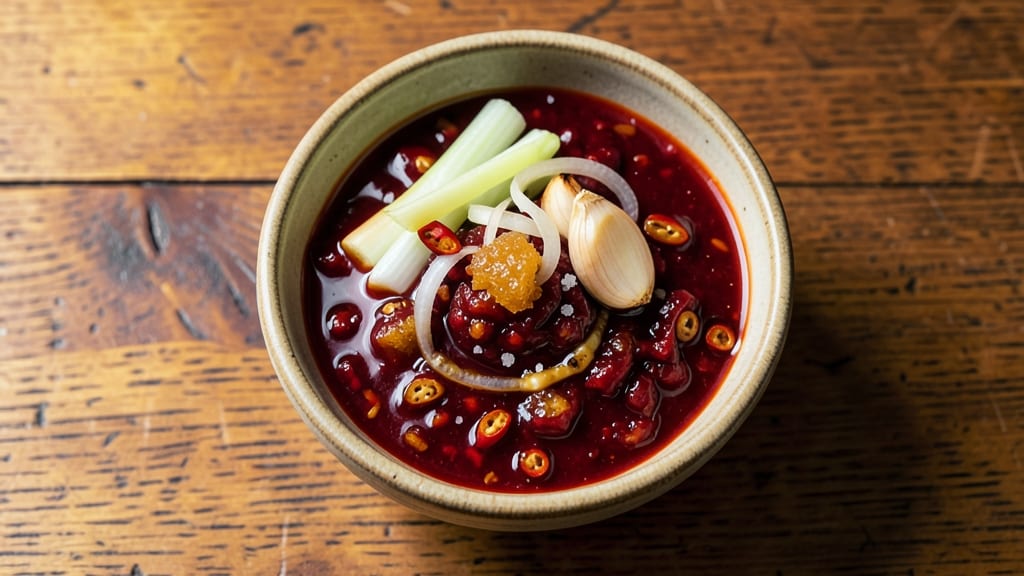
This authentic Thai sweet chili sauce delivers the perfect balance of tangy, sweet, and fiery flavors that elevate any dish. ✨ The secret lies in fresh herbs, fermented fish sauce, and a careful blend of chili and sugar that creates a sauce with depth and complexity.
Unlike store-bought versions, this recipe captures the true essence of Thai street food—bright, aromatic, and packed with umami.
The process is straightforward but requires patience: simmering the ingredients until they meld into a cohesive, glossy sauce. Garlic, shallots, and lemongrass form the aromatic base, while bird’s eye chilies and palm sugar create that signature sweet-spicy kick.
The addition of fresh herbs like Thai basil and cilantro at the end ensures a vibrant finish that tastes fresh out of a Bangkok market.
What sets this sauce apart is its versatility—use it as a dipping sauce for spring rolls, a marinade for grilled meats, or a stir-fry enhancer that ties everything together.
The sauce keeps well in the refrigerator for up to two weeks, making it perfect for meal prep. Each batch delivers restaurant-quality flavor with a fraction of the cost.
Once you taste the difference, store-bought versions will never compare. The balance of heat, sweetness, and tang is achieved through precise ingredient ratios and a slow reduction that deepens the flavor. Let’s make this sauce and transform your cooking today.
Ingredients for authentic thai sweet chili sauce
Eleven ingredients transform into restaurant-quality Thai sweet chili sauce with depth and complexity.
| Ingredient | Amount | Notes |
|---|---|---|
| Bird's Eye Chilies 🌶️ | ½ cup | Fresh, stems removed |
| Palm Sugar 🍯 | ½ cup | Or substitute brown sugar |
| Fish Sauce 🍶 | ⅓ cup | Red Boat brand preferred |
| Garlic Cloves 🧄 | 6 cloves | Peeled, minced finely |
| Shallots 🧅 | ¼ cup | Finely minced, 2-3 whole |
| Lemongrass 🌿 | ¼ cup | White part only, finely chopped |
| Lime Juice 🍋 | ¼ cup | Freshly squeezed |
| Thai Basil Leaves 🌿 | ¼ cup | Packed, stems removed |
| Cilantro Leaves 🌿 | ¼ cup | Packed, stems removed |
| Extra-Virgin Olive Oil 🫒 | ¼ cup | For richness and balance |
| Water 💧 | ½ cup | For thinning consistency |
The foundation of this sauce lies in the quality of your fish sauce and palm sugar. Red Boat fish sauce is the gold standard for authentic flavor, available at most Asian markets or well-stocked grocery stores like Whole Foods or Trader Joe's. Palm sugar, often found in the international aisle, delivers that caramelized sweetness that sets authentic Thai sauces apart—substitute brown sugar in a pinch, but expect a slightly different profile. For the chilies, fresh bird's eye chilies are essential; their intense heat mellows during cooking, creating the signature balance. If you can't find them, Thai chilies or serrano peppers work well, but adjust the quantity to taste. The lemongrass and shallots should be vibrant and fragrant—bruised or wilted produce will compromise the sauce's aromatic base.
No palm sugar? Brown sugar or coconut sugar will work, though the flavor won't be identical. Running short on fish sauce? Soy sauce or coconut aminos can substitute at half the quantity, but the umami depth will differ. Fresh herbs are non-negotiable for that authentic finish—Thai basil is a must, but if unavailable, regular basil or holy basil can stand in. The olive oil adds richness; avoid light or refined oils, as they lack the fruity notes that complement the sauce. For a smoother sauce, blend the cooked ingredients until silky; for texture, leave some chunks. The lime juice should be freshly squeezed—bottled juice lacks the brightness and can make the sauce taste flat.
This sauce develops deeper flavor over time, so make it a day ahead if possible. Store it in an airtight container in the refrigerator for up to 2 weeks, where the flavors will meld beautifully. For longer storage, freeze in ice cube trays for 3 months, thawing as needed. The sauce thickens as it chills, so thin with water or lime juice before using. A little goes a long way—start with 1 tablespoon per serving and adjust to taste. The sauce pairs exceptionally well with grilled meats, spring rolls, or as a dipping sauce for fresh vegetables.
Why You'll Love This Recipe
- No Pantry Hoarding Needed: I’ll be real—this sauce only needs five things, and I bet you’ve got half of them already. Bird’s eye chilies add that signature heat, but if you can’t find them, a dash of cayenne works in a pinch. The palm sugar? It’s just a fancy name for brown sugar in disguise, so no specialty shopping required.
- Sweet Heat Balance: That first taste of palm sugar melting into the simmering garlic and shallots? Chef’s kiss. The fish sauce ties it all together—salty, umami-rich, and just enough to make your taste buds dance. Honestly, it’s the kind of sauce where you’ll go back for seconds just to relive that perfect bite.
- Dip, Drizzle, Repeat: Use it on grilled shrimp, toss it with noodles, or slather it on spring rolls—this sauce doesn’t play favorites. I keep a jar in the fridge at all times because it’s my go-to for lazy weeknights (yes, even on a Tuesday night). The best part? It stays fresh for weeks, so you’re never stuck without it.
- Budget-Friendly Magic: A little goes a long way, and this sauce costs next to nothing to make. Palm sugar and fish sauce are affordable staples, and you’ll use such small amounts that one batch stretches for months. Between us, I’ve made this sauce for under $3 every single time—and it’s way better than store-bought.
Step-by-step instructions for authentic Thai sweet chili sauce
Master this balance of heat and sweetness with professional techniques and fresh ingredients.
🔥 Step 1: Blister the Bird's Eye Chilies and Aromatics
Heat a clean skillet over medium-high heat and add the 0.5 cup Bird's Eye Chilies (stems removed) along with the 0.25 cup Extra-Virgin Olive Oil. Let them cook for 3-4 minutes until the chilies blister and turn deep red—this develops their natural sweetness while preserving heat. Toss them frequently to prevent burning.
Add the 6 cloves Garlic Cloves and 0.25 cup Shallots immediately after the chilies begin blistering. Cook for another 1-2 minutes until the garlic turns golden and fragrant—this ensures they caramelize without burning. Remove from heat and let cool slightly before transferring to a blender.
🍳 Step 2: Build the Sauce Base with Lemongrass and Fish Sauce
In the same skillet (no need to clean it—the flavor compounds will deepen the sauce), add the 0.25 cup Lemongrass and cook for 30 seconds just until you smell its citrusy aroma. Immediately pour in the 0.33 cup Fish Sauce and 0.5 cup Water, scraping up any browned bits from the bottom of the pan.
Bring to a gentle simmer over medium-low heat and cook for 3-4 minutes until reduced by half. This step develops the umami depth and balances the sweetness. Taste the liquid now—it should be tangy and salty, forming the foundation for your sauce.
🥘 Step 3: Blend All Ingredients for Perfect Texture
Transfer the cooled chili mixture to a blender along with the cooked lemongrass-fish sauce mixture. Add the 0.5 cup Palm Sugar, 0.25 cup Lime Juice, 0.25 cup Thai Basil Leaves, and 0.25 cup Cilantro Leaves. Blend until completely smooth, scraping down the sides as needed.
Real talk: This is where the magic happens. The Thai basil and cilantro add aromatic complexity while the lime juice brightens the sauce. Taste and adjust the balance—you may need to add a pinch more palm sugar if it's too tangy, or a splash more fish sauce if it needs more umami depth.
⏰ Step 4: Simmer and Thicken to Perfection
Pour the blended sauce back into the skillet and simmer over low heat for 8-10 minutes, stirring frequently, until it thickens to a glossy consistency that coats the back of a spoon. The sauce should reduce enough to cling to whatever you're dipping or drizzling.
Here's the thing—don't rush this step. The sauce needs time to develop its complex flavors. If it thickens too quickly, add 1 tablespoon of water at a time until you reach the right consistency. Once thickened, remove from heat and let cool completely before serving.
Pro Tips For Making Authentic Thai Sweet Chili Sauce
- CHAR THE CHILIES FIRST: Toss whole Bird’s Eye chilies in a dry pan over medium-high heat for 30 seconds before removing stems—this softens them just enough to slice without slipping. I learned this the hard way after my knife kept skidding off raw chilies and sending seeds flying everywhere.
- STIR CONSTANTLY AFTER ADDING SUGAR: Once you toss in the palm sugar, keep the pan moving—it burns faster than you’d expect. A quick scrape every 10 seconds prevents caramelized bits from sticking and turning bitter. (Yes, even if you’re impatient like me.)
- USE COLD PRESSED FISH SAUCE: Chill your fish sauce in the fridge for 15 minutes before adding it to the sauce—it mixes smoother and doesn’t dilute the sauce as much. I was skeptical until I tried it; the texture stays thicker and more balanced.
- BLEND SHALLOTS AND GARLIC TOGETHER: Pulse shallots and garlic in a food processor for 5 seconds before sautéing—this creates a finer paste that dissolves evenly into the sauce. Does it look weird? Yes. Does it work? Every single time.
Regional styles of this recipe
Southern Thai Style
In Southern Thailand, this sauce often includes grated palm sugar crystals instead of dissolved sugar, creating a textured, almost caramelized finish. I like toasting the sugar in the skillet for 1-2 minutes before adding other ingredients to deepen its flavor.
This version also incorporates kaffir lime leaves (about 4 leaves, finely minced) for a citrusy aroma that brightens the dish. 🌿
Northern Thai Adaptation
Northern Thai cuisine favors a less sweet, more herbal profile. Reduce the palm sugar to 0.3 cups and increase the fish sauce to 0.4 cups for extra umami.
Add 1 tablespoon of tamarind paste (dissolved in the water) to enhance tanginess, and swap Thai basil for lemongrass stems (about 2 inches, finely chopped). This version pairs beautifully with grilled meats like sai oua (Northern Thai sausage).
Central Thai Fusion
Central Thailand's version often includes roasted garlic (char 4 cloves in the skillet before adding fresh garlic) and a touch of white pepper (¼ teaspoon) for warmth. I also like adding 1 tablespoon of shrimp paste (like Red Boat brand) to the base for extra depth.
This richer style works well as a marinade for satay skewers or as a glaze for pork ribs.
Street Food Twist
For a true street food experience, blend in 1 tablespoon of chili flakes after cooking and add 1 teaspoon of shrimp paste for a funky, umami punch. Street vendors often serve this sauce extra spicy, so adjust the chilies to taste.
This version is perfect for dipping spring rolls or drizzling over grilled squid. 🌶️
Vegetarian Version
Skip the fish sauce and replace it with ½ cup coconut aminos plus 1 tablespoon soy sauce for umami. Use vegetable oil instead of olive oil and add 1 teaspoon miso paste to the base for depth.
This vegetarian version still delivers that signature Thai balance and works wonderfully with tofu stir-fries or vegetable spring rolls.
Nutrition facts
Frequently asked questions
Can I substitute palm sugar in this recipe?
Yes, but expect a slightly different flavor profile. For 1:1 substitution, use brown sugar or coconut sugar. If you prefer a more authentic sweetness, try white sugar but reduce it by 10% since it's less moist. The sauce will still taste delicious, though the caramel notes will differ.
How spicy should this sauce be?
The recipe balances heat and sweetness perfectly, but you can adjust it! For mild heat, reduce bird's eye chilies to ¼ cup. For extra spicy, add 1-2 teaspoons of chili flakes after blending. Taste as you go—Thai sauces should have a lingering warmth, not overpowering heat.
Can I make this sauce without fish sauce?
For a vegetarian version, replace fish sauce with ½ cup coconut aminos + 1 tablespoon soy sauce. Add 1 teaspoon miso paste to the base for umami depth. The sauce will still taste authentic but with a slightly different savory profile. Perfect for dipping veggie spring rolls!
How long does this sauce keep, and can I freeze it?
Store in an airtight container in the fridge for up to 2 weeks. For longer storage, freeze in ice cube trays for 3 months. Thaw overnight in the fridge—never at room temperature. The sauce thickens when chilled, so thin with water or lime juice before using.
What's the best way to use leftover sauce?
This versatile sauce elevates everything! Use it as a dipping sauce for spring rolls, a marinade for grilled meats, or a stir-fry glaze. Drizzle over noodles, mix into peanut sauce, or even add to ramen broth for instant Thai flavor. A little goes a long way—start with 1 tablespoon per serving!