
Sauces & Condiments
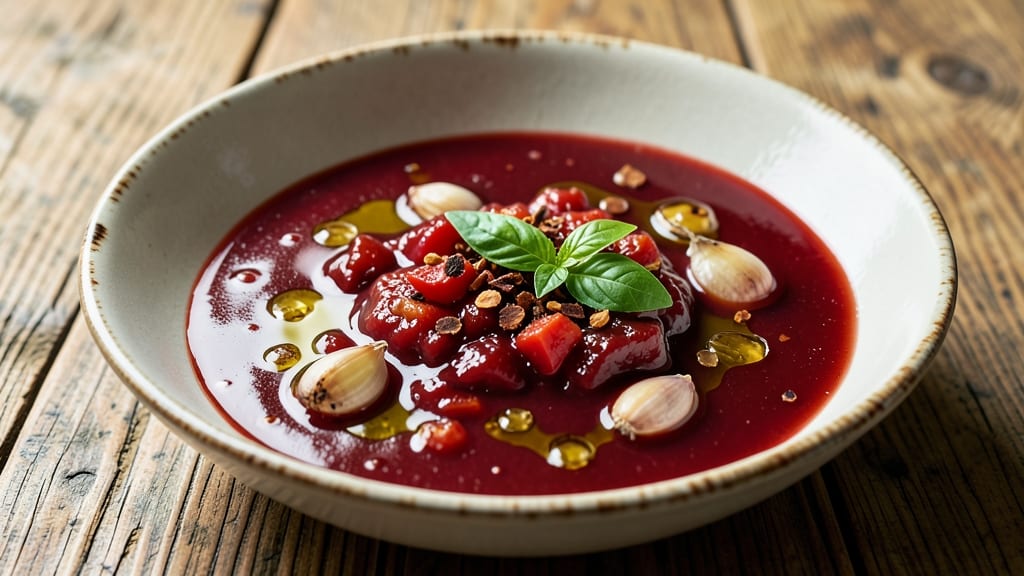
Anthony Bourdain's Sunday sauce recipe is the secret weapon behind his iconic smoky-tangy flavor profile that elevated everything from scrambled eggs to burgers. This isn't just any condiment—it's a versatile, deeply flavorful sauce that transforms ordinary dishes into something extraordinary with just a few simple ingredients and a patient simmer.
The magic lies in balancing heat, acidity, and umami through chili flakes, vinegar, and tomatoes, creating a sauce that's as complex as it is easy to make.
The beauty of this sauce is its adaptability—it works as a breakfast companion for fried eggs, a bold addition to burgers, or a finishing touch for pasta.
What makes it special is how the flavors develop over time, with the chili flakes mellowing into a smoky depth while the vinegar adds a bright, tangy kick. Bourdain himself called it his "Sunday sauce" because it deserved a day of rest to let those flavors truly shine.
What you'll end up with is a rich, velvety sauce with a perfect balance of heat and acidity, ready to enhance any dish it touches. The process is straightforward: combine the ingredients, simmer until thickened, and let it cool to develop its full character.
This sauce doesn't just sit in your pantry—it becomes the backbone of your meals, adding layers of flavor with minimal effort.
Once you master this recipe, you'll find yourself reaching for it in ways you never expected—drizzled over grilled meats, stirred into soups, or even used as a marinade.
The key is making a batch that lasts, so you can enjoy that Bourdain-esque depth in every bite. Let's get started on creating this legendary sauce.
Ingredients for anthony bourdain sunday sauce
Eight ingredients that capture Bourdain's legendary smoky-tangy magic for any dish.
| Ingredient | Amount | Notes |
|---|---|---|
| Extra-Virgin Olive Oil 🫒 | ½ cup | High-quality, fruity variety |
| Red Wine Vinegar 🍷 | ¼ cup | Dry, bold flavor preferred |
| San Marzano Crushed Tomatoes 🍅 | 28 oz | Canned, no salt added |
| Chili Flakes 🌶️ | 1 tbsp | Smoked or cayenne for heat |
| Garlic Cloves 🧄 | 4 cloves | Freshly minced for aroma |
| Shallots 🧅 | 2 whole | Minced, or sub with onion |
| Fresh Thyme Leaves 🌿 | 1 tbsp | Or 1 tsp dried thyme |
| Sea Salt 🧂 | 1 tsp | Diamond Crystal preferred |
| Black Peppercorns 🌶️ | ½ tsp | Freshly cracked |
| Honey 🍯 | 1 tbsp | Lightly sweetens balance |
The San Marzano crushed tomatoes are non-negotiable here—Trader Joe's or Whole Foods carry them canned, and the flavor difference is night and day. For the chili flakes, Penzeys or local spice shops have the best smoked varieties, but anything labeled 'cayenne' works in a pinch. Fresh thyme is ideal, but dried works at one-third the amount. The shallots add depth, so don't skip them—if you're in a rush, a minced yellow onion does the job. The red wine vinegar should be dry and bold—Bragg or Annie's are reliable grocery store picks.
No San Marzano? High-quality canned tomatoes like Muir Glen work fine. Short on vinegar? Apple cider vinegar at double the amount adds sweetness but keeps the tang. The honey can be swapped for maple syrup if you prefer, though it'll lean slightly sweeter. For extra smokiness, add a quarter teaspoon of smoked paprika to the chili flakes. The garlic and shallots can be pre-minced—just make sure they're finely chopped for that silky texture Bourdain loved. And if you're feeling fancy, toast the chili flakes in the oil first for deeper flavor.
This sauce tastes even better the next day as the flavors meld. Store in a clean glass jar in the fridge for up to 2 weeks, or freeze in ice cube trays for 3 months. I always double the batch—one for immediate use, one to stash. The oil layer on top is normal and delicious—just give it a good stir before using. Trust me, the first time you drizzle this over fried eggs or burgers, you'll understand why Bourdain called it his 'Sunday sauce.'
Why You'll Love This Recipe
- No-Fuss Weeknight Fix: I swear by this sauce when I’m too tired to think past dinner. Just toss those San Marzano tomatoes, a glug of olive oil, and a few crushed garlic cloves into a pan—no peeling, no dicing, no stress. The vinegar brightens it up while you’re still chopping onions for the pasta, so it’s ready when the water boils.
- Umami Bomb: That first spoonful? Chef’s kiss. The San Marzano tomatoes lend this sauce a depth you won’t find in store-bought jars—sweet, rich, with just enough acidity to cut through the garlic’s punch. The chili flakes add a whisper of heat that lingers, but honestly? It’s the slow simmer that turns this into something ridiculously good.
- Pantry Staple Power: This isn’t just for Sunday—it’s my go-to for lazy Tuesdays, last-minute company, or when my kid’s soccer team needs snacks. Drizzle it over grilled chicken, toss it with roasted veggies, or even slather it on garlic bread. The olive oil and vinegar base means it plays well with everything, and the tomatoes keep it hearty enough for leftovers.
- Budget-Friendly Magic: Between us, this sauce costs half of what a fancy jar of marinara does—and it tastes like you actually made it. A can of tomatoes, a bottle of vinegar, and a bulb of garlic? That’s it. Plus, it keeps for days in the fridge, so you’re not scrambling to use it all before it spoils. My wallet and my taste buds thank me.
Step-by-step instructions for anthony Bourdain's Sunday sauce
Here's how to recreate Bourdain's signature sauce—bold, smoky, and perfectly balanced.
Sauté Shallots and Garlic Until Golden
Heat the 0.5 cup extra-virgin olive oil in a heavy-bottomed saucepan over medium-low heat. Add the 2 whole shallots, minced finely, and cook for 5-6 minutes until they soften and begin to turn translucent. This slow cooking prevents burning and brings out their natural sweetness.
Add the 4 cloves garlic, freshly minced, and cook for another 1-2 minutes until fragrant but not browned. This step builds the aromatic foundation—don't rush it. The garlic should smell incredible but not bitter. If it starts to darken too quickly, reduce the heat slightly and give it a stir.
Add Chili Flakes and Toast for Depth
Increase the heat to medium and stir in the 1 tbsp chili flakes. Toast them for 30 seconds until they release their aroma—you'll smell that smoky, slightly spicy depth that defines the sauce. This is where Bourdain's signature heat comes from, so don't skip this step.
Next, add the 1 tbsp fresh thyme leaves and stir for 10 seconds to release their piney notes. The thyme should brighten the sauce, balancing the richness of the tomatoes coming next. If you're using dried thyme, reduce to 1 tsp and add it now as well.
Deglaze with Red Wine Vinegar
Pour in the 0.25 cup red wine vinegar and scrape up any browned bits from the bottom of the pan. This deglazing step captures all the flavor you've built so far. Let the vinegar simmer for 2-3 minutes until it reduces by about half—you want the alcohol to cook off, leaving behind a tangy, concentrated base.
This is the moment that matters: the vinegar sharpens the sauce and cuts through the richness of the olive oil. If you taste it now, you'll notice a bright, acidic edge that will eventually mellow as the tomatoes cook down. Don't walk away—this reduction happens quickly.
Build the Sauce with Tomatoes and Seasoning
Add the 28 oz San Marzano crushed tomatoes, stirring to combine. Bring to a gentle simmer over medium heat and let it cook uncovered for 20-25 minutes. You want the sauce to reduce by about half, thickening as it develops depth. Stir occasionally to prevent sticking.
Season with the 1 tsp sea salt and 0.5 tsp freshly cracked black peppercorns, then stir in the 1 tbsp honey. The honey rounds out the acidity and balances the smoky heat. Taste as you go—this is where you adjust. If it needs more salt, add it now. If the acidity is too sharp, a touch more honey helps.
Simmer to Perfection and Finish
Continue simmering for another 10-15 minutes until the sauce reaches your desired consistency. It should coat the back of a spoon but still be loose enough to drizzle. The longer it simmers, the more concentrated and complex the flavors become.
Remove from heat and let it rest for 5 minutes—this allows the flavors to meld. Bourdain's Sunday sauce is all about balance: the smoky heat from the chili flakes, the bright acidity from the vinegar, the sweetness of the honey, and the depth of the tomatoes. Serve warm over pasta, with grilled meats, or as a dipping sauce for crusty bread.
Pro Tips For Making Anthony Bourdain Sunday Sauce
- Sweat the Garlic Slowly: Low heat is your friend here—sauté those minced garlic cloves in olive oil for at least 3-4 minutes until they’re golden and fragrant, not crispy. I learned this the hard way when I rushed it and ended up with bitter, burnt garlic that ruined the whole sauce. Patience pays off.
- Use Crushed Tomatoes, Not Diced: Bourdain’s recipe calls for crushed San Marzano tomatoes for a reason—they release their juices and seeds more evenly, giving the sauce that signature velvety texture. Skip the diced cans; the extra pulp and skin make all the difference.
- Deglaze with Vinegar First: After browning your garlic and chili flakes, hit the pan with red wine vinegar before adding the tomatoes. It cuts through the oil and pulls up all those stuck-on garlic bits, giving the sauce a brighter acidity right from the start.
- Simmer Uncovered, But Not Too Hard: Let the sauce bubble gently uncovered to evaporate excess water, but don’t walk away—constant low simmering (15-20 minutes) concentrates the flavors without burning. I used to cover it and end up with a watery mess. Trust the process.
Storing and reheating your anthony bourdain sunday sauce
Fridge Storage Essentials
Store your Sunday sauce in a clean, airtight glass jar—I always use Le Parfait for its tight seal. Keep it refrigerated at 40°F or below for up to 2 weeks. The sauce thickens slightly when chilled, so give it a stir before using.
The oil layer that forms on top is normal and delicious—just mix it back in. This sauce tastes even better the next day as the flavors meld together. 🥫
Freezer Prep Tips
For longer storage, freeze the sauce in ice cube trays—perfect for portion control. Once frozen, transfer cubes to a ziplock bag and flatten to save space. Thaw in the fridge overnight for best results.
The sauce keeps its quality for 3 months this way. If you prefer larger batches, use quart-sized freezer-safe containers with 1-inch headspace to prevent expansion cracks. Label with the date! ❄️
Reheating Methods
For stovetop reheating, transfer sauce to a saucepan over low heat and warm gently for 5-7 minutes, stirring occasionally. Avoid boiling—just heat until 165°F to preserve texture.
If it thickens too much, add 1-2 tablespoons water to loosen. Microwave reheating works too: use 50% power for 1-2 minutes, then stir and check consistency. 🔥
Sauce Consistency Fixes
If your refrigerated sauce seems too thick, thin it with 1 tablespoon water or red wine vinegar while reheating. For extra richness, stir in 1 teaspoon olive oil at the end.
If it's too thin after freezing, simmer uncovered for 5-10 minutes to reduce. The key is balance—Bourdain's sauce should coat a spoon but still drizzle easily. Taste as you go! 💡
Flavor Preservation
To maintain the sauce's vibrant flavors, always use clean utensils when scooping from the jar. Avoid metal spoons that can react with the acidity—stick to wooden or silicone. For long-term storage, consider dividing into smaller jars so you're not opening one large container repeatedly.
The first batch I made lasted only 3 days—now I triple the recipe! 🌶️
Nutrition facts
Frequently asked questions
Why does Bourdain call this sauce "Sunday sauce"?
Anthony Bourdain named it "Sunday sauce" because he believed it deserved a full day of rest to develop its full depth of flavor. The slow simmering and overnight resting allows the smoky chili flakes to mellow, the vinegar's acidity to soften, and all the ingredients to harmonize beautifully. It's a sauce meant to elevate simple meals—perfect for lazy Sundays when you want maximum flavor with minimal effort.
Can I make this sauce without red wine vinegar?
Yes! You can substitute with apple cider vinegar (use double the amount) or balsamic vinegar (use half the amount). For a fruity twist, try white wine vinegar at the same quantity. The key is maintaining that bright acidity—just adjust to taste. If using balsamic, reduce the honey slightly to balance the sweetness.
How spicy will this sauce be?
The heat level depends on the chili flakes you use. Smoked chili flakes give a mild, smoky warmth while cayenne adds more direct heat. Start with 1 tbsp and taste before serving—you can always add more later. For a milder version, reduce to ½ tbsp or use paprika instead. The sauce mellows as it rests, so don't worry if it seems intense fresh out of the pot.
What's the best way to use leftover Sunday sauce?
This versatile sauce works everywhere! Drizzle it over fried eggs, grilled burgers, or pasta. Use it as a marinade for chicken or steak, a dipping sauce for fries, or even a pizza sauce base. The possibilities are endless—Bourdain himself used it to elevate simple dishes. Store leftovers in the fridge for up to 2 weeks or freeze in ice cube trays for easy portioning.
Why does my sauce look oily on top?
The oil separation is completely normal and actually delicious! The olive oil rises to the top as the sauce cools—just stir it back in before using. This happens because the sauce contains both water-based (tomatoes, vinegar) and fat-based (olive oil) ingredients. The good news? This oil layer adds richness when you mix it back in. For a smoother texture, you can skim off excess oil before reheating.