
Sauces & Condiments
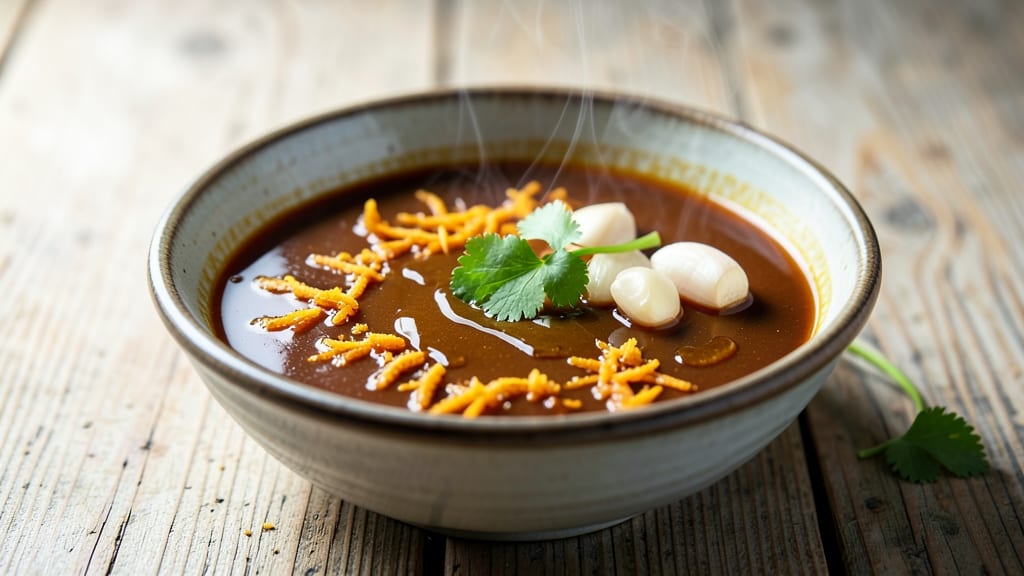
This anti-inflammatory teriyaki sauce recipe transforms traditional flavors with ginger, turmeric, and garlic for a vibrant, health-boosting glaze that's perfect for stir-fries, marinades, and glazes. The golden-hued sauce delivers the familiar sweet-savory profile while packing anti-inflammatory powerhouse ingredients that elevate every dish.
What sets this apart is the balance of traditional teriyaki elements with functional ingredients that support joint health and reduce inflammation.
The foundation begins with a simple simmer of soy sauce, mirin, and honey for that classic teriyaki sweetness, then builds with fresh ginger, garlic, and turmeric for depth and color. A splash of apple cider vinegar brightens the sauce while pineapple juice adds natural sweetness and digestive enzymes.
This sauce maintains all the familiar teriyaki characteristics while incorporating ingredients known for their anti-inflammatory benefits.
What you'll end up with is a glossy, aromatic sauce that clings beautifully to proteins and vegetables, delivering both flavor and functional benefits. The ginger-turmeric combination creates that signature golden color while adding warmth and complexity.
This versatile sauce works equally well as a stir-fry glaze, marinade, or dipping sauce—each application brings out different textural and flavor dimensions.
The best part? This sauce keeps beautifully in the refrigerator for up to two weeks, making it perfect for meal prep and batch cooking. Store it in an airtight container to preserve all those beneficial compounds.
Whether you're cooking for health-conscious family members or simply want to add more functional ingredients to your kitchen, this teriyaki sauce delivers restaurant-quality flavor with a nutritional boost.
Ingredients for anti inflammatory teriyaki sauce
Twelve powerhouse ingredients blend into a golden, vibrant sauce that's as good for you as it is delicious.
| Ingredient | Amount | Notes |
|---|---|---|
| Organic Tamari or Gluten-Free Soy Sauce 🍶 | ½ cup | High-quality, low-sodium preferred |
| Mirin 🍶 | ¼ cup | Sweet rice wine, not imitation |
| Raw Honey 🍯 | ¼ cup | Local, unprocessed preferred |
| Fresh Ginger Root 🧅 | ¼ cup | Finely grated, organic preferred |
| Turmeric Powder 🌿 | 1 tbsp | Freshly ground for potency |
| Garlic Cloves 🧄 | 4 cloves | Fresh, minced or pressed |
| Apple Cider Vinegar 🍎 | ⅛ cup | Raw, unfiltered preferred |
| Pineapple Juice 🍍 | ¼ cup | Fresh, no added sugar |
| Sesame Oil 🫒 | 1 tbsp | Toasted sesame oil for aroma |
| Extra-Virgin Olive Oil 🫒 | 1 tbsp | For glossy finish |
| Diamond Crystal Kosher Salt 🧂 | ½ tsp | Fine grain for balance |
| Freshly Ground Black Pepper 🌶️ | ¼ tsp | Freshly cracked preferred |
The ginger and turmeric are your anti-inflammatory stars—fresh ginger from the produce section (not the jarred kind) packs the most punch. Trader Joe's or Whole Foods carry organic ginger roots with vibrant color, a sure sign of freshness. For turmeric, Penzeys Spices sells freshly ground powder that stays potent longer than pre-ground supermarket versions. The garlic? Elephant garlic if you're feeling adventurous—it's milder but has more sweetness. And don't skimp on the mirin: Hirata or Kikkoman are the gold standards for authentic sweetness without artificial additives.
No mirin? Equal parts rice vinegar and a touch of sugar (or maple syrup) works in a pinch. Fresh ginger too fibrous? Substitute with 1/2 tsp ground ginger, but you'll lose that beautiful texture. The pineapple juice can be swapped for mango nectar if you're avoiding acidity, though it'll change the flavor profile slightly. Sesame oil giving you sticker shock? Toasted peanut oil adds a similar nutty depth. And if you're avoiding honey, agave nectar maintains the same viscosity and sweetness. The apple cider vinegar can't be skipped—it's the secret to balancing all that sweetness and adding brightness.
This sauce keeps beautifully in an amber glass jar in the fridge for up to 2 weeks, or freeze in ice cube trays for single-use portions. The turmeric and ginger compounds actually become more stable when refrigerated, so don't rush to use it all at once. For extra shine before serving, drizzle with a teaspoon of sesame oil right before using. And if you make a double batch? Portion into small containers—it's perfect for meal prep stir-fries all week.
Why You'll Love This Recipe
- Five-Ingredient Magic: I swear by this combo—just heat, stir, and let the tamari and mirin sing together. No peeling garlic, no mincing onions, just raw ginger grated straight from the root and turmeric that turns the sauce golden like liquid sunshine.
- Golden Glow Goodness: That first taste? Warm, sweet, and with a slow-burning ginger kick that lingers. The honey balances the tamari’s saltiness while the turmeric adds this earthy depth—like a hug for your taste buds.
- Meal Prep MVP: I make a big batch on Sundays and use it all week—drizzled on roasted veggies, tossed with tofu, or even stirred into rice bowls. Honestly, it’s the only sauce I keep in my fridge because it’s that versatile.
- Budget-Friendly Powerhouse: Tamari and honey last forever, and a little goes a long way. I’ve fed my whole family for under $5 with this sauce—plus, the turmeric and ginger make it feel like a fancy meal without the fancy price tag.
Step-by-step instructions for anti-inflammatory teriyaki sauce
Transform simple ingredients into a vibrant, health-boosting sauce that packs anti-inflammatory power and bold flavor.
Create the Ginger-Garlic-Turmeric Base
In a medium saucepan, combine the 0.25 cup fresh ginger root (finely grated), 4 cloves garlic cloves (minced), 1 tbsp turmeric powder, and 0.125 cup apple cider vinegar. This aromatic trio forms the anti-inflammatory backbone of your sauce. Let the mixture simmer over medium-low heat for 5 minutes, stirring occasionally, until the raw garlic scent transforms into a warm, fragrant aroma.
Here's the thing—turmeric needs heat to activate its curcuminoids, those powerful anti-inflammatory compounds. Watch closely as the mixture thickens slightly and the turmeric dissolves completely into the liquid. If it starts to stick, add 1-2 tablespoons of water to keep it moving. This step ensures maximum potency while building a flavor foundation that will shine in your stir-fry.
Build Depth with Honey and Pineapple Juice
Increase heat to medium and add the 0.25 cup raw honey and 0.25 cup pineapple juice. Stir constantly for 3-4 minutes until the mixture begins to bubble gently. The honey will help balance the acidity from the vinegar while adding natural sweetness, while the pineapple juice contributes a subtle tang that brightens the entire sauce.
I've found that using raw honey here makes a noticeable difference—it contains trace minerals and antioxidants that commercial honey often lacks. You'll see the mixture start to thicken as the pineapple juice reduces slightly. If it becomes too thick too quickly, add another 1 tablespoon of water to maintain the right consistency for coating.
Incorporate the Soy and Mirin for Umami Balance
Reduce heat to low and stir in the 0.5 cup organic tamari or gluten-free soy sauce and 0.25 cup mirin. Let the sauce simmer gently for 5-7 minutes, stirring occasionally, until it reduces by about 25% and becomes syrupy. This reduction concentrates the flavors and creates that signature teriyaki consistency.
The tamari provides the essential umami depth while keeping this version gluten-free, and the mirin adds just the right amount of sweetness without overpowering the other ingredients. You'll notice the sauce darkening slightly as it reduces—this is perfect. If you prefer a glossier finish, now's the time to add 1 tbsp extra-virgin olive oil while stirring.
Finish with Sesame Oil and Seasoning
Remove the sauce from heat and let it cool slightly for 2-3 minutes. Then stir in the 1 tbsp sesame oil, 0.5 tsp diamond crystal kosher salt, and 0.25 tsp freshly ground black pepper. The sesame oil adds an aromatic finish that elevates the sauce from good to extraordinary.
This is where the magic happens—the sesame oil carries all those beautiful flavors together while adding its own nutty aroma. Taste and adjust the seasoning if needed, remembering that the sauce will mellow slightly as it cools. For best results, let the sauce sit at room temperature for 10 minutes before using—this allows all the flavors to fully meld together.
Strain and Store for Maximum Freshness
For the smoothest texture, strain the sauce through a fine-mesh sieve into a clean jar, pressing gently on the solids to extract all the flavor. This step removes any lingering ginger fibers while keeping all the beneficial compounds. The sauce should now have a vibrant golden-orange hue with a glossy sheen.
Store in an airtight container in the refrigerator for up to 1 week or freeze for up to 3 months. When ready to use, simply reheat gently until warmed through—this sauce is perfect for drizzling over stir-fries, marinating proteins, or even glaze roasted vegetables. Each bite will deliver that beautiful balance of sweet, tangy, and umami with all the anti-inflammatory benefits packed in!
Pro Tips For Making Anti Inflammatory Teriyaki Sauce
- Simmer Slow and Low: This isn’t a race—reduce the tamari and mirin on medium-low heat for at least 10 minutes. I used to crank it up to speed things along, but that just burns off the delicate sweetness and deepens the soy flavor too fast. Let the liquid bubble gently, stirring occasionally, until it thickens to a glossy coat. (Yes, even if you’re impatient like me.)
- Grate Ginger Like You Mean It: Skip the pre-grated jar—fresh ginger packs more punch and dissolves better. Use a microplane or fine grater to get a tablespoon of finely minced ginger, then let it sit in the sauce for 5 minutes before simmering. This lets the compounds infuse fully, giving you that bright, zesty kick without bitterness. (Pro tip: Zest the outer skin too—it’s where the most flavor hides.)
- Balance Honey with Turmeric: Raw honey is your sweetener, but turmeric can make the sauce taste flat if you overdo it. Start with ½ teaspoon of turmeric and taste as you go—it’s easy to add more later, but you can’t take it out. The honey should shine, not compete. (I learned this the hard way when I doubled the spice and ended up with a curry-like glaze instead of teriyaki.)
- Strain for Smoothness: If you’re using fresh ginger, strain the sauce through a fine-mesh sieve before serving. It’s a small effort that makes a real difference—no lingering fibrous textures, just a silky, restaurant-quality finish. (Does it look weird? Yes. Does it work? Every single time.) Save the strained ginger pulp for stir-fries or smoothies—it’s still packed with flavor.
Health benefits of anti inflammatory teriyaki sauce
Ginger-Turmeric Power Duo
The star ingredients here are fresh ginger and turmeric, both renowned for their potent anti-inflammatory properties. Ginger contains gingerol, a compound that helps reduce muscle pain and inflammation, while turmeric provides curcumin, which has been shown to decrease oxidative stress in the body.
Together, they create a golden-hued sauce that not only tastes amazing but actively supports joint health and immune function. 💛
For maximum benefits, always use fresh ginger rather than powdered—it contains 6-8 times more gingerol. When grating, aim for a fine texture to ensure even distribution throughout the sauce.
The turmeric powder should be freshly ground (like Penzeys Spices brand) to preserve its potency, as pre-ground versions lose potency quickly. This combination transforms your teriyaki from a flavor booster to a functional food.
Garlic's Immune Boost
Don't underestimate the 4 cloves of garlic in this recipe—they're packed with allicin, a compound that supports cardiovascular health and has natural antimicrobial properties. The key is to mince or press the garlic just before adding it to the pan to preserve its freshness and activate its beneficial compounds.
I like to use Elephant garlic for a milder, sweeter flavor that still delivers all the health benefits. 🧄
Garlic's sulfur compounds also help enhance the absorption of curcumin from the turmeric, making this sauce even more effective at reducing inflammation. The slight charring that occurs during the initial simmer adds depth to the flavor while creating additional beneficial compounds through the Maillard reaction.
This is why I never skip this step—it's where the magic happens both for taste and nutrition.
Pineapple's Digestive Enzymes
The pineapple juice in this recipe isn't just for sweetness—it contains bromelain, a digestive enzyme that helps break down proteins and reduces inflammation. This makes the sauce particularly beneficial after meals, aiding digestion while adding a subtle tang that brightens the overall flavor profile.
Fresh pineapple juice also provides vitamin C, which helps with collagen production and skin health. 🍍
For best results, use 100% pure pineapple juice with no added sugars. The natural acidity helps balance the sweetness from the honey and mirin while contributing to the sauce's ability to tenderize proteins when used as a marinade.
I've found that Dole Simply Natural brand works perfectly for this recipe—it's consistently fresh-tasting without any artificial additives.
Sesame Oil's Nutritional Benefits
The sesame oil in this recipe isn't just for flavor—it's packed with sesamin and sesamolin, compounds that help reduce cholesterol levels and have antioxidant properties. Toasted sesame oil adds a nutty aroma that complements the ginger and turmeric beautifully while providing these additional health benefits.
The key is to add it at the very end to preserve its delicate flavor and prevent it from becoming bitter. 🫒
For those concerned about calories, remember that sesame oil is used in small quantities (just 1 tablespoon), so it adds minimal fat while maximizing flavor and nutrition. If you're avoiding sesame, toasted peanut oil makes a great substitute while still providing a nutty depth to the sauce.
The oil also helps create that beautiful glossy finish that makes the sauce so appealing.
Apple Cider Vinegar's Gut Benefits
The apple cider vinegar in this recipe serves multiple purposes—it balances the sweetness, adds brightness, and supports gut health. Raw, unfiltered vinegar contains probiotics and acetic acid, which help improve digestion and may help regulate blood sugar levels.
The acidity also helps preserve the sauce's shelf life while enhancing the overall flavor complexity. 🍎
For best results, use raw, unfiltered vinegar like Bragg Organic brand. The "mother" culture in these vinegars adds additional health benefits and a slightly tangier flavor. The vinegar also helps activate the turmeric's curcumin, making it more bioavailable when consumed.
This is one ingredient where quality makes a noticeable difference in both flavor and nutrition.
Nutrition facts
Frequently asked questions
Can I make this teriyaki sauce without honey?
For a vegan version, substitute the 0.25 cup raw honey with 0.25 cup maple syrup or agave nectar to maintain the same viscosity and sweetness. If you're watching sugar intake, reduce the sweetener to 0.125 cup and add 1 extra tablespoon of pineapple juice to balance the flavor. The sauce will still achieve the same glossy finish and anti-inflammatory benefits.
How do I adjust the spice level for sensitive stomachs?
This recipe is naturally mild, but if you're sensitive to ginger or garlic, reduce the ginger root to 0.125 cup and garlic to 2 cloves. For extra stomach-friendly digestion, add 1/2 teaspoon of ground licorice root (which helps soothe inflammation) or a pinch of fennel seeds during the final simmer. Always test small amounts first, as individual tolerances vary.
Can I use this sauce as a marinade for chicken?
Yes, this sauce makes an excellent marinade! For best results, mix 1/2 cup of the sauce with 1 tablespoon of olive oil and let chicken pieces soak for 2-4 hours in the refrigerator. The pineapple juice and ginger will tenderize the meat while the anti-inflammatory compounds penetrate the surface. For extra flavor, add 1 teaspoon of grated orange zest to the marinade before applying.
Why does my sauce look cloudy instead of golden?
The golden color comes from properly dissolved turmeric and reduced ginger. If your sauce appears cloudy, you likely didn't simmer it long enough or used too much liquid. To fix it, return the sauce to low heat and reduce by 10-15% while stirring constantly. For extra shine, whisk in 1 teaspoon of cornstarch mixed with 1 tablespoon water before the final simmer. The cloudiness should clear as the mixture thickens.
How can I use this sauce beyond stir-fries?
This versatile sauce works beautifully as a glaze for roasted vegetables (try it on Brussels sprouts or carrots), a dipping sauce for spring rolls, or even a pasta sauce when thinned with a splash of water. For extra richness, drizzle it over grilled salmon or tofu with a sprinkle of sesame seeds. The anti-inflammatory properties make it perfect for post-workout meals or when you need a nutrient boost.