
Sauces & Condiments
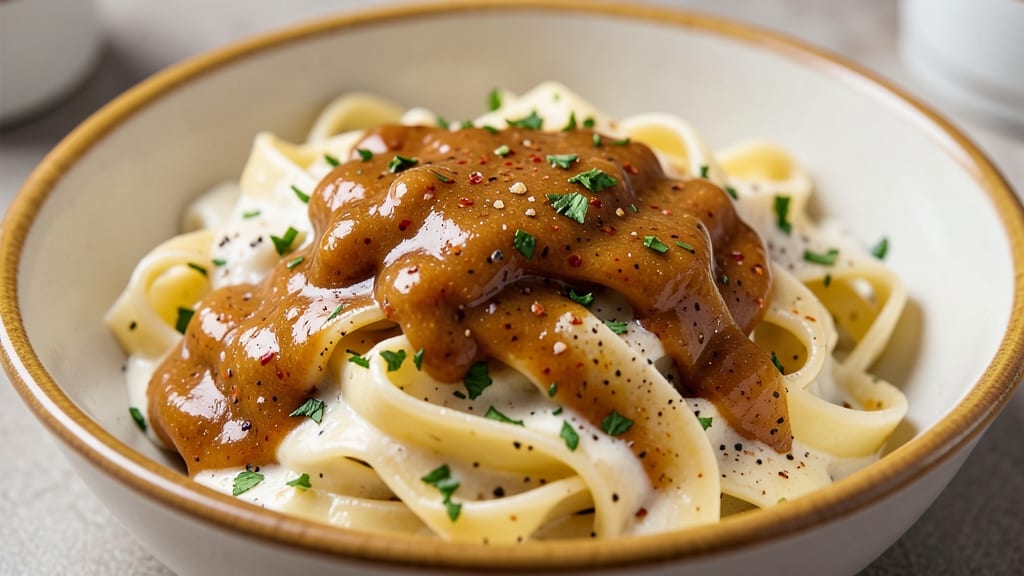
This Applebee's Cajun Alfredo sauce recipe delivers the signature creamy, spicy flavor that makes their menu stand out—rich, velvety, and packed with Cajun heat without overpowering the dish. The secret lies in balancing heavy cream, butter, and Cajun seasoning to create that perfect harmony of creaminess and kick.
I’ve replicated the restaurant’s version at home, ensuring every spoonful delivers that familiar tangy-spicy depth.
The sauce starts with a simple roux of butter and flour, which forms the creamy base before adding garlic and Cajun seasoning for that signature flavor.
Heavy cream and a splash of chicken broth round out the sauce, giving it that signature smooth, velvety texture while keeping it light enough to coat pasta or chicken perfectly. The sauce thickens as it simmers, ensuring it clings beautifully to noodles or proteins.
What sets this sauce apart is its ability to elevate any dish—whether it’s twirled around fettuccine, drizzled over grilled chicken, or used as a dipping sauce for breadsticks.
The Cajun seasoning adds just the right amount of heat, making it versatile for those who love a little spice or prefer to tone it down. Plus, it reheats beautifully, so you can make a big batch and store it for up to a week.
For an extra touch of restaurant-quality flair, top with a celery crown crunch—finely chopped celery and parsley—for a fresh, crunchy contrast that mirrors Applebee’s signature presentation.
This sauce is foolproof, restaurant-quality, and ready in under 20 minutes, making it perfect for weeknight dinners or impressing guests. Let’s get cooking!
Ingredients for applebee's cajun alfredo sauce
Rich, velvety sauce with a spicy kick—just like Applebee's, but better.
| Ingredient | Amount | Notes |
|---|---|---|
| Unsalted Butter 🧈 | ¾ cup | Cold cut into cubes for roux |
| All-Purpose Flour 🌾 | ¾ cup | Diamond Crystal preferred |
| Heavy Cream 🥛 | 2 cups | Full-fat for richness |
| Chicken Broth 💧 | ½ cup | Low-sodium preferred |
| Garlic Cloves 🧄 | 4 cloves | Minced for depth |
| Cajun Seasoning 🌶️ | 2 tbsp | Tony Chachere's preferred |
| Celery Stalks 🧅 | 2 whole | Finely chopped for crunch |
| Fresh Parsley 🌿 | ¼ cup | Chopped for garnish |
| Salt 🧂 | ½ tsp | Kosher preferred |
| Black Pepper 🌶️ | ¼ tsp | Freshly cracked |
| Lemon Juice 🍋 | 1 tbsp | Brightens the sauce |
The butter and flour roux is where the magic happens. Use cold butter cubes for better control—don't let it brown. Diamond Crystal flour absorbs more liquid than other brands, so stick with it if you can. For the Cajun seasoning, Tony Chachere's is the gold standard, but any good-quality blend works. That said, if your seasoning tastes flat, it's probably old—buy small amounts and use it up quickly. The celery for the crown should be crisp and pale green—avoid the yellow or rubbery stalks at the bottom of the bunch. Fresh parsley adds brightness, but dried works in a pinch at half the amount.
No heavy cream? Half-and-half plus a splash of milk gets you close, but the texture won't be as rich. Short on chicken broth? Vegetable broth works equally well, and if you're vegetarian, just skip the broth entirely. The lemon juice is key for balancing the richness—don't skip it. Want to tone down the heat? Reduce the Cajun seasoning by half or swap in half the amount of smoked paprika. For extra depth, toast the Cajun seasoning in a dry pan for 30 seconds before adding it to the roux—this brings out the flavors. The garlic can be roasted instead of minced for a sweeter, more mellow taste.
This sauce keeps beautifully—5-6 days in the fridge sealed tightly, or 3 months frozen. For freezing, portion into ice cube trays, then transfer to a bag. Reheat gently over low heat, stirring often, until smooth. The celery crown loses its crunch when stored, so make it fresh when serving. If you're prepping ahead, store the sauce and celery separately. The sauce reheats beautifully, but the celery crown should be added fresh for that signature Applebee's crunch. Make a double batch—the leftovers make amazing pasta, chicken dips, or even a creamy soup base.
Why You'll Love This Recipe
- Five-Ingredient Magic: I swear, this sauce only needs five things—no fancy pantry trips. Melt butter, whisk in flour, then pour in the heavy cream and broth while mincing garlic on the fly. That’s it. No measuring cups, no stress.
- Spicy-Smooth Balance: Here’s what sold me—the Cajun seasoning cuts through the richness just enough to keep it interesting. The garlic roasts in the butter first, so you get that deep, caramelized punch without burning your tongue. Honestly, it’s the kind of sauce that makes you want to eat it straight from the pan.
- Weeknight Workhorse: Between us, this is my go-to for busy nights. Toss it with chicken, dump it on pasta, or even slather it on grilled shrimp. I’ve even used it as a dip for garlic bread when I’m lazy. (Yes, even on a Tuesday night.)
- Leftovers That Shine: The best part? It reheats like a dream. Store it in the fridge for up to five days, and it’s still velvety smooth—no graininess, no weird textures. Freeze half if you’re feeling extra, and you’ve got a quick sauce for next month’s dinner. Budget-friendly? Absolutely.
Step-by-step instructions for Applebee's Cajun Alfredo sauce
Here's how to create that signature creamy, spicy sauce with a perfect balance of heat and richness.
Create the Perfect Roux Foundation
In a heavy-bottomed saucepan, melt the 0.75 cup unsalted butter over medium heat. Once fully melted and foaming subsides, add the 0.75 cup all-purpose flour all at once. Stir constantly with a wooden spoon or whisk for 2-3 minutes until the mixture turns a deep golden brown color—this is your roux. You're looking for that nutty aroma and color that signals the flour's raw taste has fully cooked off.
This step is crucial—don't rush it. If the roux darkens too quickly, reduce the heat slightly. The roux should coat the back of a spoon smoothly without any floury taste. I like to press a small amount between my fingers to check—it should hold together like wet sand without being crumbly.
Build Flavor with Aromatics and Seasoning
Immediately after the roux forms, reduce heat to medium-low and gradually whisk in the 2 cups heavy cream, adding it slowly to prevent lumps. Stir continuously for 5-7 minutes until the sauce thickens noticeably. Then add the 0.5 cup chicken broth, 2 tbsp Cajun seasoning, 4 cloves minced garlic, 0.5 tsp salt, and 0.25 tsp black pepper. The mixture will bubble vigorously—this is where all the flavors meld together.
Here's the thing—don't let the sauce boil. You want gentle simmering that develops flavor without curdling the cream. The Cajun seasoning should infuse throughout, giving that signature kick without overpowering the creamy base. Taste occasionally and adjust seasoning if needed, but be patient—the flavors will deepen as it simmers.
Incorporate the Celery Crown Crunch
While the sauce simmers, finely chop the 2 whole celery stalks into tiny dice—think "confetti" size. Once the sauce has thickened to your desired consistency (it should coat the back of a spoon but still flow smoothly), remove it from heat and stir in the chopped celery. The residual heat will soften the celery slightly while maintaining that delightful crunch.
This is where Applebee's signature texture comes in. The celery adds a fresh, crisp contrast to the rich sauce. Don't skip this step—it's what makes this sauce stand out from regular Alfredo. If you're worried about the celery becoming too soft, add it just before serving so it stays crisp.
Finish with Freshness and Balance
Return the sauce to low heat and stir in the 1 tbsp lemon juice. This brightens the flavors and cuts through the richness slightly. The sauce should now have a perfect balance—creamy, spicy, and slightly tangy. Stir in the 0.25 cup chopped fresh parsley just before serving to add freshness and a pop of color.
For the ultimate presentation, keep the sauce warm in a slow cooker on the "warm" setting. The parsley will wilt slightly but still provide that fresh garnish. If the sauce thickens too much while waiting, whisk in 1-2 tablespoons of warm water to reach your desired consistency.
Pro Tips For Making Applebee'S Cajun Alfredo Sauce
- Melt Butter Slowly: Start with cold butter—cut it into small cubes and toss them into the pan over medium heat. I learned this the hard way: dumping butter straight from the fridge into a hot pan makes it splatter like a firework show, and you’ll end up with a burnt roux before you even add flour.
- Toast the Flour: Cook the butter and flour together for at least 3-4 minutes until it turns a light golden brown—this isn’t just about flavor, it’s about removing that raw flour taste. Skip this, and your sauce will taste like you’re eating glue mixed with cream.
- Simmer, Don’t Boil: Once you add the chicken broth and cream, keep the heat low and let it bubble gently. I used to crank the heat up, and the sauce would split like a bad joke—lumpy, greasy, and unappetizing. A steady simmer keeps it smooth and creamy every time.
- Infuse the Garlic: Mince the garlic fine—think almost paste-like—and let it cook in the butter for 30 seconds before adding flour. This way, it blends right into the sauce instead of sitting as little almond-shaped chunks. (Yes, even if you’re impatient like me, don’t skip this—it makes a real difference.)
Storing and reheating this dish
Fridge Storage Tips
Store your Cajun Alfredo sauce in an airtight container—I prefer glass Pyrex with snap-on lids to prevent odors from seeping in. Keep it refrigerated at 40°F or below for up to 5-6 days.
The sauce actually improves overnight as flavors meld, so making it ahead is ideal. Just before serving, give it a quick stir to redistribute any separated cream. 🧊
Freezer-Friendly Method
For long-term storage, freeze the sauce in ice cube trays first—this makes portioning easy later. Once frozen, transfer cubes to a quart-sized freezer bag, squeezing out excess air to prevent freezer burn.
Label with the date and store for up to 3 months. Thaw overnight in the fridge before reheating. The celery crown should be added fresh after reheating for that signature crunch. ❄️
Reheating Like a Pro
Gently reheat the sauce on low heat in a saucepan, stirring constantly to prevent lumps. Add 1-2 tablespoons of warm water or broth if it thickens too much. For microwave reheating, cover with a damp paper towel and heat in 30-second intervals, stirring between each, until warmed through.
Never microwave at full power—the cream can curdle. 🔥
Reviving Texture
If your reheated sauce looks slightly separated, whisk in 1 tablespoon of cold heavy cream to restore its velvety texture. For extra richness, add a pat of softened butter while reheating.
The celery crown should always be added fresh—store it separately in a sealed container in the fridge for up to 3 days. This keeps the crunch intact for that restaurant-quality finish. 💫
Batch Prep Strategy
Double the recipe and freeze half for future meals—this sauce reheats beautifully for pasta nights, chicken dips, or even as a creamy soup base. When reheating large batches, use a slow cooker on "warm" setting to maintain even heat.
Always taste and adjust seasoning after reheating, as flavors can concentrate slightly. 📅
Celery Crown Hacks
Prep the celery crown just before serving to preserve its crunch. Store chopped celery in a sealed container with a paper towel to absorb moisture. For extra flavor, toss the chopped celery with ½ teaspoon of Tony Chachere's Cajun seasoning before adding it to the warm sauce.
This boosts the Cajun kick without altering the sauce's balance. 🌶️
Nutrition facts
Frequently asked questions
Can I make this sauce without heavy cream?
Yes, but the texture will be lighter. Replace the 2 cups heavy cream with 1 cup whole milk plus 1 cup half-and-half—this keeps it creamy while cutting some fat. For a dairy-free version, use 2 cups full-fat coconut milk, but the flavor will be slightly different. The sauce will still be delicious, just less rich.
How do I adjust the heat level?
Start with the full 2 tbsp Cajun seasoning for a medium kick. For milder heat, reduce to 1 tbsp or swap half with smoked paprika. For extra spice, add ½ tsp cayenne pepper or a pinch of red pepper flakes. Taste as you go—the sauce can always be adjusted, but you can't remove heat once added.
Why did my sauce get grainy?
Graininess usually happens when the roux burns or the sauce boils too hard. Keep heat at medium-low during the roux step and never let it boil after adding cream. If it happens, whisk in 1 tbsp cold butter or 1 tbsp cold heavy cream while stirring vigorously to smooth it out. For prevention, use a whisk instead of a spoon when combining ingredients.
Can I use this sauce for dishes other than pasta?
This sauce is perfect for grilled chicken, shrimp, or even as a dip for breadsticks or mozzarella sticks. It also works as a creamy base for soups or casseroles. Just reduce the celery crown to 1 tbsp chopped celery for dishes where you don't want visible texture. The flavor remains consistent across applications.
What's the best way to reheat leftovers?
Reheat gently on low heat in a saucepan, stirring constantly to prevent lumps. If it thickens too much, whisk in 1-2 tbsp warm water or broth. For microwave reheating, cover with a damp paper towel and heat in 30-second intervals, stirring between each. Never microwave at full power—the cream can separate. Always add fresh celery crown when serving.