
Sauces & Condiments
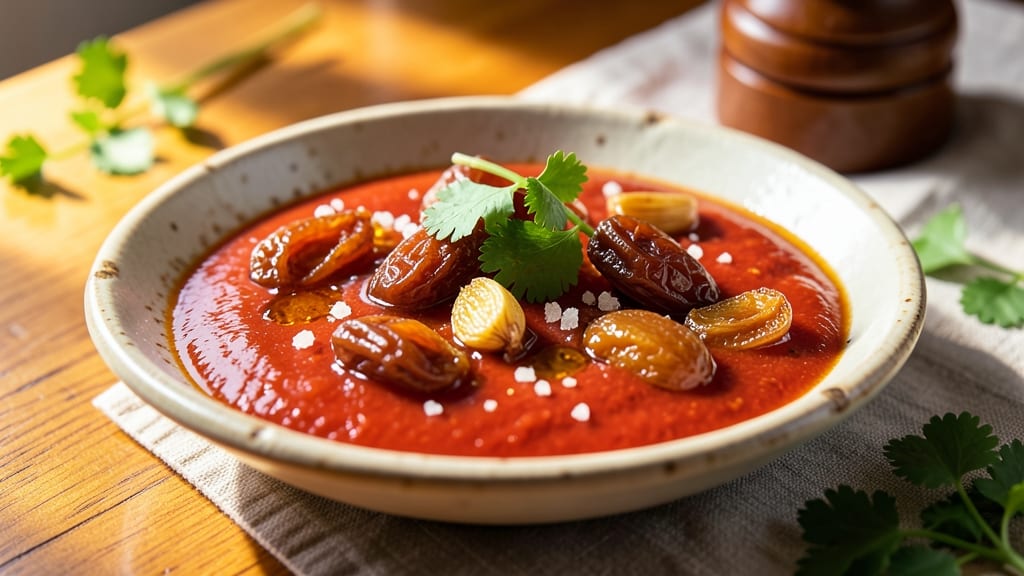
This apricot habanero sauce transforms grilled meats and roasted vegetables into unforgettable masterpieces by balancing sweet, smoky, and fiery flavors in every bite. The secret lies in caramelizing dried apricots until they're jammy and deep, then blending them with habanero peppers for a slow-building heat that never overpowers.
I developed this recipe after years of experimenting with fruit-based sauces, and it's now my go-to for adding complexity to everything from pork ribs to grilled chicken.
The sauce starts with a simple base of vinegar, sugar, and spices that build the foundation, then layers in the apricot jam and habanero puree for that signature sweet-heat combination.
What makes this recipe special is the ability to control the heat level—start with just one habanero and adjust to taste, because the goal is to enhance, not dominate. The result is a glossy, aromatic sauce that clings beautifully to grilled proteins while adding depth to vegetables.
By the time you're done, you'll have a versatile condiment that elevates any dish it touches—think caramelized edges on ribs, sticky glaze on chicken, or drizzled over roasted Brussels sprouts.
The sauce keeps well in the refrigerator for up to two weeks, making it perfect for meal prep, and it also freezes beautifully for longer storage. Whether you're cooking for a crowd or treating yourself to a special meal, this sauce delivers restaurant-quality results with minimal effort.
For those who love heat but want balance, this sauce offers the perfect marriage of sweet and spicy. The apricots mellow the habanero's intensity while adding natural sweetness, creating a flavor profile that's both complex and approachable.
Let's get started on making this crowd-pleasing sauce that will become a staple in your kitchen.
Ingredients for apricot habanero sauce
Sweet fruit meets fiery heat—just these ten ingredients transform grilled dishes forever.
| Ingredient | Amount | Notes |
|---|---|---|
| Dried Apricots 🍑 | 1 cup | Chopped, not sweetened |
| Habanero Peppers 🌶️ | 1 whole | Seeds removed for mild heat |
| Apple Cider Vinegar 🍏 | ½ cup | For tangy depth |
| Granulated Sugar 🍚 | ½ cup | Light brown preferred |
| Garlic Cloves 🧄 | 3 cloves | Minced for aromatic base |
| Ground Cumin 🌿 | 1 tsp | Toasted for warmth |
| Ground Coriander 🍃 | 1 tsp | Sweet, citrusy note |
| Salt 🧂 | ½ tsp | Kosher or sea salt |
| Extra-Virgin Olive Oil 🫒 | ¼ cup | High quality for richness |
| Water 💧 | ¼ cup | For blending consistency |
The apricots are the star—Trader Joe's has the best dried, unsweetened kind. If you can't find them, bulk bins at Whole Foods are next best. Look for plump, vibrant apricots with no added sugar. For the habanero, Mexican markets often carry fresher peppers than grocery stores. If you're sensitive to heat, reduce seeds and membrane—that's where most of the spice lives. The vinegar matters too: apple cider gives that subtle fruitiness, but white vinegar works in a pinch if that's what you've got.
No habanero? Jalapeño or serrano peppers work—just add more for heat. The sugar can be swapped for maple syrup or honey (though honey isn't vegan). Want extra depth? Add a pinch of smoked paprika. The olive oil should be fruity and peppery—California brands like Corto or Colavita are my go-tos. If you're making a big batch, double the water to keep the blend smooth. And trust me on the cumin—it's non-negotiable for that earthy backbone.
This sauce thickens as it sits—stir before using if it's separated. Keeps for 2 weeks in the fridge, sealed under olive oil. Freezes beautifully for 6 months. I always make extra to drizzle on everything from tacos to roasted veggies. The flavor actually improves after a day or two, so make it ahead if possible. And if it gets too thick? Just add a splash of water or vinegar to loosen it up.
Why You'll Love This Recipe
- No Chopping Needed: I swear by this—just soak those dried apricots and toss in the habanero (seeds removed, if you’re not feeling the heat). Five minutes of actual work, and you’re done. The vinegar and sugar do all the heavy lifting while you sip your coffee.
- Sweet Heat Magic: That first taste? Chef’s kiss. The apricots caramelize into something rich and jammy, while the habanero adds this bright, lingering kick—like a spicy dessert that somehow works on grilled chicken. Honestly, I’ve never met a sauce that balances sweet and fire this well.
- Glazes Everything: Slather it on ribs, drizzle over roasted veggies, or toss with noodles—this stuff sticks like glue and turns bland into ridiculously good. My lazy Sunday brunch became legendary when I poured it over scrambled eggs. (Yes, really.)
- Pantry Goldmine: A single batch stretches for weeks in the fridge, and it’s cheap enough to use daily without guilt. Freeze what you won’t use in 10 days, and thaw it straight into sauces or marinades. Between us? This is the kind of recipe that makes grocery shopping feel like a victory.
Step-by-step instructions for apricot habanero sauce
This vibrant sauce balances sweet and spicy perfectly—let's make it together.
Toast the Spices for Depth
Heat a small dry skillet over medium heat. Add the 3 cloves garlic cloves, 1 teaspoon ground cumin, and 1 teaspoon ground coriander. Toast for 30-45 seconds until fragrant and the spices begin to dance with golden flecks—this releases their essential oils and builds complex flavor.
Here's the thing—don't walk away. Toasting too long turns spices bitter, but too little leaves them flavorless. You'll know it's perfect when you smell that warm, earthy aroma filling your kitchen. Immediately transfer the toasted spices to a small bowl and set aside to cool slightly.
Simmer the Apricots and Vinegar
In a medium saucepan, combine the 1 cup chopped dried apricots, 0.5 cup apple cider vinegar, and 0.5 cup granulated sugar. Bring to a gentle boil over medium-high heat, then reduce to a simmer. Cook uncovered for 8-10 minutes until the apricots soften and the mixture reduces by about one-third.
Stir occasionally to prevent sticking—this is where the magic happens. You're looking for a syrupy consistency that coats the back of a spoon. The vinegar will mellow slightly as it cooks, adding tangy depth that balances the sweetness. If it reduces too quickly, add 1 tablespoon water to maintain the right texture.
Blend Until Silky Smooth
Transfer the apricot mixture to a blender. Add the 0.25 cup extra-virgin olive oil, 0.25 cup water, and the cooled toasted spices. Blend on high until completely smooth, about 1-2 minutes. The sauce should be velvety with no visible texture—this ensures a professional finish.
Taste and adjust seasoning with the 0.5 teaspoon salt. You might need more if your habanero was particularly potent. Here's where it gets fun—if the sauce tastes too sweet, add a pinch of salt to balance. If it needs more heat, blend in a tiny bit of the reserved habanero seeds (start with just a pinch).
Infuse with Habanero Heat
In a small bowl, finely chop the 1 whole habanero pepper (seeds removed for mild heat). Heat a separate small skillet over low heat and add the chopped habanero. Cook for 1 minute until softened but not browned—this prevents bitterness. Immediately transfer to the blender with the sauce mixture.
Blend again for 30 seconds to fully incorporate the habanero flavor. The sauce should now have a beautiful reddish-orange hue with a subtle heat that lingers. For a smoother finish, strain through a fine-mesh sieve into a clean bowl, pressing gently with a spoon to extract all the liquid. This step ensures no habanero bits remain.
Rest and Adjust for Perfection
Let the sauce sit at room temperature for 10 minutes—this allows flavors to meld completely. Taste again and make final adjustments: more salt for balance, a splash of vinegar for tang, or a touch of sugar to enhance sweetness. The sauce should coat your spoon with a glossy sheen and offer a perfect harmony of sweet, spicy, and tangy notes.
Transfer to a clean jar and store in the refrigerator for up to 2 weeks. This sauce makes an incredible glaze for grilled meats, a dipping sauce for spring rolls, or a bold condiment for tacos. The flavors only deepen as it rests, so don't be afraid to make extra—you'll want to use it all!
Pro Tips For Making Apricot Habanero Sauce
- SOAK DRY FRUIT FIRST: Dried apricots absorb liquid like a sponge—toss them in hot water for 10 minutes before adding to the sauce. I learned this the hard way when my first batch turned into a thick, gluey mess instead of a glossy, balanced sauce.
- PEEL HABANEROS CAREFULLY: The skin’s bitterness sneaks in when you’re not looking. Use a paring knife to scrape off just the outer layer—don’t go too deep, or you’ll lose the pepper’s bright heat. Wear gloves if you’re sensitive; trust me, the sting isn’t worth it.
- SIMMER LOW AND LONG: Rushing this sauce on high heat turns it into a sad, syrupy puddle. Keep the temperature at a gentle bubble (around 180°F/82°C) for 20-25 minutes—this lets the sugar caramelize properly and the vinegar mellow into tangy depth. Patience here makes all the difference.
- STRAIN THE GARLIC: After mincing, let the garlic cloves sit in warm water for 5 minutes to soften, then drain and pat dry. This prevents a muddy, raw flavor in the sauce—no one wants to taste garlic paste, not aroma. (Yes, even if you’re impatient like me.)
Dietary considerations for apricot habanero sauce
Spice Sensitivity
If habanero heat feels too intense, start by removing the pepper's seeds and membrane—they contain the most capsaicin. For a milder sauce, substitute with jalapeño or serrano peppers (use 2-3 peppers for similar heat levels).
The sauce's sweetness from apricots naturally balances the spice, so don't worry about overpowering flavors. 🌶️
Gluten-Free Adaptation
This sauce is naturally gluten-free as written, but always double-check your spices for cross-contamination. I recommend Whole Foods 365 spices as they're certified gluten-free and affordable. The dried apricots and vinegar are also typically gluten-free, but brands like Trader Joe's clearly label their products for safety.
Vegan Considerations
The original recipe uses honey in some variations, but this version is already vegan-friendly. Ensure your sugar is refined (not bone char processed) and check olive oil brands for vegan certification. Corto or Colavita olive oils are both vegan and high-quality options.
The sauce thickens beautifully without animal products, making it perfect for plant-based diets.
Low-Sugar Options
To reduce sugar content, replace half the granulated sugar with unsweetened applesauce or mashed banana (about ¼ cup). The fruit adds natural sweetness while cutting calories. For a sugar-free version, use monk fruit sweetener (about 1 tablespoon)—it maintains the sauce's glossy texture without affecting flavor balance.
Nut Allergies
This sauce contains no nuts, but always verify your olive oil brand for cross-contamination warnings. I recommend certified nut-free olive oils like Primal Kitchen if nut allergies are a concern. The recipe's base ingredients are all nut-free, making it safe for most allergy sufferers.
Storage Safety
Store your sauce in an airtight glass jar in the refrigerator for up to 2 weeks. For longer storage, freeze in ice cube trays—thawed portions work perfectly for quick meals.
If you notice any changes in texture or smell, discard the sauce immediately. The acidity from vinegar helps preserve freshness, but proper storage is key for food safety.
Nutrition facts
Frequently asked questions
How do I control the heat level in this sauce?
Start by removing the habanero seeds and membrane—they contain most of the capsaicin (the compound that creates heat). For milder heat, use jalapeño or serrano peppers instead (about 2-3 peppers for similar heat). Taste as you go and adjust gradually. The apricots' natural sweetness will naturally balance any remaining spice.
Can I make this sauce without a blender?
Yes! If you don't have a blender, finely chop the dried apricots and habanero by hand, then simmer everything together in a saucepan for 15-20 minutes until smooth. Stir frequently to prevent sticking. The texture will be slightly chunkier but still delicious. For a smoother result, press the mixture through a fine-mesh sieve after cooking.
What are the best ways to use this sauce?
This versatile sauce elevates grilled meats like pork ribs, chicken, or shrimp—use it as a glaze or marinade. Drizzle over roasted vegetables, tacos, or spring rolls for extra flavor. It also pairs beautifully with cheese boards (especially aged cheddar or goat cheese) or as a dipping sauce for fries. The sweet-spicy balance makes it perfect for both savory and slightly sweet dishes.
Why did my sauce turn out too thick?
Sauces naturally thicken as they cool, but if it's too thick while warm, add 1-2 tablespoons of water or vinegar and stir well. For a smoother texture, blend again briefly. If it's still too thick after chilling, thin it with a splash of water or vinegar before using. The recipe's natural reduction happens during cooking, so don't worry—it's designed to be rich and glossy!
Can I substitute fresh apricots for dried?
Fresh apricots won't work the same way—they lack the concentrated sweetness and texture of dried ones. However, you can use unsweetened apricot jam or puree (about 1 cup) as a substitute. Simmer it with the vinegar and sugar for 5-7 minutes to reduce slightly before blending. The flavor will be slightly different but still delicious.