
Sauces & Condiments
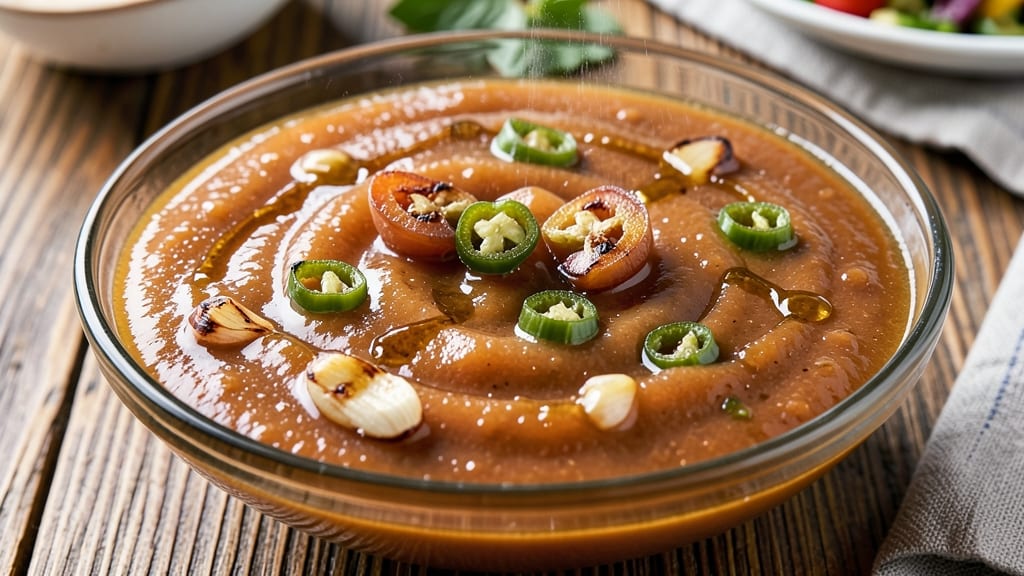
This apricot jalapeño sauce transforms ordinary dishes into bold, flavorful masterpieces with its perfect sweet-heat balance. 🔥 The secret lies in caramelizing apricot purée with fresh jalapeño, creating a silky, tangy sauce that clings beautifully to grilled meats, tacos, or even desserts.
I developed this recipe after years of experimenting with fruit-based glazes, and it never fails to elevate whatever it touches.
The magic happens when you simmer apricot purée with jalapeño, vinegar, and just enough sugar to enhance—not overpower—the natural flavors. The sauce thickens into a glossy, velvety consistency that’s easy to drizzle and impossible to resist.
Unlike store-bought versions, this one delivers a depth of flavor that comes from fresh ingredients and careful reduction.
What you’ll end up with is a versatile sauce that works as a glaze for chicken or pork, a zesty drizzle for tacos, or even a daring dessert topping. The heat from the jalapeño is balanced by the fruit’s sweetness, making every bite exciting without being overwhelming.
Best of all, it keeps well in the fridge for up to two weeks, so you can make a batch and enjoy it all season long.
Whether you’re grilling for a crowd or adding a unique twist to weeknight meals, this sauce is your new go-to. Let’s get cooking—your taste buds will thank you.
Ingredients for apricot jalapeno sauce
Sweet, spicy, and silky—just eight ingredients transform into this crowd-pleasing sauce.
| Ingredient | Amount | Notes |
|---|---|---|
| Apricot Purée 🍑 | 1 cup | High-quality, unsweetened preferred |
| Fresh Jalapeño Peppers 🌶️ | 3 whole | Seeds removed for mild heat |
| Red Wine Vinegar 🍷 | ¼ cup | Bold, dry variety recommended |
| Granulated Sugar 🍚 | ¼ cup | Light brown sugar for depth |
| Garlic Cloves 🧄 | 2 cloves | Minced for aromatic base |
| Extra-Virgin Olive Oil 🫒 | ¼ cup | For richness and balance |
| Salt 🧂 | ½ tsp | Kosher or sea salt preferred |
| Ground Black Pepper 🌶️ | ¼ tsp | Freshly ground for flavor |
| Lime Juice 🍋 | 1 tbsp | Freshly squeezed for brightness |
| Honey 🍯 | 1 tbsp | Optional, for extra sweetness |
The apricot purée is the heart of this sauce, so look for high-quality, unsweetened versions—the kind you’d find in the baking aisle or specialty stores like Whole Foods. Fresh jalapeños make all the difference; skip the jarred ones (they’re watered down). If you can’t find unsweetened purée, blend fresh apricots—just simmer them first to soften. The vinegar should be bold and dry—Bragg or Maury are my go-tos. And for that caramelized depth, light brown sugar adds molasses notes that white sugar can’t match. Trust me on this.
No apricot purée? Mango purée or peach purée works in a pinch, though the flavor shifts slightly. Too much heat from the jalapeños? Remove seeds and membranes first, then adjust with extra sugar or a splash of honey. Vinegar substitute? Apple cider vinegar or balsamic both work, but red wine vinegar’s acidity is unmatched. The honey’s optional, but it rounds out the sauce beautifully—local raw honey adds floral notes if you’re feeling fancy. And if you’re out of lime juice, lemon juice works too, though it’s slightly more tart.
This sauce keeps like a dream—up to 2 weeks in the fridge sealed in a jar. For extra shelf life, pour a thin layer of olive oil on top before sealing. It freezes beautifully too, though the texture might separate slightly when thawed—just stir it back together. I like to make a big batch and keep it on hand for grilling season. It’s perfect for drizzling over tacos, glazing chicken, or even topping ice cream—don’t be afraid to get creative!
Why You'll Love This Recipe
- Five-Ingredient Magic: I swear, this sauce comes together with just a pot, a whisk, and 10 minutes of my time. No fancy techniques—just simmering apricot purée with jalapeños until the heat and sweetness marry perfectly.
- Sweet Heat Balance: That first bite where the jammy apricot meets the sharp kick of fresh jalapeño? Chef’s kiss. The red wine vinegar cuts through the sugar just enough to keep it bright, while the garlic adds depth without overpowering.
- Weeknight Hero: Slather it on grilled chicken, drizzle over tacos, or toss with roasted veggies—it’s my go-to when I need flavor but don’t want to slave over a recipe. (Yes, even on a Tuesday night.)
- Makes Leftovers Worth It: Between us, this sauce tastes better the next day. Store it in the fridge, and it’s ready to elevate whatever you’re serving—no last-minute scrambling. Plus, a little goes a long way.
Step-by-step instructions for apricot jalapeño sauce
This vibrant sauce comes together in minutes with perfect balance—sweet, tangy, and just the right kick.
🍳 Step 1: Sauté Aromatics Until Fragrant
Heat the 0.25 cup extra-virgin olive oil in a medium saucepan over medium heat. Add the 2 minced garlic cloves and cook for 30 seconds until just fragrant—don't let them brown or they'll turn bitter. Here's the thing—garlic burns fast, so keep an eye on it.
Next, add the 3 whole seedless jalapeño peppers, sliced into thin rounds. Cook for 2-3 minutes until they begin to soften slightly but still retain their shape. You'll know they're ready when they release their bright green color and start to wilt just at the edges. This step builds the sauce's signature heat without overpowering the sweetness.
🍳 Step 2: Simmer Vinegar and Sugar
Pour in the 0.25 cup red wine vinegar and 0.25 cup granulated sugar, stirring constantly to dissolve the sugar completely. Bring the mixture to a gentle boil, then reduce heat to medium-low and let it simmer for 4-5 minutes until slightly thickened.
Watch for the sauce to reduce by about 20%—it should coat the back of a spoon when you stir. This step is where the tangy-sweet foundation forms. If you see sugar crystals forming at the edges, stir them back in. The sauce should smell like a perfect balance of sweet, spicy, and tangy—this is your reward for paying attention.
🥘 Step 3: Blend in Apricot Purée and Seasonings
Lower the heat to low and stir in the 1 cup apricot purée, 0.5 tsp salt, and 0.25 tsp ground black pepper. The purée will make the sauce thicken immediately—this is normal. Let it simmer for another 3-4 minutes until everything is well combined and the flavors meld together.
Here's where it gets fun—taste and adjust. If it needs more heat, add a pinch of cayenne. If it's too sweet, balance with a splash more vinegar. I like to add the 1 tbsp lime juice and 1 tbsp honey now for that perfect bright finish. The sauce should be glossy, slightly thick, and ready to drizzle.
⏰ Step 4: Cool and Store for Maximum Flavor
Remove the sauce from heat and let it cool for 10 minutes. This resting time allows all the flavors to settle and the sauce to thicken slightly more. You'll notice the colors deepen as it cools—this is a good sign.
Transfer to a clean jar and refrigerate for at least 1 hour before using. The flavors will develop even more during this time. This sauce keeps well in the fridge for up to 2 weeks, making it perfect for batch cooking. When ready to use, give it a quick stir—it should be smooth and ready to elevate any dish from grilled meats to roasted vegetables.
Pro Tips For Making Apricot Jalapeno Sauce
- Blister Peppers First: Toss whole jalapeños in a dry skillet over medium-high heat until their skins blacken in spots—this makes peeling them effortless later. I used to cut them first, and half the seeds always ended up in the sauce where they didn’t belong.
- Simmer Low and Slow: Once you add the apricot purée and vinegar, reduce heat to a bare simmer and let it bubble gently for at least 10 minutes. Rushing this step leaves the sauce thin and underdeveloped—like skipping the last act of a good movie.
- Strain the Garlic: Mash the garlic cloves with the flat side of your knife before adding them to the pot, then strain the sauce through a fine-mesh sieve. This keeps the texture smooth and prevents those annoying little garlic specks that ruin the look (and texture) of the sauce.
- Balance the Vinegar: Taste the sauce before adding all the sugar—if the vinegar’s sharpness is still fighting the sweetness, add a splash more apricot purée instead of extra sugar. Your taste buds will thank you when the flavors actually marry instead of warring.
Storing and reheating your leftovers
Fridge Storage Essentials
Transfer your freshly made sauce to a clean, airtight glass jar—I love using Ball mason jars for their tight seals. Let it cool completely before sealing to prevent condensation, which can dilute flavors.
Store in the fridge at 40°F or below for up to 2 weeks. The sauce will thicken slightly as it chills, so give it a quick stir before using. 🧊
Pro tip: Pour a thin layer of extra-virgin olive oil (about ¼ inch) over the sauce before sealing. This creates a protective barrier that locks in freshness and prevents the surface from drying out. Trust me, your sauce will thank you later!
Freezing for Long-Term Use
This sauce freezes beautifully for up to 3 months without losing its vibrant flavors. Portion it into silicone ice cube trays or small jars for easy single-use servings.
When ready to thaw, transfer directly to the fridge overnight—no microwave needed. The texture might separate slightly, but a quick stir brings it back to perfection. ❄️
For best results, freeze the sauce while it's still warm (after cooling for 10 minutes). The heat helps prevent ice crystals from forming, which can make the sauce grainy. Label your containers with the date to track freshness—my freezer is full of forgotten jars if I don’t!
Reheating Like a Pro
To revive fridge-stored sauce, gently reheat in a small saucepan over low heat with 1-2 tablespoons of water to prevent sticking. Stir constantly until warmed through—about 3-5 minutes. Avoid high heat, or the sugar might caramelize too quickly and alter the balance of flavors. 🔥
For microwave reheating, transfer sauce to a microwave-safe bowl and heat in 20-second intervals, stirring between each, until just warm. This method preserves the sauce’s glossy texture better than stovetop reheating. If it looks too thick after reheating, add a splash of water or vinegar to restore consistency.
Sauce Texture Rescue
If your sauce separates after refrigeration or freezing, don’t panic! Simply place the jar in a bowl of warm water (like a double boiler) and stir gently until smooth. The heat helps the ingredients re-emulsify naturally.
For extra insurance, whisk in 1 teaspoon of cornstarch mixed with 1 tablespoon cold water—this acts as a quick thickener without altering flavor. ✨
Overly thick sauce? Thin with lime juice or water (start with 1 teaspoon at a time). Too thin? Simmer uncovered for 2-3 minutes to reduce and intensify the flavors. The key is patience—rushing will make it grainy or uneven.
Nutrition facts
Frequently asked questions
Can I adjust the heat level in this apricot jalapeño sauce?
For milder heat, remove all seeds and membranes from the jalapeños before cooking. If you love spice, add ½ teaspoon cayenne pepper or keep the seeds in. Pro tip: Add heat gradually—taste as you go and adjust in ¼ teaspoon increments to avoid overwhelming the sweetness.
What are the best ways to use this sauce besides drizzling?
This versatile sauce works as a marinade for grilled chicken or pork, a taco dip when thinned with a splash of water, or even a glaze for roasted vegetables. Try brushing it on fish fillets before baking or mixing it into hummus for a sweet-spicy twist. The possibilities are endless!
Can I substitute apricot purée with something else?
Yes! For a similar texture, use mango purée, peach purée, or even plum purée. Each will change the flavor slightly—mango adds tropical notes while peach brings a lighter sweetness. If using fresh fruit, simmer it first to soften before blending. Avoid pineapple—it can make the sauce too acidic.
Why did my sauce turn out too sweet?
This usually happens when the vinegar doesn't fully balance the sugar. Next time, add 1 extra tablespoon of vinegar during simmering or a splash of lime juice at the end. For an already-made batch, thin with 1-2 teaspoons of water or vinegar and taste again. The key is acidity—it cuts sweetness beautifully.
How can I make this sauce thicker or thinner?
For a thicker sauce, simmer uncovered for 2-3 extra minutes to reduce. If it's too thick, whisk in 1 teaspoon of water or lime juice at a time until smooth. For extra thickness, mix ½ teaspoon cornstarch with 1 tablespoon cold water and stir in—it disappears completely!