
Sauces & Condiments
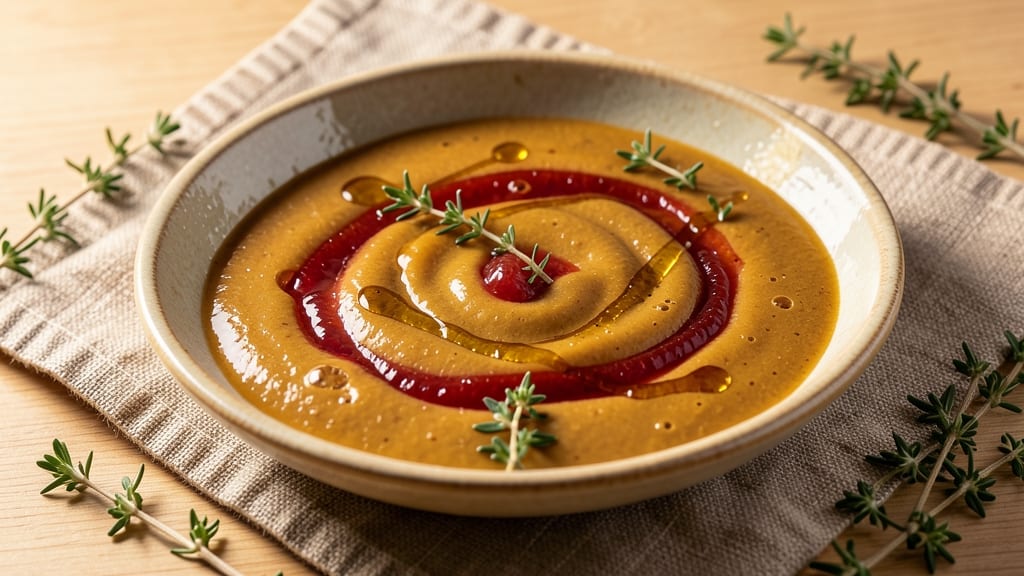
This apricot mustard sauce recipe transforms grilled meats into a flavor sensation, blending sweet apricot jam with tangy mustard for a perfect sweet-tart balance. The secret lies in simmering the ingredients until the flavors meld into a glossy, versatile sauce that elevates everything from chicken to pork chops.
I developed this recipe after years of perfecting the art of balancing sweet and tangy profiles—no more cloying sweetness or overpowering bite.
The sauce starts with high-quality apricot jam for natural sweetness, then builds depth with Dijon mustard and a touch of apple cider vinegar for brightness. A splash of warm water thins it to the perfect drizzling consistency, while fresh thyme adds an aromatic finish.
The result? A sauce that clings beautifully to grilled meats, offering a complex flavor that’s both elegant and approachable.
What makes this sauce truly special is its versatility—it works as a marinade, glaze, or finishing drizzle. The apricot’s natural pectin helps it thicken slightly when chilled, making it ideal for meal prep.
Whether you're serving it over seared steak or brushing it onto roasted vegetables, this sauce delivers restaurant-quality results with minimal effort.
With just 5 simple ingredients and 15 minutes of active time, you’ll have a sauce that transforms ordinary meals into something extraordinary. The best part? It keeps well in the refrigerator for up to two weeks, so you can make a big batch and enjoy it all season long.
Let’s get started!
Ingredients for apricot mustard sauce
Five ingredients transform into a restaurant-worthy sauce that dances between sweet and tangy perfection.
| Ingredient | Amount | Notes |
|---|---|---|
| High-Quality Apricot Jam 🍑 | ½ cup | Look for no added sugar if possible |
| Dijon Mustard 🌶️ | ⅓ cup | Whole grain preferred for texture |
| Apple Cider Vinegar 🍏 | 1 tbsp | Raw and unfiltered for depth |
| Fresh Thyme Leaves 🌿 | 1 tbsp | Finely chopped, stems removed |
| Extra-Virgin Olive Oil 🫒 | ¼ cup | High-quality for richness |
| Warm Water 💧 | ½ cup | Thins sauce to perfect consistency |
| Salt 🧂 | ½ tsp | Diamond Crystal preferred |
| Black Pepper 🌶️ | ¼ tsp | Freshly cracked for heat |
The apricot jam is your flavor anchor—Maille or Bonne Maman are my go-tos, but any good-quality jam works. For Dijon mustard, Grey Poupon is classic, but Bonne Moutarde adds a touch of luxury. Fresh thyme is non-negotiable here; dried won’t cut it. If you’re using a thyme sprig, strip the leaves right before adding them to the sauce. The olive oil should be fruity and peppery—California Olive Ranch or Colavita are my pantry staples. Apple cider vinegar adds that bright acidity, so don’t skimp on quality. Bragg or Woodstock Orchards are my favorites, but any raw, unfiltered vinegar will work.
No apricot jam? Peach jam or mango chutney can work in a pinch, but the flavor will shift slightly. Swapping Dijon for whole-grain mustard? Strain it first to avoid grainy texture. Fresh thyme missing? Dried thyme at one-third the amount is better than skipping it entirely. Olive oil shortage? Avocado oil is a great neutral substitute. The warm water is key—use just-boiled water to help dissolve the jam quickly. If your sauce is too thick, add water 1 tbsp at a time until it reaches a glossy, drizzling consistency.
This sauce thickens beautifully when chilled, so make a big batch and store it in a glass jar in the fridge for up to 2 weeks. For meal prep, portion it into small containers—it’s perfect for brushing onto grilled meats or drizzling over roasted veggies. If you’ve made extra, freeze it in ice cube trays for easy single-use portions. Reheat gently in a saucepan or microwave until warm, stirring occasionally to restore its glossy texture.
Why You'll Love This Recipe
- Five-Ingredient Magic: I swear, this sauce comes together with just a whisk and a pot. No chopping, no peeling—just stir, simmer, and taste. That apricot jam melts into the mustard like it’s been friends forever, and the thyme? Tiny but mighty.
- Sweet-Savory Balance: Honestly, the first time I mixed the tangy apple cider vinegar with the jam, I thought, "This can’t work." Then I tasted it—bright, rich, with that Dijon mustard kick. It’s the kind of sauce you’ll reach for again and again, even when you’re not expecting to love it.
- Dinner Party Ready: Between us, this sauce turns grilled chicken or roasted veggies into an instant crowd-pleaser. It’s fancy enough for a weekend brunch but unfussy enough to throw together on a Tuesday. (Yes, even on a Tuesday night.)
- Lasts All Week: I make a big batch and keep it in the fridge—drizzled on toast, tossed with greens, or slathered on sandwiches. The olive oil keeps it from drying out, so it stays just as good on day five as it was day one. Budget-friendly? Absolutely.
Step-by-step instructions for apricot mustard sauce
This sauce comes together in minutes but delivers restaurant-quality depth every time.
Warm the Apricot Jam and Mustard
In a medium saucepan, combine the 0.5 cup high-quality apricot jam and 0.33 cup Dijon mustard. Place over medium-low heat and stir gently with a silicone spatula until the mixture reaches a smooth, pourable consistency—about 3-4 minutes. This gentle heat helps the jam release its natural oils while allowing the mustard to blend seamlessly.
Watch for the moment when the jam loses its chunky texture and becomes glossy. If you notice any sugar crystals forming, stir in 1 teaspoon of warm water to dissolve them completely. This step is crucial for achieving that perfect balance between sweet and tangy flavors that defines this sauce.
Add Vinegar and Thyme for Depth
Remove the saucepan from heat and let it cool for 2 minutes—this prevents the apple cider vinegar from cooking off its bright acidity. Stir in the 1 tablespoon apple cider vinegar and 1 tablespoon finely chopped fresh thyme leaves. The vinegar brightens the sweetness while the thyme adds an earthy complexity that pairs beautifully with grilled meats.
I like to press the thyme leaves against the side of the saucepan with the back of my spoon to release their essential oils. This infusion happens quickly, so don't let the mixture cool completely—just enough to prevent the vinegar from evaporating. The aroma should become noticeably more fragrant as you stir.
Emulsify with Olive Oil
Return the saucepan to low heat and begin whisking vigorously as you slowly pour in the 0.25 cup extra-virgin olive oil. This is where the magic happens—the olive oil emulsifies with the jam mixture, creating a silky, velvety texture. Whisk continuously for 2-3 minutes until the sauce thickens noticeably and coats the back of your spoon.
If the sauce starts to separate, simply whisk more vigorously and return to low heat for 30 seconds. The key here is patience—the sauce should be thick enough to coat the back of a spoon but still flow smoothly. This emulsification process creates that luxurious mouthfeel that makes this sauce so special.
Adjust Consistency and Season
Remove from heat and stir in the 0.5 cup warm water, 0.5 teaspoon salt, and 0.25 teaspoon freshly cracked black pepper. The warm water helps achieve the perfect pouring consistency while the salt and pepper round out the flavors. Taste immediately—this sauce should balance sweet, tangy, and savory notes perfectly.
If you find the sauce too thick after adding water, thin with an additional 1 tablespoon of warm water at a time until it reaches your desired consistency. For grilling applications, I prefer a slightly thicker sauce that clings beautifully to meats. The sauce will continue to thicken slightly as it cools, so don't over-thin it.
Rest and Serve
Transfer the sauce to a bowl and let it rest at room temperature for 10 minutes before serving. This resting period allows all the flavors to meld completely. The sauce will develop even more depth during this time, with the thyme releasing its full aroma and the vinegar's acidity mellowing slightly.
Serve immediately over grilled chicken, pork chops, or even as a glaze for vegetables. The sauce keeps well in the refrigerator for up to 1 week, though I've never had any leftovers that long. For best results, reheat gently over low heat, stirring frequently to maintain that perfect emulsified texture.
Pro Tips For Making Apricot Mustard Sauce
- STIR CONSTANTLY AT LOW HEAT: I learned this the hard way—skipping the stir turns your sauce into a sticky mess. Simmer the jam and mustard over medium-low, and keep that spoon moving every 30 seconds to prevent scorching. The goal is a smooth, glossy finish, not a charred disaster.
- USE COLD THYME STEMS: Fresh thyme leaves are the star, but don’t toss the stems. Tuck them into the sauce while it simmers, then strain them out before serving. They add subtle depth without overpowering, and you’ll save money by using the whole herb.
- SALT THE VINEGAR FIRST: Plain apple cider vinegar tastes harsh in this sauce. Mix a pinch of salt into it before adding to the pot—this mellows the acidity and balances the sweetness. Trust me, your taste buds will notice the difference.
- WHISK IN OLIVE OIL LAST: Adding olive oil too early breaks the sauce’s emulsion. Wait until the sauce is thickened and off the heat, then whisk in the oil slowly. This keeps the texture silky and prevents separation—no one wants a split sauce.
Regional styles of this recipe
French Bistro Twist
In French bistros, this sauce often gets a touch of white wine—replace 1 tablespoon of warm water with the same amount of dry white wine (like Sauvignon Blanc) for a more sophisticated profile.
I also add ½ teaspoon of shallot powder to mimic the caramelized shallots used in classic French reductions. This version pairs perfectly with coq au vin or duck confit. 🍷
Southern BBQ Fusion
For a Southern twist, swap the Dijon mustard for whole-grain mustard and add 1 teaspoon of smoked paprika while simmering. Use peach jam instead of apricot for a deeper, smokier flavor.
This sauce becomes a fantastic glaze for pulled pork or ribs, especially when brushed on during the last 5 minutes of grilling. The sweetness cuts through the smokiness beautifully. 🔥
Mediterranean Herb Infusion
Transform this into a Mediterranean-inspired sauce by adding 1 teaspoon of dried oregano and ½ teaspoon of ground coriander along with the thyme. Replace the apple cider vinegar with lemon juice for a brighter, citrusy kick.
This version shines over grilled lamb chops or as a marinade for chicken skewers, especially when paired with roasted eggplant on the side. 🌿
Asian-Inspired Glaze
For an Asian fusion, reduce the sweetness by using ½ cup apricot jam and add 1 teaspoon of ginger paste and 1 teaspoon of soy sauce to the initial jam-mustard mixture. Finish with ½ teaspoon of sesame oil instead of olive oil.
This glaze works wonders on teriyaki chicken or grilled salmon, offering a sweet-savory balance that’s both familiar and exciting. 🍶
Classic American Picnic
Keep it simple for a classic American picnic by adding ½ teaspoon of garlic powder and a pinch of onion powder to the sauce. Serve it as a dipping sauce for hot dogs or as a glaze for grilled corn on the cob.
The mustard’s tang pairs perfectly with the smoky char of grilled meats, making it a crowd-pleaser for backyard cookouts. 🌞
Herbed Butter Variation
For a rich, herbed butter twist, blend ¼ cup softened butter into the finished sauce and roll it into a log with extra thyme leaves. This creates a compound butter that’s perfect for basting steaks or lobster tails during grilling.
The apricot-mustard flavor infuses the butter beautifully, adding a luxurious touch to any protein. 🧈
Nutrition facts
Frequently asked questions about apricot mustard sauce
Can I make this sauce without apricot jam?
Yes! You can substitute with ½ cup peach jam or ¼ cup mango chutney for a similar sweet-tart balance. The flavor will shift slightly—peach adds a more floral note while mango brings tropical brightness. Just reduce the sweetener by 1 teaspoon if your jam is extra sweet.
How do I fix a sauce that's too thick or too thin?
For a thick sauce, stir in 1 tablespoon warm water at a time until it reaches a glossy drizzle consistency. If too thin, simmer uncovered for 2-3 minutes to reduce. The sauce will naturally thicken slightly as it cools, so adjust while warm. For grilling, a slightly thicker consistency clings better to meats.
What's the best way to store leftover sauce?
Transfer to a clean glass jar and refrigerate for up to 2 weeks. For longer storage, freeze in ice cube trays for single-use portions. Thaw overnight in the fridge and reheat gently over low heat, stirring constantly to restore its silky texture. The flavors actually improve after resting!
Can I use this sauce as a marinade?
Use it as-is for 1-2 hours of marinating (not overnight) to prevent over-tenderizing meats. For chicken or pork, combine ½ cup sauce with 1 tablespoon olive oil and 1 teaspoon garlic powder. The sweet-tart balance works beautifully with grilled proteins, especially when brushed on during the last 5 minutes of cooking.
Why does my sauce separate when I add olive oil?
This happens when the mixture isn't warm enough during emulsification. Whisk vigorously while adding the oil over low heat—the warmth helps the oil bind with the jam. If separation occurs, return to low heat and whisk continuously for 1-2 minutes to re-emulsify. A splash of warm water can also help restore the smooth texture.