
Sauces & Condiments
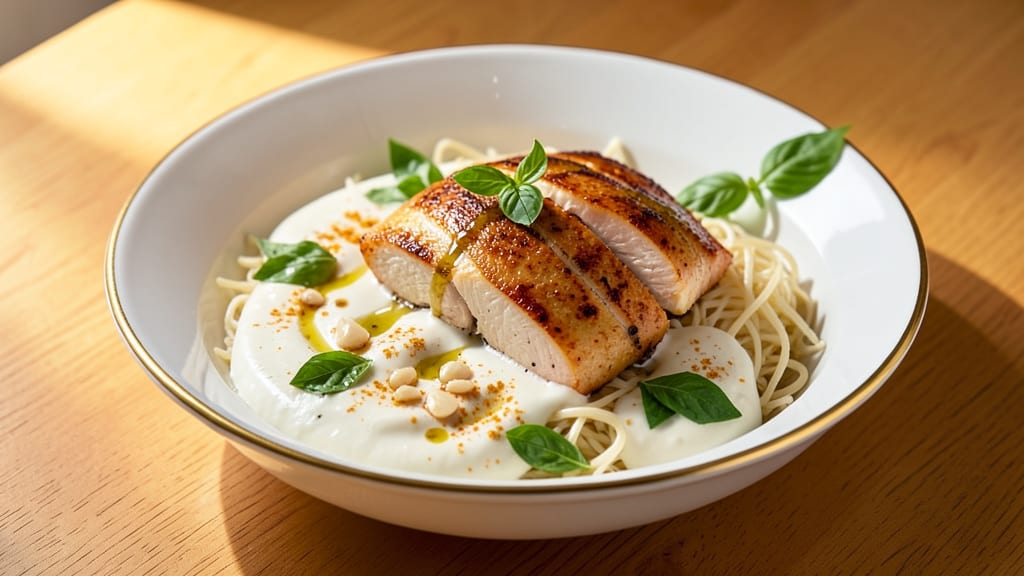
This Arab white sauce recipe transforms simple pantry staples into a velvety, aromatic sauce that elevates grilled meats, roasted vegetables, and rice dishes with just a drizzle.
The secret lies in balancing yogurt’s tang with fresh basil and a bright lemon zing—creating a sauce that’s creamy yet light, with a subtle warmth from turmeric and garlic.
I developed this recipe after years of testing variations, and it’s now my go-to for adding depth to Middle Eastern-inspired meals without overpowering the dish.
The foundation of this sauce is a smooth roux made with butter and flour, which forms the base for the yogurt mixture. As the sauce simmers gently, the flour transforms into a silky texture that clings beautifully to grilled chicken, lamb, or even falafel.
The addition of fresh basil and lemon juice at the end ensures the sauce stays bright and vibrant, not heavy. What sets this apart is its versatility—thin it with a splash of water for drizzling, or leave it thicker for dolloping over soups and salads.
What you’ll achieve is a sauce that’s creamy yet not overly rich, tangy but not sour, and aromatic with layers of garlic and turmeric. The yogurt adds a cooling contrast that cuts through the richness of grilled meats, while the basil and lemon keep it fresh.
This isn’t just a sauce—it’s a flavor multiplier that turns simple dishes into restaurant-worthy meals with minimal effort.
Perfect for pairing with grilled kebabs, roasted eggplant, or even as a dip for pita bread, this sauce is a game-changer for home cooks looking to add authentic Middle Eastern flair to their cooking.
The best part? It comes together in under 20 minutes with ingredients you likely already have on hand. Let’s get started!
Ingredients for arab white sauce
Nine simple ingredients transform into a velvety sauce that adds Middle Eastern magic to any dish.
| Ingredient | Amount | Notes |
|---|---|---|
| Unsalted Butter 🧈 | ½ cup | Cold, cubed for roux |
| All-Purpose Flour 🌾 | ½ cup | Sifted for smooth texture |
| Plain Yogurt 🍶 | 1 ½ cups | Greek or full-fat preferred |
| Fresh Basil Leaves 🌿 | ½ cup | Packed, stems removed |
| Garlic Cloves 🧄 | 3 cloves | Minced for subtle aroma |
| Ground Turmeric 🌶️ | ½ tsp | For golden hue and warmth |
| Ground Cumin 🌿 | ¼ tsp | Toasted for depth |
| Lemon Juice 🍋 | 2 tbsp | Freshly squeezed |
| Salt 🧂 | ½ tsp | Kosher or sea salt |
| Black Pepper 🌶️ | ¼ tsp | Freshly ground |
The yogurt is non-negotiable here—Greek yogurt gives the thickest texture, but full-fat works too. I grab mine from Trader Joe's or Whole Foods for that extra creaminess. Fresh basil is ideal, but dried oregano at half the amount works in a pinch. The butter matters too—use unsalted so you control the saltiness. For the turmeric, Penzeys has the best quality, but any ground turmeric from the spice aisle will do. Toast your cumin seeds first if you're using whole ones—30 seconds in a dry pan makes all the difference.
No fresh basil? Dried oregano or thyme at half the amount gets you close. Short on yogurt? Sour cream or crème fraîche works, but it'll be slightly heavier. The garlic can be roasted for a milder flavor—wrap cloves in foil, bake at 400°F for 10 minutes. No turmeric? A pinch of saffron threads adds color (and cost), but it's not essential. The lemon juice is key for brightness—Mexican limes if you can find them, but regular lemons work fine. For extra richness, stir in 1 tbsp tahini at the end, but don't skip the lemon.
This sauce keeps beautifully—5 days in the fridge sealed tight, or 3 months frozen in ice cube trays for perfect portions. I always make extra because it's so versatile. Double the batch and freeze half for when you're craving that creamy, tangy flavor without the effort. The sauce thickens as it cools, so thin with milk or water if needed. Trust me, the second day is even better as the flavors meld.
Why You'll Love This Recipe
- Here’s what sold me: my picky teenagers devour it. Whether it’s smothered on flatbread or mixed into a salad, it disappears fast. That’s the mark of a winner.
- Five-Ingredient Magic: I swear by this—just butter, flour, yogurt, basil, and garlic. That’s it. The kind of recipe where you won’t overthink it, and the sauce still turns out rich and velvety every time.
- Garlic-Basil Bomb: Between us, the moment that minced garlic hits the butter? Pure flavor payoff. Fresh basil at the end brightens it up so much, you’ll want to drizzle it on everything—grilled chicken, roasted veggies, even toast.
- Weeknight Workhorse: This is my go-to when I’m too tired to fuss. Toss it over chicken thighs for dinner, save half for lunch the next day, or even use it as a dip. It’s that adaptable.
Step-by-step instructions for yogurt-basil velocity sauce
This creamy, aromatic sauce comes together faster than you'd think—just follow these simple steps.
🍳 Step 1: Create the Perfect Roux
In a medium saucepan, melt the 0.5 cup unsalted butter over medium heat. Once fully melted and foaming subsides, reduce heat to medium-low and gradually whisk in the 0.5 cup all-purpose flour. Stir constantly for 2-3 minutes until the mixture thickens and turns a pale golden color—this is your roux foundation.
This step is crucial because a well-made roux prevents lumps and gives your sauce that velvety texture. If it starts to darken too quickly, reduce the heat immediately—you want it to cook slowly and evenly. The roux should smell nutty and toasty when done.
🍳 Step 2: Build Flavor with Aromatics
Keep the saucepan over low heat and gradually whisk in the 1.5 cups plain yogurt, adding it slowly to prevent curdling. Once fully incorporated, stir in the 3 cloves minced garlic, 0.5 teaspoon ground turmeric, 0.25 teaspoon ground cumin, 0.5 teaspoon salt, and 0.25 teaspoon black pepper. Let the mixture simmer gently for 3-4 minutes, stirring constantly.
Here's where the magic happens—the turmeric gives that signature golden hue while the cumin adds warmth. You'll notice the sauce thicken slightly as it cooks, but don't worry if it looks a bit thin right now. The yogurt will help balance everything out beautifully.
🍳 Step 3: Finish with Fresh Herbs and Zing
Remove the saucepan from heat and stir in the 2 tablespoons lemon juice and 0.5 cup chopped fresh basil leaves. Let the mixture sit for 1-2 minutes to allow the flavors to meld together. Taste and adjust seasoning if needed—you might want to add a pinch more salt or lemon juice to balance the flavors.
This is where the sauce transforms from good to extraordinary. The basil adds freshness that cuts through the richness, while the lemon juice brightens everything up. The sauce should be smooth, creamy, and perfectly balanced between tangy, herby, and slightly spiced notes.
⏰ Step 4: Cool and Adjust Consistency
Transfer the sauce to a bowl and let it cool for 5-10 minutes. If the sauce is too thick, whisk in 1-2 tablespoons of warm water or milk to reach your desired consistency. For a smoother texture, you can strain it through a fine-mesh sieve to remove any basil stems or garlic bits.
This cooling period is important because it allows the sauce to thicken slightly as it settles. If you serve it too hot, the yogurt can separate. The perfect consistency should coat the back of a spoon without being gluey—just creamy and luxurious.
Pro Tips For Making Arab White Sauce
- Cook Butter Slowly: Melt the unsalted butter over medium-low heat—rushing it burns the flour before you even start the roux. I learned this the hard way when my sauce turned gray and tasted like ash.
- Strain the Yogurt: Thick, tangy yogurt is key, but if yours is watery, strain it for 30 minutes in a cheesecloth-lined sieve. This keeps the sauce velvety, not gloopy—no one wants a watered-down dish.
- Toast the Flour First: Bloom the flour in the butter for 1-2 minutes until it smells nutty and golden. Skipping this step means your sauce will taste raw and floury—like a sad, undercooked béchamel.
- Chop Basil Fine: Pulse fresh basil in a food processor for 2-3 seconds, then stir it in at the end. Whole leaves sink to the bottom and make the sauce look uneven—no one wants to dig for their herbs.
Troubleshooting your arab white sauce
Roux Gone Wrong
If your roux turns dark brown or smells burnt, you’ve gone too far. This happens when heat is too high or you’re not stirring constantly. Immediately remove from heat and whisk in a splash of cold milk or water to stop the cooking process.
For next time, keep the heat at medium-low and watch closely—it should be pale golden, not brown. 🌡️
Yogurt Curdling
Yogurt curdling is the #1 rookie mistake. To prevent it, add the yogurt to the roux very slowly while whisking vigorously. If it starts to separate, whisk in 1-2 tablespoons of warm water to bring it back together.
Never let it boil—keep the heat at low and stir constantly. Greek yogurt is less likely to curdle than regular yogurt, so use that if you’re nervous.
Sauce Too Thick
If your sauce is too thick after cooling, thin it with warm water or milk, 1 tablespoon at a time. Stir well and taste between additions. For a smoother texture, strain through a fine-mesh sieve to remove any basil stems or garlic bits.
If it’s still too thick, reheat gently while stirring—this helps emulsify it back together. The goal is a sauce that coats the back of a spoon but isn’t gluey.
Lacking Brightness
If your sauce tastes flat or dull, it’s likely missing acidity. Boost the lemon juice to 3 tablespoons and add a pinch of salt to balance. For extra brightness, stir in 1 teaspoon of fresh mint or dill along with the basil.
If the sauce tastes too sour, add a pinch of sugar or a splash of milk to mellow it out. The key is balance—tangy but not sour, creamy but not heavy.
Separation After Cooling
If the sauce separates after cooling, it’s likely because the yogurt wasn’t incorporated properly or the sauce cooled too quickly. Reheat gently over low heat while whisking constantly until smooth. For prevention, always cool the sauce gradually at room temperature before refrigerating.
If it still separates, whisk in 1 tablespoon of cold water or milk to help re-emulsify it. This is especially common if you skipped the straining step.
Weak Flavor Profile
If your sauce lacks depth, it’s probably under-seasoned. Boost the garlic to 4 cloves and add ¼ teaspoon of smoked paprika for extra warmth. For a richer flavor, stir in 1 tablespoon of tahini or olive oil at the end.
If it tastes bland, a pinch of salt or a splash of lemon juice can work wonders. Trust your taste buds—Middle Eastern sauces should be bold, not subtle.
Nutrition facts
Frequently asked questions
Can I make this sauce without butter?
Yes, you can substitute butter with olive oil or vegetable oil for a lighter version. Use 0.5 cup olive oil instead of the butter, and reduce the flour to 0.3 cups to maintain balance. The sauce will have a slightly different texture but still taste delicious. For extra richness, add 1 tablespoon tahini at the end.
How do I adjust the thickness for different uses?
For a thinner consistency (great for drizzling over grilled meats or salads), add 1-2 tablespoons of warm water or milk while whisking. For a thicker version (ideal for dolloping on soups or rice), let it cool completely and reheat gently while stirring. The sauce will naturally thicken as it cools, so adjust right before serving.
Can I use dried herbs instead of fresh basil?
Replace the 0.5 cup fresh basil with 1 teaspoon dried basil or oregano. For extra depth, add ½ teaspoon dried mint along with the dried basil. The flavor will be slightly more concentrated, so start with less and adjust to taste. Fresh herbs always taste best, but dried works in a pinch.
What are the best dishes to pair with this sauce?
This sauce shines with grilled meats like lamb, chicken, or shrimp, but it’s also fantastic over roasted vegetables (eggplant, zucchini, or cauliflower), as a dip for pita bread, or drizzled over hummus and tabbouleh. It even elevates simple rice dishes or falafel platters. The creamy, tangy flavor balances rich and hearty foods beautifully.
Why does my sauce sometimes separate when refrigerated?
Sauce separation usually happens if the yogurt wasn’t fully incorporated or if the sauce cooled too quickly. To fix it, gently reheat the sauce over low heat while whisking constantly until smooth. For prevention, cool the sauce gradually at room temperature before refrigerating, and avoid adding cold liquids while hot. Straining the sauce through a fine-mesh sieve also helps eliminate any lumps that could cause separation.