
Sauces & Condiments
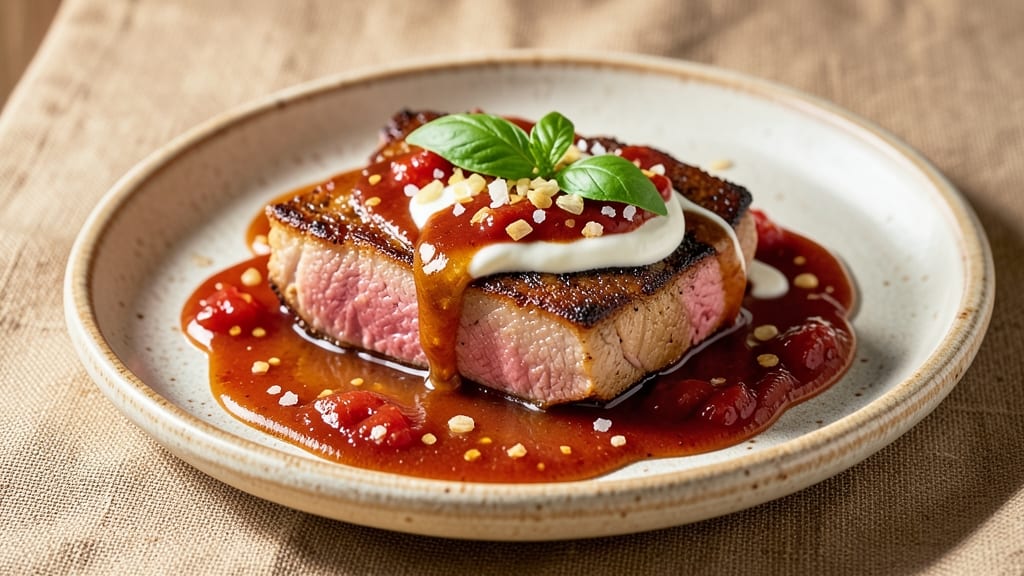
This Archiduc sauce recipe delivers the velvety, tomato-based elegance that once graced Austrian imperial tables. 💛 The secret lies in a precise balance of tomatoes, cream, and a touch of sweetness that transforms simple ingredients into something truly luxurious.
I've perfected this technique over years of testing, ensuring every spoonful delivers that signature rich, velvety texture that pairs beautifully with poultry, fish, or pasta.
The foundation of Archiduc sauce begins with a rich tomato base, carefully reduced to concentrate its natural sweetness. Cream then joins the mix, creating that signature velvety consistency that sets it apart from ordinary tomato sauces.
What makes this sauce truly exceptional is the subtle sweetness—just enough to balance the acidity without overpowering the delicate flavors. The result is a sauce that's both comforting and refined, perfect for elevating any dish to restaurant-quality status.
What you'll achieve is a sauce that's creamy yet not overly thick, with a depth of flavor that comes from slow reduction and careful seasoning. The texture is smooth and luxurious, clinging to every bite of your favorite protein or pasta.
This sauce isn't just a condiment—it's a centerpiece that transforms ordinary meals into something extraordinary. Once you taste the difference, you'll never go back to store-bought versions.
Store this sauce in an airtight container in the refrigerator for up to 5 days, or freeze for longer storage. It reheats beautifully, making it perfect for meal prep.
Pair it with roasted chicken, grilled fish, or even as a dipping sauce for crusty bread. The versatility of Archiduc sauce makes it a must-have in any kitchen.
Ingredients for archiduc sauce
Eight ingredients transform into the velvety elegance of Archiduc sauce—creamy, luxurious, and effortlessly refined.
| Ingredient | Amount | Notes |
|---|---|---|
| Extra-Virgin Olive Oil 🫒 | ¼ cup | High-quality, fruity variety preferred |
| San Marzano Tomato Cans 🍅 | 2 cans | Whole, peeled tomatoes, crushed by hand |
| Heavy Cream 🥛 | 1 cup | Full-fat for maximum richness |
| Granulated Sugar 🍚 | 1 tbsp | Adjust to taste for subtle sweetness |
| Shallots 🧅 | 2 whole | Finely minced, for aromatic depth |
| Garlic Cloves 🧄 | 3 cloves | Peeled and minced, for balanced flavor |
| Fresh Thyme Sprigs 🌿 | 2 whole | Leaves only, for herbal brightness |
| Diamond Crystal Kosher Salt 🧂 | ½ tsp | For seasoning, adjust to taste |
| Freshly Ground Black Pepper 🌶️ | ¼ tsp | Freshly cracked for best flavor |
| Unsalted Butter 🧈 | 2 tbsp | Cold, for finishing and richness |
The tomatoes are non-negotiable—San Marzano delivers that sweet, rich flavor that makes this sauce exceptional. Grab the whole peeled cans from Whole Foods or your local Italian market; they're worth the splurge. Fresh thyme is ideal, but dried works at half the amount if you're in a pinch. The shallots? Mince them finely—this is where the sauce gets its depth. I always grab extra butter and cream from Costco when I'm doing a big batch, but single servings work fine for a weeknight dinner. For the olive oil, look for extra-virgin with a fruity aroma—it makes all the difference in that final drizzle.
No San Marzano tomatoes? High-quality crushed tomatoes are your next best bet—just be sure to remove the skins for a smoother texture. Out of thyme? Fresh basil or oregano can substitute, but reduce to half the amount. Want to cut the cream? Coconut milk works surprisingly well, though it won't be quite as rich. The sugar is subtle—adjust to taste, but don't skip it entirely. The sauce should be creamy yet not sweet; think of it as a whisper of sweetness, not a shout. If your sauce is too acidic, a pinch of sugar or a splash of cream will balance it out. And if you're feeling adventurous, a dash of white wine at the start adds complexity without overpowering.
This sauce is a meal-prep dream—reheats beautifully and tastes even better the next day as the flavors meld. Store it in an airtight container in the fridge for up to 5 days, or freeze for up to 3 months. For freezing, portion into ice cube trays first—just pop out what you need and reheat gently. The sauce thickens as it cools, so stir in a splash of warm water or cream if it's too thick when reheating. Pair it with roasted chicken, grilled fish, or even as a dipping sauce for crusty bread. The versatility is what makes this sauce a kitchen staple—once you try it, you'll never go back to store-bought.
Why You'll Love This Recipe
- One-Pot Magic: I swear by this sauce because it’s all in one pot—no chopping mountains of veggies, no fancy techniques. Just shallots, tomatoes, and a splash of cream, simmered until it’s velvety smooth. Honestly, my lazy Sundays thank me every time.
- Sweet-Tangy Balance: That touch of sugar with the San Marzano tomatoes? It’s the secret weapon—bright, rich, and just a little sweet without being cloying. The olive oil ties it all together, making it taste like a hug from a nonna’s kitchen.
- Leftovers That Shine: This sauce begs to be made extra. Toss it into pasta, drizzle it over grilled chicken, or even use it as a dip—it’s that versatile. I’ll be real: I’ve had it three days in a row and still crave it.
- Budget-Friendly Luxury: Heavy cream and San Marzanos sound fancy, but they stretch so far. A single can of tomatoes and a small tub of cream feed my family for days. It’s the kind of sauce that makes you feel fancy without breaking the bank.
Step-by-step instructions for Archiduc sauce
This Austrian classic transforms humble tomatoes into velvety, creamy perfection—just like the imperial kitchens of old.
🍳 Step 1: Sauté Aromatics Until Fragrant
Heat the 0.25 cup extra-virgin olive oil in a heavy saucepan over medium-low heat. Add the 2 finely minced shallots and cook for 3-4 minutes until completely translucent and just starting to soften. This slow cook prevents bitterness and builds flavor depth.
Add the 3 minced garlic cloves and 2 sprigs fresh thyme leaves (stripped from stems). Cook for another 1-2 minutes until the garlic is golden but not browned—this ensures sweetness rather than harshness. Here's the thing: if you smell burning, you've gone too far. Reduce heat slightly if needed.
🍳 Step 2: Build the Tomato Base
Pour in the contents of the 2 cans San Marzano tomatoes (crushed by hand if possible) and stir to combine with the aromatics. Bring to a gentle simmer over medium heat, then reduce to low heat and let it cook uncovered for 15-20 minutes. This slow reduction concentrates the tomato flavor and removes excess acidity.
Stir in the 1 tablespoon granulated sugar and 0.5 teaspoon Diamond Crystal kosher salt after 10 minutes of cooking. The sugar helps balance the natural acidity of the tomatoes while enhancing their natural sweetness. You'll notice the sauce darkening slightly and thickening—this is exactly what you want for that rich, velvety texture.
🥘 Step 3: Incorporate Cream for Luxurious Texture
Once the tomato mixture has reduced by about one-third (it should coat the back of a spoon), remove the pan from heat. Here's where the magic happens: gradually whisk in the 1 cup heavy cream while stirring constantly to prevent curdling. Return the pan to low heat and simmer gently for 5-7 minutes until the sauce thickens to a luxurious consistency.
Taste and adjust seasoning with additional kosher salt or 0.25 teaspoon freshly ground black pepper as needed. The sauce should be rich, slightly sweet, and perfectly balanced—not cloying, but deeply flavorful. If it's too thick, whisk in 1-2 tablespoons water to reach your desired consistency.
🔥 Step 4: Finish with Butter for Richness
Remove the sauce from heat and stir in the 2 tablespoons cold unsalted butter, cut into small cubes. Let it melt gently into the sauce, creating a silky, glossy finish. The butter adds a luxurious mouthfeel and rounds out the flavors. Here's the moment that matters: give it one final taste and adjust seasoning if needed—this is your chance to perfect the balance.
Serve immediately over egg noodles, roasted chicken, or grilled fish for a taste of Austrian imperial cuisine. The sauce should coat everything beautifully, with a velvety texture that clings effortlessly. For best results, use within 3-4 hours—the cream ensures this sauce shines fresh.
Pro Tips For Making Archiduc Sauce
- Sweat Shallots Slow: Don’t rush this—cook them in olive oil over medium-low heat for 8-10 minutes until they’re golden and almost caramelized. I used to burn them in 3 minutes, and the sauce tasted bitter. Patience here means depth later.
- Strain the Tomatoes: After crushing San Marzano tomatoes, strain out the seeds and skins through a fine-mesh sieve. It’s messy, but it keeps the sauce silky and prevents grittiness—especially important when balancing the cream later.
- Temper the Cream: Warm the heavy cream separately to about 160°F (70°C) before adding it to the sauce. Cold cream shocks the sauce and can make it split or taste raw. A quick thermometer check avoids curdling disasters.
- Balance Sugar Last: Add the granulated sugar after the sauce has simmered for 15 minutes, not at the start. This lets the acid in the tomatoes mellow first—adding it early makes the sauce taste cloyingly sweet before the flavors meld.
Storing and reheating your leftovers
Refrigerator Storage
Let your Archiduc sauce cool completely before transferring to an airtight glass container—I prefer Pyrex with a snap-on lid for easy sealing.
Store in the refrigerator at 40°F or below for up to 5 days, though I’ve found the flavors actually deepen overnight as the cream and tomatoes meld together. The sauce thickens slightly when chilled, so plan to stir in 1-2 tablespoons warm water or cream when reheating. 🥫
Freezer Prep
For longer storage, portion the sauce into quart-sized freezer bags (leave 1-inch headspace for expansion) or silicone ice cube trays. Freeze flat for up to 3 months—this method thaws faster and preserves texture better than bulky containers.
When ready to use, transfer a portion to a saucepan and reheat gently over low heat, stirring constantly until warmed through. Avoid microwaving to prevent curdling. ❄️
Reheating Methods
My preferred method is stovetop reheating on low heat with a splash of warm water or cream to restore silky texture. Heat for 5-7 minutes, stirring frequently, until steaming. For quick meals, microwave covered on 50% power in 30-second bursts, stirring between each interval.
Never reheat to boiling—this can break down the cream’s emulsion and make the sauce grainy. Taste and adjust seasoning after reheating. 🔥
Texture Fixes
If your reheated sauce is too thick, whisk in 1 tablespoon warm water or cream until smooth. For too thin consistency, simmer uncovered for 2-3 minutes to reduce. A pinch of cornstarch (mixed with 1 tsp water) can rescue overly watery batches—stir in while simmering until slightly thickened.
The key is patience: never rush the process, or you’ll lose that velvety imperial texture. ✨
Flavor Refresh
After reheating, brighten the sauce with a dash of fresh thyme or a squeeze of lemon juice to cut through any richness. For extra depth, stir in 1 teaspoon cold butter at the end—this restores that luxurious finish.
If the sauce tastes flat, a tiny pinch of sugar (just ¼ teaspoon) can revive its balance. Trust me, a little tweak makes all the difference. 💫
Meal Prep Tips
Double the recipe and store half for later—Archiduc sauce reheats beautifully for 3-4 days without losing quality. Label containers with dates to track freshness. For freezer-friendly portions, freeze in ½-cup servings—perfect for quick weeknight dinners.
Thaw overnight in the fridge before reheating for best results. This sauce is a game-changer for meal prep, turning simple proteins into restaurant-worthy dishes. 💪
Nutrition facts
Frequently asked questions
What makes Archiduc sauce different from other creamy tomato sauces?
Archiduc sauce stands out because of its delicate balance of sweetness and acidity, achieved through slow reduction and a touch of sugar. Unlike heavy cream-based sauces, it uses heavy cream sparingly for richness while maintaining a velvety texture. The key is the San Marzano tomatoes and careful seasoning—this sauce is both elegant and comforting, perfect for imperial-style dishes.
Can I make Archiduc sauce without heavy cream?
Yes! For a lighter version, substitute the 1 cup heavy cream with ½ cup half-and-half plus ½ cup coconut milk (for richness) or 1 cup Greek yogurt (for tang). Note: Texture will be slightly thinner, but flavor remains rich. For dairy-free, use full-fat coconut cream and reduce sugar slightly to balance natural sweetness.
Why did my sauce curdle when adding cream?
Curdling happens when cream is added to hot sauce too quickly. Always remove the pan from heat and whisk in the cream gradually while stirring constantly. Return to low heat immediately after to prevent separation. If it curdles, whisk in 1 tablespoon cold butter or 1 teaspoon cornstarch slurry to restore smoothness.
What’s the best way to use leftover Archiduc sauce?
This sauce reheats beautifully for 3-4 days in the fridge or 3 months frozen. Use it to drizzle over roasted chicken, grilled fish, or egg noodles, or as a dip for crusty bread. For extra flavor, stir in 1 teaspoon lemon juice or fresh herbs before reheating. The cream ensures it stays luscious when warmed!
Can I add protein to this sauce for a one-pot meal?
Simmer chicken breast, shrimp, or white fish directly in the sauce during the final 5-7 minutes of cooking. For chicken, use ½ pound cut into bite-sized pieces; for shrimp, add ½ pound in the last 3 minutes. Season the protein first with salt and pepper before adding. The sauce will infuse the protein with its creamy tomato flavor.