
Sauces & Condiments
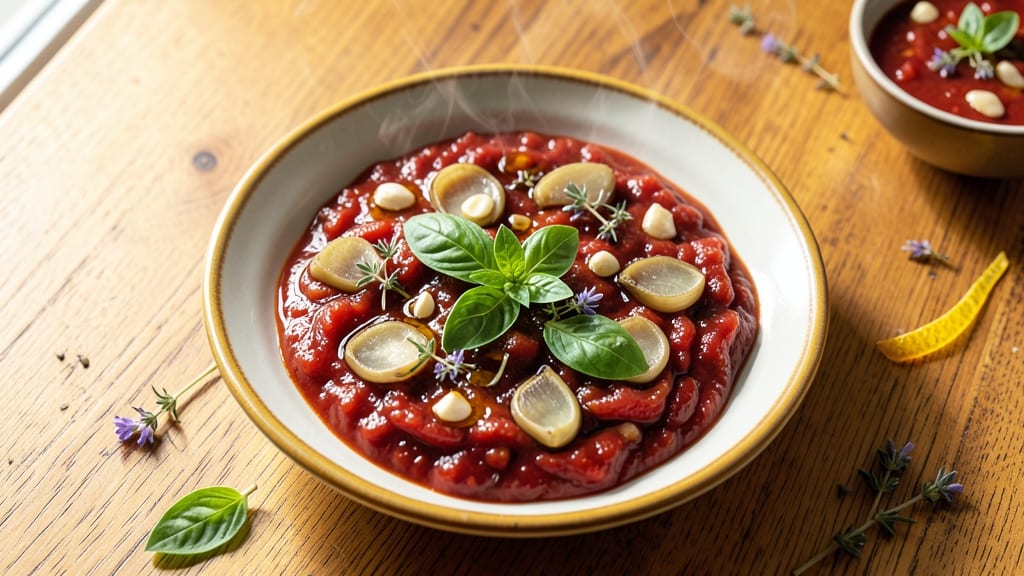
This artichoke garlic pizza sauce recipe transforms classic tomato sauce into a rich, velvety base with layers of umami and herbaceous depth. The secret lies in blending artichoke hearts with garlic, olive oil, and fresh herbs—creating a sauce that elevates pizza to restaurant-quality while remaining versatile for pasta or dipping.
Unlike heavy marinara, this sauce delivers a silky texture with a bold, savory kick that pairs perfectly with melted cheese or fresh toppings.
The beauty of this recipe is its simplicity: just 10 minutes of prep followed by a 20-minute simmer to develop flavors. Artichokes add natural creaminess and a subtle bitterness that balances the garlic's intensity, while fresh basil and thyme brighten the sauce without overpowering.
The result is a sauce that's foolproof for beginners but sophisticated enough for seasoned home cooks.
What sets this sauce apart is its versatility—use it as a pizza base, drizzle over grilled meats, or serve with crusty bread. The artichokes and garlic create a depth that store-bought sauces can't match, and the herb-infused finish ensures every bite tastes fresh.
The consistency is smooth yet clingy, perfect for coating toppings without slipping off.
Once you taste this sauce, you'll never go back to jarred versions. The artichokes soften into a velvety texture, while the garlic infuses warmth that lingers on the palate. This isn't just a pizza sauce—it's a flavor foundation that transforms ordinary meals into something extraordinary. Ready to make it?
Ingredients for artichoke garlic pizza sauce
Nine carefully chosen ingredients create this velvety, herb-infused pizza sauce with restaurant-quality depth.
| Ingredient | Amount | Notes |
|---|---|---|
| Extra-Virgin Olive Oil 🫒 | ½ cup | High-quality, fruity variety preferred |
| Artichoke Hearts 🌿 | 14 oz | Marinated, drained and chopped |
| Garlic Cloves 🧄 | 6 cloves | Freshly minced, not pre-minced jarred |
| Canned Crushed Tomatoes 🍅 | 15 oz | San Marzano preferred, no salt added |
| Fresh Basil Leaves 🌿 | ½ cup | Packed, stems removed |
| Fresh Thyme Leaves 🍃 | 1 tbsp | Or 1 tsp dried thyme |
| Red Wine Vinegar 🍷 | 1 tbsp | Dry variety for brightness |
| Diamond Crystal Kosher Salt 🧂 | ½ tsp | Adjust to taste |
| Freshly Ground Black Pepper 🌶️ | ¼ tsp | Freshly cracked for aroma |
The artichoke hearts are the sauce's secret weapon—look for marinated hearts in water or olive oil at specialty markets or the international aisle of major grocery stores like Whole Foods or Trader Joe's. San Marzano crushed tomatoes are non-negotiable for authentic Italian flavor; their natural sweetness balances the artichokes' subtle bitterness. The garlic should be freshly minced (pre-minced jarred garlic lacks the aromatic oils that develop during cooking). For the herbs, fresh basil and thyme provide vibrant notes, but if you're using dried, measure them at one-third the amount of fresh—dried herbs are more concentrated.
No San Marzano tomatoes? High-quality canned tomatoes work, but avoid brands with added salt or preservatives. Substitute artichokes with 1 cup finely chopped roasted eggplant for a similar texture, though the flavor will differ slightly. Fresh herbs unavailable? Dried basil and oregano at half the amount will work in a pinch, though the sauce will lack brightness. The red wine vinegar adds acidity—if you're avoiding alcohol, lemon juice works equally well. For extra umami depth, a dash of soy sauce or 1 tsp tomato paste enhances the sauce without altering its vegetarian nature.
This sauce peaks after 5-7 days in the refrigerator, developing deeper flavors with each passing day. Store in an airtight glass jar with a thin layer of olive oil on top to preserve freshness. For long-term storage, freeze in ice cube trays—perfect for single-use portions on pizzas or pasta. Thaw overnight in the fridge or microwave for 30 seconds to maintain texture. The sauce thickens as it cools, so stir before reheating if using for pizza dough. Leftovers keep for 3 months frozen.
Why You'll Love This Recipe
- Five-Ingredient Magic: I swear, this sauce is the kind of recipe you’ll bookmark and forget exists until you’re desperate for something better than jarred sauce. Chopped garlic, canned tomatoes, and artichokes—no fancy techniques, just simmering until the flavors meld. Honestly, my lazy Sunday mornings now include a batch of this in the slow cooker while I sip coffee.
- Garlic-Basil Bomb: That first bite? Rich, herby, with a punch of briny artichoke and sweet tomatoes—it’s like a Mediterranean vacation in a jar. The basil leaves wilt right in, releasing their perfume, and the olive oil ties it all together with that golden, silky finish. (Yes, even on a Tuesday night.)
- Pantry-to-Pizza Powerhouse: This sauce doubles as marinara for pasta, a base for grilled chicken, or a dip for crusty bread—no extra work, just different toppings. I’ve used it for weeknight dinners, potlucks, and even as a quick lunch when I’m too tired to think. Between us, it’s my secret weapon for making meals feel special without the fuss.
- Budget-Friendly Luxury: Artichokes and garlic make this taste like a $50 restaurant dish, but the canned tomatoes and olive oil keep it affordable. A jar lasts me nearly a week, and I freeze half for when I’m too busy to cook. Not the prettiest, but the taste makes up for it—and my wallet thanks me.
Step-by-step instructions for artichoke garlic pizza sauce
Here's how to create a velvety, herb-infused sauce that brings bold umami and bright acidity to every pizza.
Sauté Garlic in Olive Oil Until Fragrant
Heat the 0.5 cup extra-virgin olive oil in a medium saucepan over medium-low heat. Add the 6 cloves freshly minced garlic and cook for 2-3 minutes until the garlic becomes golden and fragrant—this prevents bitterness. Be careful not to let it brown, as garlic burns quickly. The oil should shimmer but not smoke.
This initial step builds the sauce's aromatic foundation. The garlic's sweetness will mellow into a rich, savory base that pairs perfectly with the artichokes. If you notice the garlic starting to darken too quickly, reduce the heat immediately and stir constantly until it returns to a light golden color.
Add Artichokes and Tomatoes for Umami Depth
Increase the heat to medium and add the 14 oz chopped artichoke hearts and 15 oz canned crushed tomatoes. Stir well to combine, then reduce the heat to low and let the mixture simmer for 10-12 minutes. This allows the artichokes to soften slightly while their natural umami flavors meld with the tomatoes.
During this time, the sauce will thicken slightly as the liquid reduces. Stir occasionally to prevent sticking, scraping up any browned bits from the bottom of the pan. These bits are packed with flavor and will enhance the sauce's depth. If the mixture looks too thick, add 1-2 tablespoons of water to loosen it.
Brighten with Vinegar and Season Generously
Add the 1 tablespoon red wine vinegar, 0.5 tsp Diamond Crystal kosher salt, and 0.25 tsp freshly ground black pepper. Stir well and simmer for another 5 minutes to allow the vinegar to brighten the flavors and the seasoning to fully integrate. The sauce should now have a balanced acidity and a well-rounded seasoning profile.
This step is where the sauce comes together. The vinegar cuts through the richness of the olive oil and artichokes, while the salt and pepper enhance the natural flavors. Taste the sauce now and adjust the seasoning if needed—you may want to add a pinch more salt or pepper to your liking. The sauce should be vibrant, tangy, and deeply flavorful.
Finish with Fresh Herbs for Vibrant Flavor
Remove the saucepan from heat and stir in the 0.5 cup fresh basil leaves and 1 tbsp fresh thyme leaves. Let the herbs steep in the warm sauce for 2-3 minutes before stirring again. This infusion will add a fresh, aromatic brightness that elevates the sauce's complexity.
The herbs should be fully incorporated, but you can strain them out if you prefer a smoother texture. If you choose to leave them in, they'll add a lovely visual contrast and an extra layer of flavor with each bite. The sauce is now ready to use—spread it generously over your pizza dough before adding toppings for a rich, herby base that complements everything from cheese to vegetables.
Pro Tips For Making Artichoke Garlic Pizza Sauce
- CHOP GARLIC SLIGHTLY COARSE: I learned this the hard way—mincing garlic too fine turns your sauce into a paste instead of letting those bold flavors shine through. Aim for 1/8-inch chunks so they soften but still hold their shape, releasing aroma without disappearing.
- DRAIN ARTICHOKES WELL: Skip the "quick rinse" habit—pat those artichoke hearts thoroughly dry with a towel before chopping. Extra moisture in your sauce means a watery, dull texture instead of a rich, concentrated garlic-artichoke punch.
- SIMMER LOW AND SLOW: After adding tomatoes, resist the urge to crank the heat—let it bubble gently for 10-12 minutes. High heat turns crushed tomatoes into mush and burns the garlic before it’s ready, while slow simmering builds depth without breaking down the texture.
- SAVE TIME WITH FROZEN BASIL: Fresh basil wilts fast and can make your sauce look sad. Use frozen basil leaves (thawed and drained) for the same bright flavor without the fuss—just toss them in at the end and let them warm through. (Yes, it’s weird, but it works.)
Storing and reheating your leftovers
Refrigerator Storage
Transfer your artichoke garlic pizza sauce to an airtight glass jar or BPA-free plastic container once cooled to room temperature. I recommend using Mason jars with tight-sealing lids—they preserve flavor better than loose containers.
Store in the fridge at 40°F or below for up to 5 days, but trust me, it tastes even better after 2-3 days as flavors meld. The sauce thickens slightly when chilled, so stir before using. 🌿
Freezer Storage
For longer storage, freeze the sauce in ice cube trays or silicone molds—perfect for single-use portions. Once frozen, transfer cubes to a freezer bag with all air squeezed out to prevent freezer burn. Label with the date and store for up to 3 months.
When ready to use, thaw overnight in the fridge or microwave for 30 seconds on low power to maintain texture. The sauce may separate slightly, so stir vigorously before reheating. ❄️
Reheating for Pizza
For pizza, I recommend reheating the sauce directly on the dough to prevent sogginess. Spread a thin layer over your pizza base, then bake as usual. If using pre-made dough, preheat the sauce in a small saucepan over low heat for 2-3 minutes—just enough to warm it through.
Avoid boiling, as this can break down the artichokes' texture. The warm sauce will cling beautifully to toppings while keeping them crisp. 🔥
Reheating for Pasta
For pasta, simmer the sauce in a saucepan over medium-low heat for 5-7 minutes, stirring occasionally. Add a splash of water or pasta water if it thickens too much. The artichokes soften further, creating a luxurious consistency that coats noodles perfectly.
Toss with al dente pasta and fresh herbs for a restaurant-worthy dish. If the sauce smells too strong after reheating, it’s ready—just balance with a pinch of kosher salt and black pepper.
Reviving Thickened Sauce
If your refrigerated sauce thickens to a paste-like consistency, don’t toss it! Simply stir in 1-2 tablespoons of water or olive oil and heat gently over low heat for 1-2 minutes. The artichokes will rehydrate slightly, restoring the velvety texture.
This trick works wonders for leftover sauce that’s been stored for a few days. The key is patience—never rush the reheating process, or you’ll risk separating the flavors. 💡
Sauce for Dipping
For dipping, serve the sauce slightly chilled or at room temperature. If using straight from the fridge, let it sit at room temperature for 10 minutes before serving to soften the texture. The artichokes' creaminess makes this sauce perfect for garlic knots, crusty bread, or veggie sticks.
To keep it fresh, store any unused portion in the fridge and reheat gently before the next use. The herbs stay vibrant, so this sauce is ideal for quick appetizers without extra effort. 🍽️
Nutrition facts
Frequently asked questions about artichoke garlic pizza sauce
Can I substitute jarred artichokes for fresh?
Jarred artichoke hearts work perfectly—they're pre-cooked and convenient! Just drain and chop them as directed. For a fresher taste, you could use 1 cup finely chopped roasted eggplant instead, though the texture will differ slightly. The key is ensuring your artichokes are well-drained to avoid a watery sauce.
How do I adjust the sauce if I don't like artichokes?
For a milder flavor, reduce the artichokes to 7 oz and add 1 tbsp tomato paste for extra depth. Or swap them entirely for ½ cup finely chopped sun-dried tomatoes (soaked if oil-packed) or ¼ cup pesto for a similar umami boost. The garlic and herbs will still shine through!
Why does my sauce taste bitter?
Bitterness usually comes from overcooked garlic or artichokes. Next time, sauté garlic for just 2-3 minutes until golden (not brown), and simmer the sauce at low heat for no longer than 20 minutes total. A splash of lemon juice or extra red wine vinegar can also brighten the flavor. Taste as you go!
Can I make this sauce without tomatoes?
Replace the tomatoes with 1 cup vegetable broth and 1 tbsp tomato paste for a lighter base. For extra richness, add ¼ cup white wine when sautéing the garlic. The artichokes and garlic will still create a velvety texture—just expect a slightly different flavor profile.
How much sauce should I use for a 12-inch pizza?
Spread about ½ cup of this sauce for a standard 12-inch pizza—it's more flavorful than traditional tomato sauce, so less goes further. For extra coverage, use ⅔ cup but reduce other toppings slightly. The artichokes add creaminess, so you won't need cheese to compensate.