
Sauces & Condiments
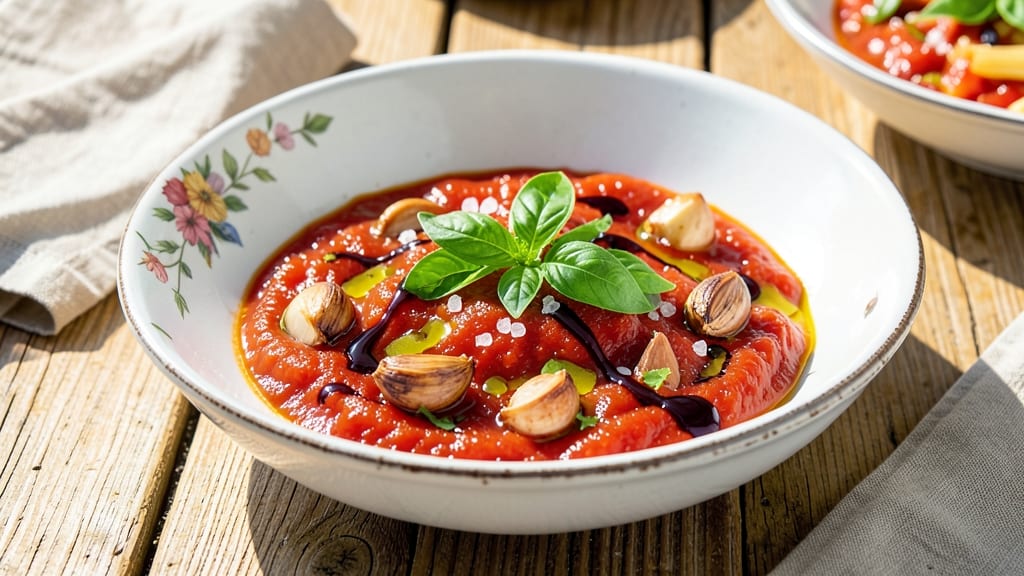
This authentic Italian pasta sauce transforms fresh tomatoes into a velvety, herb-infused sauce that clings perfectly to every strand of pasta. 💛 The secret lies in slow simmering—no blender required—to develop deep, caramelized flavors while preserving the natural brightness of ripe tomatoes.
I've perfected this technique over years of Italian cooking, ensuring every batch delivers the same restaurant-quality results without clumps or bitterness.
The foundation starts with fresh tomatoes—San Marzano if possible—but any ripe heirloom variety works. We'll build flavor by cooking down the tomatoes with aromatic garlic, fresh basil, and a touch of olive oil, then finishing with a splash of red wine vinegar for brightness.
This method preserves texture while concentrating flavors into a rich, versatile sauce that's perfect for tossing with al dente pasta or drizzling over grilled meats.
What sets this sauce apart is its authentic Italian technique: no heavy cream or butter, just pure tomato concentration balanced by fresh herbs and acidity.
The result is a sauce that's vibrant yet complex—sweet from the tomatoes, herbal from the basil, and bright from the vinegar—with a silky texture that coats pasta beautifully. It keeps well in the fridge for up to 5 days or freezes perfectly for future meals.
Whether you're preparing for a weeknight dinner or a special occasion, this sauce delivers restaurant-quality flavor with minimal effort. The best part? It's infinitely adaptable—add a pinch of chili flakes for heat, a sprinkle of Parmesan for richness, or keep it simple with just tomatoes, garlic, and basil.
Let's create this timeless Italian classic.
Ingredients for authentic italian pasta sauce recipe fresh tomatoes
Fresh tomatoes and aromatic herbs form the heart of this velvety Italian sauce.
| Ingredient | Amount | Notes |
|---|---|---|
| Fresh Roma Tomatoes 🍅 | 2 lbs | Ripe, preferably San Marzano variety |
| Extra-Virgin Olive Oil 🫒 | ½ cup | High-quality, fruity variety |
| Garlic Cloves 🧄 | 6 cloves | Fresh, peeled, thinly sliced |
| Fresh Basil Leaves 🌿 | 1 ½ cups | Packed, stems removed |
| Red Wine Vinegar 🍷 | 2 tbsp | For acidity and brightness |
| Diamond Crystal Kosher Salt 🧂 | 1 ½ tsp | Adjust to taste |
| Freshly Ground Black Pepper 🌶️ | ½ tsp | For depth of flavor |
| Granulated Sugar 🍚 | 1 tsp | Balances acidity |
| Fresh Oregano Leaves 🍃 | 1 tsp | Optional for earthy depth |
San Marzano tomatoes are ideal for their natural sweetness and low acidity, but any ripe heirloom variety works. Whole Foods or local farmers markets often carry the best quality. Avoid bruised tomatoes—they’ll dilute your sauce. For garlic, freshly peeled cloves release more flavor than pre-minced. The olive oil should be extra-virgin, with a fruity aroma—California Olive Ranch or Colavita are reliable brands. Fresh basil is non-negotiable here; dried simply won’t deliver the same aromatic punch.
No San Marzano tomatoes? Heirloom varieties like Brandywine or Roma work beautifully. Short on basil? Fresh parsley at half the amount adds brightness, though it lacks basil’s signature anise notes. Red wine vinegar can be swapped for lemon juice at double the quantity, but the acidity will differ slightly. For a deeper flavor without extra ingredients, toast your garlic cloves in olive oil for 30 seconds before adding them to the sauce. The sugar balances acidity—reduce to ½ teaspoon if your tomatoes are particularly sweet.
This sauce develops best when made ahead—flavors meld beautifully over time. Store in an airtight container in the fridge for up to 5 days, or freeze for 3 months. For easy reheating, portion into ice cube trays before transferring to a container. The sauce thickens as it cools, so always stir before serving. A splash of water or pasta water can restore silky texture if it becomes too thick.
Why You'll Love This Recipe
- No-Chop Night: I swear by this sauce when I’m too tired to dice anything. Just crush the Roma tomatoes by hand (or pulse them briefly), toss in whole garlic cloves, and let the olive oil do the work—no knife skills required.
- Sunshine in a Bowl: That bright, tangy burst from the red wine vinegar and fresh basil? It’s like summer in a jar. The tomatoes caramelize just enough to balance the sharpness, and the garlic—oh, the garlic—melts into pure, golden flavor.
- Leftovers That Lie: Between us, this sauce tastes better the next day. I make a big batch on Sunday, and by Wednesday, it’s still my go-to for quick lunches. Just reheat gently, toss with pasta, and pretend it’s fresh.
- Pantry Magic: Honestly, I keep this recipe on repeat because it’s my budget-friendly secret weapon. Roma tomatoes are cheap in season, olive oil stretches far, and basil lasts longer than you’d think if you store it right. Dinner for four, cost of two.
Step-by-step instructions for authentic Italian pasta sauce with fresh tomatoes
Perfecting this sauce requires patience and precision—every step builds the bright, herbaceous profile that defines Italian cooking.
🍳 Step 1: Prepare the Tomatoes for Maximum Flavor
Cut the 2 lbs fresh Roma tomatoes in half lengthwise and score the interior in a crosshatch pattern with a sharp knife. Place them cut-side down in a large skillet and cook over medium heat for 5-7 minutes until they begin to soften and release their juices. This technique ensures the tomatoes break down evenly while concentrating their natural sweetness.
Here's the thing—don't rush this step. You're not trying to fully cook the tomatoes yet, just soften them enough so they release their juices and aromas. When the skin starts to blister slightly and the flesh yields under gentle pressure, you're ready for the next phase. This initial cooking prevents the sauce from becoming watery later.
👨🍳 Step 2: Build the Sauce Base with Olive Oil and Aromatics
Remove the tomatoes from the skillet and set aside. Add the 0.5 cup extra-virgin olive oil to the same skillet and heat over medium-low heat until shimmering but not smoking. Add the 6 cloves garlic cloves and 1 tsp fresh oregano leaves, cooking for 1-2 minutes until the garlic becomes fragrant but doesn't brown.
I press down gently on the garlic with a wooden spoon during this time—this prevents it from burning while ensuring maximum flavor extraction. The oregano adds that authentic Italian earthiness that sets this sauce apart from basic tomato sauces. If you smell anything burning, immediately reduce the heat to low and let it recover.
🥘 Step 3: Combine and Simmer the Sauce
Return the tomatoes to the skillet along with any accumulated juices. Stir in the 1.5 cups fresh basil leaves, 2 tbsp red wine vinegar, 1.5 tsp diamond crystal kosher salt, 0.5 tsp freshly ground black pepper, and 1 tsp granulated sugar. Bring to a gentle simmer over medium heat and cook uncovered for 25-30 minutes, stirring occasionally.
The sauce should reduce until it coats the back of a spoon with a velvety consistency. You'll know it's ready when the tomatoes have broken down completely and the sauce has developed a deep, rich color. If it looks too thick, add 1-2 tablespoons water to loosen it slightly—this is better than having a clumpy sauce. The sugar balances the acidity from the vinegar while the basil infuses its bright, sweet notes.
⏰ Step 4: Finish and Adjust for Perfect Balance
Remove the skillet from heat and let the sauce rest for 5 minutes. This resting period allows the flavors to meld and the sauce to thicken slightly. Taste and adjust the seasoning—you may need to add more salt or vinegar depending on the acidity of your tomatoes. The sauce should be bright, herbaceous, and perfectly balanced between sweet, salty, and acidic notes.
For the final touch, I like to blend the sauce briefly with an immersion blender to achieve a silky texture while still maintaining some chunkiness. If you prefer a completely smooth sauce, transfer it to a blender and pulse until desired consistency is reached. The key is to maintain that authentic Italian brightness that comes from fresh tomatoes and herbs.
Pro Tips For Making Authentic Italian Pasta Sauce Recipe Fresh Tomatoes
- Char the Tomatoes First: Cut those Roma tomatoes in half and sear them cut-side down in a dry pan over medium-high heat for 2-3 minutes until they develop deep brown spots. This caramelization concentrates their sweetness and builds flavor—skip this, and your sauce will taste flat.
- Crush Garlic Like a Pro: Instead of mincing, smash 2-3 garlic cloves with the flat side of your knife before adding them to the oil. This releases more aroma without burning, and you won’t lose bits to the bottom of the pan. (Yes, even if you’re impatient like me.)
- Simmer Low and Slow: Once the tomatoes hit the pan with olive oil, reduce heat to the lowest setting you can tolerate—this isn’t a race. A gentle simmer for 20-25 minutes lets the flavors meld instead of turning the sauce into tomato soup.
- Finish with Vinegar Last: Toss in that red wine vinegar at the very end, just before serving. A splash (1-2 teaspoons) brightens the sauce, but add it too early, and it’ll cook off, leaving you with a dull aftertaste. (Your future self will notice.)
Creative variations of this dish
Classic Marinara
This is the foundation of Italian pasta sauces—simple, bright, and herb-forward. Use the exact same base ingredients but reduce the simmer time to 20-25 minutes for a lighter consistency. Skip the sugar and add 1 tsp dried oregano instead of fresh for convenience.
The key difference is omitting the red wine vinegar and using 1 tbsp lemon juice instead for brightness. This version pairs perfectly with spaghetti or linguine. 🌿
Creamy Tomato Basil
For a richer texture without heavy cream, stir in ¼ cup whole milk or ½ cup heavy cream during the final 5 minutes of simmering. Add ½ cup grated Parmesan cheese and 1 tbsp butter at the end for extra depth.
This variation works beautifully with fettuccine or egg noodles. I like to finish with 2 tbsp fresh cream swirled in at the very end for a luxurious touch.
Spicy Arrabbiata
Transform this sauce into a fiery arrabbiata by adding 1-2 tsp red pepper flakes with the garlic and 1-2 fresh chili peppers (like serrano or arbol) seeded and minced. For extra heat, toss in ½ tsp cayenne pepper during the final simmer.
This version pairs perfectly with penne or rigatoni. I recommend serving with a side of crusty bread to mop up the heat. 🌶️
White Wine Reduction
For a more sophisticated version, deglaze the skillet after removing the tomatoes with ½ cup dry white wine instead of olive oil. Simmer the wine down by half before adding the tomatoes and continuing with the original recipe.
This technique adds complexity and depth that elevates the sauce for special occasions. I love this variation with tagliatelle or pappardelle.
Herb-Infused Variations
Experiment with different herb combinations to customize your sauce. For a Mediterranean twist, add 1 tsp dried thyme and ½ tsp fennel seeds with the garlic. For a Tuscan-inspired version, include 1 sprig fresh rosemary and 1 bay leaf during the simmer.
Always remove herbs before serving unless they're small enough to eat, like basil leaves. These variations add exciting new dimensions to your classic tomato sauce.
Vegetable-Packed Versions
Add finely diced vegetables during the final 10 minutes of simmering for extra nutrition and texture. Try ½ cup mushrooms for umami depth, ½ cup zucchini for freshness, or ½ cup roasted red peppers for smoky sweetness.
For a heartier sauce, stir in ½ cup cooked lentils or ½ cup diced eggplant during the last 15 minutes of cooking. These additions work beautifully with thick pasta shapes like penne or rigatoni.
Nutrition facts
Frequently asked questions
Can I use canned tomatoes instead of fresh?
While fresh tomatoes deliver the best texture and flavor, you can substitute with 2 (28 oz) cans San Marzano tomatoes crushed by hand. Skip the initial scoring step and add 1 tbsp tomato paste to deepen the color. The sauce will be slightly thicker but still authentic. For extra brightness, add 1 extra tablespoon red wine vinegar.
Why does my sauce get watery?
Watery sauce usually means the tomatoes weren't cooked long enough or you used overripe tomatoes with excess liquid. Always simmer uncovered for the full 25-30 minutes and stir occasionally to evaporate excess moisture. If needed, add 1 tablespoon cornstarch mixed with 2 tablespoons water at the end and simmer for 2 more minutes to thicken.
How do I make this sauce spicier?
For authentic heat, add 1-2 teaspoons red pepper flakes with the garlic or 1 minced fresh chili pepper (like serrano) during the simmer. For a smoky kick, include ½ teaspoon smoked paprika at the end. Remember—you can always add more, but you can't remove the heat! Start with ½ teaspoon if you're sensitive to spice.
Can I make this sauce ahead?
This sauce actually tastes better when made ahead! Store in an airtight container in the fridge for up to 5 days or freeze for 3 months. The flavors meld beautifully over time. When reheating, warm gently on low heat and add 1-2 tablespoons water or pasta water to restore silky texture if needed.
What's the secret to preventing clumps?
The key is gentle simmering and proper technique. Always cook uncovered on medium heat, stir occasionally, and avoid boiling. For extra smoothness, blend briefly with an immersion blender during the final 5 minutes of cooking. If clumps form later, simply stir in 1 tablespoon water or olive oil and heat gently to dissolve.