
Sauces & Condiments
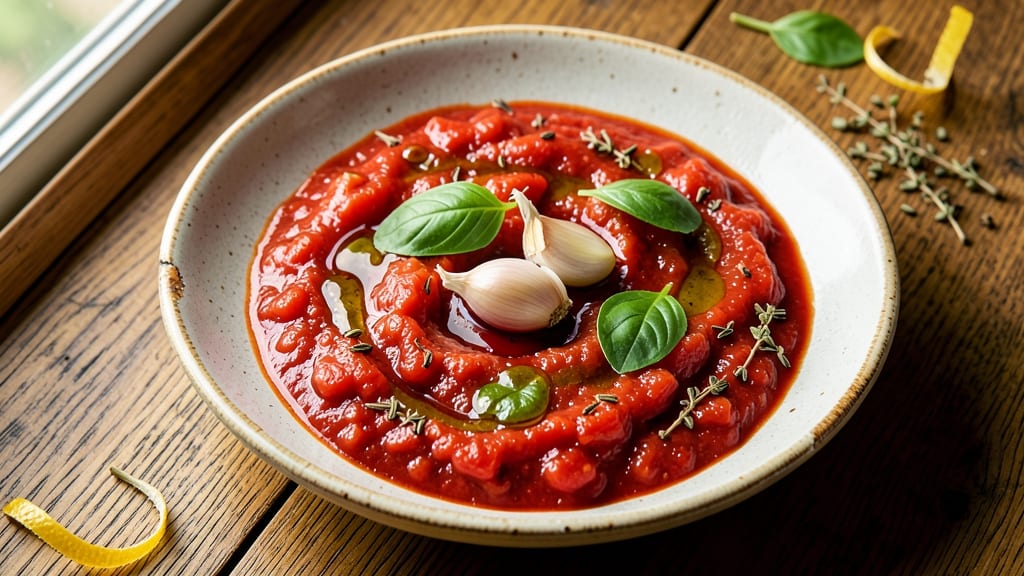
This artisan pizza sauce recipe transforms simple ingredients into a smoky, vibrant base that elevates every pizza—from classic Margherita to bold pepperoni creations.
The secret lies in balancing sweet tomatoes with a touch of vinegar for brightness, while simmering with garlic and herbs unlocks deep, complex flavors that store-bought sauces can't match. I've perfected this over years of testing, ensuring it's versatile enough for both traditional and modern pizza styles without sacrificing authenticity.
What sets this sauce apart is the slow simmering process, which develops a rich, velvety texture and concentrated flavor. You'll start with canned tomatoes (for consistency) but finish with a sauce so flavorful, you'll never reach for the jar again.
The addition of red wine vinegar adds a subtle tang that cuts through the sweetness, while fresh basil and oregano bring freshness that brightens every bite. This sauce isn't just for pizza—it's perfect for drizzling over pasta, bruschetta, or even as a marinade for grilled meats.
The result is a sauce that's smooth yet vibrant, with just the right balance of sweetness and acidity to complement any toppings. It thickens naturally as it cooks, creating that ideal consistency for pizza—neither too thin nor too thick.
Best of all, it keeps well in the refrigerator for up to a week or can be frozen for months, making it the ultimate pantry staple for pizza nights. Whether you're a home cook or a pizza enthusiast, this sauce will become your new go-to for restaurant-quality results at home.
Ready to make your own? The process is simpler than you think, and the flavor reward is worth every minute. Let's get started with a sauce that's as impressive as it is delicious.
Ingredients for artisan pizza sauce
Ten simple ingredients transform into a sauce so vibrant and flavorful, you'll never buy store-bought again.
| Ingredient | Amount | Notes |
|---|---|---|
| Canned San Marzano Tomatoes 🍅 | 28 oz | Crushed by hand for texture |
| Extra-Virgin Olive Oil 🫒 | ½ cup | High quality, fruity variety |
| Red Wine Vinegar 🍷 | 1 tbsp | Adds subtle brightness |
| Garlic Cloves 🧄 | 4 cloves | Freshly minced for aroma |
| Fresh Basil Leaves 🌿 | ½ cup | Packed, stems removed |
| Dried Oregano 🍃 | 1 tsp | Mexican oregano preferred |
| Smoked Paprika 🌶️ | 1 tsp | For subtle smokiness |
| Salt 🧂 | 1 ½ tsp | Diamond Crystal preferred |
| Black Pepper 🌶️ | ½ tsp | Freshly ground preferred |
| Granulated Sugar 🍚 | 1 tsp | Balances acidity |
The San Marzano tomatoes are non-negotiable here—they're sweeter and less acidic than regular canned tomatoes, which is exactly what you want for pizza sauce. Trader Joe's and Whole Foods carry them, or check the Italian section at any major grocery store. If you can only find regular crushed tomatoes, just add an extra pinch of sugar to balance the acidity. The olive oil matters too—skip the cheap stuff. California Extra Virgin or Colavita brands make all the difference. I always grab a big bottle because I use it for everything from dressings to sautéing.
No red wine vinegar? Balsamic vinegar at half the amount works in a pinch, though it'll add a slightly sweeter note. Fresh basil wilt fast, so grab a bunch and use half now, half later for garnish. The smoked paprika is what gives this sauce that authentic, smoky depth—don't skip it! If you can't find smoked, regular paprika plus a pinch of cayenne will mimic it. The sugar might seem odd, but trust me—it rounds out the acidity from the tomatoes and vinegar, making the sauce taste more complex. Think of it like the secret weapon that makes this sauce restaurant-quality.
This sauce tastes even better the next day as the flavors meld. Store it in a clean glass jar with a tight lid—keeps in the fridge for 1 week or frozen for 6 months. I always double the batch because it disappears fast. Freeze portions in ice cube trays for perfect single-use servings—just pop one out whenever you're ready to make pizza. The sauce thickens as it cools, so if it seems too thick after chilling, just stir in a splash of water or tomato juice to loosen it up.
Why You'll Love This Recipe
- No Chopping Needed: I just crush a few garlic cloves, dump in the San Marzano tomatoes with their juices, and let the food processor do the rest—no knife skills required. The vinegar and olive oil blend in while I’m still wiping my hands.
- Umami Bomb: That first taste of the simmered tomatoes, brightened by red wine vinegar and finished with fresh basil? It’s the kind of sauce that makes you pause mid-bite, wondering how something so simple could taste this rich.
- Double-Duty Magic: Use it on pizza night, toss it with grilled chicken for a quick weeknight dinner, or drizzle it over roasted veggies—it’s my go-to for anything needing a punch of flavor. Honestly, I’ve even used it in pasta when I’m lazy.
- Lasts All Week: A single jar of San Marzano tomatoes stretches into four servings, and the sauce keeps in the fridge for days without losing its vibrancy. Between us, I’ve had this same batch on pizza, in omelets, and even as a bruschetta dip—no waste, all flavor.
Step-by-step instructions for artisan pizza sauce
This sauce builds flavor layer by layer—simple ingredients, big impact.
Crush the Tomatoes by Hand
Pour the 28 oz canned San Marzano tomatoes into a large bowl. Using your hands, gently crush the tomatoes against the side of the bowl, breaking them down into chunky pieces—about the size of a nickel. You want some texture to carry through to your pizza, so don't over-blend. The natural sweetness of San Marzano tomatoes will shine through when cooked properly.
Real talk: If you're short on time, you can use a potato masher for this step, but hand-crushing gives you better control over the texture. The chunks will soften during cooking, but they'll still add that authentic rustic quality to your sauce. Set the crushed tomatoes aside—they're ready for the next flavor infusion.
Sauté Garlic in Olive Oil
Heat the 0.5 cup extra-virgin olive oil in a medium saucepan over medium-low heat. Add the 4 cloves freshly minced garlic cloves and sauté for 2-3 minutes until they're golden and fragrant—you'll smell that irresistible aroma filling your kitchen. Be careful not to let them burn; burned garlic tastes bitter and ruins the delicate balance of flavors.
Here's the thing—garlic should never be cooked over high heat. Medium-low is perfect for developing that sweet, nutty flavor without any bitterness. Once the garlic is golden, you'll see it release its oils and become translucent. This is your signal to move to the next step before the garlic turns to garlic confit.
Combine and Simmer the Sauce
Add the crushed tomatoes to the saucepan with the garlic. Stir in the 1 tbsp red wine vinegar, 1 tsp smoked paprika, 1.5 tsp salt, 0.5 tsp black pepper, and 1 tsp granulated sugar. Bring the mixture to a gentle boil over medium heat, then immediately reduce the heat to low and let it simmer uncovered for 20-25 minutes. You want the sauce to reduce by about half—this concentrates the flavors and creates that perfect balance of acidity and sweetness.
Stir occasionally, but don't obsess—just give it a quick mix every 5 minutes or so. You're looking for the sauce to thicken slightly and develop a glossy sheen. The vinegar will brighten the tomatoes, the sugar will balance the acidity, and the smoked paprika will add that subtle depth that makes this sauce truly artisanal.
Finish with Fresh Basil
After 20-25 minutes of simmering, remove the saucepan from heat. Add the 0.5 cup packed fresh basil leaves (stems removed) and stir gently. Let the sauce sit off the heat for 5 minutes—this allows the basil to infuse its fresh, bright flavor without wilting completely. The basil will add a vibrant finish that cuts through the richness of the tomatoes and olive oil.
Here's a pro tip: If you're making this sauce ahead of time, you can actually add the basil later when you're ready to use it. The sauce will keep well in the refrigerator for up to 5 days, and you can always brighten it up with fresh basil just before serving. The basil's aroma alone will make your kitchen smell like an Italian trattoria.
Adjust Consistency and Use
Taste the sauce and adjust the seasoning if needed. You might need a pinch more salt or a splash more vinegar to balance the flavors. If the sauce is too thick for your liking, you can thin it with a little water or pasta water—just 1 tablespoon at a time—until you reach your desired consistency. For a classic pizza sauce, it should be thick enough to coat the back of a spoon but still spreadable.
Now your sauce is ready to use! Spread it generously on your pizza dough before adding toppings—about 2-3 tablespoons per 12-inch pizza. The smoky depth, bright acidity, and fresh basil notes will elevate any pizza you make, from classic Margherita to loaded meat lovers. This sauce isn't just for pizza, though—it's fantastic on bruschetta, as a pasta sauce, or even as a dip for crusty bread.
Pro Tips For Making Artisan Pizza Sauce
- CRUSH THE TOMATOES: Crush the San Marzano tomatoes by hand with your fingers—no blender, no immersion stick. You want chunks, not paste. I learned this the hard way after pureeing a batch and realizing the sauce lacked texture and depth. The natural juice and seeds release flavor when cooked low and slow.
- SWEAT THE GARLIC LOW: Cook the minced garlic in olive oil over the lowest possible heat—barely simmering, not sizzling. If it browns, you’ve lost that sweet, mellow garlic flavor and gained bitterness. I used to rush this, and the sauce always tasted harsh afterward. Patience here makes all the difference.
- ACIDIFY GRADUALLY: Add the red wine vinegar in two batches: half upfront when the tomatoes hit the pot, the rest at the very end. This balances the sweetness without overpowering. I was skeptical until I tried it—now I can’t go back. The first addition brightens the sauce, the second wakes it up right before serving.
- SALT IN LAYERS: Salt the sauce in stages: a pinch when crushing the tomatoes, another when the garlic cooks, and the final adjustment at the end. This ensures even seasoning and lets flavors meld properly. I skip this when I’m lazy, and the sauce always tastes flat or one-dimensional. (Your future self will notice.)
Best sauces and condiments for this recipe
Classic Tomato Sauce
This sauce is the foundation for any pizza, but it works beautifully on its own too. Use it as a simple marinade for grilled chicken or as a dipping sauce for garlic bread.
The balance of sweet tomatoes and bright vinegar makes it incredibly versatile—just add a splash of water if you need a thinner consistency for pasta dishes. 🍅
Garlic-Infused Olive Oil
For an elevated twist, drizzle this sauce with garlic-infused olive oil just before serving. Simmer ¼ cup extra-virgin olive oil with 3 minced garlic cloves for 5 minutes until golden, then strain and drizzle over your pizza or pasta.
The nutty garlic aroma pairs perfectly with the smoky tomato base. I love using this on white pizzas for extra depth.
Spicy Arrabbiata
Transform this sauce into a fiery arrabbiata by adding 1-2 tbsp of crushed red pepper flakes during the simmering step. For extra heat, stir in 1 tbsp of hot honey at the end.
This version is perfect for spicy pepperoni or spicy veggie pizzas—just adjust the heat level to your preference. 🌶️
Herb-Forward Pesto Swirl
Give your pizza a fresh twist by swirling in 1-2 tbsp of basil pesto after the sauce cools. The combination of the smoky tomato base and herby pesto creates a restaurant-quality flavor profile.
I like to use 345 brand pesto for its balanced flavor, but homemade works too. This pairing is especially great for white pizzas with prosciutto and mozzarella.
Smoky Chipotle Twist
For a smoky-sweet kick, stir in ½ tsp of chipotle powder (or 1 finely chopped chipotle pepper in adobo) during the simmering step. This adds a deep, smoky heat that pairs perfectly with chicken or mushroom toppings. The chipotle's natural sweetness complements the vinegar brightness beautifully. 🔥
Creamy Ricotta Swirl
Add a creamy element by stirring in ¼ cup of whole-milk ricotta cheese at the end of cooking. The ricotta blends smoothly into the sauce, creating a luxurious texture that works wonderfully on white pizzas or as a pasta sauce.
For extra richness, top with shaved pecorino Romano before serving. This version feels like a decadent trattoria dish.
Nutrition facts
Frequently asked questions
Can I use regular canned tomatoes instead of San Marzano?
Yes, but you'll need to adjust the balance. Regular canned tomatoes are more acidic, so add an extra ½ tsp of sugar and ½ tsp more salt to compensate. The sauce will still taste great, though it won't have the same natural sweetness as San Marzano. For the best results, stick with the recommended tomatoes—they're worth the small extra cost for that authentic flavor.
How do I prevent the sauce from getting too thick?
If your sauce thickens more than you like, simply stir in 1 tablespoon of water or pasta water at a time until you reach the perfect consistency. The sauce will naturally thicken as it cools, so don't worry if it seems too thin while warm. For pizza, you want a sauce that's spreadable but still coats the back of a spoon—this ensures it doesn't pool under toppings.
Can I make this sauce ahead of time?
This sauce tastes even better after resting. Store it in an airtight container in the fridge for up to 5 days or freeze it for 6 months. The flavors meld beautifully over time, and you can always brighten it up with fresh basil just before using. For freezing, portion it into ice cube trays—just pop out one cube whenever you need a small amount for pizza.
What's the best way to store leftover sauce?
Transfer any leftovers to a clean glass jar with a tight lid. In the fridge, it'll keep for 1 week, though it's best used within 3-4 days for peak flavor. For longer storage, freeze it in portions—this sauce freezes beautifully. When reheating, warm it gently on the stove or microwave until hot, then stir in fresh basil to revive the flavors before using.
Why does my sauce taste too sweet or sour?
If it's too sweet, reduce the sugar next time or add a splash of red wine vinegar (start with ½ tsp). For a sour taste, balance it with a pinch more sugar or a tiny bit of salt. The key is the 1 tbsp vinegar—it's what creates that perfect bright acidity. Taste as you go during cooking, and adjust gradually to avoid overpowering the natural tomato flavor.