
Sauces & Condiments
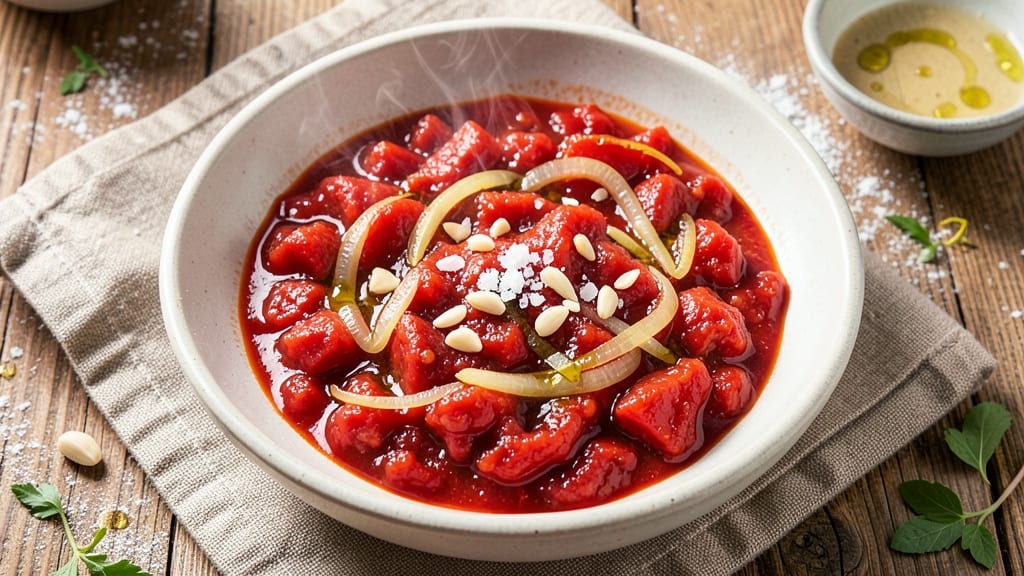
Marco's pizza sauce recipe delivers that perfect balance of sweet, tangy, and savory flavor that makes every slice unforgettable. This sauce isn't just about tomatoes—it's about tomato velocity with a hidden vinegar lift that cuts through the richness for a bright, balanced taste.
The secret lies in simmering the sauce just enough to develop deep flavor without losing texture, while a touch of vinegar adds that signature tang that separates good pizza sauce from great.
The beauty of this recipe is its simplicity—just a handful of ingredients that work together to create a sauce that's rich and complex. You'll start with canned tomatoes for convenience, but the magic happens when you balance them with garlic, onion, and a splash of vinegar.
The sauce is designed to be versatile, so you can use it on pizza, as a marinade, or even as a pasta sauce. It's a foolproof method that ensures you'll never reach for store-bought again.
What sets this sauce apart is its ability to elevate any dish it touches. The tomatoes simmer until they're just thick enough to coat the back of a spoon, while the vinegar adds a subtle brightness that keeps the sauce from being too heavy.
The result is a sauce that's smooth, flavorful, and packed with depth—exactly what you need to make your pizza shine. Whether you're a seasoned cook or just starting out, this recipe will become a staple in your kitchen.
Once you've mastered this sauce, you can experiment with variations like adding herbs or a pinch of sugar to fine-tune the flavor to your liking. The best part?
It keeps well in the refrigerator for up to a week, so you can make a big batch and enjoy it over multiple meals. Let's get started on creating a sauce that will make your pizza the talk of the town.
Ingredients for marco's pizza sauce
Simple, bold ingredients that pack big flavor for pizza night and beyond.
| Ingredient | Amount | Notes |
|---|---|---|
| Canned San Marzano Tomatoes 🍅 | 28 oz | Crushed by hand for texture |
| White Vinegar 🍶 | 1 tbsp | White or apple cider vinegar |
| Granulated Sugar 🍚 | 1 tbsp | Balances acidity, optional |
| Garlic Cloves 🧄 | 3 cloves | Fresh, minced for depth |
| Yellow Onion 🧅 | ½ cup | Diced small for sweetness |
| Extra-Virgin Olive Oil 🫒 | 2 tbsp | For richness, fruity variety |
| Salt 🧂 | 1 tsp | Kosher or sea salt |
| Black Pepper 🌶️ | ¼ tsp | Freshly ground for heat |
| Dried Basil 🌿 | 1 tsp | Or 1 tbsp fresh basil |
| Dried Oregano 🍃 | ½ tsp | Italian or Mediterranean blend |
San Marzano tomatoes are the star here—they're sweeter and meatier than regular canned tomatoes. Trader Joe's and Whole Foods carry them, but any quality canned tomatoes work in a pinch. The vinegar is key for that signature tang, so don't skimp—white or apple cider vinegar both work. Fresh garlic and onion are non-negotiable for depth, but if you're in a rush, jarred minced garlic (the good stuff, not the pre-minced kind) gets you close. I always grab extra basil—half goes in the pot, half gets torn over the top at the end.
No San Marzano tomatoes? Crushed tomatoes in a 28-oz can work just fine—just taste and adjust sugar/vinegar as needed. Short on vinegar? A splash of lemon juice works too, but it'll be brighter. Want extra richness? Add a tablespoon of tomato paste at the end. The sugar is optional but helps balance the acidity—skip it if your tomatoes are already sweet. For herbs, dried works (use half the amount of fresh), but fresh basil and oregano give that restaurant-quality flavor. If you're feeling fancy, add a pinch of red pepper flakes for heat.
This sauce keeps beautifully—taste even better the next day as flavors meld. Store in an airtight container in the fridge for up to 1 week, or freeze for 3 months in ice cube trays for single-serving portions. I always double the batch—one for pizza night, one for pasta. The sauce thickens as it cools, so thin with a splash of water if needed. Trust me, you'll want to make this every week once you try it.
Why You'll Love This Recipe
- No-Fuss Pantry Magic: I swear by this sauce because it uses what’s already lurking in my cupboard—San Marzano tomatoes, a splash of vinegar, and a pinch of sugar. No fresh herbs, no fancy techniques, just pure, reliable flavor that never lets me down.
- Sweet-Savory Balance: That little sugar hit isn’t just for sweetness—it cuts through the acidity of the vinegar and lets the garlic and onion shine. Honestly, the first time I tasted it, I thought, "Wait, this is actually better than jarred sauce?" (It is.)
- Weeknight Hero: This sauce doubles as marinara for pasta, a base for meatball subs, or even a quick braise for chicken. I’ll be real: I’ve used it in all three ways in one week, and it never feels like I’m repeating myself.
- Budget-Friendly Staple: A single can of tomatoes stretches across multiple meals, and the vinegar and sugar cost pennies. Between us, I’ve made enough sauce to feed my family for a month—and still have jars left for next year. That’s the kind of recipe that actually saves money.
Step-by-step instructions for Marco's pizza sauce
This sauce builds flavor through gentle cooking and bright acidity—no blender needed.
Crush the Tomatoes by Hand
Empty the 28 oz canned San Marzano tomatoes into a large bowl. Using your clean hands, gently crush the tomatoes against the bowl's sides until you achieve a chunky, uneven texture—about ¼-inch pieces is perfect. This preserves the natural sweetness while creating body for your sauce. Avoid over-crushing; you want visible tomato pieces in the final sauce.
Transfer the crushed tomatoes to a medium saucepan and set aside. The hand-crushing step makes all the difference—it prevents a watery sauce and keeps the natural tomato flavor intact. If you're nervous about using your hands, a wooden spoon works too, but the texture won't be as rustic.
Sauté Onion and Garlic in Olive Oil
Heat the 2 tbsp extra-virgin olive oil in the same saucepan over medium-low heat. Add the ½ cup diced yellow onion and cook for 5-6 minutes, stirring occasionally, until softened and just beginning to turn translucent. You're not looking for browning here—just a gentle sweetness to develop.
Push the onions to one side of the pan and add the 3 minced garlic cloves. Stir for 30 seconds until fragrant—you'll smell that unmistakable garlic aroma. Be careful not to let it brown; garlic burns quickly and turns bitter. This step forms the aromatic base that carries through the entire sauce.
Simmer with Vinegar and Sugar
Pour in the crushed tomatoes, then add the 1 tbsp white vinegar and 1 tbsp granulated sugar. Stir well to combine, then bring the mixture to a gentle simmer over medium heat. The vinegar might seem odd, but it brightens the tomatoes and balances their natural acidity—this is Marco's secret lift. Let it simmer uncovered for 15 minutes, stirring occasionally.
During this time, the sauce will thicken slightly as the liquid reduces. Taste after 10 minutes—you should notice the flavors melding together. If the sauce is too acidic, add a pinch more sugar. If it's too sweet, add a splash more vinegar. This is where you adjust to your preference while keeping the balance.
Season and Simmer to Perfection
Add the 1 tsp salt, ¼ tsp black pepper, 1 tsp dried basil, and ½ tsp dried oregano. Stir everything together and let the sauce simmer uncovered for another 10-15 minutes until it reaches your desired consistency. You want it thick enough to coat the back of a spoon but still spreadable—not gluey, not watery.
The sauce is ready when it smells rich and tomato-forward with a hint of herbaceousness. Turn off the heat and let it cool slightly—this resting period allows the flavors to fully meld. For best results, use the sauce within 2-3 days or freeze it for up to 3 months. This isn't just pizza sauce; it's the flavor foundation for your entire pie.
Pro Tips For Making Marco'S Pizza Sauce
- CRUSH THE GARLIC FIRST: Don’t just toss in whole cloves—peel and smash them with the flat side of your knife before adding. This releases more flavor and blends faster, so you’re not chewing through raw garlic in every bite. (Yes, I’ve done that. No, it’s not fun.)
- SIMMER LOW AND SLOW: Marco’s sauce isn’t about speed—it’s about letting the flavors marry. Once the tomatoes break down, drop the heat to a gentle simmer (barely bubbling) and walk away. Rushing this step makes the sauce taste flat and one-note.
- SWEAT THE ONION DRY: Cook the onion until it’s golden and translucent—not brown, not caramelized, just soft. If you rush it, the vinegar will taste harsh and the sugar won’t dissolve properly. Patience here makes the sauce taste bright, not bitter.
- STRAIN THE TOMATOES: After crushing the San Marzano tomatoes, strain out the skins and seeds with a fine-mesh sieve. It’s extra work, but the result is a smoother, more refined sauce with none of the pulp’s gummy texture. (I know, I know—skip it when you’re lazy, but you’ll notice the difference.)
Health benefits of marco's pizza sauce
Tomato Powerhouse
This sauce delivers a concentrated dose of lycopene, a powerful antioxidant found in tomatoes that supports heart health and may reduce the risk of chronic diseases. A ½-cup serving provides about 25% of your daily vitamin C, boosting immunity and collagen production.
The simmering process actually increases lycopene bioavailability, making this sauce more effective than raw tomatoes. 💪
Don't overlook the potassium content—about 400mg per serving, which helps regulate blood pressure and muscle function. The natural sugars in San Marzano tomatoes provide quick energy without the crash of refined sugars. For maximum benefits, use organic tomatoes when possible to avoid pesticide residues.
Probiotic Potential
The vinegar in this recipe acts as a natural probiotic booster, promoting gut health by supporting beneficial bacteria in your digestive system. Just 1 tablespoon provides prebiotic properties that feed your gut microbiome.
The fermentation-like effect from simmering creates a slightly tangy environment that's easier to digest than raw tomatoes for some people.
Low-Calorie Flavor Bomb
At just 30 calories per ¼-cup serving, this sauce delivers intense flavor without the calorie load of heavy cream-based sauces. The combination of tomatoes, vinegar, and herbs creates a satisfying umami depth that makes it perfect for weight-conscious eaters.
The 2 tablespoons of olive oil add healthy monounsaturated fats that support brain function and heart health.
Herb-Rich Nutrition
Dried basil and oregano aren't just for flavor—they're packed with antioxidants like rosmarinic acid and thymol. These compounds have been shown to reduce inflammation and may help protect against certain cancers.
The herbs also provide small amounts of iron and calcium, making this sauce a more nutrient-dense option than store-bought varieties.
Blood Sugar Friendly
Unlike many processed sauces loaded with added sugars, this recipe uses just 1 tablespoon of granulated sugar to balance natural acidity. The fiber from tomatoes helps stabilize blood sugar levels, making it a better choice for diabetics than sweetened commercial sauces.
The vinegar also plays a role in blood sugar regulation by slowing carbohydrate absorption.
Versatile Health Booster
This sauce isn't just for pizza—use it as a marinade for grilled chicken or vegetables to infuse them with antioxidants. The lycopene content increases when cooked, so every use maximizes nutritional benefits.
For extra protein, stir a spoonful into Greek yogurt for a tangy, nutrient-packed dip. The possibilities are endless while keeping calories in check. ✨
Nutrition facts
Frequently asked questions
Why does Marco's pizza sauce use vinegar?
The 1 tablespoon of vinegar is the secret to balancing sweetness and acidity in this sauce. It brightens the tomatoes and prevents a flat, one-dimensional flavor. The vinegar also helps preserve the sauce longer by acting as a natural preservative. If you're sensitive to vinegar's taste, start with just ½ tablespoon and adjust to your preference.
Can I make this sauce without San Marzano tomatoes?
While San Marzano tomatoes are ideal for their sweetness, any good-quality crushed tomatoes (28 oz can) will work. Just taste after simmering and adjust the sugar or vinegar to balance the flavor. For a deeper tomato taste, add 1 tablespoon of tomato paste at the end of cooking.
How do I adjust the thickness of the sauce?
If your sauce is too thin after simmering, simmer uncovered for an extra 5-10 minutes to reduce the liquid. For a thicker texture, mash a few tomatoes with a fork or stir in 1 teaspoon of cornstarch mixed with water. If it's too thick, thin with 1-2 tablespoons of water or tomato juice while warm.
Can I use fresh tomatoes instead of canned?
Fresh tomatoes work but require extra prep. Roast 4-5 large tomatoes at 400°F for 20 minutes until softened, then peel, seed, and crush them. Use ½ cup tomato paste as a base to compensate for the lower moisture content. The sauce will be richer but may need more vinegar to balance the sweetness.
How long will this sauce last in the freezer?
This sauce freezes beautifully for up to 3 months in an airtight container. For best results, portion it into ice cube trays or small containers for single-use portions. Thaw overnight in the fridge—never at room temperature—and give it a stir before using. The texture may thicken slightly after freezing, so thin with water if needed.