
Sauces & Condiments
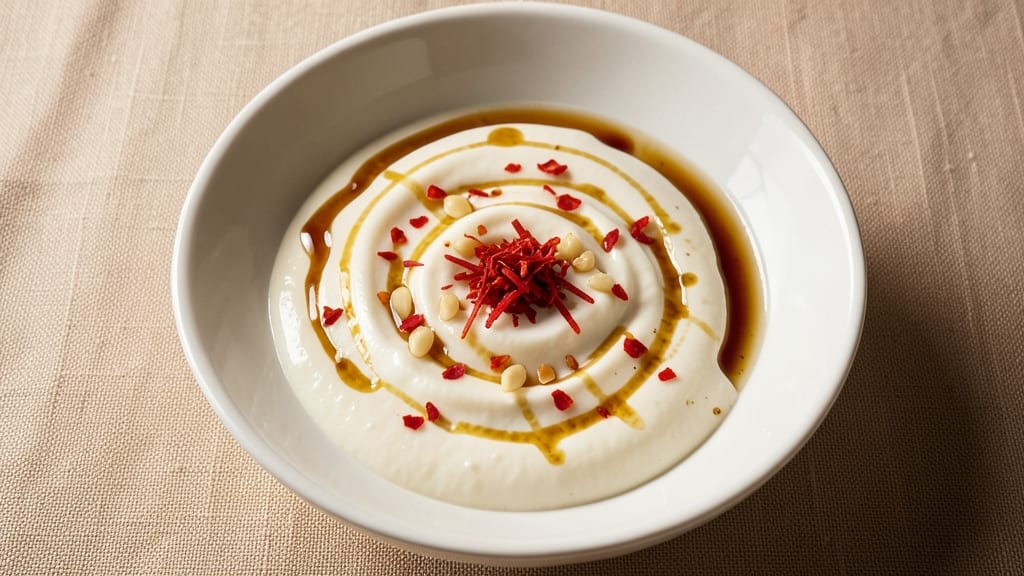
This Asian aioli sauce recipe transforms classic garlic aioli into a bold, creamy fusion with chili heat and tangy vinegar notes. The secret lies in balancing traditional emulsification with Asian-inspired flavors—think sesame oil, soy, and a hint of lime—that elevate it beyond ordinary dips.
I developed this after craving something smoother than store-bought sauces but with the complex layers of Asian cuisine.
The magic happens when you whisk egg yolks (or vegan mayo) with garlic, then slowly incorporate warm oil while maintaining a steady stream of rice vinegar. This technique creates a velvety texture that clings beautifully to noodles, grilled meats, or crispy fries.
The chili flakes add heat without overpowering, while toasted sesame seeds bring nutty depth to every spoonful.
What you’ll end up with is a sauce that’s creamy yet bright, with a perfect harmony of garlic, umami, and subtle tang. It’s versatile enough to use as a dipping sauce for spring rolls, a sandwich spread, or even a noodle dressing—all while keeping prep simple.
The emulsification process ensures it stays smooth, even after refrigeration.
Once mastered, this sauce becomes a pantry staple that transforms ordinary meals into restaurant-quality dishes. Ready to make it? Here’s everything you need to create this flavor-packed fusion sauce at home.
Ingredients for asian aioli sauce
Eight simple ingredients blend to create a velvety sauce with Asian-inspired zing.
| Ingredient | Amount | Notes |
|---|---|---|
| Large Egg Yolks 🥚 | 3 whole | Freshly separated from eggs |
| Extra-Virgin Olive Oil 🫒 | 1 cup | Light and fruity variety |
| Garlic Cloves 🧄 | 4 cloves | Freshly minced for bold flavor |
| Rice Vinegar 🍶 | 2 tbsp | Unseasoned for subtle tang |
| Toasted Sesame Oil 🫒 | 1 tbsp | For nutty depth (not cooking oil) |
| Red Chili Flakes 🌶️ | 1 tsp | Adjust for preferred heat |
| Low-Sodium Soy Sauce 🥢 | 1 tbsp | For umami richness |
| Toasted Sesame Seeds 🌾 | 1 tbsp | For garnish and texture |
| Fresh Lime Juice 🍋 | 1 tbsp | Brightens the sauce |
| Diamond Crystal Kosher Salt 🧂 | ½ tsp | Adjust to taste |
The egg yolks are the backbone here—use room-temperature yolks for a smoother emulsion. Freshly minced garlic (not jarred) makes all the difference. I grab mine from the fresh produce section at Whole Foods or Trader Joe's—they keep better and have more punch. The rice vinegar should be unseasoned; Koyo brand is my go-to for that clean, bright tang. Toast your sesame seeds in a dry pan for 30 seconds—they’ll add nutty crunch to every bite. For the olive oil, California Avocado Ranch or Bertolli work perfectly—they’re light enough to not overpower the delicate flavors.
No egg yolks? Vegan mayo works just as well—just use the same amount. Skip the rice vinegar? Substitute apple cider vinegar or lemon juice, but you’ll lose that subtle sweetness. The sesame oil is non-negotiable—it’s what gives the sauce its signature depth. No toasted sesame seeds? Ground sesame paste (available at Asian markets) works in a pinch. For heat, gochujang paste can replace chili flakes if you want a deeper, fermented kick. And if you’re out of soy sauce, coconut aminos keep it gluten-free while adding umami.
This sauce keeps beautifully—1 week in the fridge sealed in a jar with a thin layer of oil on top to preserve freshness. For longer storage, freeze in 1-tbsp portions in ice cube trays. Thaw overnight in the fridge and give it a whisk before using. The flavor actually improves after 24 hours as the ingredients meld together. If it thickens in the fridge, just whisk in a splash of warm water or rice vinegar to loosen it up. Trust me, it’s worth making a double batch—this sauce disappears fast!
Why You'll Love This Recipe
- Just Five Ingredients: I swear, this sauce is one of those "how did I live without it?" moments. You’re basically blending yolks, olive oil, garlic, vinegar, and sesame oil—no fancy gadgets, no stress. The trick is slow drizzling that oil, but even if you rush, it still comes out smooth.
- Umami Bomb: That first taste? Rich, garlicky, with a bright tang from the rice vinegar and a nutty finish from toasted sesame oil. It’s the kind of sauce that makes you pause mid-bite—like a little flavor explosion in your mouth.
- Dip Everything: Between us, I’ve used this on fries, grilled chicken, even as a marinade. It’s the ultimate crowd-pleaser—great for game day, lazy weeknights, or when you’ve got friends over and want to impress without slaving away.
- Leftovers That Last: Make a double batch and store it in the fridge for up to a week. It doesn’t separate, doesn’t go bad, and honestly? I’ve had it last even longer because it’s so good I keep forgetting I already made it.
Step-by-step instructions for Asian aioli sauce
This creamy fusion sauce comes together in minutes with simple techniques that guarantee smooth perfection.
Whisk Egg Yolks and Vinegar for Emulsion Base
In a heatproof bowl, whisk together the 3 whole large egg yolks and 2 tablespoons rice vinegar until fully combined. The vinegar might look like it's separating, but don't worry—this is normal. Place the bowl over a pot of barely simmering water (about 2 inches below the bowl's base) and continue whisking constantly for 3-4 minutes.
You'll know it's ready when the mixture thickens into a pale, creamy ribbon that holds its shape for a few seconds. This gentle heat method prevents scrambling while creating the perfect emulsion base. Remove the bowl from heat immediately—overcooking will turn the yolks grainy. Let it cool slightly before proceeding.
Gradually Incorporate Olive Oil for Creamy Texture
With the bowl still warm, slowly drizzle in the 1 cup extra-virgin olive oil while whisking vigorously. Start with just 2 tablespoons at a time, whisking constantly until each addition is fully incorporated before adding more. This gradual approach prevents the sauce from breaking.
After about 5 minutes, the mixture should thicken into a smooth, creamy aioli. If it starts to look curdled, add 1 teaspoon of hot water and whisk until smooth again. The sauce should now resemble thick mayonnaise with a slightly translucent sheen. This is where the magic happens—patience ensures that creamy texture we're after.
Infuse with Aromatics and Seasonings
Add the 4 cloves minced garlic, 1 teaspoon red chili flakes, 1 tablespoon low-sodium soy sauce, and 0.5 teaspoon diamond crystal kosher salt to the aioli. Whisk everything together until the garlic is completely dispersed and the chili flakes are evenly distributed. The sauce should now have a vibrant red hue from the chili and a rich, aromatic scent.
Here's the thing—don't be tempted to rush this step. Let the flavors meld for 2-3 minutes of continuous whisking. The garlic should be fully incorporated without any visible flecks, and the chili should be evenly distributed throughout the sauce. This ensures balanced flavor in every bite.
Finish with Toasted Sesame Oil and Lime
Remove the bowl from heat and let it cool for 1 minute. Then stir in the 1 tablespoon toasted sesame oil and 1 tablespoon fresh lime juice. The sesame oil adds that nutty depth we love in Asian flavors, while the lime brightens everything up. Give it one final whisk to combine completely.
Taste and adjust seasoning if needed. You might want to add a pinch more salt or a splash more lime juice to balance the flavors. The sauce should be creamy, slightly spicy, tangy, and umami-rich with a bright finish. For extra texture, sprinkle in the 1 tablespoon toasted sesame seeds just before serving.
Chill and Serve for Perfect Consistency
Transfer the aioli to a clean jar or container and refrigerate for at least 30 minutes before serving. This chilling step firms up the sauce slightly, making it easier to spread or drizzle. The flavors will also deepen as they meld together in the fridge.
When ready to serve, give it one final whisk to restore its creamy texture. This sauce pairs beautifully with spring rolls, grilled meats, or fresh vegetables. The creamy garlic-chili fusion with that hidden vinegar zing makes it irresistible—just don't blame me if you want to eat it straight from the jar!
Pro Tips For Making Asian Aioli Sauce
- Temper the yolks: Whisk the egg yolks with a splash of rice vinegar first—about 1 tablespoon—before adding the olive oil. This keeps the emulsion stable and prevents the sauce from breaking when you add garlic later. I learned this the hard way after watching a batch curdle mid-stir.
- Mince garlic finely: Use a microplane or knife to mince the garlic cloves into a paste, not just tiny chunks. Finely textured garlic blends smoother into the sauce and won’t leave grainy bits. (Yes, even if you’re impatient like me.)
- Warm the oil slowly: Heat the olive oil over low heat—just enough to make tiny bubbles at the edges—before whisking it into the yolks. Too much heat and the sauce will scramble. Sounds counterintuitive, but it’s the thing that matters most for a silky texture.
- Add sesame oil last: Stir in the toasted sesame oil at the very end, just before serving. Its bold flavor overpowers if mixed in too early, and you’ll end up with a sauce that tastes like it’s been sitting too long. (Your future self will thank you.)
Wine and beer pairings for asian aioli sauce
Asian-Inspired Wine Pairings
For this creamy, umami-rich aioli, I reach for dry Riesling—its crisp acidity cuts through the richness while complementing the garlic and sesame notes. A German Riesling like Dr. Loosen Blue Slate offers mineral brightness that mirrors the sauce's tangy vinegar base.
If you prefer red, a Pinot Noir from Oregon (like Domaine Serene) provides enough fruitiness to balance the heat without overpowering the delicate flavors. 🍷
Japanese Craft Beer
Japanese Sapporo Premium Beer (a crisp, clean lager) is my go-to for this sauce—its subtle malt sweetness enhances the sesame and soy without clashing. For something bolder, try a Hazy IPA from Cloudwater Brewing in California; the tropical notes play beautifully with the lime and chili.
Just avoid heavy stouts or dark ales that would drown out the sauce's brightness.
Thai-Inspired Cocktail Twist
Blend this aioli into a Thai basil margarita by mixing 2 oz reposado tequila, 1 oz lime juice, ½ oz aioli sauce, and a splash of soda water.
Muddle fresh Thai basil leaves before shaking—this turns your aioli into a cocktail base with layers of garlic, chili, and umami. Garnish with a lime wheel and toasted sesame seeds for visual flair. 🍹
Vodka Martini Upgrade
Stir 1 tbsp aioli into a classic vodka martini (3 oz vodka, ½ oz dry vermouth) for a creamy, spicy twist. The garlic and sesame add depth while the chili flakes bring subtle heat.
Use Grey Goose or Belvedere for a smooth vodka that won’t compete with the sauce’s complexity. Serve with a chili salt rim for extra drama.
Non-Alcoholic Pairings
For a refreshing non-alcoholic match, try sparkling yuzu soda (like San Pellegrino Aranciata Rossa)—the citrus notes echo the lime in the aioli while the bubbles cleanse your palate. Alternatively, jasmine iced tea with a splash of rice vinegar creates a harmonious balance with the sauce’s umami and tang.
Both options highlight the sauce’s vibrant flavors without overpowering them. 💧
Nutrition facts
Frequently asked questions
Can I make this Asian aioli without eggs?
Yes! Simply replace the 3 egg yolks with 3 tablespoons vegan mayo or 1/4 cup neutral oil-based mayo. The emulsion technique remains the same—just whisk the mayo with the rice vinegar first, then gradually add the olive oil. The texture will be just as creamy, though slightly lighter.
How do I fix broken aioli?
If your sauce separates, don't panic! Whisk in 1 teaspoon of hot water or 1 tablespoon of warm oil while whisking vigorously. For a stronger fix, add 1/2 teaspoon of Dijon mustard (it acts as an emulsifier). If the flavor seems off after fixing, balance it with a splash of rice vinegar or lime juice.
What's the best way to use leftover aioli?
This versatile sauce works as a dipping sauce for spring rolls, spread for sandwiches, or dressing for noodles. Try it on grilled chicken, fish tacos, or even as a marinade base (thin with a little soy sauce). For extra flavor, stir in 1 teaspoon of miso paste or 1/2 teaspoon of grated ginger before using.
Can I make this spicier or milder?
Adjust the heat by adding 1/4 to 1 teaspoon more chili flakes for extra spice, or reduce to 1/2 teaspoon for milder flavor. For deeper heat, swap chili flakes with 1 teaspoon gochujang paste or 1/2 teaspoon sriracha. Always taste before serving—you can't overdo the heat, but you can't fix bland sauce!
How long does this sauce keep?
Store in an airtight container in the fridge for up to 1 week. For longer storage, freeze in 1-tablespoon portions (use ice cube trays). Thaw overnight in the fridge and whisk to restore creaminess. The flavor actually improves after 24 hours as ingredients meld.