
Sauces & Condiments
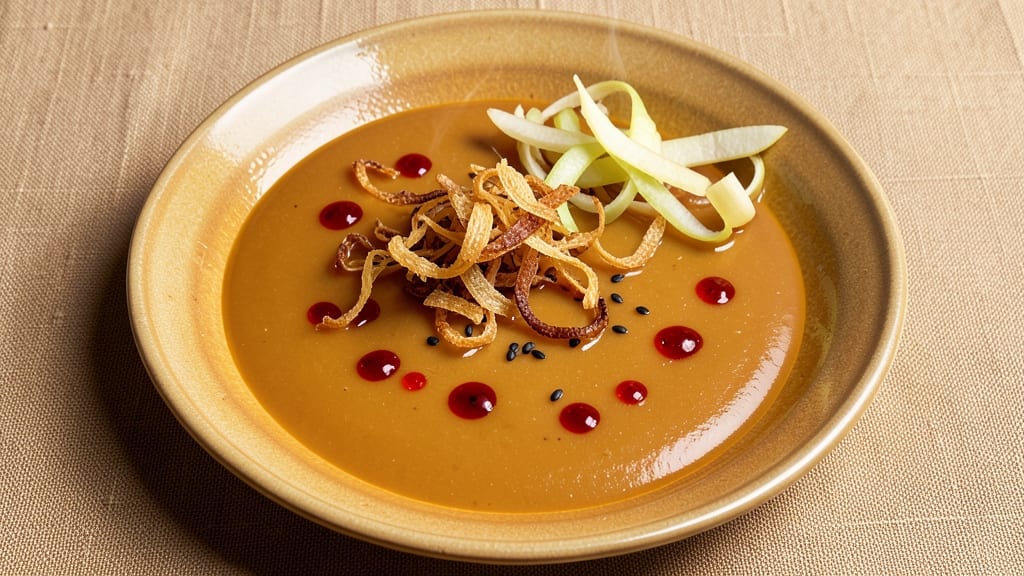
This Asian ginger sauce recipe transforms simple pantry staples into a versatile umami-packed sauce that elevates stir-fries, marinades, and dips. The secret lies in balancing fresh ginger, garlic, and soy sauce for a harmony of spicy, sweet, and savory notes that cling perfectly to noodles or meats.
I developed this recipe after years of testing—it's the one sauce I always keep on hand for quick weeknight meals.
The process is straightforward: simmer aromatic ingredients until fragrant, then blend with a touch of honey for depth. Unlike store-bought versions, this sauce delivers authentic flavor without artificial additives, and it keeps well in the fridge for up to two weeks.
The ginger's natural heat mellows slightly as it cooks, creating a smooth, complex base that works equally well as a stir-fry sauce or dipping companion.
What makes this sauce truly special is its adaptability—toss it with rice noodles for instant pad thai, use it as a marinade for grilled chicken, or serve it alongside spring rolls.
The texture is silky yet clings beautifully, ensuring every bite delivers that bright, zesty punch. Once you try this homemade version, you'll never reach for the store-bought jar again.
Ready in just 15 minutes, this sauce requires minimal effort but maximum impact. The blend of garlic, ginger, and vinegar creates a flavor profile that's both familiar and exciting, perfect for home cooks who want restaurant-quality results without the complexity. Let's get started—your taste buds will thank you.
Ingredients for asian ginger sauce
Pantry staples meet zesty freshness for this umami-packed sauce you'll reach for constantly.
| Ingredient | Amount | Notes |
|---|---|---|
| Fresh Ginger Root 🧄 | ½ cup | Finely grated, skin removed |
| Garlic Cloves 🧄 | 6 cloves | Peeled and smashed |
| Low-Sodium Soy Sauce 🥢 | ½ cup | Kikkoman preferred |
| Rice Vinegar 🍶 | ¼ cup | Seasoned preferred |
| Honey 🍯 | 2 tbsp | Wildflower for depth |
| Sesame Oil 🫒 | 1 tbsp | Toasted for aroma |
| Vegetable Oil 🫒 | 1 tbsp | For simmering |
| Red Chili Flakes 🌶️ | 1 tsp | Adjust for heat |
| Sesame Seeds 🌾 | 1 tsp | Toasted for garnish |
| Fresh Lime Juice 🍋 | 1 tbsp | Brightens flavors |
Ginger is the flavor anchor here—look for firm, knobby roots with no soft spots. Whole Foods or Asian markets have the freshest, but your grocery store's produce section works too. Smash the garlic cloves with the side of your knife for maximum flavor release. The soy sauce should be low-sodium to avoid overpowering the delicate balance. I always grab Kikkoman for its clean, reliable taste. For sesame oil, Kadoya or La Choy are my go-tos—they've got that perfect toasted aroma without being overpowering.
No fresh ginger? Powdered ginger at half the amount works in a pinch, though it lacks that bright zing. Substitute rice vinegar with apple cider vinegar if needed, but the sauce will have a slightly different tang. Honey can be swapped for maple syrup or agave, though honey's floral notes are ideal. For extra depth, add a splash of fish sauce (about 1 tsp), but keep it optional for vegetarian versions. The chili flakes can be omitted entirely if you prefer no heat, or increase to 1.5 tsp for a spicier kick. Toast your sesame seeds in a dry pan for 30 seconds—they'll add amazing crunch to any dish they top.
This sauce keeps beautifully in an airtight jar in the fridge for 2 weeks. The flavors actually meld and deepen over time, so it tastes even better after a day or two. For longer storage, freeze portions in ice cube trays—thaw and use as needed. I always make double batches because it disappears so fast. The sauce thickens slightly when chilled, so give it a quick whisk before using. Garnish with toasted sesame seeds right before serving for that restaurant-quality touch—trust me, it makes all the difference.
Why You'll Love This Recipe
- Pantry Staple Magic: I swear by this sauce because it uses things I already have—no special shopping needed. That jar of rice vinegar gathering dust? The ginger root lurking in the back of the fridge? Boom, instant flavor without extra trips to the store.
- Ginger-Garlic Kick: The moment that fresh ginger and garlic hit the pan, my kitchen smells like a little slice of Asia. It’s bright, zesty, and just sweet enough to balance the heat—no bitterness, just pure, addictive punch.
- Dress-Up Everything: This sauce turns boring meals into stars. Drizzle it over grilled chicken, toss it with noodles, or even slather it on a sandwich. Honestly, I’ve used it for breakfast, lunch, and dinner—no judgment here.
- Makes Leftovers Taste Fresh: The best part? It keeps like a dream. Store it in the fridge for up to a week, and the flavors only deepen. I’ve saved half a batch for my next meal prep and never regretted it—just stir and serve.
Step-by-step instructions for Asian ginger sauce
This vibrant sauce comes together in minutes with simple techniques and bold flavors.
Prepare the Ginger and Garlic Base
Peel the 0.5 cup fresh ginger root and use a fine grater or microplane to create a smooth paste—no fibrous bits should remain. I like to press the grated ginger through a fine-mesh sieve to ensure an ultra-smooth texture that won't clump in the sauce. In a small bowl, gently smash the 6 cloves garlic with the flat side of a knife until you see pasty white centers but no liquid released.
The reason for this gentle approach is to release the garlic's aromatic oils without turning it into a paste. You'll notice the kitchen immediately smells like a bustling Asian street market—this is your first flavor checkpoint. Set both aside for now; we'll cook them together next.
Simmer the Foundation
Heat the 1 tablespoon vegetable oil in a small saucepan over medium-low heat. Add the ginger and smashed garlic, stirring constantly for 2-3 minutes until the mixture becomes fragrant and the edges just begin to turn golden. Be patient here—rushing causes the garlic to burn before the ginger softens properly.
Once fragrant, pour in the 0.5 cup low-sodium soy sauce and 0.25 cup rice vinegar. Bring to a gentle simmer, then immediately reduce heat to low. Let it bubble softly for 5 minutes, stirring occasionally. You'll see the sauce reduce slightly and deepen in color—this is when the umami flavors start developing.
Sweeten and Finish
Add the 2 tablespoons honey and 1 tablespoon sesame oil to the simmering sauce. Stir well to incorporate, then continue cooking for another 3-4 minutes until the mixture thickens slightly. The sauce should coat the back of a spoon but still flow smoothly—this is the perfect consistency for dipping or stir-fry tossing.
Here's where it gets good: Remove the pan from heat and stir in the 1 teaspoon red chili flakes and 1 tablespoon fresh lime juice. The chili adds heat while the lime brightens everything. Taste and adjust—you might want to add a pinch more salt if using regular soy sauce, or a splash more vinegar for tang.
Toast and Garnish
While the sauce rests, dry-toast the 1 teaspoon sesame seeds in a small dry skillet over medium heat for 1-2 minutes, shaking the pan constantly until they turn golden and smell nutty. Transfer immediately to a small plate to cool.
Pour the finished sauce through a fine-mesh strainer into a clean bowl to remove any lingering garlic bits. Sprinkle the toasted sesame seeds on top just before serving. The seeds add crunch and visual appeal, while the sauce's aroma will make your kitchen smell like an authentic Asian bistro. Store any leftovers in an airtight container in the fridge for up to 1 week—it only gets better with time.
Pro Tips For Making Asian Ginger Sauce
- PEEL GINGER FAST: Use a spoon’s back to scrape off the skin in one smooth motion—no peeler required. I learned this the hard way after struggling with a mandoline and ending up with slivers of ginger in my sauce. A sharp knife works, but this method is cleaner and faster, especially when you’re already mincing.
- LOW-HEAT SIMMER: Keep the sauce at a gentle bubble, not a rolling boil. After burning three batches of garlic, I finally realized the heat turns it bitter. A low simmer—just enough to see tiny ripples—lets the flavors meld without scorching. (Yes, even if you’re impatient like me.)
- SALT THE GARLIC: Toss minced garlic in a pinch of salt before cooking—it softens faster and prevents sticking. I was skeptical until I tried it: the sauce develops a deeper, nuttier flavor, and the garlic doesn’t clump into a paste. (Your future self will thank you.)
- VINEGAR FIRST: Add rice vinegar at the end, off the heat, to preserve its bright acidity. I used to mix it in early, and the sauce always tasted dull. A splash at the last second keeps that tang sharp—like the difference between fresh and wilted herbs. (Does it look weird? Yes. Does it work? Every single time.)
Troubleshooting this recipe
Overcooked Sauce Fix
If your sauce reduces too much and becomes thick or syrupy, immediately whisk in 1-2 tablespoons warm water or rice vinegar until you reach the desired consistency. I've found that adding ½ teaspoon cornstarch mixed with 1 tablespoon water works like magic for restoring body without altering flavor.
Stir continuously over low heat for 1-2 minutes until it thickens slightly again. 🌡️
Underwhelming Flavor
Did your sauce lack depth? Boost umami by adding 1 teaspoon fish sauce (if using) or ½ teaspoon MSG—these enhance savory notes without overpowering. For brightness, squeeze in an extra ½ tablespoon lime juice or add ¼ teaspoon white pepper for warmth.
If it tastes flat, simmer for an additional 3-4 minutes to concentrate flavors further.
Grainy Texture Issues
If your sauce has visible garlic or ginger chunks, strain it through a fine-mesh sieve or cheesecloth for a silky finish. For extra smoothness, blend the strained sauce briefly with an immersion blender.
If you prefer texture, simply press the mixture through a garlic press before cooking to break down fibers evenly.
Too Salty?
Balance excessive saltiness by adding 1-2 teaspoons honey or maple syrup to sweeten, or a splash of lime juice to brighten. For a more dramatic fix, thin with 1 tablespoon warm water and reheat gently.
If using low-sodium soy sauce, this rarely happens—but if it does, a pinch of sugar or extra vinegar saves the day. 💡
Not Spicy Enough
Increase heat by adding ½ teaspoon extra red chili flakes or a dash of Sriracha (about ½ teaspoon). For smoky depth, stir in ¼ teaspoon smoked paprika or a pinch of ground Sichuan peppercorn.
If you want lingering spice, simmer the chili flakes in the sauce for 1 extra minute to infuse flavor.
Storage Gone Wrong
If your sauce develops mold after refrigeration, discard it immediately—ginger-based sauces can spoil faster than expected. To prevent this, always store in an airtight glass jar and keep the surface covered with a thin layer of oil (about ½ teaspoon sesame oil) to block air exposure.
Freeze portions in ice cube trays for up to 3 months—thaw and use as needed. 🧊
Nutrition facts
Frequently asked questions
Can I make this ginger sauce without fresh ginger?
Yes! Use 1 teaspoon ground ginger instead of fresh, but reduce the amount by half since ground ginger is more concentrated. For best results, toast the ground ginger in a dry pan for 30 seconds to deepen its flavor before adding to the sauce. The texture will be slightly different but still delicious.
How spicy will this sauce be with red chili flakes?
The 1 teaspoon red chili flakes adds mild heat—think subtle warmth rather than fiery spice. For a milder version, omit them entirely, or reduce to ½ teaspoon. If you love heat, increase to 1.5 teaspoons and simmer for 1 extra minute to intensify the flavor.
What are the best dishes to use this sauce with?
This sauce shines as a dipping sauce for spring rolls or dumplings, a stir-fry glaze for noodles or veggies, or a marinade for grilled chicken or tofu. It also works as a drizzle over ramen or pho broth for extra zing. The bright, tangy profile makes it perfect for balancing rich, fatty dishes.
Can I substitute honey with another sweetener?
Swap honey for maple syrup or agave nectar (use the same amount). For a lower-glycemic option, try monk fruit sweetener (reduce to 1 tablespoon since it's concentrated). Each will slightly alter the sauce's depth—honey adds floral notes, while maple offers caramel undertones.
Why does my sauce turn cloudy when refrigerated?
This is normal! The natural oils in ginger and sesame seeds separate when chilled. Before using, whisk the sauce vigorously or gently warm it for 10-15 seconds in the microwave. The cloudiness disappears and the flavors meld beautifully—this actually indicates a fresh, high-quality sauce.