
Sauces & Condiments
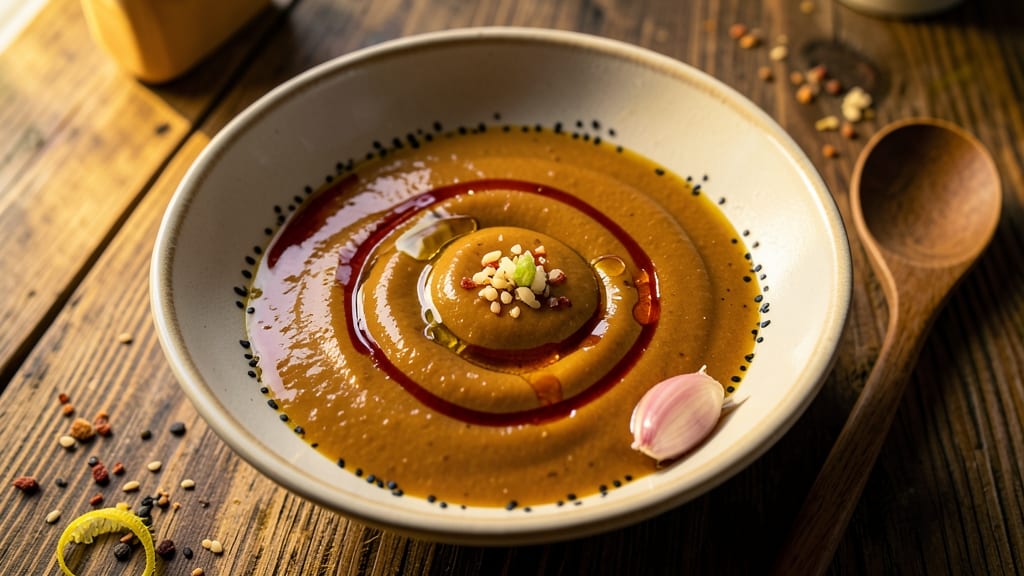
This Asian mustard dipping sauce delivers the perfect harmony of tangy, spicy, and sweet—ideal for spring rolls, dumplings, or grilled meats. The secret lies in balancing yellow mustard, rice vinegar, and a touch of honey, creating a velvety sauce with just the right kick.
I developed this recipe after years of testing variations, ensuring it's bold enough to stand up to crispy textures while remaining smooth and approachable.
The sauce comes together in 10 minutes with simple pantry staples, and the optional celery topping adds a refreshing crunch that cuts through the richness. What sets this apart is the flexibility—adjust the heat with chili flakes or reduce the tang by swapping vinegar for lime juice.
It's restaurant-quality without requiring specialty ingredients, making it a foolproof addition to any meal.
Once mixed, this sauce keeps in the fridge for up to 10 days, allowing you to prep ahead for game nights or Asian-inspired dinners. The velvety texture clings perfectly to dumplings, while the balanced flavors enhance everything from fried chicken to fresh spring rolls.
Whether you're hosting a gathering or craving a quick flavor boost, this recipe delivers versatility and depth in every bite.
For an extra layer of complexity, toast the mustard seeds before mixing—they add a subtle nutty depth that elevates the sauce. Store it in an airtight container, and you'll always have a restaurant-worthy dipping sauce ready to transform your favorite dishes. Let's make it!
Ingredients for asian mustard dipping sauce
Simple pantry staples transform into this velvety, restaurant-worthy Asian mustard dipping sauce.
| Ingredient | Amount | Notes |
|---|---|---|
| Yellow Mustard 🌶️ | ½ cup | High-quality, smooth variety preferred |
| Rice Vinegar 🍶 | ¼ cup | Seasoned or white preferred |
| Honey 🍯 | 2 tbsp | Light or wildflower preferred |
| Soy Sauce 🍶 | 2 tbsp | Light or all-purpose preferred |
| Sesame Oil 🫒 | 1 tbsp | Toasted sesame oil for nuttiness |
| Garlic Cloves 🧄 | 2 cloves | Fresh, minced for depth |
| Fresh Ginger 🌿 | 1 tbsp | Finely grated, peeled |
| Celery Stalks 🥬 | 2 whole | Thinly sliced for crunchy topping |
| Red Chili Flakes 🔥 | 1 tsp | Adjust for preferred heat |
| Salt 🧂 | ½ tsp | Diamond Crystal kosher preferred |
The mustard is the foundation—Dijon-style has more depth than plain yellow, but either works. Trader Joe's carries a great smooth variety if you want to splurge. For vinegar, seasoned adds subtle umami, but plain white works too. Honey should be light to avoid overpowering the tang. I always grab a small jar of local honey from the farmers market—it’s worth the extra dollar for that floral note. Toast your sesame oil in a dry pan for 30 seconds before adding to the sauce; it deepens the nutty flavor without burning.
No rice vinegar? Apple cider vinegar or lime juice works in a pinch, though the flavor shifts slightly. Swap honey for maple syrup if you’re avoiding sugar. For extra heat, add a dash of Sriracha or gochujang instead of chili flakes. The celery topping is optional but adds that fresh crunch—substitute thinly sliced cucumber if you’re out. Fresh ginger can be swapped for ground ginger at half the amount, but fresh is always better. If you’re making this ahead, store the sauce and celery separately to keep the topping crisp.
This sauce keeps for 10 days in the fridge, sealed tightly in an airtight jar. The celery topping stays fresh for 3-4 days if stored in a separate container with a damp paper towel. For longer storage, freeze the sauce in ice cube trays—perfect for single-use portions. The flavors actually improve after a day or two as everything melds together. Double the batch if you’re hosting; it disappears fast.
Why You'll Love This Recipe
- Five-Ingredient Magic: I swear, this sauce is the kind of recipe that makes me feel like a genius—just stir, taste, adjust. No fancy techniques, no waiting for anything to bloom. That honey and rice vinegar combo? It’s the secret handshake that turns plain mustard into something irresistible.
- Umami Bomb: The soy sauce and sesame oil hit like a flavor grenade in the best way—salty, nutty, and just a little funky. Honestly, I’ll often double the soy sauce if I’m feeling bold, and it’s never wrong. That tangy-sweet balance? It’s the reason I keep reaching for this jar instead of store-bought.
- Game for Any Meal: Between us, this sauce is my go-to for everything from takeout nights to lazy Sundays. Toss it with rice and veggies for a quick bowl, drizzle it over grilled chicken, or serve it alongside spring rolls. It’s the kind of thing that turns a simple meal into a “wow, this is actually good” moment.
- Lasts All Week: I make a big batch on Sundays and it’s still going strong by Friday—no sad, watery leftovers here. The rice vinegar keeps it fresh, and the honey prevents it from separating. Plus, it’s cheap enough that I don’t feel guilty about using it liberally. My wallet and taste buds win.
Step-by-step instructions for Asian mustard dipping sauce
This velvety sauce balances tangy, sweet, and spicy notes perfectly—crunchy celery adds freshness at the end.
Whisk Together the Base Ingredients
In a medium bowl, combine the 0.5 cup yellow mustard, 0.25 cup rice vinegar, 2 tbsp honey, and 2 tbsp soy sauce. Use a whisk to blend thoroughly until smooth—this ensures all flavors integrate evenly. The honey and vinegar will create a silky texture while balancing the mustard's sharpness.
I like to press the bowl against the counter while whisking to break up any stubborn lumps in the mustard. This step sets the foundation, so don't rush it. The mixture should look uniform with no streaks of undissolved honey or mustard.
Add Aromatics and Seasonings
Mince the 2 cloves garlic and grate the 1 tbsp fresh ginger using a microplane. Add them to the bowl along with the 1 tbsp sesame oil, 1 tsp red chili flakes, and 0.5 tsp salt. Whisk again until fully incorporated—this releases the garlic's pungency and ginger's warmth while distributing the heat evenly.
Here's the thing—don't overmix after adding the sesame oil. Just stir until combined; overworking it can make the sauce emulsify too much and become grainy. The sauce should still have a slight sheen from the oil but remain smooth.
Thin and Adjust to Preference
If the sauce is too thick, add 1-2 tablespoons of water at a time until it reaches a pourable consistency—it should coat the back of a spoon but still cling to ingredients. Taste and adjust seasoning: add more soy sauce for saltiness, honey for sweetness, or chili flakes for heat.
Real talk: I usually need to add about 1 tablespoon of water for the perfect balance. The sauce should be velvety but still cling to whatever you're dipping. If it's too thin, let it sit for 10 minutes—the starches in the mustard will naturally thicken it slightly.
Prepare the Crunchy Celery Topping
While the sauce rests, thinly slice the 2 whole celery stalks on a mandoline or sharp knife for even strips. The goal is ¼-inch thickness—this gives maximum crunch without overwhelming the sauce. Pat the slices dry with a paper towel to remove excess moisture, which prevents sogginess when mixed in later.
Here's where it gets fun—toss the celery with ½ teaspoon of toasted sesame oil and a pinch of salt. This enhances the celery's natural freshness and ties it to the sauce's flavors. Let it sit for 5 minutes before adding to the sauce to soften slightly but maintain its bite.
Combine and Serve Fresh
Gently fold the celery strips into the sauce just before serving. The contrast of crisp celery against the creamy, spicy sauce is what makes this dipping sauce special. Serve immediately for maximum crunch and freshness—this sauce doesn't keep its texture well once mixed.
For the best experience, let the sauce sit for 10-15 minutes after whisking to allow flavors to meld. The celery will soften slightly but still provide that essential crunch. Store any leftovers in the refrigerator for up to 3 days, but add fresh celery before serving to restore texture.
Pro Tips For Making Asian Mustard Dipping Sauce
- STIR IN ORDER: Mix soy sauce and honey first—this prevents clumping when you add the mustard later. I learned this the hard way after scraping globs off my whisk.
- USE COLD SESAME OIL: Add sesame oil last and stir gently—heat destroys its nutty aroma. A splash at the end keeps the flavor bright, not bitter.
- DILUTE THE VINEGAR: Thin the rice vinegar with a splash of water (1:1 ratio) if it’s strong. This balances the tang without overpowering the mustard’s sharpness.
- SWEETEN THE MUSTARD: If your mustard tastes too sharp, thin it with 1 tsp water before mixing. Thicker mustard = more dominant flavor; adjust to taste.
Flavor customization for this dish
Sweet Heat Balance
Adjust the sweetness and heat to match your taste buds. Reduce the 2 tbsp honey to 1 tbsp if you prefer less sweetness, or increase to 3 tbsp for a richer caramel note.
For extra heat, add ½ tsp gochujang or 1 tsp sriracha—these fermented pastes add depth beyond chili flakes. I often start with the base recipe, taste, then tweak: if it’s too sweet, a splash of lime juice cuts through beautifully. 🌶️
Tangy Variations
Swap the 0.25 cup rice vinegar for apple cider vinegar (same amount) to add fruity depth, or use lime juice for a brighter, citrusy tang. For a fermented kick, replace half the vinegar with 2 tbsp miso paste—this adds umami complexity.
If you love sour flavors, add 1 tsp fish sauce (trust me, it blends seamlessly). The key is balancing: if you increase tang, reduce honey slightly to avoid cloying sweetness.
Umami Boosters
Elevate the sauce with 1 tbsp hoisin sauce or 1 tsp oyster sauce for extra umami richness. A dash of Worcestershire sauce (½ tsp) adds depth without overpowering. For a vegetarian option, use vegetable miso instead of fish sauce.
I love adding 1 tsp toasted sesame seeds to the celery topping—this enhances the nutty aroma and ties everything together. 🫒
Texture Adjustments
For a thicker sauce, whisk in 1 tsp cornstarch mixed with 1 tsp water until smooth. Need it thinner? Add 1 tbsp water or rice vinegar gradually. If you prefer a grainy texture, reduce the whisking time—this mimics traditional Asian dipping sauces like hoisin or sweet bean sauce.
The celery topping can also be adjusted: for extra crunch, add thinly sliced scallions or toasted peanuts.
Regional Twists
For a Japanese-inspired version, replace the honey with mirin (2 tbsp) and add ½ tsp grated daikon radishThai-style twist swaps soy sauce for fish sauce and adds 1 tsp palm sugar.
For Korean flair, include 1 tsp gochugaru (Korean chili flakes) and a splash of sesame seed oil. Each regional adaptation keeps the mustard base but shifts the supporting flavors dramatically. 🗺️
Nutrition facts
Frequently asked questions
Can I make this dipping sauce without honey?
Replace the 2 tbsp honey with 2 tbsp maple syrup for a vegan option, or use 1 tbsp brown sugar dissolved in 1 tbsp hot water for a deeper caramel flavor. For a fruitier twist, try 2 tbsp mango puree—it adds natural sweetness and tropical notes that pair beautifully with the mustard's tang.
How spicy should this sauce be?
The 1 tsp red chili flakes provides mild heat, but you can easily adjust it. For a gentle kick, reduce to ½ tsp or omit entirely. If you love spice, add 1 tsp sriracha or ½ tsp gochujang—these fermented ingredients also add umami depth. Always taste before serving and adjust gradually.
What's the best way to store leftovers?
Store the sauce (without celery) in an airtight container in the fridge for up to 10 days. The celery topping keeps separately for 3-4 days—add fresh strips before serving to maintain crunch. For longer storage, freeze the sauce in ice cube trays, then transfer to a bag. Thaw overnight in the fridge before use. The flavors actually improve after 24 hours as everything melds together.
Can I use this sauce for non-Asian dishes?
This sauce works beautifully beyond Asian cuisine! Try it with fried chicken, burgers, or even grilled cheese sandwiches for a tangy-sweet twist. The mustard base pairs well with hearty flavors, while the celery topping adds freshness to rich dishes. For a fusion approach, drizzle it over tacos or nachos instead of traditional salsas.
Why did my sauce separate?
Separation usually happens when the mustard and vinegar aren't fully emulsified. Whisk vigorously for 1-2 minutes to combine them first, then add other ingredients slowly. If it happens later, whisk in 1 tsp water or vinegar to re-emulsify. For extra insurance, add ½ tsp xanthan gum when whisking the base ingredients. Always taste and adjust—sometimes a splash of lime juice helps stabilize the mixture.