
Sauces & Condiments
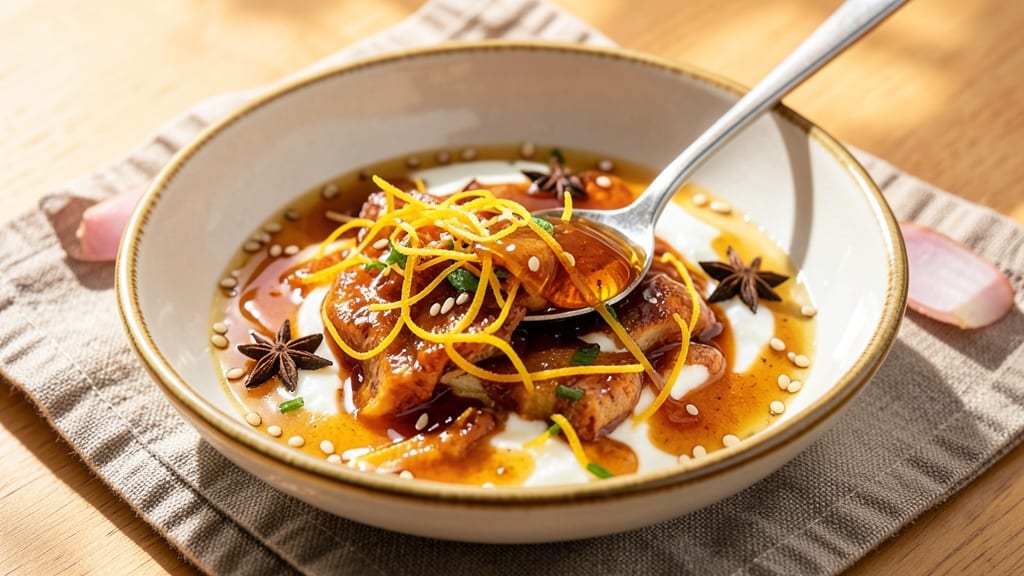
This Asian orange ginger sauce recipe transforms simple stir-fries into vibrant, restaurant-worthy dishes with just 10 minutes of active prep. The bright citrus and fiery ginger create a perfect balance of sweet, tangy, and spicy notes that elevate everything from noodles to grilled meats.
I developed this sauce after craving that signature zing of Thai or Vietnamese flavors without the complexity of traditional recipes.
The secret lies in simmering fresh ginger and orange zest with aromatics until fragrant, then blending with a touch of coconut milk for creaminess. Unlike store-bought versions, this sauce delivers bold, fresh flavors that stay vibrant for up to 5 days in the fridge.
The honey or sugar balances the acidity, while soy sauce adds depth—no artificial ingredients, just pure, bright taste.
What makes this sauce truly versatile is its ability to cut through rich dishes while enhancing their natural flavors. Drizzle it over steamed rice, toss it with stir-fried vegetables, or serve it as a dipping sauce for spring rolls.
The ginger’s warmth lingers, while the orange zest adds a refreshing lift that keeps every bite exciting.
For extra convenience, double the batch and freeze half for later—this sauce only gets better as flavors meld. Whether you're cooking for a weeknight dinner or prepping for a gathering, this foolproof recipe delivers professional results with minimal effort. Let’s get started!
Ingredients for asian orange ginger sauce
Ten vibrant ingredients blend into a sauce that delivers restaurant-quality zing in minutes.
| Ingredient | Amount | Notes |
|---|---|---|
| Fresh Ginger Root 🧄 | ½ cup | Peeled and finely grated |
| Orange Zest 🍊 | 2 tbsp | From 1 large organic orange |
| Orange Juice 🍊 | ½ cup | Freshly squeezed, no pulp |
| Coconut Milk 🥥 | ½ cup | Full-fat canned for creaminess |
| Low-Sodium Soy Sauce 🍜 | 2 tbsp | Kikkoman preferred for balance |
| Raw Honey 🍯 | 2 tbsp | Or light brown sugar |
| Garlic Cloves 🧄 | 3 cloves | Minced for aromatic depth |
| Fresh Lime Juice 🍋 | 1 tbsp | Brightens the sauce |
| Sesame Oil 🌾 | 1 tsp | Toasted for nutty aroma |
| Red Chili Flakes 🌶️ | 1 tsp | Adjust for heat preference |
The ginger and orange zest are non-negotiable for authentic flavor. Look for plump, firm ginger roots at Whole Foods or Asian markets—avoid shriveled pieces. Organic oranges yield more zest, but conventional works fine. For soy sauce, Kikkoman is the gold standard, though any low-sodium brand suffices. The coconut milk should be full-fat for proper texture; Thai Kitchen brand is widely available and reliable. Fresh garlic and lime are best, but frozen concentrates work in a pinch if you're short on time.
No fresh ginger? Powdered ginger at half the amount works, though it lacks depth. Substitute orange juice with grapefruit juice for tartness, but reduce to 0.3 cups to maintain balance. Running low on coconut milk? Heavy cream or cashew cream delivers similar richness. The honey can be swapped for maple syrup or agave, though flavor will shift slightly. For extra heat, add 1/2 tsp sriracha or a pinch of cayenne. The sauce's versatility means it adapts well to substitutions, but the ginger-citrus core remains essential.
This sauce peaks after 24 hours in the fridge as flavors meld. Store in an airtight container with a thin layer of oil on top to preserve freshness. Keeps for 5-7 days refrigerated or 3 months frozen. For freezing, portion into ice cube trays—perfect for single-use applications. Reheat gently to maintain vibrancy, or serve chilled over cold dishes like summer rolls.
Why You'll Love This Recipe
- Five-Ingredient Magic: I swear by this—just peel, zest, and blend. No peeling onions, no mincing garlic, no fancy techniques. The ginger and orange zest do all the heavy lifting while you sip your coffee.
- Zesty Umami Bomb: That bright orange juice cutting through the creamy coconut milk? It’s like a flavor hug. The low-sodium soy sauce adds depth without overpowering, and the ginger? It’s the secret weapon that makes this taste alive.
- Dress-Up Champion: Drizzle it over grilled fish, toss it with noodles, or slather it on sandwiches. It’s my go-to for breakfast (yes, even on a Tuesday night) when I’m craving something fresh but still want that rich, savory kick.
- Leftovers That Shine: Make a double batch—it keeps for days in the fridge. The sauce actually improves over time as the flavors meld, so you’re not stuck with sad, watery leftovers. Plus, coconut milk is cheap, so you’re not breaking the bank.
Step-by-step instructions for Asian orange ginger sauce
This vibrant sauce balances heat, sweetness, and acidity for perfect flavor harmony every time.
Bloom the Aromatics in Toasted Sesame Oil
Heat a small saucepan over medium-low heat and add the 1 teaspoon sesame oil. Let it warm for 30 seconds until fragrant—you'll smell that nutty aroma develop. This is crucial for building the sauce's depth before adding other ingredients.
Add the 3 cloves minced garlic and cook for 30 seconds until just golden around the edges. Immediately add the 0.5 cup finely grated fresh ginger root and stir for 1 minute until the raw ginger aroma disappears and it becomes fragrant. This step prevents the ginger from becoming bitter and ensures even distribution of its bright flavor throughout the sauce.
Build the Sauce Base with Citrus and Soy
Pour in the 0.5 cup freshly squeezed orange juice and 2 tablespoons low-sodium soy sauce, stirring constantly. Bring the mixture to a gentle simmer over medium heat and let it reduce for 3-4 minutes until slightly thickened. You'll notice the liquid reduces by about 25%—this concentrates the flavors.
Add the 2 tablespoons raw honey and 1 teaspoon red chili flakes, stirring until the honey dissolves completely. Remove from heat and let the sauce rest for 2 minutes—this allows the chili flakes to bloom and the honey to fully integrate without burning. The sauce should now have a balanced sweetness with a subtle heat.
Incorporate Creaminess and Final Brightness
Return the sauce to low heat and gently whisk in the 0.5 cup full-fat coconut milk until smooth. The coconut milk should blend seamlessly, creating a velvety texture. Add the 2 tablespoons orange zest and 1 tablespoon fresh lime juice, stirring until fully incorporated.
Taste and adjust the balance—if it needs more acidity, add a splash of lime juice; if it needs more sweetness, stir in a touch more honey. The sauce should coat the back of a spoon with a glossy sheen and have a perfect harmony of citrus, spice, and umami. Let it cool slightly before using to allow flavors to fully meld.
Finish with Toasted Sesame Oil (Optional)
For an extra layer of complexity, drizzle in ½ teaspoon additional sesame oil and gently stir. This final touch adds nutty depth and a beautiful sheen to the sauce. The oil should be warm but not smoking—just enough to enhance the aroma without overpowering the delicate citrus flavors.
Use immediately for stir-fries, dipping sauces, or marinades, or store in an airtight container in the refrigerator for up to 5 days. The sauce will continue to develop flavor as it rests, becoming even more vibrant over time.
Pro Tips For Making Asian Orange Ginger Sauce
- Peel Ginger Like a Pro: Use a spoon to scoop out the thickest part of the root first—it’s the toughest and least flavorful. Then slice the rest thinly with a knife or mandoline (about 1/8-inch thick) so it infuses properly without turning bitter.
- Zest, Don’t Juice: For the orange zest, focus on the outer layer only—no pith, no white. A microplane works best, and if you’re lazy, a box grater with the fine side does the job. Too much pith makes the sauce bitter, and no one wants that.
- Simmer, Don’t Boil: Reduce the sauce over medium-low heat—gentle bubbles, not rolling. Coconut milk breaks down fast if it boils, turning grainy and separating. Keep it steady, and you’ll end up with a silky texture, not a curdled mess.
- Balance the Soy: Start with half the soy sauce called for, taste, then add the rest. Low-sodium soy is already mild, and you can always add more later. Dumping it all in first guarantees overpowering saltiness, and no one’s coming back for seconds of that.
Regional styles of this dish
Thai-Inspired Version
For a Thai-inspired twist, swap the soy sauce for 2 tbsp fish sauce and add 1 tbsp palm sugar instead of honey. Include 1 stalk lemongrass (bruised and finely chopped) with the garlic and ginger during the initial blooming step.
The lemongrass adds a bright, citrusy aroma that complements the orange perfectly. Finish with ½ tsp shrimp paste for an umami depth that’s quintessential to Thai cuisine. 🌶️
Vietnamese-Style Adaptation
Transform this sauce into a Vietnamese-inspired nuoc cham by replacing the coconut milk with ¼ cup rice vinegar and adding 1 tbsp sugar (or more to taste). Include 1 clove minced shallot with the garlic and a pinch of black pepper.
The result is a tangy, slightly sweet dipping sauce ideal for spring rolls or grilled shrimp. For extra authenticity, finish with a sprinkle of crushed peanuts and fresh cilantro.
Japanese Citrus-Ginger Sauce
For a Japanese-inspired variation, reduce the soy sauce to 1 tbsp and add 1 tbsp mirin and 1 tbsp sake to the sauce base. Replace the honey with 1 tbsp white miso paste for umami richness. The ginger should be lightly julienned rather than grated to keep the texture delicate.
This sauce pairs beautifully with sushi, grilled fish, or as a marinade for tofu. Garnish with toasted sesame seeds for added texture. ✨
Korean Gochujang Twist
Give this sauce a Korean flair by adding 1 tbsp gochujang (Korean chili paste) with the soy sauce and honey. Include 1 tsp toasted sesame seeds during the final step for crunch. The gochujang adds a fermented, slightly sweet heat that balances the citrus beautifully.
This version works wonderfully as a glaze for grilled meats or a dipping sauce for tteokbokki (rice cakes). The sauce’s vibrant color will also make it a showstopper on any table. 💛
Balinese Sweet-Spicy Sauce
For a Balinese-inspired take, add 1 tsp turmeric and ½ tsp coriander seeds (lightly toasted and ground) to the initial aromatics. Replace the lime juice with 1 tbsp tamarind paste for a deeper, fruity tang.
The sauce becomes a perfect accompaniment to babi guling (suckling pig) or grilled vegetables. Finish with a drizzle of coconut cream for extra richness, and garnish with fresh mint leaves for a refreshing contrast. 🌺
Nutrition facts
Frequently asked questions
Can I make this sauce without fresh ginger?
Yes! Use ½ teaspoon ground ginger instead of ½ cup fresh ginger, but expect slightly less depth in flavor. For best results, toast the ground ginger in the sesame oil for 30 seconds to enhance its aroma. The sauce will still taste great, though the fresh ginger's bright, zingy quality will be noticeably different.
How spicy should this sauce be?
The recipe includes 1 teaspoon red chili flakes for mild heat, but you can adjust to taste. For a milder version, reduce to ½ teaspoon or omit entirely. For extra heat, add ½ teaspoon sriracha or cayenne pepper. Remember, the sauce's acidity from citrus will balance the spice—taste as you go!
What's the best way to store leftover sauce?
Transfer the sauce to an airtight container and refrigerate for up to 5 days. For longer storage, freeze in ice cube trays or small containers for 3 months. To preserve freshness, add a thin layer of oil on top before sealing. The sauce actually improves in flavor after 24 hours as the ingredients meld!
Can I use this sauce as a marinade?
This sauce works wonderfully as a marinade for chicken, shrimp, or tofu. Let the protein soak for 15-30 minutes to infuse flavor without overpowering. For tougher cuts like pork, marinate for 1-2 hours. The citrus and ginger will tenderize while adding vibrant flavor. Just pat dry before cooking for better searing.
Why did my sauce turn out too sweet?
The honey balances the sauce's acidity, but if it tastes overly sweet, you likely reduced the liquid too much. Next time, simmer for 2-3 minutes instead of 3-4 to maintain balance. For immediate fixes, add 1-2 tablespoons lime juice or a pinch of salt to enhance other flavors. The coconut milk also adds subtle sweetness—using light coconut milk can help reduce sweetness.