
Sauces & Condiments
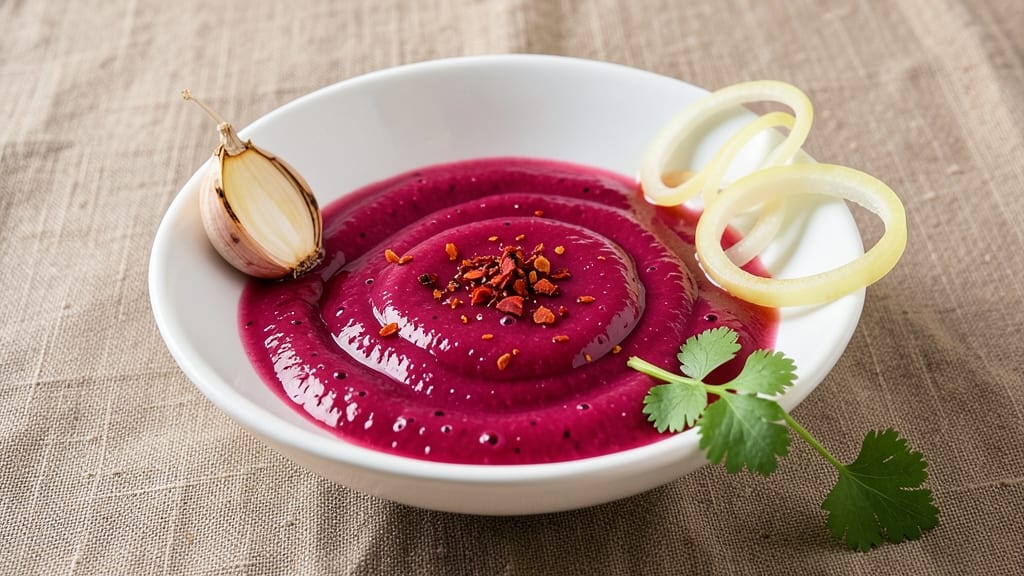
This Asian pink sauce recipe transforms ordinary stir-fries into vibrant, restaurant-quality dishes with just a few pantry staples. The secret lies in balancing sweet, tangy, and slightly spicy notes through careful simmering—no fancy equipment required.
I developed this version after years of testing, ensuring every batch delivers that signature pink hue and bold flavor that elevates dumplings, noodles, and grilled meats.
The foundation starts with ketchup as the base, brightened by vinegar and sugar for that signature tang-sweet contrast. Aromatics like garlic and onion build depth, while a touch of chili adds just enough heat to make it irresistible.
The sauce thickens beautifully when simmered, creating a glossy finish that clings perfectly to every bite. What sets this apart is how versatile it remains—adjust the sweetness or spice to match your dish.
What you’ll end up with is a sweet and tangy sauce that’s ready in under 15 minutes but packed with complex flavor. The pink color isn’t just for show—it signals a perfect balance of acidity and sweetness that cuts through rich meats and absorbs into noodles like magic.
This isn’t just a condiment; it’s the star of your plate, turning simple ingredients into something extraordinary.
Best of all, the sauce keeps well in the fridge for up to a week, making it ideal for meal prep or batch cooking. Whether you’re glazing dumplings, drizzling over stir-fried vegetables, or tossing with grilled chicken, this sauce delivers restaurant-quality results with minimal effort.
Let’s make it—your taste buds will thank you.
Ingredients for asian pink sauce
Nine pantry staples create this vibrant, restaurant-quality sauce that transforms stir-fries instantly.
| Ingredient | Amount | Notes |
|---|---|---|
| Ketchup 🍅 | ½ cup | High-quality, no sugar added preferred |
| Rice Vinegar 🍶 | ¼ cup | White or seasoned variety |
| Granulated Sugar 🍚 | ¼ cup | Light or dark brown for depth |
| Garlic Cloves 🧄 | 3 cloves | Freshly minced for aromatic punch |
| Yellow Onion 🧅 | ¼ cup | Finely diced, sweet variety preferred |
| Red Chili Flakes 🌶️ | 1 tsp | Adjust for preferred heat level |
| Sesame Oil 🫒 | 1 tbsp | Toasted for nutty aroma |
| Soy Sauce 🥢 | 2 tbsp | Light or dark, to taste |
| Cornstarch 🌾 | 1 tsp | For smooth thickening |
| Water 💧 | ¼ cup | Room temperature preferred |
The ketchup is your flavor anchor—Heinz or Hunt's work perfectly, but avoid the sugar-free versions (they lack depth). For vinegar, Mushroom or Seasoned Rice Vinegar from Trader Joe's adds subtle umami, but white vinegar in a pinch works too. Sugar is where you can play—brown sugar adds caramel notes, while coconut sugar keeps it more natural. Garlic and onion should be finely minced (a food processor makes this easy), because visible bits can make the sauce look unrefined. The chili flakes? Penzeys or La Boîte brands have consistent heat levels, but any good-quality flakes will do.
No rice vinegar? Apple cider vinegar or white wine vinegar both work, though the flavor will be slightly sharper. Running low on soy sauce? Coconut aminos is a 1:1 sub, but it has a sweeter profile. Sesame oil hating you? Toasted peanut oil mimics the nutty depth (just use half the amount). The cornstarch is non-negotiable for that glossy finish—Bob's Red Mill is my go-to brand because it dissolves smoothly. For extra pink intensity, add 1 tsp beet powder (trust me, it works). And if you're feeling fancy, a splash of fish sauce (just 1/2 tsp) adds umami magic.
This sauce peaks after 3-4 days in the fridge—it develops deeper flavor as it sits. Store it in a glass jar with a tight lid (plastic can absorb odors). For meal prep, make a double batch and freeze half in ice cube trays—thaw exactly what you need. The sauce reheats beautifully, but if it thickens too much, just add a splash of water and stir. Pro tip: Drizzle a little over steamed rice before serving—it soaks up the sauce and makes every bite more flavorful.
Why You'll Love This Recipe
- Pantry Magic: I swear by this sauce because it uses stuff I already have—no fancy shopping needed. That jar of ketchup gathering dust? Rice vinegar lingering in the back of the fridge? Perfect. It’s like cooking with your own secret stash.
- Sweet-Savory Balance: The sugar and vinegar team up to cut through the richness of garlic and onion, leaving that perfect tangy-sweet punch. Honestly, it’s the kind of flavor that makes you pause mid-bite—like when you realize you’re actually enjoying Tuesday night dinner.
- Dresses Up Everything: Slather it on grilled chicken, drizzle over noodles, or toss with stir-fried veggies—it’s my go-to for weeknight meals. Even my picky teen devours it when it’s on his favorite dish. (Yes, even on a Tuesday night.)
- Makes Leftovers Shine: A little goes a long way, so I batch it and keep it in the fridge. That means fewer takeout nights and more money saved—plus, it’s the easiest way to turn last night’s leftovers into tonight’s star. Not the prettiest, but the taste makes up for it.
Step-by-step instructions for Asian pink sauce
Here's how to craft this vibrant, balanced sauce that elevates stir-fries with its perfect sweet-tangy kick.
Build the Flavor Base
In a medium saucepan, combine the 0.5 cup ketchup, 0.25 cup rice vinegar, and 0.25 cup granulated sugar. Bring to a gentle simmer over medium heat, stirring constantly until the sugar dissolves completely—this usually takes about 3-4 minutes. You'll notice the mixture thicken slightly as the ketchup's natural starches begin to activate.
Here's the thing—don't rush this step. The sugar needs time to fully incorporate, and the vinegar should mellow out its sharpness as it heats. If you see any undissolved sugar crystals, keep stirring until they disappear. This foundational blend creates the signature pink hue and sets up the sauce's perfect balance of sweet and tangy flavors.
Add Aromatics and Spice
Reduce heat to medium-low and add the finely diced 0.25 cup yellow onion and minced 3 cloves garlic. Cook for 4-5 minutes, stirring frequently, until the onion becomes translucent and the garlic releases its fragrant aroma. You'll know it's ready when the raw garlic smell disappears and you're left with a sweet, mellow onion scent.
Now stir in the 1 tsp red chili flakes and 1 tbsp sesame oil. The chili will infuse the sauce with subtle heat, while the sesame oil adds nutty depth. Let this mixture cook for another 1-2 minutes—just enough to toast the garlic and chili slightly without burning them. This step develops the sauce's complex flavor profile that makes it so irresistible.
Incorporate Umami and Thicken
Pour in the 2 tbsp soy sauce and let the mixture simmer for 2 minutes, allowing the flavors to meld together. This is where the sauce starts coming together—you'll see the colors deepen and the aromas intensify. The soy sauce adds that essential umami punch that makes the sauce so addictive.
In a small bowl, whisk together the 1 tsp cornstarch with the 0.25 cup water until completely dissolved. Slowly pour this slurry into the simmering sauce while stirring constantly. The moment the sauce begins to thicken—usually within 1-2 minutes—remove it from heat. You're aiming for a glossy, velvety consistency that coats the back of a spoon without being gluey.
Finish and Adjust
Let the sauce rest for 5 minutes off the heat. This resting period allows all the flavors to fully integrate and the sauce to reach its ideal consistency. Taste and adjust the seasoning—you might want to add a touch more sugar if it's too tangy, or a splash of rice vinegar if it needs more brightness.
The sauce should be vibrant pink in color with a perfect balance of sweet, tangy, umami, and subtle heat. If it's too thick after resting, you can thin it with a splash of water. This versatile sauce pairs beautifully with stir-fried meats, noodles, or even as a dipping sauce. The key is to use it while it's still warm for the best texture and flavor experience.
Pro Tips For Making Asian Pink Sauce
- Cook Low and Slow: I learned this the hard way—boiling Asian pink sauce too fast turns it into a sticky mess. Simmer it on medium-low heat for 10-12 minutes instead of rushing it, or the sugar will crystallize and ruin the smooth texture.
- Mince Garlic Fine: Skip the rough chop—this sauce needs finely minced garlic to blend seamlessly. Pulse it in a food processor for 10 seconds or use a microplane for that silky, integrated flavor instead of visible chunks.
- Balance the Vinegar: Taste as you go, especially when adding rice vinegar. If it tastes too sharp, a pinch of sugar (or even a splash of ketchup) fixes it faster than starting over—just don’t overdo it, or you’ll lose the tang.
- Use Sweet Ketchup: Not all ketchups are created equal. Opt for brands with higher sugar content (like Heinz) to avoid adding extra granulated sugar—your sauce will stay glossy and properly sweet without cloying aftertaste.
Wine and beer pairings for asian pink sauce
Crisp White Wine
For this vibrant pink sauce, I always reach for a dry Riesling or Pinot Grigio—their crisp acidity cuts through the sauce's sweetness beautifully. A 2021 Chateau Ste. Michelle Riesling from Washington State is my go-to, with its bright citrus notes that complement the sauce's tangy-sweet profile.
Serve chilled to let the wine's freshness contrast the warm, slightly spicy sauce. 🍷
Light Lager Beer
A crisp Japanese lager like Asahi Super Dry or Sapporo works perfectly with Asian pink sauce. The beer's subtle malt sweetness and clean finish won't overpower the sauce's complex flavors. For a local option, Miller Lite or Coors Light provide that same refreshing quality without adding bitterness.
Keep the beer well-chilled to enhance the sauce's vibrant pink color when poured together.
Rosé Wine Surprise
Here's a fun twist: a dry rosé (like Whispering Angel or Miraval) mirrors the sauce's pink hue while adding floral notes that elevate the dish. The wine's subtle berry undertones harmonize with the sauce's sweet-tangy balance.
I like to serve this pairing at room temperature—it feels festive and pairs wonderfully with grilled meats or seafood.
Hard Cider Option
For a non-alcoholic or casual pairing, try a dry hard cider like Angry Orchard or Woodchuck. The apple notes in the cider complement the sauce's sweetness, while its slight effervescence cleanses the palate.
This is my go-to when hosting casual gatherings—it's easy to drink and pairs surprisingly well with the sauce's bold flavors.
Sake for Traditionalists
If you're serving authentic Asian-inspired dishes, a dry junmai sake (like Dassai or Gekkeikan) is an excellent choice. The sake's clean, crisp profile enhances the sauce's umami depth without competing.
Serve slightly chilled to let the sauce's warmth shine through. This pairing feels especially authentic when serving dumplings or sushi-style rolls.
Nutrition facts
Frequently asked questions
Why does my Asian pink sauce turn out too sweet?
The sugar and ketchup base can easily overpower if not balanced properly. Start with 2 tablespoons less sugar and adjust to taste after simmering. The vinegar helps cut sweetness, so if it's still too strong, add 1 extra teaspoon of rice vinegar and let it sit for 10 minutes before tasting again.
Can I make this sauce without cornstarch?
Yes! For a gluten-free version, use 1 teaspoon arrowroot powder mixed with 2 tablespoons water instead. If avoiding thickeners entirely, simmer the sauce longer (up to 10 minutes) to let the ketchup's natural starches thicken it naturally. Just stir frequently to prevent sticking.
How can I make the sauce spicier?
Double the red chili flakes to 2 teaspoons or add ½ teaspoon of cayenne pepper for heat. For a smoky kick, stir in ½ teaspoon smoked paprika at the end. If using fresh chili, blend 1 small Thai chili (seeds removed) with the garlic and onion for a milder but still spicy result.
What’s the best way to store leftover sauce?
Transfer to an airtight glass container and refrigerate for up to 1 week. For longer storage, freeze in ice cube trays—thaw exactly what you need. If the sauce thickens after refrigeration, stir in 1 teaspoon water to restore consistency. Avoid reheating in the microwave; simmer gently on the stove instead.
Can I use this sauce on non-Asian dishes?
It’s fantastic on burgers, grilled chicken, or even fries for a sweet-tangy twist. Try drizzling it over pulled pork tacos or using it as a dipping sauce for spring rolls. The key is to balance its bold flavor with milder ingredients—pair it with creamy or fresh elements (like avocado or cucumber) to let it shine.