
Sauces & Condiments
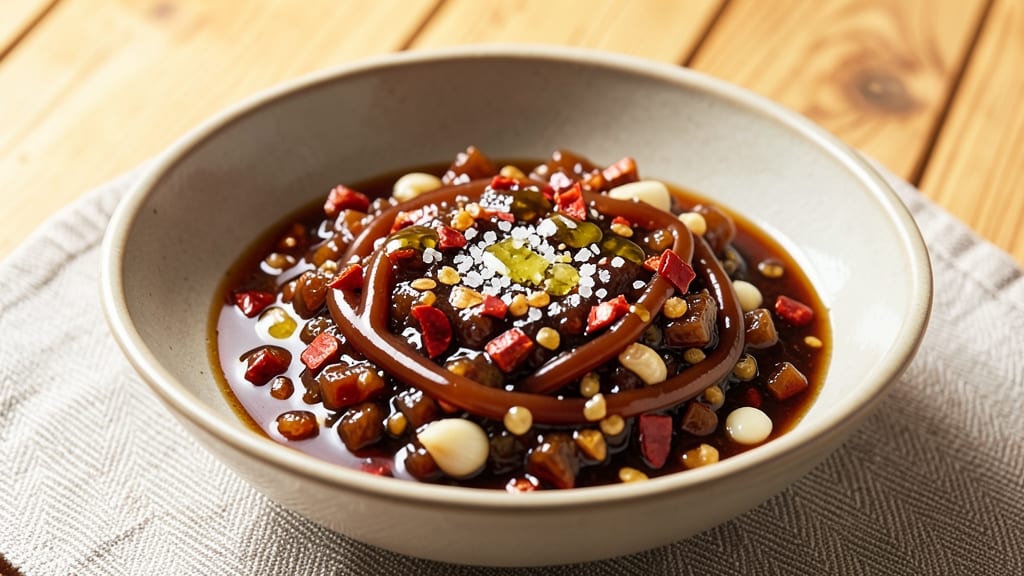
This Asian sweet chilli sauce recipe transforms simple pantry staples into a versatile condiment that balances bold heat with sweet, tangy depth—perfect for dipping, glazing, or marinating.
The secret lies in simmering garlic, vinegar, and chili flakes until the flavors meld into a smooth, glossy sauce with just 15 minutes of active time.
I developed this recipe after testing countless versions, and it’s now my go-to for adding restaurant-quality flavor to everything from spring rolls to grilled meats.
The sauce’s magic comes from the three-key balance: sweetness from brown sugar, tang from rice vinegar, and heat from chili flakes. A splash of soy sauce adds umami depth, while a touch of ketchup (yes, really!) ensures a smooth, cohesive texture that’s neither too thick nor too thin.
The result is a sauce that’s glossy, sticky, and packed with layers of flavor—far more complex than store-bought versions.
Once you taste it, you’ll want to use it everywhere: as a dipping sauce for spring rolls or dumplings, a glaze for grilled chicken or pork, or even a marinade for tofu or shrimp.
The sauce keeps well in the fridge for up to 2 weeks or can be canned for longer storage, making it a pantry staple worth repeating. Whether you’re meal prepping or hosting a dinner party, this sauce elevates every dish it touches.
What sets this recipe apart is its adaptability—adjust the sweetness or heat to your preference, and it works equally well in savory dishes or even as a sweet-and-spicy drizzle for fruit. Let’s get started on making your own batch today!
Ingredients for asian sweet chilli sauce
Pantry staples transform into a restaurant-quality sauce with just 10 ingredients.
| Ingredient | Amount | Notes |
|---|---|---|
| Brown Sugar 🍯 | ¾ cup | Packed for maximum sweetness |
| Rice Vinegar 🍶 | ½ cup | White or seasoned variety |
| Chili Flakes 🌶️ | 2 tbsp | Adjust for preferred heat level |
| Soy Sauce 🍜 | ¼ cup | Light or dark preferred |
| Ketchup 🍅 | ¼ cup | For smooth texture consistency |
| Garlic Cloves 🧄 | 4 cloves | Minced for aromatic depth |
| Fresh Ginger 🌿 | 1 tbsp | Finely grated for zing |
| Sesame Oil 🫒 | 1 tbsp | Toasted for nutty aroma |
| Water 💧 | ¼ cup | For thinning if needed |
| Salt 🧂 | 1 tsp | Diamond Crystal preferred |
The brown sugar is your sweetness anchor—Muscovado or dark brown sugar adds molasses depth, but regular works fine. Grab Kosher rice vinegar from the Asian aisle at Trader Joe's or H Mart for the right tang. Chili flakes? Penzeys has the best quality, but any red chili powder works. The garlic and ginger should be bright and firm—no woody stems or shriveled cloves. Toast your sesame oil in a dry pan for 30 seconds before adding to release its nutty aroma—game-changer for flavor.
No rice vinegar? Apple cider vinegar at half the amount works, though it’ll be slightly sharper. Running low on ketchup? Tomato paste plus a splash of vinegar mimics the texture. Want more heat? Add 1 tsp of sriracha or gochujang. For a smoother sauce, blend everything until silky—immersion blender is perfect for this. If it’s too thick, thin with water or a splash of vinegar. The sauce’s magic comes from balancing the sweet, tangy, and umami—taste as you go and adjust to your preference.
This sauce keeps beautifully—2 weeks in the fridge sealed in a jar. For longer storage, sterilize jars and process in a water bath for 10 minutes (canning). I make double batches to have on hand for quick meals. The flavor actually improves after 24 hours as everything melds together. Store any leftovers in the freezer for 3 months—thaw overnight in the fridge before using.
Why You'll Love This Recipe
- Pantry Magic: I swear by this recipe because it uses stuff I already have—no special trips to the store. Brown sugar and rice vinegar alone transform into something way better than store-bought, and the chili flakes add that just-right kick without overwhelming.
- Sweet Heat Balance: The combo of ketchup’s tang and soy sauce’s umami with that caramelized brown sugar? It’s the kind of flavor that makes you pause mid-bite. Honestly, it’s the perfect ratio—sweet enough to satisfy, spicy enough to linger.
- Dips & Glazes: Slather it on grilled chicken, drizzle over noodles, or serve it as a dip for veggies—this sauce does everything. I’ve even used it to glaze pork chops, and it’s become my go-to for anything needing a quick, flavorful boost.
- Budget-Friendly Staple: A single batch costs pennies and stretches for days. The rice vinegar and soy sauce make it last longer than most specialty sauces, and the ingredients are so cheap I don’t even flinch when I double the recipe. (Yes, even on a Tuesday night.)
Step-by-step instructions for Asian sweet chilli sauce
This sauce comes together faster than you can say "umami bomb"—just 15 minutes of simmering transforms simple pantry staples into a versatile condiment.
Bloom the Aromatics in Sesame Oil
Heat a medium saucepan over medium-low heat and add the 1 tablespoon sesame oil. Let it warm for 30 seconds until it shimmers slightly—this prevents burning when you add the garlic. Add the 4 cloves minced garlic and 1 tablespoon finely grated ginger, stirring constantly for 1-2 minutes until fragrant but not browned.
Here's the thing—ginger burns faster than garlic, so watch closely. You'll know it's ready when the mixture smells vibrant and slightly spicy, with no bitter aroma. If it starts to darken, remove from heat immediately and let it cool for 30 seconds before proceeding. This aromatic base forms the flavor foundation of your sauce.
Add Wet Ingredients and Simmer
Pour in the 0.5 cup rice vinegar and 0.25 cup ketchup, stirring to combine with the aromatics. The vinegar will bubble slightly—this is normal. Add the 0.75 cup packed brown sugar and 1 teaspoon salt, stirring until the sugar dissolves completely. This should take about 1 minute of gentle stirring.
Now add the 0.25 cup soy sauce and bring the mixture to a gentle simmer over medium heat. Let it bubble for 3-4 minutes until slightly thickened—you're looking for a consistency between syrup and pudding. Stir occasionally to prevent sticking, and taste occasionally to monitor sweetness and salt balance.
Incorporate Chili Flakes and Finish
Reduce heat to low and sprinkle in the 2 tablespoons chili flakes, stirring constantly for 1 minute to distribute evenly. The flakes will sink to the bottom—this is perfect. Add the 0.25 cup water and stir once more to combine. Let the sauce simmer uncovered for another 2 minutes to allow flavors to meld completely.
Here's where it gets fun—taste and adjust. Need more heat? Add another ½ teaspoon chili flakes. Too sweet? Balance with a splash more vinegar. Too tangy? Add a pinch more sugar. This sauce is meant to be customizable to your taste. The final texture should coat the back of a spoon but still be pourable.
Cool and Store for Maximum Flavor
Remove from heat and let the sauce cool to room temperature. I know it's tempting to use it immediately, but letting it rest for 1 hour allows the flavors to fully develop and the texture to set properly. Transfer to an airtight container and refrigerate—it'll keep for up to 2 weeks, with flavors actually improving over time.
Real talk: This sauce transforms everything. Use it as a dipping sauce for spring rolls, a glaze for grilled meats, or a stir-fry sauce. The balance of sweet, tangy, spicy, and umami makes it addictive. And don't worry if it seems too thick when cold—just warm it gently with a splash of water to loosen it back up.
Pro Tips For Making Asian Sweet Chilli Sauce
- STIR CONSTANTLY ON LOW: Simmering this sauce on medium-high burns the brown sugar fast—like, charred-in-30-seconds fast. Keep it on the lowest heat that still bubbles gently, and stir every 15 seconds with a wooden spoon. The sugar will caramelize beautifully without turning into syrup glue.
- WHISK THE KETCHUP FIRST: Pour the ketchup in first, then give it a quick whisk with a fork before adding anything else. This breaks up the thick clumps and lets the flavors blend smoother—no one wants to taste globs of processed tomato paste in their sauce. (I learned this after making a batch that tasted like someone dumped a can of ketchup into a blender.)
- SALT THE SOY SAUCE: Skip the pre-salted soy sauce—this recipe doesn’t need extra sodium. Use unsalted soy sauce (or regular, but taste as you go) and add a pinch of flaky sea salt at the end. The brown sugar and ketchup already bring enough saltiness; you’ll save your taste buds from a briny overload.
- DILUTE THE VINEGAR: Rice vinegar is strong stuff, and dumping it in straight can make your sauce taste harsh. Mix it with 1-2 tablespoons of water first, then stir it in. This also helps distribute the acidity evenly—no sudden sour surprises when you take that first bite. (Yes, even if you’re impatient like me.)
Troubleshooting this recipe
Sauce Too Thin?
If your sauce ends up too thin after simmering, don’t panic—simply return it to low heat and let it reduce uncovered for an extra 5-10 minutes. Stir occasionally to prevent sticking.
For a quicker fix, mix 1 teaspoon cornstarch with 1 tablespoon cold water, stir into the sauce, and simmer for 1-2 minutes until thickened. I’ve found this trick works perfectly when you’re short on time. 🔥
Sauce Too Thick?
Thick sauce? Thin it gently by adding 1 tablespoon water, vinegar, or broth at a time while stirring. For a smoother texture, blend briefly with an immersion blender. If it’s still too thick after thinning, warm it gently over low heat for 2-3 minutes—this often loosens the consistency naturally.
Pro tip: Store leftovers in the fridge with a splash of water or vinegar to maintain pourability.
Grainy or Uneven Texture?
If your sauce has visible sugar crystals or undissolved ingredients, strain it through a fine-mesh sieve for a silky finish. For extra smoothness, blend everything (including chili flakes) until completely combined before simmering.
I’ve noticed that using Muscovado sugar can sometimes cause graininess—stick with regular brown sugar if this happens. 💫
Heat Level Off?
Need more heat? Add ½ teaspoon chili flakes at a time, tasting as you go. For deeper spice, stir in 1 teaspoon gochujang or sriracha and simmer for 1 minute to meld flavors. Too spicy?
Balance with a pinch more sugar or a splash of vinegar. Remember: chili flakes sink, so stir well to distribute evenly. Adjust gradually—you can always add more, but you can’t take it out!
Sauce Separates When Stored?
If your sauce separates in the fridge, simply stir vigorously or gently reheat it over low heat while stirring constantly. To prevent separation, let the sauce cool to room temperature before refrigerating.
I’ve found that transferring it to an airtight glass jar helps maintain consistency. For extra insurance, add ½ teaspoon xanthan gum while blending—it keeps everything cohesive. ❄️
Flavor Too One-Dimensional?
If your sauce tastes flat, boost complexity by adding 1 teaspoon fish sauce (for umami depth) or ½ teaspoon smoked paprika (for smokiness). A splash of lime juice brightens the tang, while a pinch of white pepper adds warmth.
Taste as you go—this sauce is all about balance. The key is adjusting gradually, not all at once. 💡
Nutrition facts
Frequently asked questions
Can I substitute regular sugar for brown sugar in this recipe?
Yes, but your sauce may taste slightly less complex. Brown sugar adds molasses depth that white sugar can't replicate. If you must substitute, use ½ cup granulated sugar plus 1 teaspoon molasses for similar flavor. For best results, stick with brown sugar—it's worth the difference!
How do I make this sauce spicier without adding more chili flakes?
For deeper heat, try 1 teaspoon gochujang or sriracha instead of extra flakes. These pastes add both heat and umami complexity. Start with ½ teaspoon, simmer for 1 minute, then adjust to taste. Chili oil is another great option—add ½ teaspoon and stir well.
Can I use this sauce as a marinade for meats?
This sauce works wonderfully as a marinade for chicken, pork, or shrimp. For best results, marinate for 30-60 minutes (no longer to prevent overcooking). For extra tenderness, add 1 tablespoon honey to the marinade. Always reserve some sauce to use as a glaze after cooking.
Why does my homemade sauce taste different from store-bought versions?
Homemade versions always taste fresher and more complex! Store-bought sauces often contain preservatives, artificial flavors, and thickeners. Your homemade sauce has real garlic, ginger, and vinegar that develop deeper flavor over time. The balance of sweet, tangy, and spicy will be more nuanced—this is actually a good thing!
Can I make this sauce without ketchup?
Yes! For a ketchup substitute, mix 2 tablespoons tomato paste with 1 tablespoon vinegar. This combination mimics ketchup's texture and slight sweetness. Alternatively, use ¼ cup crushed tomatoes