
Sauces & Condiments
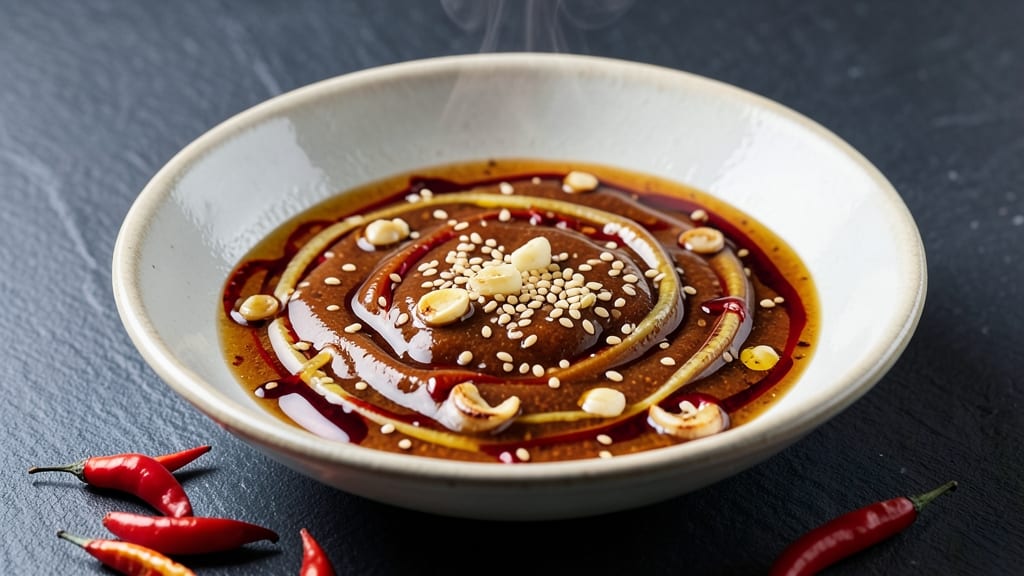
This Asian sweet and spicy sauce recipe transforms simple stir-fries into restaurant-worthy dishes with just a few pantry staples. The balance of tangy rice vinegar, rich soy sauce, and honey creates a glaze that caramelizes beautifully, while fresh garlic and ginger add depth.
What makes this sauce special is its versatility—it works as a marinade, stir-fry glaze, or even a dipping sauce for wings.
The secret lies in the slow simmer, which allows flavors to meld without overpowering each other. A touch of cornstarch thickens the sauce just enough to cling to proteins and vegetables, ensuring every bite is packed with bold, umami-kissed flavor.
Unlike store-bought versions, this recipe avoids artificial additives, delivering a cleaner, more vibrant taste.
Once made, this sauce keeps for up to a week in the fridge, making it perfect for meal prep. Drizzle it over grilled chicken, toss it with noodles, or use it as a marinade for tofu.
The sweetness and heat balance perfectly, creating a sauce that’s addictive yet simple to replicate at home.
Ready in just 15 minutes, this sauce elevates any dish with minimal effort. The ingredients are straightforward, and the process is foolproof—ideal for weeknight cooking or batch prep. Let’s get started!
Ingredients for asian sweet and spicy sauce
These ten ingredients create a restaurant-quality glaze that transforms ordinary dishes into umami-rich masterpieces.
| Ingredient | Amount | Notes |
|---|---|---|
| Rice Vinegar 🍶 | ½ cup | White or seasoned variety preferred |
| Soy Sauce 🥢 | ½ cup | Light or dark, not low-sodium |
| Honey 🍯 | ¼ cup | Wildflower or clover preferred |
| Sesame Oil 🫒 | 1 tbsp | Toasted, not flavored |
| Cornstarch 🌾 | 1 tbsp | For thickening consistency |
| Garlic Cloves 🧄 | 4 cloves | Freshly minced for potency |
| Fresh Ginger 🌿 | 1 ½ tbsp | Grated, not powdered |
| Red Chili Flakes 🌶️ | 1 tbsp | Adjust for heat preference |
| Water 💧 | ¼ cup | Room temperature preferred |
| Sesame Seeds 🥜 | 1 tsp | Toasted for garnish |
The foundation starts with rice vinegar and soy sauce—Kikkoman or San-J brands deliver consistent quality. Fresh garlic and ginger are non-negotiable here; pre-minced versions lack the aromatic depth. For the sweetness, Manuka honey elevates the sauce, though regular clover honey works perfectly fine. Toasted sesame oil from Kadoya or La Choy adds nutty complexity that store-bought versions often miss. The cornstarch should be Bob's Red Mill for reliable thickening without graininess.
No rice vinegar? Apple cider vinegar at the same amount works, though the flavor profile shifts slightly. Short on soy sauce? Coconut aminos provide a similar umami punch, though with a more pronounced coconut note. The honey can be swapped for maple syrup (reduce heat slightly) or agave nectar, though honey's floral depth remains unmatched. Red chili flakes can be replaced with gochujang (reduce by half) for fermented heat. For the sesame oil, neutral oil plus a pinch of toasted sesame seeds mimics the flavor, though texture differs. Always toast your sesame seeds in a dry pan for 30 seconds—they add crunch and aroma that jarred versions lack.
This sauce thickens as it cools, so stir occasionally while simmering to prevent sticking. Store in an airtight glass jar in the fridge for up to 1 week, though the flavor actually improves after 24 hours as ingredients meld. For longer storage, freeze in ice cube trays—perfect for single-use portions. The sauce reheats beautifully; just warm gently on the stove or microwave with a splash of water to restore consistency. Garnish with toasted sesame seeds right before serving for maximum freshness.
Why You'll Love This Recipe
- Pantry Magic: I swear by this sauce because it uses things I already have. No special shopping trips—just rice vinegar, soy sauce, and a drizzle of honey. Honestly, the cornstarch slurry is the only step that feels technical, but even that’s just whisking until it thickens.
- Sweet Heat Balance: That first bite? The honey cuts through the soy’s saltiness while the sesame oil adds this nutty depth—like a hug for your taste buds. I’ll be real: my kids think it’s candy, but the adults? They’re hooked on the way it lingers.
- Glazes Everything: Toss it on grilled chicken, drizzle over noodles, or even slather it on roasted veggies. Between us, it’s my go-to for weeknight dinners because it turns boring meals into something special with zero extra effort.
- Makes Leftovers Taste Fresh: Store it in the fridge for up to a week, and it doesn’t lose its punch. I double the batch on Sundays—one for immediate use, one for lazy nights when I just want flavor without fuss. Not the prettiest, but the taste makes up for it.
Step-by-step instructions for bold umami-kissed glaze
This sauce delivers perfect balance—sweet, spicy, and rich with umami depth every time.
Build the Flavor Base
In a medium saucepan, combine the 0.5 cup rice vinegar, 0.5 cup soy sauce, 0.25 cup honey, and 1 tbsp sesame oil. Bring to a gentle simmer over medium heat, stirring constantly to dissolve the honey completely. The mixture should bubble softly and develop an aromatic steam—this indicates the vinegar's acidity is breaking down the honey's viscosity.
Simmer for 3-4 minutes until the liquid reduces by about one-third and becomes slightly syrupy. You'll notice the color deepen from pale yellow to a rich amber—this is the foundation of your sauce's complex flavor. Keep the heat at medium-low to prevent scorching, as the honey can burn quickly at higher temperatures.
Incorporate Aromatics and Spice
Add the 4 minced garlic cloves, 1.5 tbsp grated fresh ginger, and 1 tbsp red chili flakes to the pan. Stir immediately to prevent the garlic from burning—it should sizzle for 30 seconds before settling into the sauce. The ginger will release its citrusy aroma, while the chili flakes will infuse subtle heat without overpowering the sweetness.
Continue simmering for 2-3 minutes until the garlic turns translucent and the ginger loses its raw bite. The sauce should now carry a fragrant blend of garlic's pungency, ginger's brightness, and chili's warmth. If the mixture appears too thick, add 1-2 tablespoons of the 0.25 cup water to maintain proper consistency for the next step.
Thicken the Sauce
Reduce heat to low and sprinkle the 1 tbsp cornstarch evenly over the sauce while stirring vigorously with a wooden spoon. The cornstarch will create a paste-like texture that helps thicken the sauce. Let it cook undisturbed for 1-2 minutes until it begins to glaze and coat the back of a spoon.
Add the remaining 0.25 cup water all at once, then stir continuously for 3-4 minutes until the sauce reaches a glossy, syrupy consistency. It should coat a spoon smoothly without being overly thick. Taste and adjust seasoning—add a pinch more soy sauce for saltiness or honey for sweetness if needed. The sauce should balance sweet, salty, spicy, and umami notes harmoniously.
Finish and Garnish
Remove the sauce from heat and let it cool slightly for 5 minutes. This resting period allows the flavors to meld and the sauce to thicken further. While cooling, lightly toast the 1 tsp sesame seeds in a dry skillet over low heat for 1-2 minutes until fragrant—this enhances their nutty aroma.
Stir the toasted sesame seeds into the sauce just before serving. The seeds add a delightful crunch and visual contrast to the glossy glaze. For best results, use the sauce immediately on stir-fries, grilled wings, or roasted vegetables, where its vibrant flavors will shine. Store any leftovers in an airtight container in the refrigerator for up to 1 week, though it's best enjoyed fresh.
Pro Tips For Making Asian Sweet And Spicy Sauce
- Whisk the Cornstarch: Mix that cornstarch slurry thoroughly before adding it to the simmering sauce—no lumps, no excuses. I learned this the hard way when my sauce turned into a grainy mess that ruined the glossy finish. A fine-mesh sieve helps if you're impatient (yes, even if you're impatient like me).
- Balance the Honey First: Taste your honey-soy-vinegar mix before adding sesame oil—adjust the sweetness now, not later. Too much honey later? You’re stuck with a cloying sauce. I used to dump everything in at once and ended up playing flavor detective.
- Simmer Low and Slow: Keep the heat at a gentle simmer once the sauce thickens—boiling burns the honey and turns it bitter. Watch for tiny bubbles breaking the surface, not a full-on rolling boil. This sauce isn’t a race.
- Toast the Sesame Oil: Warm that sesame oil in a separate pan for 30 seconds until it smells nutty—then stir it into the finished sauce. Cold oil just sits there like a sad afterthought. This adds depth without overpowering the sweet-spicy balance. (Your future self will thank you.)
Best sauces and condiments for this recipe
Stir-Fry Glaze
This sauce transforms simple stir-fries into showstoppers. Toss it with chicken, shrimp, or tofu right before serving—I like using boneless thighs for their rich flavor. For extra texture, add snap peas, bell peppers, or shiitake mushrooms. The sauce clings beautifully to proteins, creating a glossy, flavorful crust. 🌶️
For a quick weeknight meal, stir-fry 1 lb protein with 2 cups mixed veggies in 1 tbsp sesame oil over high heat for 3-4 minutes. Add the sauce in the final 2 minutes of cooking to prevent over-simmering. Garnish with sliced green onions for freshness.
Wing Sauce
Use this sauce as a marinade or glaze for baked or grilled wings. Toss 1 lb wings in 2 tbsp sauce and marinate for 30 minutes before cooking.
For extra stickiness, brush on 1 tbsp extra sauce during the last 5 minutes of baking at 400°F. The heat from the oven intensifies the flavors.
Serve with celery sticks, carrot slices, and blue cheese dressing for a classic combo. The sweet-spicy balance cuts through the richness of fried wings beautifully. For air-fried wings, reduce oven time to 20 minutes and brush with sauce in the final 3 minutes.
Dipping Sauce
Thin the sauce with 1-2 tbsp water for a lighter dipping consistency. Serve with spring rolls, dumplings, or grilled skewers. The sauce’s balance of sweet, spicy, and umami makes it irresistible for dipping. For extra depth, add 1 tsp fish sauce to the thinned version.
For a creamy twist, stir in 1 tbsp Greek yogurt or hoisin sauce after cooling. This works wonderfully with fried rice or as a condiment for pho or ramen. The sauce’s versatility makes it a pantry staple for Asian-inspired meals. ✨
Marinade Magic
Use this sauce as a marinade for grilled meats, fish, or vegetables. Let chicken or pork marinate for at least 2 hours (or overnight) for maximum flavor penetration. The acidity in the vinegar tenderizes the meat while the honey adds caramelization during grilling.
For salmon or shrimp, reduce marinating time to 30-45 minutes to prevent overcooking. The sauce’s sweetness balances the fish’s natural oils beautifully. After grilling, drizzle with extra sauce for a sticky, flavorful finish. Perfect for summer BBQs!
Nutrition facts
Frequently asked questions
Can I make this sauce without cornstarch?
Yes! For a corn-free version, replace the 1 tbsp cornstarch with 1 tbsp arrowroot powder or 1 tbsp tapioca starch. Both work equally well to thicken the sauce. If you prefer no thickener at all, reduce the water by 2 tbsp and simmer longer (about 5-7 minutes) to achieve a slightly thinner but still flavorful consistency. The sauce will be more liquid but still delicious for dipping or drizzling!
How do I adjust the heat level?
The 1 tbsp red chili flakes provide a mild-medium heat. For less spice, reduce to ½ tbsp or swap for ½ tsp gochugaru (Korean chili flakes). For extra kick, add 1 tsp sriracha or ½ tsp cayenne pepper at the end. Always taste first—you can balance heat with more honey or a splash of water if needed.
Can I use this sauce on raw fish like sushi?
This sauce isn't ideal for raw fish due to its vinegar and soy sauce content, which can slightly cook the surface. For sushi or sashimi, use a dedicated dipping sauce like shoyu (soy sauce) with wasabi or ponzu. However, you can safely use this sauce as a marinade for seared scallops or grilled fish—the heat will kill any bacteria, and the flavors pair beautifully.
Why did my sauce turn out too thick?
Over-thickening usually happens when the cornstarch cooks too long or the sauce simmers too vigorously. To fix it, whisk in 1-2 tbsp warm water while stirring constantly. For prevention, reduce heat to low during the thickening step and stir continuously. If the sauce is still too thick after adding water, let it cool slightly—the consistency often adjusts as it rests.
What’s the best way to store leftovers?
Transfer the sauce to an airtight glass jar and refrigerate for up to 1 week. The flavors actually improve after 24 hours as ingredients meld! For longer storage, freeze in ice cube trays—thaw overnight in the fridge and stir in 1 tsp water to restore consistency. Avoid freezing if you’ve added sesame seeds, as they may separate.