
Sauces & Condiments
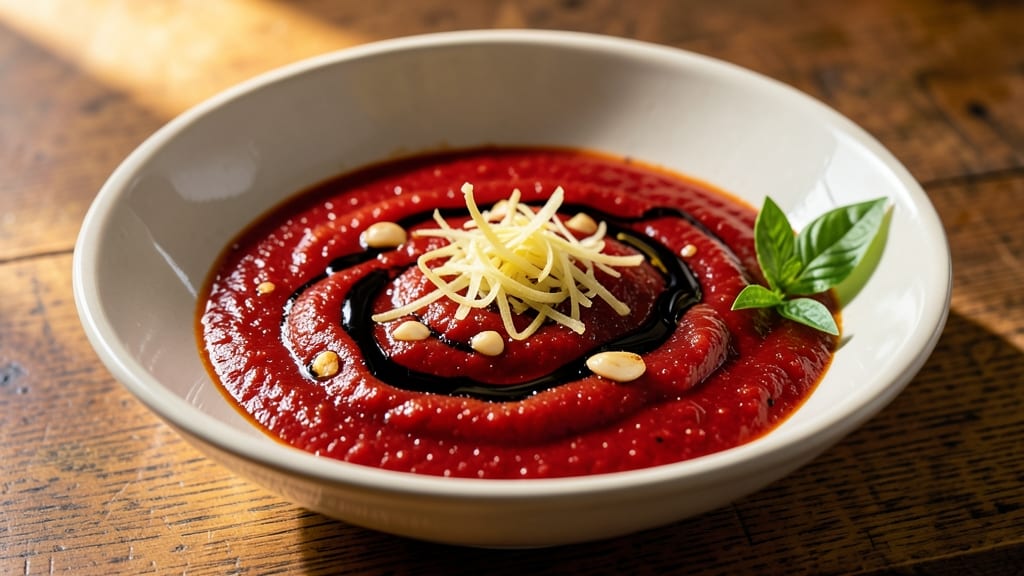
This Asian tomato sauce recipe transforms simple ingredients into a deeply flavorful, umami-rich simmer that elevates stir-fries, dumplings, and noodles to restaurant quality.
The secret lies in balancing sweet, sour, and savory notes—caramelized tomatoes meet aromatic ginger and garlic, while soy sauce and fish sauce build layers of depth that stay vibrant even after reheating.
What sets this sauce apart is its versatility: use it as a quick stir-fry base, a dipping sauce for dumplings, or a glaze for grilled proteins.
The recipe simplifies complex flavors with just 10 minutes of active prep and 20 minutes of simmering, making it perfect for weeknight cooking without sacrificing restaurant-level taste. The sauce thickens beautifully as it cools, ensuring it clings to every bite.
Once you taste the first spoonful—bright with tomato acidity, rich with umami, and just slightly sweet—you’ll understand why this becomes a pantry staple. It keeps for 5 days in the fridge or 3 months in the freezer, so you can make a big batch and use it all week.
The aroma alone will have everyone asking what’s for dinner.
Pair it with shrimp, chicken, or tofu for stir-fries, drizzle over rice bowls, or use as a marinade for grilled meats. The possibilities are endless, but the technique is simple: simmer, reduce, and savor. Let’s get cooking.
Ingredients for asian tomato sauce
Ten ingredients, umami depth, and restaurant-quality flavor in one versatile sauce.
| Ingredient | Amount | Notes |
|---|---|---|
| San Marzano Tomato Paste 🍅 | ½ cup | Canned, high-quality preferred |
| Light Soy Sauce 🍶 | ¼ cup | Kikkoman preferred for balance |
| Dark Soy Sauce 🍶 | 1 tbsp | For deeper umami color |
| Fish Sauce 🐟 | 1 tbsp | Red Boat brand recommended |
| Fresh Ginger 🌿 | 2 tbsp | Finely grated, aromatic |
| Garlic Cloves 🧄 | 4 cloves | Minced, aromatic intensity |
| Brown Sugar 🍚 | 1 tbsp | Lightly packed, for balance |
| Rice Vinegar 🍶 | 1 tbsp | Seasoned preferred for depth |
| Sesame Oil 🫒 | 1 tsp | Toasted, aromatic finish |
| Cornstarch 🌾 | 1 tsp | For thickening consistency |
The foundation begins with San Marzano tomatoes—their natural sweetness and acidity create the perfect base. Kikkoman soy sauce provides the essential salty backbone, while Red Boat fish sauce delivers that signature umami punch. For ginger and garlic, fresh is non-negotiable; pre-minced versions lack the aromatic complexity. Whole Foods or Asian markets carry the best quality, especially for fish sauce and ginger. If you can't find San Marzano, Muir Glen is a solid backup, though the flavor won't be as refined. The brown sugar should be light and packed—dark varieties can overpower the delicate balance.
No fish sauce? Substitute with 1 tbsp extra soy sauce plus 0.5 tsp MSG for umami depth, though the flavor won't be identical. Pre-minced garlic? Freshly mince 4 cloves—it makes a noticeable difference. Out of rice vinegar? Apple cider vinegar works in a pinch, but the sauce will taste slightly sharper. For a thicker consistency without cornstarch, mix 1 tsp arrowroot powder with 1 tbsp cold water as a substitute. The sesame oil is optional but adds that signature nutty aroma—Kadoya brand is widely available and excellent quality. If you're making this for a crowd, double the batch; the sauce only gets better as it sits.
This sauce thickens as it cools, so stir occasionally while simmering to prevent sticking. Store in an airtight container in the fridge for 5-7 days—the flavors meld beautifully over time. For freezing, portion into ice cube trays before transferring to a bag; 3-month shelf life with no texture changes. Reheat gently on low heat, stirring frequently to restore consistency. The sauce pairs exceptionally well with steamed dumplings, grilled tofu, or stir-fried shrimp, so make extra for leftovers—it disappears fast.
Why You'll Love This Recipe
- Pantry Magic: I swear by this sauce—no fresh tomatoes needed, just that rich San Marzano paste and a splash of soy. The umami bomb from dark soy and fish sauce hits different, and honestly? It’s the kind of thing I make when I’ve forgotten to grocery shop.
- Ginger Zing: That fresh ginger? It’s the secret weapon. A quick grating and simmer, and suddenly your sauce has this bright, spicy kick that cuts through the richness. My kids even ask for it now—no joke.
- Meal Prep MVP: This sauce keeps for a week in the fridge and freezes like a dream. Toss it with rice, noodles, or even eggs—it’s my go-to for busy nights when I need something fast but still feels special.
- Budget Flex: Light soy for saltiness, dark soy for depth, and fish sauce for that je ne sais quoi—all under $10 for a batch that feeds my whole family. Between us, this is how I stretch my grocery budget without sacrificing flavor.
Step-by-step instructions for Asian tomato sauce
This umami-rich sauce builds layer by layer—precision matters at every stage.
Bloom the Aromatics in a Light Oil
Heat a medium saucepan over medium-low heat and add 1 tablespoon neutral oil. Once shimmering, add the 2 tablespoons finely grated fresh ginger and 4 minced garlic cloves. Cook for 2-3 minutes until the garlic turns golden and fragrant—this prevents bitter flavors from overcooking.
I like to press the ginger and garlic into the oil with a wooden spoon to release their oils fully. The moment you detect that warm, spicy aroma, you're ready for the next step. Never let the garlic burn—it will turn acrid and ruin the sauce's delicate balance.
Develop the Sauce Base with Tomato and Soy
Reduce heat to low and stir in the 0.5 cup San Marzano tomato paste, spreading it evenly against the pan's surface to prevent scorching. Cook for 2 minutes while stirring constantly, allowing the paste to caramelize slightly and deepen in color.
Next, add the 0.25 cup light soy sauce, 1 tablespoon dark soy sauce, and 1 tablespoon fish sauce. The sauce will bubble vigorously—this is normal. Let it simmer uncovered for 5-6 minutes until slightly reduced and glossy. The dark soy sauce will give it that signature mahogany hue, while the fish sauce adds that essential umami depth.
Balance Flavors with Sweet and Acid
Add the 1 tablespoon brown sugar and 1 tablespoon rice vinegar, stirring to dissolve completely. The sugar will mellow the acidity while the vinegar brightens the sauce. Simmer for another 3-4 minutes until the mixture thickens slightly and coats the back of a spoon.
Taste at this stage—you should detect layers of sweet, salty, sour, and umami. If it's too acidic, add a pinch more sugar. If it's too sweet, a splash of rice vinegar helps. This is where most home cooks adjust the sauce to their preference, so don't be afraid to taste and modify.
Thicken and Finish with Sesame Oil
In a small bowl, whisk together the 1 teaspoon cornstarch with 2 tablespoons cold water until smooth. Slowly pour this slurry into the simmering sauce while stirring constantly. The sauce will thicken immediately—keep stirring for 1-2 minutes until it reaches a glossy, velvety consistency.
Remove from heat and stir in the 1 teaspoon sesame oil. This final touch adds a nutty aroma and rich finish. The sauce should now coat the back of a spoon smoothly without being gluey. If it's too thick, thin with 1 teaspoon hot water at a time until it reaches your desired consistency.
Rest and Use Immediately
Let the sauce rest for 5 minutes before using. This allows the flavors to meld completely. The sauce will thicken slightly more as it cools—this is normal. For maximum flavor, use it within 24 hours, though it will keep refrigerated for up to 5 days in an airtight container.
This sauce works beautifully with stir-fries, dumplings, or even as a marinade. The balance of sweet, salty, sour, and umami makes it incredibly versatile—once you taste it, you'll want to use it everywhere.
Pro Tips For Making Asian Tomato Sauce
- Bloom the Ginger First: Grate that fresh ginger before heating anything—it releases oils and aroma instantly. I used to toss it in raw, and the sauce always tasted like it was holding back. A tablespoon of finely grated ginger (peeled, no pith) will make your sauce sing without bitterness. (Yes, even if you’re impatient like me, wait 2-3 minutes before adding it to the pot—it softens the flavor.)
- Low and Slow for Depth: Simmer this sauce at a gentle bubble—no rushing. I learned this the hard way when I cranked the heat to save time, and the soy sauces burned before the tomatoes could mellow. Keep it at a low simmer (3-4 minutes per cup of liquid) so the fish sauce’s umami has space to unfold. (Your future self will thank you.)
- Balance the Soy Sauces: Dark soy sauce adds color; light soy sauce adds saltiness. Use them in a 1:2 ratio (1 tbsp dark to 2 tbsp light per cup of sauce) unless you’re going for a glossy black finish. I once skipped the dark soy entirely and ended up with a pale, one-dimensional sauce—like a ghost of its flavorful self.
- Toast the Tomato Paste: Cook the San Marzano paste in oil for 2-3 minutes before adding liquids—it deepens the caramel notes. I was skeptical until I tried it: the sauce gained a richness that canned paste alone just couldn’t match. (Does it look weird? Yes. Does it work? Every single time.)
Pro cooking tips for this recipe
Master the Simmer
Low and slow is your friend here—keep the heat at medium-low once you add the tomato paste to prevent scorching. I swear by using a heavy-bottomed saucepan like All-Clad Stainless to distribute heat evenly.
Stir constantly during the first 5 minutes to build flavor without burning. The sauce should reduce gradually, not boil furiously—this ensures depth rather than sharpness. 🔥
Umami Layering
Fish sauce and dark soy sauce are non-negotiable for authentic flavor. For extra depth, add ½ teaspoon MSG if you're sensitive to fish sauce's funk. I like to taste after each addition—first the soy, then the fish sauce—so I can adjust.
The goal is a balance where you can't pick out individual flavors, just a harmonious umami punch. Trust your palate here!
Thickening Secrets
Cornstarch is your best friend, but timing matters. Whisk it with cold water first to prevent clumping, then add slowly while stirring vigorously. If the sauce gets too thick, thin with hot water (never cold) to avoid breaking the emulsion.
For a glossier finish, add ½ teaspoon xanthan gum instead—it dissolves completely and gives a silky texture. 💫
Flavor Boosts
Want extra richness? Add 1 teaspoon oyster sauce or ½ teaspoon white pepper at the end. For a smoky note, stir in ¼ teaspoon smoked paprika with the sesame oil.
These tweaks elevate the sauce without overpowering its natural balance. I keep a small jar of Penzeys 7-Spice nearby for quick adjustments—just a pinch adds complexity.
Equipment Upgrades
A fine-mesh strainer helps if you prefer a smoother sauce—strain after simmering to remove any cooked bits. For precision, use a digital kitchen scale to measure the cornstarch slurry (by weight, not volume).
A silicon spatula prevents scratching your pan while stirring. These small upgrades make a big difference in consistency and flavor extraction. ✨
Nutrition facts
Frequently asked questions
Can I make this sauce without fish sauce?
Yes! For a vegetarian version, replace the 1 tablespoon fish sauce with 1.5 tablespoons extra soy sauce plus ½ teaspoon MSG to maintain umami depth. Alternatively, use 1 tablespoon coconut aminos for a milder flavor, though the sauce will be slightly less complex. The key is balancing the saltiness—taste as you go!
How do I adjust the thickness for dipping vs. stir-frying?
For dipping (like dumplings), aim for a glossy, medium-thick consistency—similar to honey. For stir-fries, keep it thinner and more liquidy so it coats ingredients evenly. Thin with 1 teaspoon hot water at a time if needed, or thicken further by simmering uncovered for 2-3 extra minutes. The sauce will naturally thicken as it cools, so adjust before serving.
What’s the best way to store leftovers?
Transfer to an airtight container and refrigerate for up to 5 days. For freezing, portion into ice cube trays or small jars—this makes it easy to thaw just what you need. The sauce keeps its texture and flavor perfectly for 3 months in the freezer. Thaw overnight in the fridge and reheat gently on low heat, stirring occasionally to restore consistency.
Can I use this sauce in marinades?
This sauce works brilliantly as a marinade for chicken, shrimp, or tofu. Let the protein marinate for at least 30 minutes (or up to 4 hours for deeper flavor). For grilling, use ½ cup sauce per pound of protein. The acidity in the vinegar and tomatoes helps tenderize, while the umami flavors caramelize beautifully on the heat. Reserve 2 tablespoons to use as a glaze after cooking!
Why did my sauce turn out too salty?
This usually happens when using both light and dark soy sauce without tasting as you go. To fix it, add 1-2 tablespoons water and 1 teaspoon brown sugar to balance the saltiness. For prevention, taste after adding the soy sauces and adjust with a pinch of sugar or a splash of vinegar before proceeding. If the sauce is already too salty, thin it with a tomato-based broth or water to dilute the flavor while maintaining texture.