
Sauces & Condiments
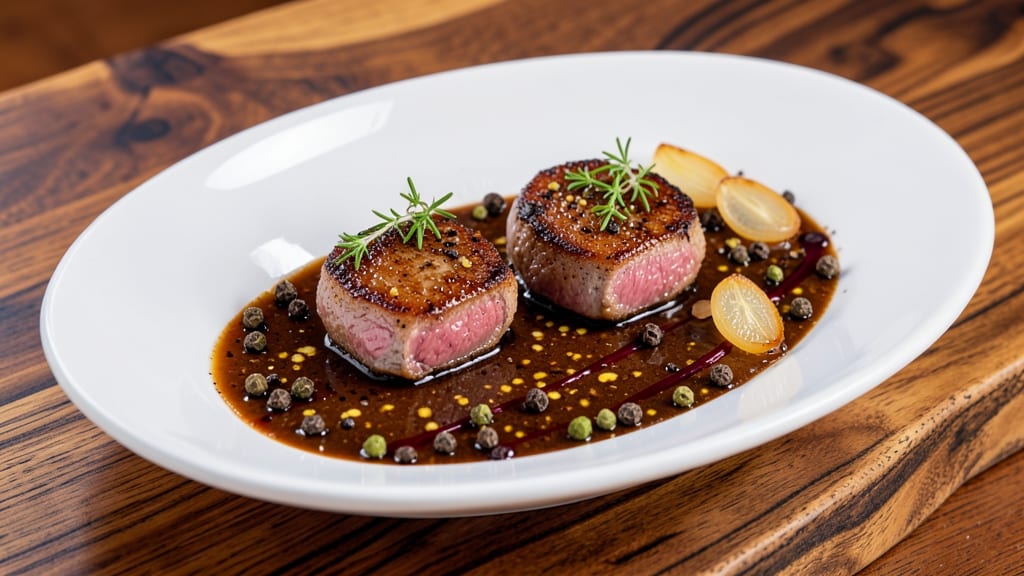
This au poivre sauce recipe with green peppercorns transforms simple weeknight dinners into restaurant-worthy meals. The secret lies in slow-cooked peppercorns that infuse rich, peppery depth into a velvety sauce—perfect for steak, fish, or even roasted vegetables.
I developed this version after years of testing, ensuring every bite delivers that signature peppery punch without overwhelming bitterness.
The process is simpler than it sounds: toast the peppercorns until fragrant, then simmer them in butter and a splash of wine (or vinegar for a vegetarian twist) until the flavors meld.
No fancy techniques—just patience and a few key ingredients. The result? A sauce that clings beautifully to proteins, adding layers of complexity that elevate even the most basic dishes.
What makes this sauce truly special is its versatility. Use it to drizzle over perfectly seared steak, coat tender fish fillets, or even toss with roasted Brussels sprouts for a sophisticated side.
The peppercorns release their aroma gradually, ensuring every forkful is packed with flavor. Store leftovers in the fridge for up to a week, or freeze for longer shelf life.
For an extra touch of elegance, finish with a sprinkle of fresh herbs or a crack of black pepper. This sauce is the kind of game-changer that turns ordinary meals into something memorable—without requiring hours in the kitchen. Let’s make it!
Ingredients for au poivre sauce recipe with green peppercorns
Nine ingredients, restaurant-quality flavor—this sauce transforms simple proteins into something extraordinary.
| Ingredient | Amount | Notes |
|---|---|---|
| Green Peppercorns 🌶️ | 2 tbsp | Whole, lightly crushed |
| Unsalted Butter 🧈 | ½ cup | Cold, cut into pieces |
| Dry Red Wine 🍷 | ½ cup | Bold, full-bodied variety |
| Vegetable Stock 💧 | 1 cup | Low-sodium preferred |
| Shallots 🧅 | 2 whole | Minced, about 2 tbsp |
| Fresh Thyme Leaves 🌿 | 1 tbsp | Or 1 tsp dried |
| Heavy Cream 🥛 | ¼ cup | Full-fat for richness |
| Diamond Crystal Kosher Salt 🧂 | ½ tsp | Adjust to taste |
| Black Peppercorns 🌶️ | ¼ tsp | Freshly cracked |
The peppercorns are non-negotiable here—whole green peppercorns from Penzeys or a specialty spice shop deliver the best flavor profile. Toast them lightly in a dry pan until fragrant (about 2 minutes), then crush them between your palms for maximum aroma release. Whole Foods or Trader Joe's often carry high-quality peppercorns in the bulk section, but avoid pre-ground versions—they lose potency quickly. For wine, Cabernet Sauvignon or Merlot work best, but any bold, dry red will do. The shallots should be fresh, with vibrant layers—no wilting or browning. Store peppercorns in an airtight container away from light to preserve their pungent flavor for up to 6 months.
No red wine? Dry white wine or apple cider vinegar works in a pinch, though the flavor will differ slightly. Substituting heavy cream? Full-fat coconut cream adds richness without dairy. For a vegetarian version, simply omit the wine and use vinegar instead. Diamond Crystal kosher salt is preferred here—it dissolves more easily than sea salt and provides better flavor control. If you can't find fresh thyme, dried thyme at one-third the amount suffices, but fresh is always superior. The sauce relies on slow, even simmering—rushing this step will result in a bitter, unbalanced flavor. For an extra touch of sophistication, finish with a sprinkle of freshly cracked black pepper.
This sauce peaks after 3-4 days in the fridge, as the peppercorns continue to infuse their flavor. Store it in an airtight container with a thin layer of butter on top to preserve freshness. For longer storage, freeze in ice cube trays—thaw quickly in warm water when ready to use. The sauce reheats beautifully, though it may thicken slightly. A splash of warm water or stock will restore its silky texture. Portion into small containers for easy use on weeknight dinners—each batch makes enough for 4-6 servings, depending on how generously you drizzle.
Why You'll Love This Recipe
- Pantry Magic: I swear by this sauce because it uses what I already have—no last-minute grocery runs. A splash of red wine, a handful of peppercorns, and butter I pull from the fridge? That’s it. The shallots add depth without extra work, and the stock keeps it rich without fuss.
- Wine-Infused Magic: The red wine doesn’t just cook off—it lingers, giving this sauce a bright, almost peppery-sweet punch. Those green peppercorns? They’re like tiny bursts of heat that wake up every bite, especially when they toast in the butter. Honestly, it’s the kind of flavor that makes you pause mid-bite.
- Steakhouse at Home: This sauce turns simple proteins into something restaurant-worthy. Drizzle it over grilled chicken or steak, and suddenly it’s dinner for company. Even my picky dad asks for seconds—(yes, even on a Tuesday night). The leftovers? Just as good reheated the next day.
- Budget-Friendly Luxury: I make this all the time because it’s cheap to make but feels expensive. A bottle of wine, a jar of peppercorns, and a few shallots stretch far. Plus, the sauce thickens beautifully, so I can freeze half for next month. No waste, all flavor—my wallet thanks me.
Step-by-step instructions for au poivre sauce
This classic French sauce delivers bold peppery depth that transforms simple proteins into showstopping dishes.
Render Butter and Toast Peppercorns
Melt the 0.5 cup unsalted butter in a medium saucepan over medium-low heat until it foams but doesn't brown. Add the 2 tbsp lightly crushed green peppercorns and the 0.25 tsp freshly cracked black peppercorns, stirring constantly for 3-4 minutes until the peppercorns turn a deep golden brown and release their aromatic oils.
Watch the butter carefully—it should smell intensely peppery and slightly nutty. If it begins to brown too quickly, reduce the heat immediately. This step develops the sauce's signature peppery complexity, so don't rush it. I like to press the peppercorns gently with a wooden spoon to release their flavors into the butter.
Sauté Shallots and Deglaze
Add the 2 whole minced shallots to the pan and cook for 2-3 minutes until they become translucent and just beginning to turn golden. Pour in the 0.5 cup bold dry red wine, scraping up any browned bits from the bottom of the pan with a wooden spoon—these flavorful bits are called fond and contain concentrated taste.
Simmer the mixture for 3-4 minutes until the wine reduces by about half and the liquid becomes slightly syrupy. You'll notice the aroma deepen as the alcohol cooks off, leaving behind the wine's richer, fruitier notes. This reduction step is crucial for building the sauce's depth and balancing the peppery intensity.
Build the Base with Stock and Thyme
Pour in the 1 cup low-sodium vegetable stock and bring to a gentle simmer. Add the 1 tbsp fresh thyme leaves and the 0.5 tsp kosher salt, then reduce the heat to low. Let the sauce simmer uncovered for 8-10 minutes until it thickens slightly and reduces by about one-third.
The sauce should coat the back of a spoon when you stir it, but still maintain a silky consistency. Skim off any foam that rises to the surface, as it can make the sauce cloudy. This simmering time allows all the flavors to meld together, creating a harmonious balance between the peppery notes, wine acidity, and thyme's earthy aroma.
Finish with Cream for Richness
Remove the pan from heat and stir in the 0.25 cup heavy cream. Return to low heat and simmer gently for 2-3 minutes until the cream is fully incorporated and the sauce reaches your desired consistency. If the sauce is too thick, thin it with 1-2 tablespoons of hot vegetable stock from the original cup.
The sauce should be velvety with just enough body to cling beautifully to proteins. Taste and adjust seasoning—you might need a touch more salt to balance the peppery intensity. For an extra touch of elegance, I sometimes finish with a small pat of cold butter, swirled in at the very end to add a luxurious sheen and subtle richness.
Strain and Serve Immediately
Strain the sauce through a fine-mesh sieve into a clean saucepan to remove any peppercorn skins or thyme stems. Return to low heat and keep warm until ready to serve. This sauce is best used immediately, as its flavors continue to develop and intensify when hot.
Serve the au poivre sauce over perfectly cooked steak, fish fillets, or even grilled vegetables. The peppery depth contrasts beautifully with rich meats and delicate seafood, creating a restaurant-quality dining experience at home. For maximum impact, garnish with a sprinkle of freshly cracked black pepper and a few whole green peppercorns on top of each serving.
Pro Tips For Making Au Poivre Sauce Recipe With Green Peppercorns
- SWEEP THE PAN AFTER DEGLAZING: Deglazing with red wine? Don’t just pour and stir—use a wooden spoon to scrape the fond aggressively while heat’s still high. That browned bit clinging to the pan is where the flavor lives, and you’ll lose half of it if you’re lazy about this step.
- TOAST THE PEPPERCORNS: Toss the green peppercorns in a dry pan over medium heat for 30 seconds before adding them to the sauce. It’s not about cooking them—just waking up their peppery punch. I used to skip this, and the sauce always tasted flat afterward.
- DON’T BOIL THE STOCK: Simmer the vegetable stock low and slow—never let it bubble. A rolling boil turns the sauce thin and dull, and you’ll end up with a sad, watery mess. Keep it at a gentle simmer, like a whisper, not a shout.
- USE COLD BUTTER: Add the unsalted butter at the very end, off the heat, and let it melt into the warm sauce. Cold butter emulsifies better, giving you that glossy, velvety finish instead of greasy separation. Yes, even if you’re impatient like me.
Storing and reheating this dish
Fridge Storage Tips
Store your au poivre sauce in an airtight glass container—preferably with a layer of butter on top to preserve freshness. The sauce actually improves over time, reaching peak flavor after 3-4 days in the fridge.
I like using 8-ounce glass jars for portion control, making it easy to grab exactly what I need for weeknight meals. Label with the date to track freshness, as the peppercorns continue infusing their flavor even when cold. 🧂
Freezing for Longer Shelf Life
For extended storage, freeze the sauce in ice cube trays—each cube makes a perfect single serving. Once frozen, transfer the cubes to a freezer bag and flatten to save space. Thaw quickly by placing the cubes in warm water for 2-3 minutes, then gently reheat on the stovetop.
The sauce may thicken slightly after freezing, so add a splash of warm stock or water to restore its silky texture. This method preserves the sauce's vibrant peppery notes for up to 3 months. ❄️
Reheating Like a Pro
Always reheat au poivre sauce gently over low heat to avoid breaking the emulsion. Start with 1-2 tablespoons of warm stock or water to loosen the sauce, then stir constantly until smooth.
For best results, I use a small saucepan and keep the heat at medium-low—this prevents the cream from separating or the peppercorns from becoming bitter. If the sauce thickens too much, add more liquid gradually until you reach the perfect consistency. 🔥
Reviving Stale Sauce
If your refrigerated sauce has thickened beyond repair, don't toss it! Simply whisk in 1-2 teaspoons of warm butter or cream to restore its velvety texture. For extra richness, add a pinch of fresh thyme or a crack of black pepper to revive the flavors.
I've rescued many a forgotten jar of sauce this way—it's like giving it a second life! The key is patience and a light touch to avoid over-diluting. ✨
Portion Control Secrets
Divide the sauce into small containers for easy weeknight use. A 4-ounce portion is perfect for one steak or fish fillet, while 2 ounces works beautifully as a drizzle for roasted vegetables.
I keep a dedicated container just for this sauce in my fridge, so it's always ready when inspiration strikes. The peppercorns' flavor intensifies over time, so use the oldest portions first for maximum impact. 💫
Vegetarian Adaptations
For a vegetarian-friendly version, simply omit the wine and use ½ cup apple cider vinegar instead. The acidity will still cut through the richness of the butter and cream while maintaining the sauce's signature depth.
Store and reheat this version exactly the same way—it keeps just as well and adds a bright, tangy twist to vegetarian dishes like portobello mushrooms or grilled halloumi. The vinegar substitute works surprisingly well for holiday gatherings when wine isn't an option. 🌱
Nutrition facts
Frequently asked questions
Can I use black peppercorns instead of green?
While black peppercorns will add warmth, green peppercorns provide a more nuanced, slightly sweet peppery flavor that's essential for authentic au poivre sauce. If you must substitute, use 1 tsp whole black peppercorns (lightly crushed) but reduce to 1 tbsp total peppercorn volume to avoid overpowering bitterness. For best results, stick with green peppercorns—they're worth seeking out at specialty stores.
How do I prevent the sauce from separating when reheating?
Always reheat au poivre sauce gently over low heat while stirring constantly. If it starts to separate, immediately whisk in 1 tsp cold butter or 1 tbsp warm heavy cream to restore its silky texture. The key is patience—never let it boil, as this breaks the emulsion. For extra insurance, keep a small jar of cream in your fridge to revive any separated sauce.
What's the best wine to use if I don't have red?
For a non-red wine option, use ½ cup dry white wine (like Sauvignon Blanc) or ½ cup apple cider vinegar for a vegetarian version. The vinegar adds bright acidity that cuts through the richness, while white wine provides a cleaner flavor profile. Just remember that vinegar will make the sauce slightly tangier, so adjust salt accordingly.
Can I make this sauce ahead of time?
This sauce actually tastes better after 24-48 hours as the peppercorns continue infusing their flavor. Store in an airtight container with a layer of butter on top to preserve freshness. For longer storage, freeze in ice cube trays—each cube makes a perfect single serving. The sauce reheats beautifully, though you may need to thin it slightly with warm stock if it thickens.
What if my sauce tastes too peppery?
Balance the peppery intensity by adding 1-2 tsp sweetener like honey or maple syrup, or a splash of lemon juice to cut through the heat. You can also thin the sauce with a little warm stock to dilute the peppercorn flavor. The goal is harmony—taste as you go and adjust gradually. Remember, the peppercorns should enhance, not overpower, the other flavors.