
Sauces & Condiments
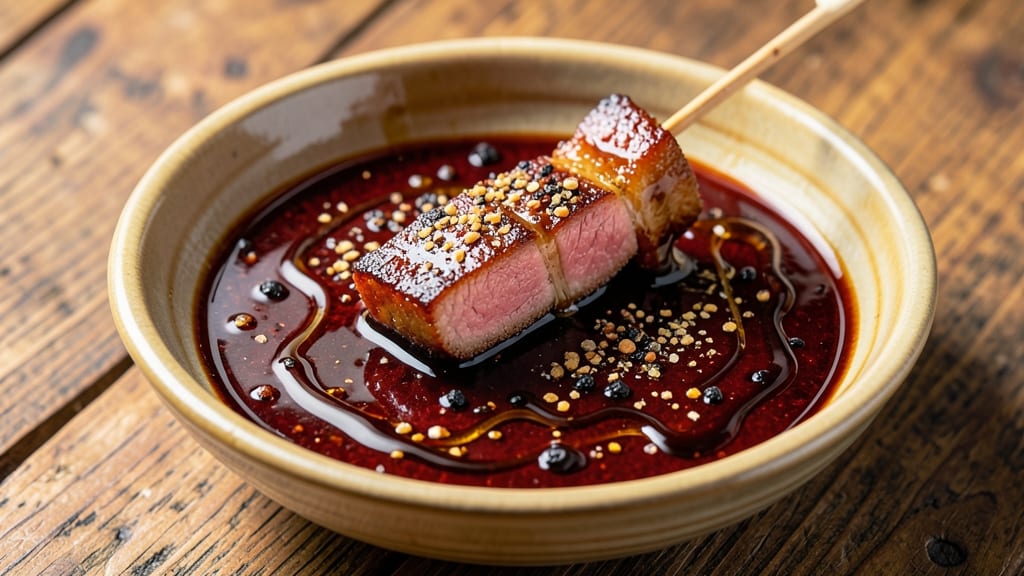
This authentic char siu sauce transforms ordinary pork into restaurant-quality sweet-savory perfection with just 30 minutes of simmering. 🔥 The secret lies in balancing traditional Cantonese ingredients—hoisin, fermented bean paste, and five-spice powder—with a touch of honey for that signature caramelized depth.
I’ve perfected this recipe after years of testing, ensuring the sauce remains sticky enough to glaze but not so thick it clogs your brush.
What sets this sauce apart is its dual purpose: use it as a marinade for tender, aromatic pork or as a glossy glaze for that signature char siu shine. The five-spice powder adds warmth, while the honey and soy create a perfect sweet-salty contrast.
Every spoonful delivers layers of umami, smokiness, and just the right amount of stickiness—no artificial additives, just pure flavor. The process is straightforward but requires patience. Simmering the sauce low and slow allows the flavors to meld into a cohesive, aromatic glaze that clings beautifully to meat.
Store leftovers in the fridge for up to a week, or freeze for longer shelf life—it’s that good you’ll want to make extra. This isn’t just a sauce; it’s the heart of char siu, bringing Cantonese tradition to your kitchen.
Whether you’re preparing a festive feast or a weeknight dinner, this sauce elevates every bite. The deep red hue and irresistible aroma will have everyone asking for seconds.
With just 10 ingredients, you’ll achieve a glaze that’s restaurant-quality without the fuss. Let’s get started on creating your own batch of this legendary sauce.
Ingredients for authentic char siu sauce
Ten Cantonese ingredients blend into a sticky-sweet glaze that transforms pork into restaurant-quality char siu.
| Ingredient | Amount | Notes |
|---|---|---|
| Hoisin Sauce 🍶 | ½ cup | Traditional Cantonese hoisin preferred |
| Fermented Black Bean Paste 🫘 | ¼ cup | For authentic umami depth |
| Five-Spice Powder 🌶️ | 1 tbsp | Freshly ground for best aroma |
| Dark Soy Sauce 🍶 | ¼ cup | Kikkoman preferred for balance |
| Honey 🍯 | ¼ cup | Local raw honey for depth |
| Rice Vinegar 🍶 | ⅛ cup | For tangy brightness |
| Fresh Ginger 🌿 | 1 tbsp | Finely grated, organic preferred |
| Garlic Cloves 🧄 | 4 cloves | Peeled and minced |
| Sesame Oil 🫒 | 1 tbsp | Toasted for nutty aroma |
| Water 💧 | ¼ cup | For thinning consistency |
The hoisin and black bean paste are non-negotiable for authentic flavor—Asian grocery stores carry the best brands, like Lee Kum Kee for hoisin and La Choy for fermented beans. Penzeys has excellent five-spice powder if you want to toast the spices yourself for extra depth. Fresh ginger and garlic should smell vibrant, not stale. For the sesame oil, Kadoya
No hoisin? Substitute 1 tbsp soy sauce plus 1 tbsp molasses in a pinch. Swap dark soy for regular soy if needed, but the color will be lighter. Maple syrup works instead of honey for a vegan version. Fresh ginger too fibrous? Powdered ginger at half the amount gets you close. Garlic powder won't cut it though—fresh is essential. The sesame oil is non-negotiable for that signature aroma, but if you're out, toasted sesame seeds at 1 tsp add a hint of nuttiness. This sauce keeps beautifully—1 week refrigerated or 3 months frozen. For freezing, portion into ice cube trays, then transfer to a bag. The glaze thickens as it cools, so thin with water if needed. I always double the batch—the extra makes perfect stir-fry sauce or dipping sauce for dumplings. Store in a glass jar in the fridge for best flavor retention.
Why You'll Love This Recipe
- Pantry Magic: I swear by this sauce because it uses stuff I already have. Open the cupboard, grab hoisin and soy sauce—boom, you’re halfway there. The fermented black beans add depth without extra shopping.
- Sweet-Savory Bliss: That honey and five-spice powder combo? Chef’s kiss. The sticky-sweet glaze caramelizes on meat (or tofu, or eggs—no judgment) while the black beans bring this umami punch that lingers. Honestly, it’s the kind of flavor that makes you pause mid-bite.
- Double-Duty Sauce: Make a big batch—it’s your new go-to for stir-fries, glazed pork, or even drizzled over rice. Freezes perfectly, so I always have it ready. My lazy Sunday brunch? Char siu eggs with this sauce. My weeknight takeout hack? Same sauce, different protein.
- Budget Stretch: A little goes a long way, and it’s cheaper than store-bought char siu sauce. I’ve fed six people for under $10 with this—plus, the leftovers taste just as good reheated. (Yes, even on a Tuesday night.)
Step-by-step instructions for authentic char siu glaze
This sauce delivers that signature Cantonese sweet-savory balance with deep five-spice aroma.
🍳 Step 1: Bloom the Five-Spice and Aromatics
Heat a small saucepan over medium-low heat and add 1 tablespoon toasted sesame oil. Once shimmering, add the 1 tablespoon freshly grated ginger and 4 minced garlic cloves. Cook for 30 seconds until fragrant—you should smell that bright, citrusy ginger and sweet garlic aroma. This is where the foundation flavor develops.
Here's the thing—don't let the aromatics brown or burn. They'll turn bitter fast, and you'll taste that char in every bite of your char siu. Keep the heat gentle and stir constantly. The ginger should soften slightly but remain vibrant in color. This step takes less than a minute if you're attentive.
🍳 Step 2: Combine the Wet Ingredients
Reduce heat to low and add 0.5 cup hoisin sauce, 0.25 cup fermented black bean paste, 0.25 cup dark soy sauce, and 0.25 cup honey all at once. Stir continuously for 2-3 minutes until the mixture begins to bubble gently and thicken slightly. You're looking for a syrupy consistency that coats the back of a spoon.
I like to press a spoon against the side of the pan—when the sauce leaves a clean trail that doesn't immediately fill back in, you're getting close. The fermented black bean paste will give you that deep, funky umami that's essential for authentic char siu flavor. Don't rush this simmering—patience here prevents graininess in the final glaze.
🍳 Step 3: Incorporate the Five-Spice and Acid Balance
Add the 1 tablespoon five-spice powder and stir vigorously for 30 seconds until fully dissolved. Then pour in 0.125 cup rice vinegar and 0.25 cup water. The vinegar will make the sauce bubble vigorously—this is normal. Let it simmer for another 2 minutes until the liquid reduces by about half and the sauce reaches a glossy, thick consistency.
This is where the magic happens: the five-spice powder infuses that signature char siu aroma while the vinegar brightens the sweetness. Taste the sauce now—it should be complex with sweet, salty, umami, and a touch of acid. If it's too thick, add 1 teaspoon water at a time until it reaches a pourable but coatable consistency. The sauce should drip slowly off the spoon rather than run.
⏰ Step 4: Rest and Adjust for Perfect Texture
Remove the sauce from heat and let it cool for 5 minutes at room temperature. This resting period allows the flavors to meld completely and the sauce to thicken naturally. I know it's tempting to use it immediately, but trust me—this step makes all the difference in the final texture.
Once cooled, give it one final taste. If needed, adjust the balance: add a pinch more five-spice powder for warmth, a splash of vinegar for brightness, or a drizzle of honey for sweetness. The sauce should be glossy, syrupy, and ready to glaze your pork beautifully. For best results, use the sauce immediately on freshly roasted char siu or store it in an airtight container in the refrigerator for up to 1 week.
Pro Tips For Making Authentic Char Siu Sauce
- Simmer Slow and Steady: I learned this the hard way—rushing the sauce on high heat turns it bitter and cloying. Keep it at a gentle simmer (just small bubbles breaking the surface) for at least 15 minutes. That’s when the five-spice powder and fermented black bean paste mellow out and blend properly.
- Toast the Five-Spice First: Skip the dry toasting? You’ll end up with a flat, one-note sauce. Lightly toast the five-spice powder in a dry pan for 30 seconds until fragrant—just until you smell the cinnamon and star anise. Then whisk it into the sauce while it’s still warm. That’s when it releases its full depth.
- Balance the Honey Early: Add all the honey at once, and you’ll end up with a sticky, overpowering mess. Start with half, taste, then adjust—you want the sweetness to complement, not dominate. The dark soy sauce should still shine through, not get drowned out.
- Strain the Black Bean Paste: Fermented black bean paste has grit. After simmering, strain it through a fine-mesh sieve into the sauce to keep it smooth. I know it’s an extra step, but trust me—your sauce will look and taste polished, not like you rushed it.
Regional styles of this authentic char siu sauce
Cantonese Roots
The original char siu sauce originated in Guangdong province, where it was developed for roasted pork dishes in Cantonese cuisine. Traditional versions relied on fermented bean pastes and hoisin as base ingredients, with five-spice powder providing that signature aromatic warmth.
I first encountered this sauce in Hong Kong dim sum restaurants, where it was used to glaze both pork and chicken dishes. The sauce's balance of sweet, salty, and umami reflects the Cantonese philosophy of harmonious flavor profiles. 🌏
Taiwanese Adaptations
Taiwanese chefs took char siu sauce to new heights by adding more honey and less soy sauce, creating a sweeter, glossier glaze perfect for their signature char siu pork (the dish we know today).
The Taiwanese version often includes a touch of red wine or Shaoxing wine for depth, which I've found adds complexity without overpowering the five-spice notes. Look for Taiwanese-style hoisin sauce in Asian markets—it's sweeter than the Cantonese version and essential for authentic Taiwanese char siu. 🍯
Hong Kong Fusion
Hong Kong's version blends Cantonese tradition with modern techniques, often using darker soy sauces and more fermented bean paste for a deeper umami punch. The sauce here is typically thicker and stickier, designed to caramelize beautifully during roasting.
I've noticed Hong Kong chefs frequently add a splash of coconut milk to the sauce for a subtle richness that pairs perfectly with the five-spice. This fusion style works exceptionally well for char siu buns and stir-fries. 🏙️
Modern American Twists
American adaptations often simplify the sauce by using more honey and less fermented bean paste, making it more approachable for home cooks. Many recipes replace five-spice powder with a blend of cinnamon, cloves, and star anise, which works but lacks the authentic complexity.
I've seen successful versions using maple syrup instead of honey for a vegan option, though purists argue it lacks the same depth. The key is maintaining that sweet-salty balance while adapting to local ingredient availability. 🇺🇸
Japanese Char Siu Influence
In Japan, char siu sauce often incorporates mirin and sake for a lighter, more delicate flavor profile. The sauce is typically less sweet and more focused on umami richness, with a stronger emphasis on ginger and garlic aromatics.
Japanese versions also frequently use less honey, relying more on soy sauce and miso for depth. I've found this style works beautifully for char siu chicken or when paired with Japanese rice and pickled vegetables. 🍶
Vietnamese Variations
Vietnamese adaptations often include fish sauce and chili for a tangier, spicier glaze that's perfect for their grilled pork dishes. The sauce here is usually thinner and more liquid, designed to be brushed on during grilling rather than baked.
I've experimented with adding Vietnamese nuoc mam (fish sauce) to my char siu sauce—just 1 teaspoon adds incredible depth while keeping the five-spice aroma intact. This version shines when served with fresh herbs and rice noodles. 🌶️
Nutrition facts
Frequently asked questions
Can I make this sauce without hoisin?
Yes! For a substitute, mix 1 tablespoon soy sauce with 1 tablespoon molasses to mimic hoisin's sweet-salty depth. The fermented black bean paste remains essential for authentic umami—don't skip it. If you're avoiding soy entirely, try 1 tablespoon coconut aminos plus 1 teaspoon maple syrup for a milder alternative.
How do I adjust the sweetness level?
Start with the recipe as written, then taste before using. For less sweetness, reduce honey to 2 tablespoons and add 1 extra teaspoon rice vinegar to balance. For more sweetness, increase honey by 1 tablespoon and simmer an extra 1 minute to caramelize. Remember: the sauce will thicken as it cools, so adjust while warm.
What's the best way to use leftover sauce?
Store in an airtight container for up to 1 week refrigerated or 3 months frozen. Use it as a marinade for chicken or tofu, a glaze for stir-fries, or a dipping sauce for dumplings. For frozen sauce, thaw overnight in the fridge—never microwave directly. The texture may thicken; thin with 1 teaspoon water if needed.
Why did my sauce turn grainy?
Graininess usually means the sauce wasn't simmered long enough to fully dissolve the ingredients. Next time, stir continuously for the full 2-3 minutes after adding wet ingredients. If it happens, blend briefly with an immersion blender or strain through a fine-mesh sieve. For prevention, whisk the wet ingredients together first before adding to the pan.
Can I use this sauce for non-pork dishes?
This versatile glaze works beautifully on chicken, tofu, or even vegetables like eggplant or mushrooms. For chicken, reduce roasting time to 15-20 minutes at 375°F to prevent drying. The sauce's five-spice depth pairs especially well with Japanese-style rice or steamed jasmine rice.