
Sauces & Condiments
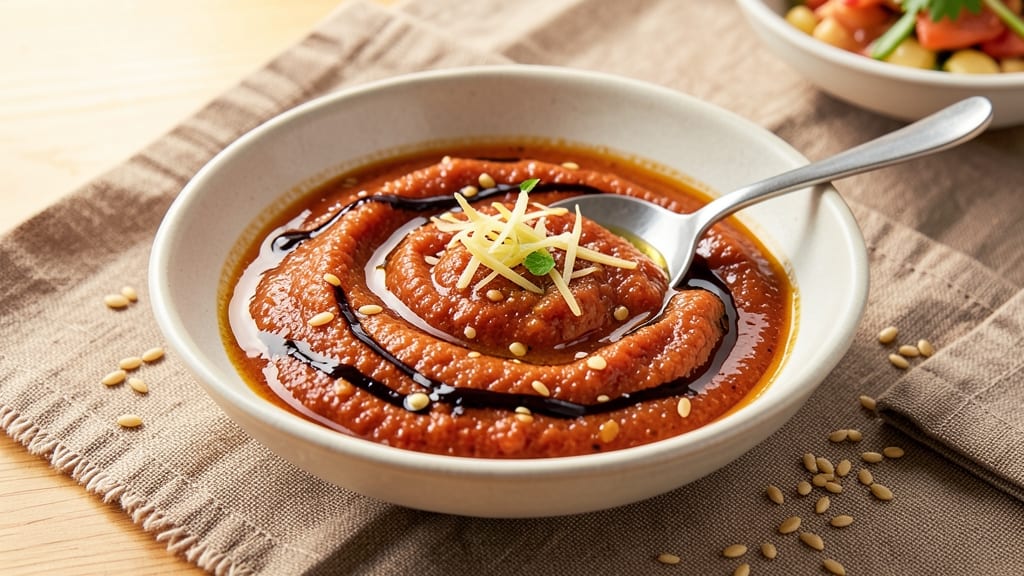
This authentic gochujang sauce recipe delivers the perfect balance of fermented heat and umami depth that defines Korean cuisine. The key lies in precise ingredient ratios—fermented red chili paste (gochujang) as the base, balanced with rice vinegar for tang, and a touch of sugar to harmonize flavors.
Traditional techniques like slow simmering develop complex layers, while modern adaptability makes it ideal for marinades, dipping sauces, or glazes.
What sets this sauce apart is its versatility without sacrificing authenticity. The gochujang provides a deep, slightly sweet heat, while soy sauce and sesame oil add savory richness. A splash of water ensures smooth consistency, and a final touch of toasted sesame seeds elevates both texture and aroma.
The process is straightforward but demands patience—allowing flavors to meld during simmering transforms this into a sauce that rivals restaurant-quality versions.
Once complete, you’ll have a vibrant, slightly sticky sauce with a glossy finish and layers of flavor that enhance everything it touches. Use it as a bold marinade for grilled meats, a dipping sauce for dumplings, or a glaze for roasted vegetables.
The sauce keeps well in the refrigerator for up to two weeks, making it a pantry staple for Korean-inspired dishes.
The beauty of this recipe is its adaptability—scale it up for batch cooking or adjust the heat level to taste. Whether you’re a seasoned cook or new to Korean flavors, this gochujang sauce will become a trusted tool in your kitchen, delivering authentic taste with minimal effort.
Ingredients for authentic gochujang sauce
Nine ingredients transform into the vibrant, fermented heat of authentic Korean cuisine.
| Ingredient | Amount | Notes |
|---|---|---|
| Gochujang (Korean Red Chili Paste) 🌶️ | ½ cup | High-quality, fermented for depth |
| Rice Vinegar 🍶 | ¼ cup | Seasoned preferred for balance |
| Granulated Sugar 🍚 | ¼ cup | Light brown sugar for caramel notes |
| Soy Sauce 🥢 | ¼ cup | Light soy for clean flavor |
| Sesame Oil 🫒 | 2 tbsp | Toasted for nutty aroma |
| Water 💧 | ¼ cup | Adjust for desired consistency |
| Toasted Sesame Seeds 🌰 | 1 tbsp | Freshly toasted for crunch |
| Garlic Cloves 🧄 | 3 cloves | Minced for aromatic base |
| Ginger (Fresh) 🌿 | 1 tbsp | Grated for zesty brightness |
| Salt 🧂 | ½ tsp | Diamond Crystal kosher |
The gochujang is non-negotiable here—look for brands like Maesil or Haein at Asian markets or well-stocked grocery stores. The paste should be thick, slightly sticky, and have a deep red hue. If it smells like vinegar or alcohol, that's normal (fermentation at work). For the sesame oil, toast the seeds first—pop them in a dry pan for 2-3 minutes until fragrant. That nutty aroma is what separates homemade from store-bought. The ginger and garlic? Fresh only—no powdered shortcuts here. If you're short on time, Trader Joe's frozen ginger works in a pinch, but freshly grated makes all the difference.
No rice vinegar? Apple cider vinegar at half the amount gets you close, though the flavor will be slightly sharper. Running out of sesame oil? Avocado oil plus a pinch of toasted sesame powder mimics the texture. The sugar can be swapped for maple syrup or agave, but brown sugar gives that subtle caramel depth. For heat adjustments, add gochugaru (Korean chili flakes) to taste—start with 1/2 tsp and go from there. The sauce should coat the back of a spoon but still be pourable; if it's too thick, add water one teaspoon at a time.
This sauce keeps beautifully—up to 2 weeks in the fridge in an airtight jar. The flavors actually improve over time, so make extra. For long-term storage, freeze in ice cube trays—perfect for single-use portions. When reheating, warm gently on the stove or microwave in 20-second bursts, stirring between each. The sesame seeds add texture, so sprinkle them fresh before serving. If you're using this as a marinade, reserve 1-2 tbsp of the sauce to glaze meats at the end for maximum flavor impact.
Why You'll Love This Recipe
- Here’s what sold me: the sesame oil ties everything together without overpowering, and the soy sauce rounds out the edge. Too spicy? Add more sugar. Too mild? A splash of vinegar wakes it up. It’s the only sauce I trust to taste right every time.
- Five-Ingredient Magic: I swear by this combo—gochujang’s deep umami, the bright tang from rice vinegar, and just enough sugar to balance the heat. No fancy techniques, just stir, simmer, and boom, flavor explosion in a bowl.
- No Second-Guessing Heat: Here’s what sold me: the sesame oil ties everything together without overpowering, and the soy sauce rounds out the edge. Too spicy? Add more sugar. Too mild? A splash of vinegar wakes it up. It’s the only sauce I trust to taste right every time.
- Weeknight to Party Fix: This sauce is my go-to for everything—drizzled on grilled chicken, tossed with noodles, or even mixed into mayo for sandwiches. (Yes, even on a Tuesday night.) And at gatherings? It disappears faster than my famous deviled eggs.
Step-by-step instructions for authentic gochujang sauce
This sauce delivers the perfect balance of fermented heat, umami depth, and aromatic complexity—just like Korean home cooks make it.
Bloom the Aromatics in Toasted Sesame Oil
Heat the 2 tablespoons sesame oil in a medium saucepan over medium-low heat. Add the 3 minced garlic cloves and 1 tablespoon freshly grated ginger, stirring constantly for 1-2 minutes until the garlic turns golden and fragrant—this prevents burning while extracting their full flavor. The oil should shimmer but not smoke, creating a nutty aroma that forms the sauce's aromatic base.
Here's the thing—don't rush this step. The garlic should smell sweet and toasty, not sharp or bitter. If it starts to darken too quickly, reduce the heat immediately. This is where the sauce's authentic character begins to develop, and proper aromatics make all the difference in the final product.
Combine Wet Ingredients for Balanced Flavor
Increase heat to medium and add the 0.5 cup gochujang, stirring continuously for 2-3 minutes until it melts completely into the oil. The paste will darken and thicken slightly as it incorporates. Next, pour in the 0.25 cup rice vinegar, 0.25 cup soy sauce, and 0.25 cup granulated sugar, stirring vigorously after each addition to prevent scorching.
Watch closely as the mixture transforms. The gochujang's deep red color will mellow slightly while the sugar begins to caramelize at the edges. This is when the sauce starts developing its signature complexity—fermented heat from the gochujang, bright acidity from the vinegar, and umami depth from the soy. Taste at this point—the balance should be vibrant but not overpowering.
Simmer and Thicken to Perfection
Pour in the 0.25 cup water and bring the mixture to a gentle simmer over medium heat. Let it cook uncovered for 8-10 minutes, stirring occasionally, until it thickens to a glossy, spoon-coatable consistency. You're looking for a sauce that coats the back of a spoon but still flows smoothly—this ensures it clings beautifully to noodles or proteins without being gluey.
Real talk: This is where many homemade gochujang sauces fail. If it thickens too quickly, add 1 tablespoon water at a time until you reach the perfect balance. The sauce should reduce enough to coat but remain vibrant, not dried out. The aroma should be rich with fermented notes, garlic, and a hint of caramelized sugar.
Finish with Toasted Sesame Seeds and Season
Remove the sauce from heat and stir in the 1 tablespoon toasted sesame seeds and 0.5 teaspoon Diamond Crystal kosher salt. The seeds add a delightful crunch that contrasts perfectly with the sauce's smooth texture. Taste and adjust the seasoning—you might need a touch more salt to balance the sweetness or a splash of vinegar if it's too rich.
Let the sauce sit for 5 minutes before serving. This resting period allows the flavors to meld completely, intensifying the umami and fermented notes. The sauce should be vibrant red with visible sesame seeds distributed throughout, offering both texture and visual appeal. Serve immediately over rice, noodles, or drizzled over grilled meats for an authentic Korean dining experience.
Pro Tips For Making Authentic Gochujang Sauce
- Simmer Slow and Low: After burning my first batch of gochujang sauce (yes, it happened), I learned to keep the heat at a bare simmer—just enough to see tiny bubbles, not a rolling boil. High heat turns this sauce bitter, and nobody wants that smoky regret.
- Toast the Gochujang First: Dry-toast the gochujang in a clean pan for 30 seconds before adding liquids—it deepens the umami and cuts the raw vinegar bite. Skip this, and your sauce will taste flat, like someone skipped the good part.
- Balance Sugar Gradually: Add half the sugar first, taste, then adjust—gochujang’s natural sweetness varies wildly by brand. Dumping all the sugar upfront can make the sauce cloying, and you’ll be left with a sticky mess instead of a bright, balanced glaze.
- Whisk in Sesame Oil Last: Stir in the sesame oil at the very end, off the heat, or it’ll cook off and lose its nutty aroma. I used to add it early, and the sauce always tasted dull—like someone forgot the finishing touch.
Regional styles of this recipe
Korean BBQ Gochujang
This is the original gochujang sauce style you’ll find at Korean barbecue restaurants, where it’s used as both a marinade and finishing glaze. The key difference is the addition of 1 tablespoon honey or maple syrup during the simmer to enhance caramelization, creating a glossy, slightly sticky finish.
I like to add 1 teaspoon gochugaru (Korean chili flakes) at the end for extra heat and texture. This version is perfect for grilled bulgogi beef or samgyeopsal pork belly. 🔥
Japanese Goma Gochujang
In Japan, gochujang is often blended with sesame paste (goma) for a nutty, creamy texture. For this variation, replace 1 tablespoon of the sesame oil with 2 tablespoons white sesame paste (available at Asian markets).
Add 1 teaspoon grated daikon radish for a refreshing contrast. This sauce pairs beautifully with yakitori chicken skewers or udon noodles. The texture becomes richer while maintaining the fermented heat.
Chinese Sichuan Fusion
For a bold fusion, stir in 1 teaspoon Sichuan peppercorn powder and ½ teaspoon doubanjiang (fermented chili bean paste) during the simmer. The numbing spice from Sichuan peppercorns adds a unique dimension to the gochujang’s heat.
This version works wonderfully as a dipping sauce for mapo tofu or as a marinade for duck breast. The balance of fermented and numbing heat is what makes this stand out.
Vegan Adaptation
To make this sauce vegan, simply swap the soy sauce for tamari and ensure your gochujang is certified vegan (some contain fish sauce). For extra richness, add 1 tablespoon miso paste during the simmer.
This version is perfect for vegan bibimbap or as a dipping sauce for tofu or tempeh. The umami remains intact while keeping it plant-based.
Thai-Inspired Sweet Chili
For a Thai twist, replace ½ cup of the rice vinegar with ¼ cup lime juice and add 1 tablespoon fish sauce (or soy sauce for vegan). Stir in 1 teaspoon palm sugar during the simmer for a caramelized sweetness.
This sauce is incredible with grilled shrimp skewers or as a dipping sauce for spring rolls. The tangy, sweet, and spicy balance is pure umami overload. 🌶️
Nutrition facts
Frequently asked questions
Why does my homemade gochujang sauce taste too salty?
The rice vinegar and soy sauce both contain salt, so it's easy to overdo it. Start with just 1/4 teaspoon salt and taste as you go. If needed, balance with a splash of water or a pinch of sugar to counteract the saltiness. The key is gradual adjustments—add ingredients one at a time and taste frequently.
Can I make this sauce without sesame oil?
Yes! Replace the 2 tablespoons sesame oil with 1 tablespoon neutral oil (like vegetable or canola) plus 1 teaspoon toasted sesame seeds. For extra depth, add 1/2 teaspoon sesame paste during the simmer. The flavor won't be identical, but you'll still get that nutty aroma. Toast the sesame seeds separately in a dry pan for 2-3 minutes before adding.
How do I adjust the heat level in this sauce?
For milder heat, reduce the gochujang to 1/3 cup and add 1 teaspoon honey or sugar to balance. For extra spice, stir in 1/2 teaspoon gochugaru (Korean chili flakes) at the end. Remember, gochujang itself varies in heat—some brands are fiery while others are milder. Always taste as you go and adjust gradually.
What's the best way to store and reheat this sauce?
Transfer to an airtight container and refrigerate for up to 2 weeks. The flavors actually improve with time! To reheat, warm in a saucepan over low heat for 2-3 minutes, stirring constantly. For quick use, microwave in 20-second bursts, stirring between each. Never boil—this can break down the delicate flavors and make the sauce separate.
Can I use this sauce as a marinade?
For best results, reserve 1-2 tablespoons of the sauce to use as a finishing glaze after cooking. Thin the remaining sauce with 1 tablespoon water or vinegar and marinate proteins like chicken or beef for 30 minutes to 2 hours. The sauce works especially well with grilled meats, adding both flavor and a beautiful caramelized crust when used as a glaze.