
Sauces & Condiments
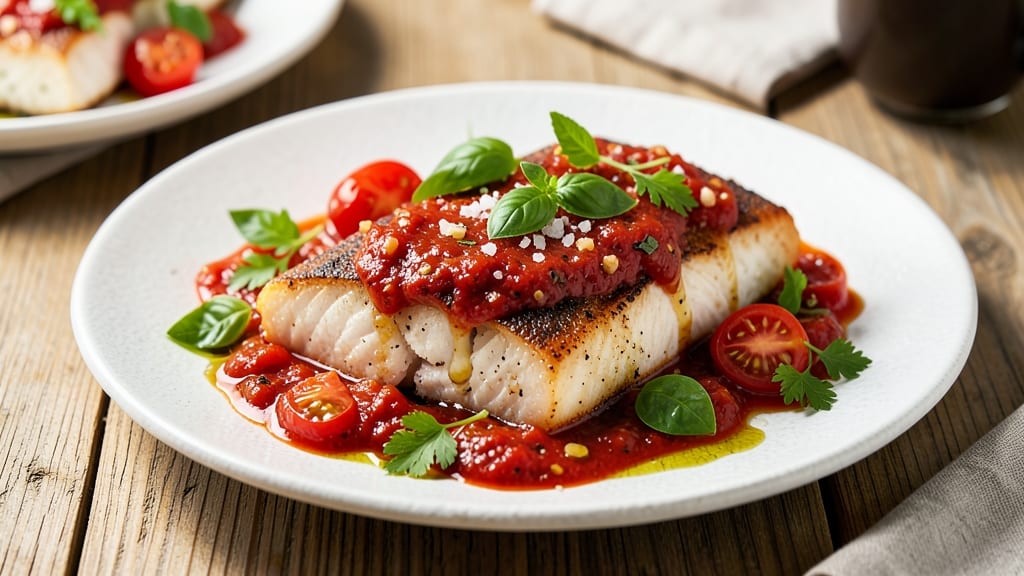
This baked cod in tomato sauce recipe delivers restaurant-quality results with minimal effort—juicy, flaky fish enveloped in a silky, herb-infused sauce that transforms simple weeknight dinner into something special.
The secret lies in a 30-minute bake at 400°F, where the cod stays moist while the sauce caramelizes into a glossy finish. I developed this method after years of experimenting with different tomato bases, and it never fails to impress.
The foundation is a simple yet flavorful tomato sauce—blended canned tomatoes, garlic, and fresh herbs—simmered until thickened. The cod fillets are lightly seasoned with salt, pepper, and a touch of lemon zest before baking, ensuring they remain tender without drying out.
This approach eliminates the need for breading or frying, making it a healthier alternative that still delivers satisfying texture and depth.
By the time it emerges from the oven, you’ll have perfectly cooked cod with a golden crust, fork-tender flesh, and a sauce that clings beautifully to every bite. The herbs infuse the sauce with bright, aromatic notes, while the tomatoes add natural sweetness that balances the fish’s mild flavor.
Serve it with crusty bread to soak up every last drop of that silky sauce.
This recipe scales effortlessly for guests or leftovers, and the sauce can be made ahead to save time. Whether you’re feeding a family or treating yourself to a special meal, this baked cod delivers restaurant-quality results with minimal fuss. Let’s get started!
Ingredients for baked cod in tomato sauce
These carefully selected ingredients create a restaurant-quality baked cod dish with minimal effort.
| Ingredient | Amount | Notes |
|---|---|---|
| Cod Fillets 🐟 | 4 whole | Skin-on, 6-8 oz each |
| Canned San Marzano Tomatoes 🍅 | 1 can | 28 oz, crushed by hand |
| Garlic Cloves 🧄 | 4 cloves | Minced, fresh preferred |
| Fresh Basil Leaves 🌿 | ½ cup | Packed, stems removed |
| Fresh Parsley Leaves 🌿 | ¼ cup | Chopped, for brightness |
| Extra-Virgin Olive Oil 🫒 | ¼ cup | Light fruity variety |
| Lemon Zest 🍋 | 1 tbsp | From 1 organic lemon |
| Kosher Salt 🧂 | 1 ½ tsp | Diamond Crystal preferred |
| Ground Black Pepper 🌶️ | ½ tsp | Freshly cracked |
| Dried Oregano 🍃 | ½ tsp | Mediterranean blend |
| Red Wine Vinegar 🍷 | 1 tbsp | For acid balance |
| Fresh Thyme Leaves 🌿 | ¼ tsp | Or 1 sprig fresh |
| Unsalted Butter 🧈 | 2 tbsp | For sauce richness |
The cod fillets are the star—look for skin-on pieces at your fishmonger, as the skin adds texture and keeps the fish intact during baking. Whole Foods or Trader Joe's typically carry high-quality, sustainably sourced cod. If fresh isn't available, frozen cod fillets work perfectly—just thaw them overnight in the fridge. The San Marzano tomatoes are non-negotiable for their sweet, rich flavor; store-bought brands like Rao's are a solid backup if you can't find them fresh. Fresh herbs elevate the dish dramatically, so grab a small bunch of basil and parsley—they'll transform this from good to exceptional. For the olive oil, avoid heavily processed varieties—look for extra-virgin with a harvest date on the label, ideally within the last year.
No fresh basil? Dried basil at one-third the amount works in a pinch, though it lacks the bright aroma. Short on time? Pre-minced garlic from a jar saves prep work, but fresh garlic adds depth. The lemon zest can be substituted with lemon juice (1 tsp) if you're out of lemons, though zest adds a more complex flavor. For the wine vinegar, balsamic vinegar works but lacks the acidity balance—avoid apple cider vinegar as it can overpower the sauce. The dried oregano should be Mediterranean blend if possible, though regular oregano suffices. If you're avoiding dairy, omit the butter and use an extra tablespoon of olive oil instead—though the butter adds a luxurious finish that's hard to replicate.
The sauce can be made up to 2 days ahead and reheated gently—it actually tastes better after sitting as the flavors meld. Store it in an airtight container in the fridge, then reheat over low heat with a splash of water to restore its silky texture. The cod fillets should be used within 2 days of purchase for optimal freshness; if storing, wrap them tightly in parchment paper and keep them in the coldest part of your fridge. For leftovers, reheat portions in a skillet with a bit of sauce to maintain moisture. This dish freezes beautifully—portion the sauce separately and freeze both components for up to 3 months.
Why You'll Love This Recipe
- Zero-Chop Night: I swear by this when I’m too tired to dice anything—just tear that basil, smash the garlic, and dump the tomatoes straight from the can. The sauce still tastes like it simmered for hours, even if I didn’t lift a finger.
- Garlic-Basil Magic: That first bite of flaky cod with the bright, garlicky tomato sauce? It’s the kind of flavor that makes you pause mid-fork. The San Marzano tomatoes give it a natural sweetness, and the fresh herbs cut through the richness like a cool breeze.
- Lunchbox Hero: Between us, this is my go-to for meal prep. Bake a double batch, let it cool, and pack it with crusty bread—it’s hearty enough for dinner but still feels special enough for a picnic. My kids actually eat their veggies when it’s hidden in that sauce.
- Budget Fish Night: Cod’s affordable, and this recipe stretches it far. A single can of tomatoes and a few cloves of garlic turn something simple into a restaurant-worthy plate. Honestly, I make it twice a month just to keep groceries in check without sacrificing taste.
Step-by-step instructions for baked cod in tomato sauce
This method delivers perfectly moist cod with a velvety tomato-herb sauce every time.
Prepare the Tomato-Herb Sauce
Preheat your oven to 375°F while you prepare the sauce. In a medium saucepan, combine the 1 can crushed San Marzano tomatoes, 0.25 cup extra-virgin olive oil, 1 tbsp red wine vinegar, 1 tbsp lemon zest, 0.5 tsp dried oregano, 0.25 tsp fresh thyme leaves, 1.5 tsp kosher salt, and 0.5 tsp ground black pepper. Bring to a gentle simmer over medium heat and let it cook uncovered for 10 minutes, stirring occasionally.
While the sauce simmers, finely chop the 0.5 cup fresh basil leaves and 0.25 cup fresh parsley leaves, setting them aside for later. The sauce should reduce slightly and develop a rich, aromatic depth—this is when the flavors begin to meld. After 10 minutes, reduce the heat to low and stir in the 2 tbsp unsalted butter, allowing it to melt completely and create a silky texture. Remove from heat and cover to keep warm.
Season and Arrange the Cod Fillets
Pat the 4 whole cod fillets dry with paper towels, removing any remaining moisture from the surface. This step is critical for achieving crisp skin and preventing a watery sauce. Place each fillet skin-side down in a 9x13-inch baking dish, ensuring they lie flat and don't overlap. Season both sides generously with additional kosher salt and ground black pepper—about 0.25 tsp salt and 0.1 tsp pepper per fillet.
Lightly brush each fillet with a thin layer of the warm tomato sauce, coating the top surfaces evenly. This pre-coating ensures the cod absorbs the flavors immediately and develops a beautiful caramelized crust. Arrange the fillets in a single layer, leaving about 1 inch of space between each to allow for even heat circulation during baking.
Bake the Cod to Juicy Perfection
Pour the remaining tomato sauce over the cod fillets, ensuring they are fully submerged in the sauce. The sauce should come about halfway up the sides of the fillets. Cover the baking dish tightly with aluminum foil and bake in the preheated 375°F oven for 12-15 minutes. The foil traps steam, which keeps the fish incredibly moist and prevents it from drying out.
After 12 minutes, remove the foil and continue baking for an additional 3-5 minutes until the sauce begins to bubble gently and the cod flakes easily when tested with a fork. The fish should be opaque throughout with no translucent centers—this indicates perfect doneness. Be careful not to overcook; cod can turn rubbery if left in the oven too long.
Finish with Fresh Herbs and Serve
Remove the baking dish from the oven and carefully transfer the cod fillets to a serving platter. Spoon the remaining sauce over the top, ensuring each fillet is generously coated. Gently fold the chopped fresh basil leaves and fresh parsley leaves into the sauce, allowing their bright flavors to infuse just before serving. The herbs should be distributed evenly throughout the sauce for a vibrant finish.
Let the cod rest for 2-3 minutes before serving to allow the juices to redistribute. This dish pairs beautifully with crusty bread or a simple arugula salad to soak up the rich tomato sauce. The result should be tender, flaky cod with a luscious, herb-infused sauce that balances acidity and richness perfectly.
Pro Tips For Making Baked Cod In Tomato Sauce
- Sear the Cod First: After seasoning the fillets, hit them with a quick 2-minute sear in olive oil over medium-high heat before baking. I learned this the hard way—skipping the sear leaves the fish too soft and underwhelming, while this step guarantees a crisp edge that holds up against the sauce.
- Crush the Garlic: Use a flat side of your knife or the bottom of a heavy pan to smash the garlic cloves into a paste before cooking. This releases more flavor than mincing and prevents bitter allicin buildup—trust me, your sauce will taste deeper without the harsh aftertaste.
- Deglaze Before Adding Tomatoes: After searing the garlic, splash in a splash of white wine (or even fish stock) and let it bubble for 30 seconds to lift up the browned bits. I skip this when I’m in a rush, but it makes a real difference in balancing the acidity of the San Marzano sauce.
- Finish with Raw Basil: Tear the basil leaves at the last minute—no chopping, no wilting—and fold them into the sauce just before serving. Sounds weird, but it works: the leaves stay vibrant, and the flavor hits fresh instead of bitter. (Yes, even if you’re impatient like me.)
Essential equipment for baked cod in tomato sauce
Baking Dish Essentials
Use a 9x13-inch baking dish made of heavy-duty stainless steel or ceramic—these materials distribute heat evenly and prevent hot spots. I recommend All-Clad stainless steel for its durability and heat control. Avoid dark-colored dishes as they absorb heat faster and can overcook the edges of your cod.
Line the dish with parchment paper if concerned about sticking, but I find seasoned metal works best for crisp skin. 🔥
Oven Thermometer
Your oven's temperature display can be off by 25°F or more, which is critical when baking delicate fish. I use a Thermoworks Oven Thermometer to verify the actual temperature—place it on the middle rack while preheating.
For this recipe, aim for 375°F (not the display setting). Even small variations can affect the cod's texture and sauce consistency.
Fish Tongs or Spatula
Use long-handled fish tongs (like OXO Good Grips) to gently transfer cod fillets without breaking them. A silicone spatula with a flexible edge helps scrape every last bit of sauce from the dish.
I avoid metal utensils—they can tear the delicate fish skin. For serving, a wide, flat spatula makes plating effortless while keeping the sauce intact. 🍽️
Saucepan for Tomato Base
Choose a medium-sized stainless steel saucepan (like Cuisinart MultiClad) for the tomato sauce—it heats evenly and prevents scorching. Avoid nonstick pans for this step as they can't handle the sauce's simmering heat.
A wooden spoon helps prevent sticking while stirring. For extra flavor, I add the garlic and herbs directly to the pan rather than pre-mincing them in a separate bowl. 🧄
Aluminum Foil
Heavy-duty Reynolds Wrap foil is essential for steaming the cod during the first 12-15 minutes of baking. Use enough to fully cover and seal the dish, creating a steam chamber that keeps the fish moist.
I press the foil directly onto the sauce's surface to eliminate air pockets. After removing the foil, the sauce will bubble beautifully as it finishes caramelizing. ❄️
Nutrition facts
Frequently asked questions
Can I use frozen cod fillets instead of fresh?
Yes, but thaw them properly first! Place frozen cod fillets in a sealed bag and submerge in cold water for 20-30 minutes or thaw overnight in the fridge. Never use warm water as it can make the fish dry. Pat them completely dry before baking to ensure crisp skin and proper sauce adhesion.
What if I don't have San Marzano tomatoes?
No problem! Use high-quality canned crushed tomatoes like Rao's or Muir Glen for similar sweetness. For extra depth, add 1 tsp tomato paste to the sauce while simmering. Avoid watery brands—they won't reduce properly and may make the sauce thin.
How do I prevent the cod from drying out?
Keep the oven temperature at 375°F and cover tightly with foil for the first 12-15 minutes to create steam. Avoid overbaking—cod is done when it flakes easily with a fork (160°F internal temp). For extra moisture, add 2 tbsp water to the sauce before baking. Never skip the foil step!
Can I make this ahead of time?
Prepare the sauce up to 2 days ahead and store it in an airtight container. For the cod, bake it fresh but keep the sauce warm in a saucepan. Reheat portions gently in a skillet with a splash of water to restore silkiness. The fish itself doesn't reheat well, so it's best served fresh.
What's the best way to serve this dish?
Pair it with crusty Italian bread to soak up the sauce or a simple arugula salad with lemon vinaigrette. For a heartier meal, serve with al dente pasta or roasted fingerling potatoes. Garnish with extra fresh basil and a sprinkle of grated Parmesan for restaurant flair.